The Valley of Roses: A Comprehensive Analysis of the Rosa Damascena Economy in Kalaat M’gouna

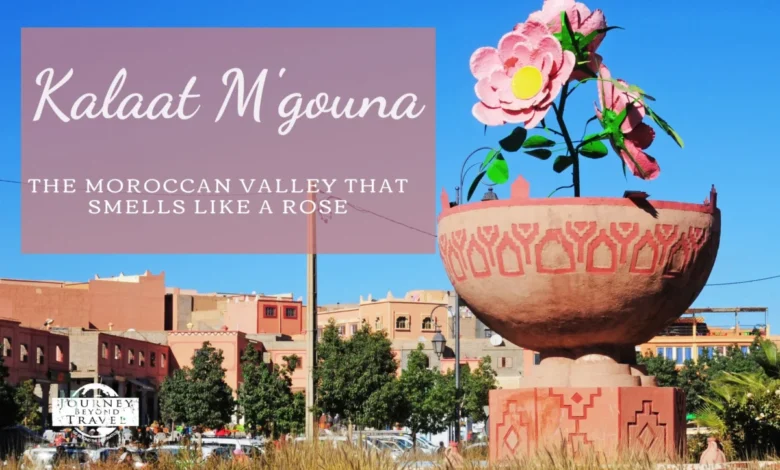
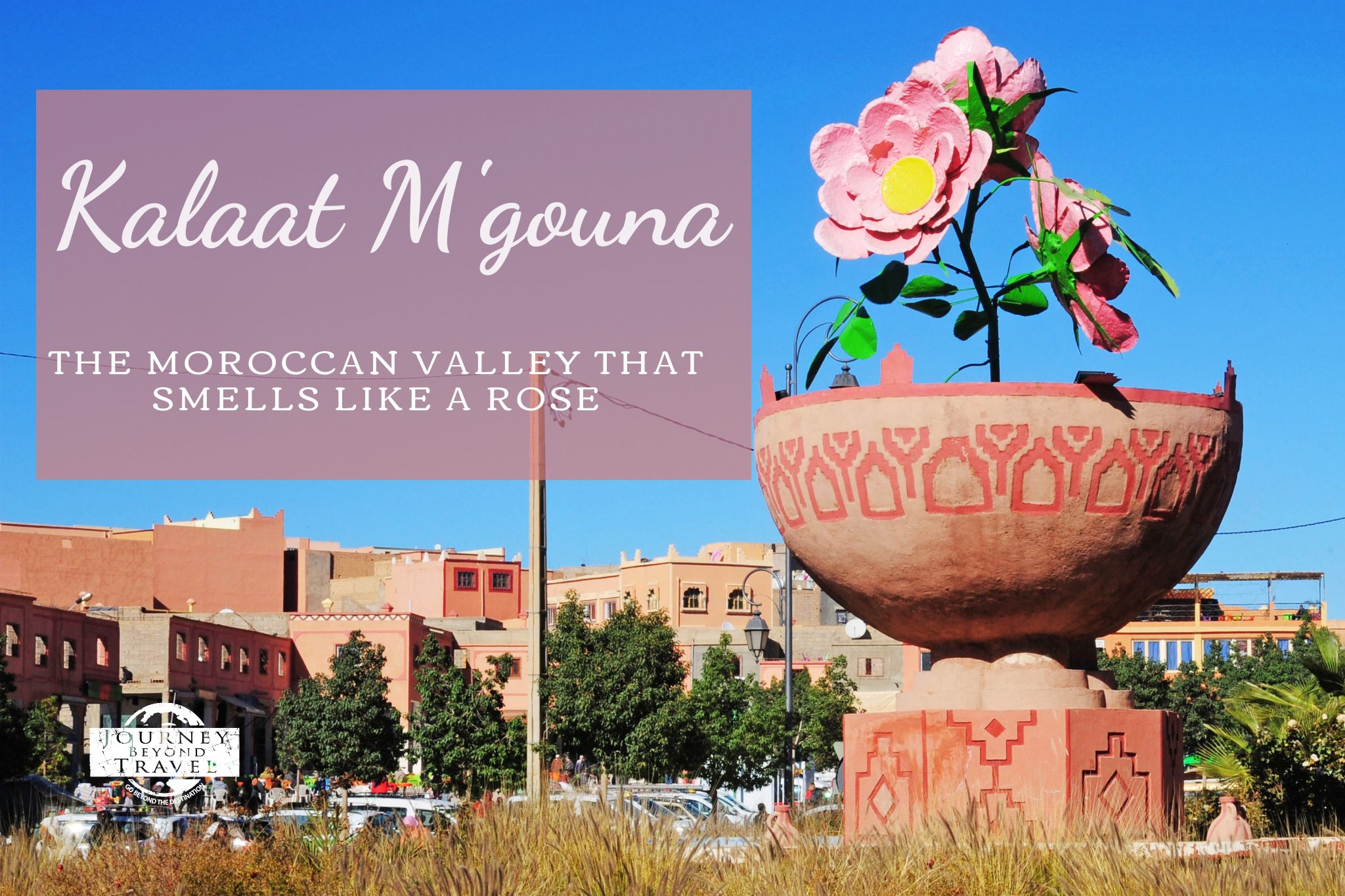
There is a precise geographic coordinate along the transit route between Boumalne Dadès and Tinerhir where the arid, mineral-heavy atmosphere of the southern Moroccan desert undergoes a sudden, dramatic olfactory shift. As travelers approach the town of Kalaat M’gouna, located at an elevation of approximately 1,700 meters in the Dadès Valley, the air becomes saturated with the unmistakable, sweet perfume of the Rosa damascena. This transition serves as the primary indicator that one has entered the "Valley of Roses," a region defined by a unique agricultural monoculture that has anchored the local economy for over a millennium. While the town lacks the architectural monumentalism found in nearby sites such as Aït Benhaddou, it holds a distinct global significance as the epicenter of Morocco’s rose production industry.
Historical Origins and Botanical Adaptation
The integration of the Damask rose into the Moroccan landscape dates back to the 10th century. Historical consensus among local historians and agricultural researchers suggests that the variety was introduced by pilgrims returning from Saudi Arabia, who brought cuttings of the shrub back to the Maghreb. The plant found a highly specific microclimate in the Dadès Valley that allowed it to thrive.
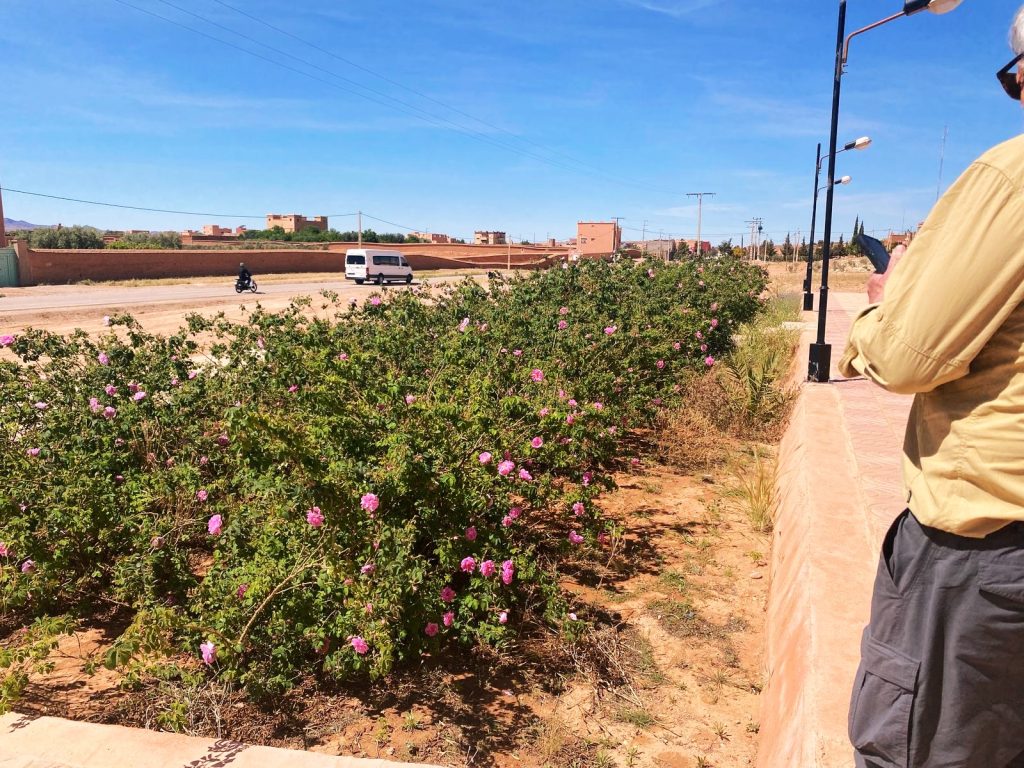
The success of the rose in this region is the result of a symbiotic relationship between geography and botanical needs. The high altitude of the valley ensures cool nocturnal temperatures, which are essential for the development of essential oils within the petals. Furthermore, the perennial water supply provided by the Dadès River, combined with the low humidity of the surrounding desert, creates a natural environment that mitigates the risk of fungal diseases that typically plague rose cultivation in other parts of the world. Over centuries, farmers repurposed these shrubs, planting them as natural, thorny hedgerows to demarcate property lines. Today, these hedgerows extend for hundreds of kilometers, serving as both a functional border and a significant economic engine.
The Economics of the Harvest: Data and Scale
The production of rose-based derivatives in Kalaat M’gouna is a labor-intensive operation that operates on a strictly constrained timeline. The harvest window typically spans from late April to mid-May, lasting no more than three to four weeks. The operational scale required to generate commercial quantities of rose oil—known as rose attar—is immense.
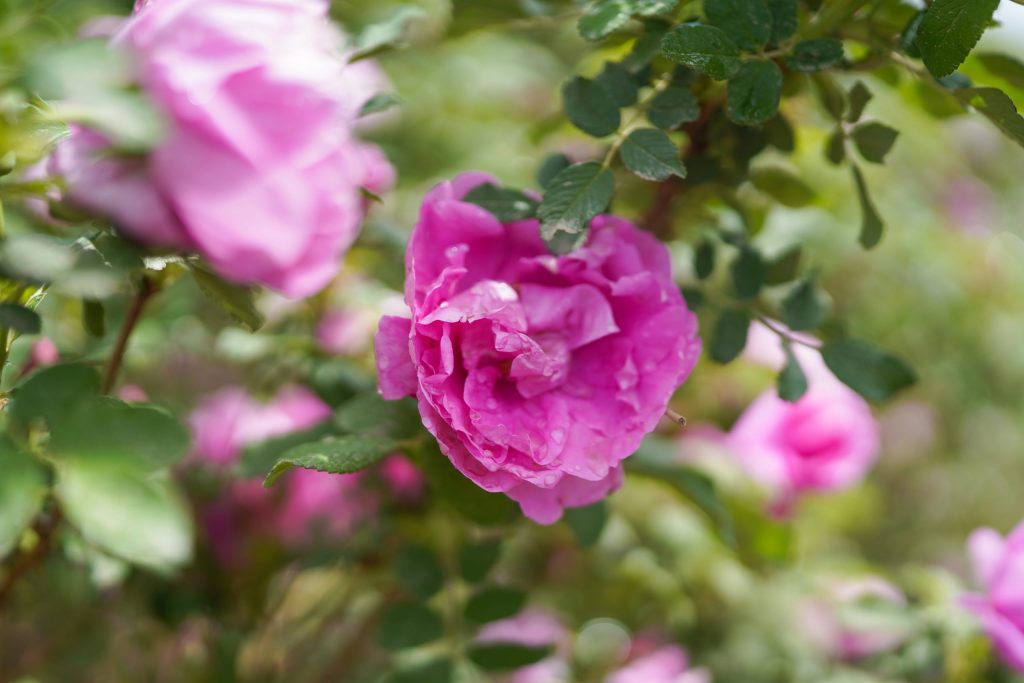
Industry data indicates that it requires approximately four tons of fresh rose petals to produce a single liter of rose essential oil. This high ratio explains the premium pricing of the product in global markets. Because the essential oil content is at its peak while the flowers are still closed, harvesting must occur in the pre-dawn hours, often beginning before sunrise. Once gathered, the petals must be transported to distilleries and processed within a few hours to prevent fermentation and the loss of volatile compounds.
Local cooperatives and independent distillers utilize traditional steam distillation methods. This process, while technologically straightforward, requires precise temperature control to capture the essence without scorching the delicate petals. The resulting products—rosewater, essential oil, and dried petals—are then distributed through a combination of local cooperative sales, national wholesale channels, and international exports to the perfume and pharmaceutical industries.
The Annual Festival of Roses: A Cultural and Economic Anchor
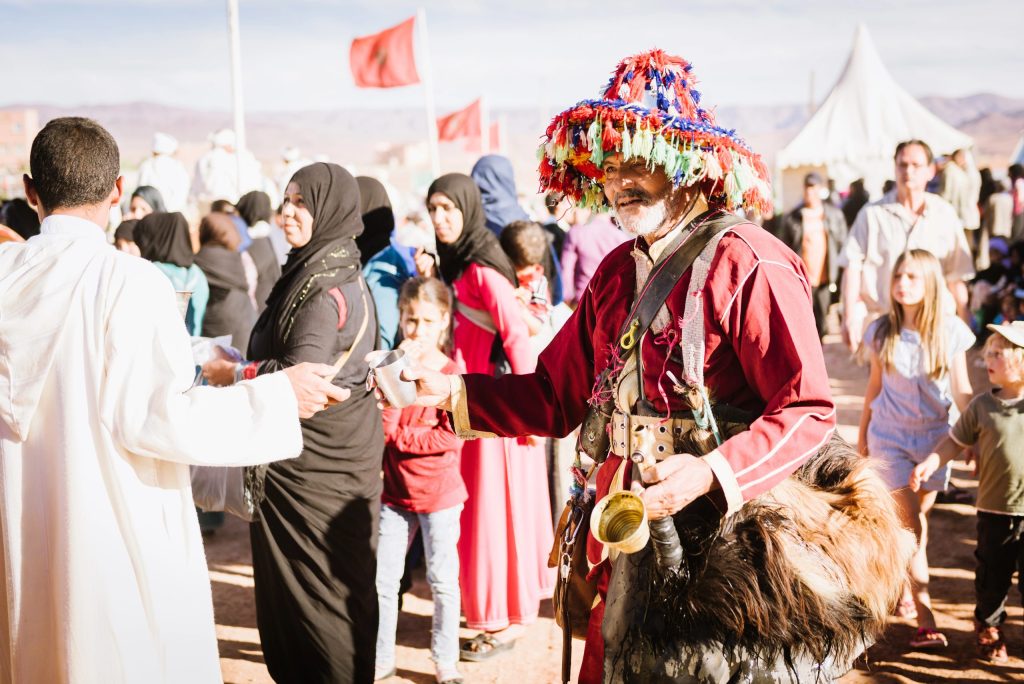
The culmination of the agricultural cycle is the annual Festival of Roses, an event that has evolved from a local post-harvest celebration into a major national cultural event. The festival serves as a vital economic stimulus for the Drâa-Tafilalet region, attracting thousands of domestic and international visitors.
Chronologically, the festival usually aligns with the peak of the harvest in early May. It is a multi-day event that features:
- Cultural Processions: Local folklore performances, including traditional Ahidous dances, which highlight the Amazigh heritage of the region.
- Commercial Exhibition: A marketplace where local producers and cooperatives showcase their goods, allowing for direct-to-consumer sales that bypass intermediaries.
- Coronation: The crowning of a "Miss Rose," a ceremonial role that emphasizes the community’s pride in their botanical heritage.
Beyond the cultural fanfare, the festival serves as a critical period for tourism revenue. Local officials often use the event to highlight the potential for sustainable tourism, encouraging visitors to move beyond the town center to explore the surrounding valley and the nearby village of Bou Tharar.
Infrastructure and Strategic Positioning
Kalaat M’gouna is strategically situated on the N10 highway, which functions as the primary artery for tourism in southern Morocco. This location allows it to serve as a logical stopover between Ouarzazate and the Todra Gorge. However, the town’s infrastructure remains modest compared to larger urban centers.
Transport links are primarily road-based, with regular services provided by CTM and Supratours bus lines, which connect the town to major transit hubs like Marrakesh. A journey from Marrakesh to the valley typically takes between six and seven hours, traversing the Tizi n’Tichka pass. While public transit is available, industry experts and local tourism operators emphasize that private vehicle hire is the most effective way to visit, as it allows for access to remote distilleries and the agricultural fields in the outlying villages where the majority of the production occurs.
Broader Implications and Sustainability
The rose industry in the Dadès Valley faces a dual challenge: the pressure to scale production to meet international demand and the necessity of preserving the traditional, organic farming methods that define the quality of the product.
Current analysis suggests that the market for authentic rosewater is increasingly threatened by synthetic, low-cost alternatives. Authentic rosewater, which is a byproduct of the oil distillation process, is clear. Market regulators and consumer advocacy groups have noted that many products labeled as "Moroccan rosewater" in urban souks are synthetic scents dissolved in water. To protect the regional brand, local cooperatives have begun advocating for protected geographical indication (PGI) status, which would legally distinguish the genuine article from mass-produced imitations.
Furthermore, the environmental sustainability of the region is under scrutiny. As climate patterns shift, the reliance on the Dadès River for irrigation necessitates careful water management. Local farmers have expressed concerns regarding long-term drought cycles, prompting discussions on modernizing irrigation systems to reduce waste while maintaining the mineral-rich soil conditions required for the Damask rose.
Conclusion: A Strategic Itinerary
For the traveler, Kalaat M’gouna represents a rare opportunity to observe a traditional economy in action. Whether participating in the hike toward Mount Mgoun—a 4,071-meter peak—or touring the small-scale copper-still distilleries, the visitor experience is deeply tied to the rhythms of the valley.
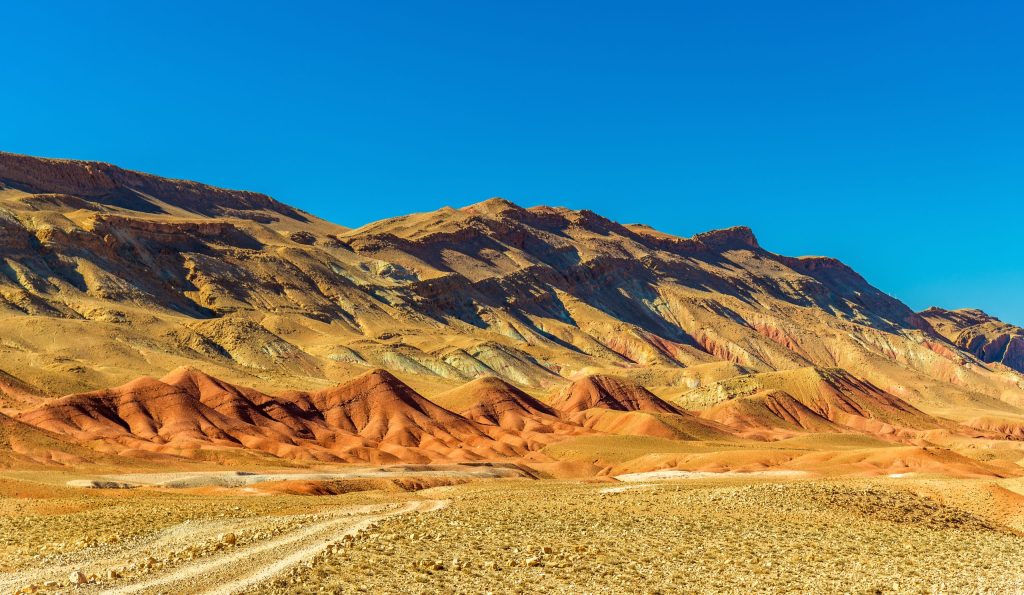
As the Moroccan government continues to invest in the infrastructure of the southern provinces, the "Valley of Roses" is likely to remain a focal point for agro-tourism. However, prospective visitors are advised to coordinate their travel with the brief harvest window. Arriving outside of the late April to mid-May timeframe results in a vastly different experience; while the landscape remains geologically impressive, the absence of the harvest activity and the associated floral scent significantly alters the character of the visit. For those seeking an authentic engagement with Moroccan agricultural heritage, the Valley of Roses stands as a testament to the longevity of ancient traditions in a modern global market.