The modern art of hosting is undergoing a significant shift as the traditional boundaries between professional hospitality and private domestic gatherings continue to blur. At the center of this movement is Gina Bruno, a multi-hyphenate talent who navigates the roles of private chef, event producer, and proprietor of the bespoke event space, Frank’s House. For Bruno, the act of hosting is not merely about culinary execution; it is a meticulously orchestrated social experience designed to prioritize human connection over the perfection of the plate. Her philosophy challenges the growing trend of "perfectionist hosting," which often leaves the host isolated in the kitchen, exhausted and unable to engage with their own guests.
The Importance of Social Architecture
Research from the hospitality sector suggests that the psychological value of a dinner party lies in the "third space"—an environment that is neither work nor home, or in this case, a home elevated to a communal gathering point. Bruno, whose professional background includes culinary training in Paris and extensive experience in restaurant operations, emphasizes that a successful event is built on a foundation of social architecture. By treating the dinner table as a stage, the host can curate the energy of the room, turning a simple meal into an immersive experience.
Bruno traces her hosting ethos to her Italian upbringing, characterized by the ritual of Sunday dinners. These events were never strictly about the caloric intake but rather about the endurance of communal bonds. In her current practice, she advocates for a "family-style" approach to dining, which inherently fosters interaction. Her methodology suggests that by minimizing the distance between the host and the guest, the overall satisfaction of the evening increases exponentially.
Strategic Menu Planning and Culinary Efficiency

A core pillar of Bruno’s strategy is the "grand slam" menu philosophy. Rather than overwhelming guests with a series of labor-intensive courses, she suggests identifying one centerpiece dish—the primary focus—and surrounding it with "supporting actors." This approach serves two functions: it simplifies the logistical burden on the host and creates a clear focal point for the conversation.
Data from recent home-cooking trends indicate that menu complexity is the leading cause of "host anxiety." By streamlining the menu, hosts are better able to manage their time. Bruno advises that "in-season" cooking is the most reliable way to ensure quality without requiring complex techniques. By sourcing fresh, seasonal ingredients from local markets, the inherent quality of the produce does the heavy lifting, allowing the host to remain present.
The Chronology of a Stress-Free Event
Preparation is the silent partner of a successful host. According to Bruno’s timeline, the most effective strategy involves completing all foundational work at least 24 hours in advance. This includes the preparation of complex sauces, dressings, and, crucially, the aesthetic setup of the table. Setting the table a day ahead is a tactical move that removes a significant portion of the "day-of" workload.
- T-Minus 24 Hours: Complete all mise-en-place for sauces and cold components. Set the table with linens, glassware, and serveware.
- T-Minus 4 Hours: Execute the final prep of the main course.
- T-Minus 1 Hour: Transition to ambient lighting and soundscapes.
- Arrival: Shift from "chef mode" to "guest mode."
This chronological approach mirrors professional kitchen management, where the "clean as you go" mandate is paramount. Bruno, drawing on her Parisian culinary training, insists that maintaining a pristine workspace is not just about hygiene—it is about psychological clarity. A cluttered kitchen breeds stress; a clean kitchen allows for the fluid transition into the role of a host.
Atmospheric Engineering and the Psychology of Light

The sensory environment of a home is as critical as the food served. Bruno argues that the "big overhead light" is the enemy of intimacy. For evening gatherings, she suggests a total abandonment of bright, diffuse lighting in favor of localized, warmer light sources—lamps and candles placed strategically in corners. This technique, often referred to as "atmospheric layering," softens the room’s edges and creates a sense of privacy.
"You want to feel sexy when you walk into somebody’s home," Bruno notes. This sentiment reflects a broader understanding of environmental psychology: the way a space is lit influences how people behave within it. Lower light levels tend to encourage softer voices and more intimate conversation, effectively shifting the tone of the party from a noisy social function to a meaningful exchange.
Breaking the Ice: The Role of Conversation
To facilitate deeper connections, particularly among guests who may not know each other well, Bruno employs a technique of "table prompts." By placing questions under each dinner plate, the host introduces an element of play that bypasses the superficial small talk that often plagues dinner parties. This is a deliberate intervention—a way to ensure that the time spent at the table is productive in terms of relationship-building.
The strategy of using prompts or games to "get to the juicy parts of a person" is an effective tool for breaking down social barriers. It requires the host to act as a moderator, ensuring that the conversation remains inclusive and engaging. When applied successfully, this technique can transform a group of strangers into a cohesive, comfortable cohort within the span of a single meal.
The Imperative of Being a Guest

Perhaps the most radical aspect of Bruno’s hosting philosophy is the command to stop hosting once the food is served. The "host trap"—the tendency to continue serving, cleaning, and fussing over guests—is a major point of friction. Bruno contends that once the final dish is placed on the table, the host’s primary job is complete. Remaining in "host mode" creates a power imbalance and makes the guests feel as though they are being served, rather than sharing a meal.
"The worst feeling is having all these people over and being stuck in the kitchen," she explains. To be a "guest at your own party" requires a high level of trust in one’s preparation. It is an acknowledgment that the event is about the collective experience, not the host’s performance.
Professional Insights on Culinary Mistakes
In the event of a culinary failure, Bruno offers a blunt, refreshing perspective: never apologize. The apology often draws unnecessary attention to a minor flaw that guests may not have even noticed. Her logic is grounded in the reality that the triumph of attempting something new is far more significant than the success of the dish itself. In the rare instance of a total failure, she suggests a pragmatic solution: acknowledge the situation with humor, order a pizza, and continue the conversation. The food is merely the excuse to gather; the people are the reason.
The Toolkit of a Professional Host
For those looking to elevate their hosting capabilities, the equipment used by professionals like Bruno can provide a roadmap. Her essentials are not necessarily defined by high-tech gadgets but by high-quality, durable items that serve multiple functions.

- Serveware: A collection of large, mixed-style platters—vintage and modern—is vital. Silver trays and bowls, often sourced second-hand, add a layer of texture and history to the table.
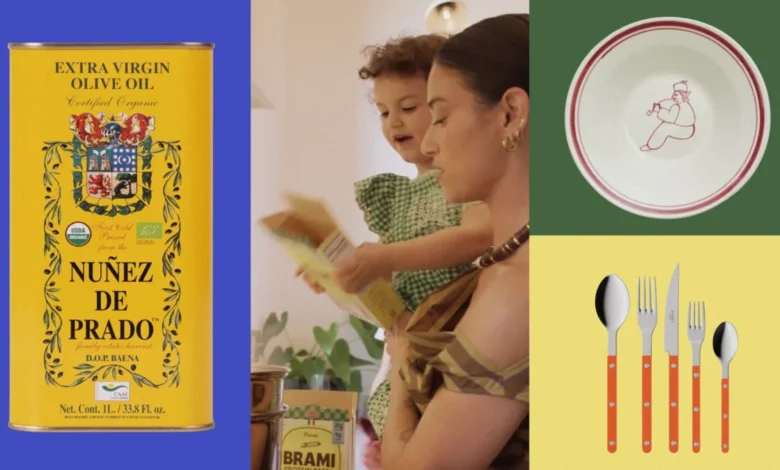
- Olive Oil: Maintaining a three-tier system of oils (one for frying, one for dressings, and a premium, peppery oil for finishing) is a hallmark of a thoughtful kitchen.
- Cutlery: Investing in distinct, high-quality flatware, such as the Sabre sets favored by Bruno, allows the host to introduce color and personality to the table setting.
- Ambient Elements: High-quality, long-burning candles (such as those from Keap) and a well-stocked wine fridge ensure that the home is always ready for spontaneous hospitality.
Impact and Future Implications
The rise of the "pro-sumer" host—individuals who adopt professional hospitality standards for domestic use—reflects a broader cultural desire to reclaim the home as a center of social life. As dining out becomes increasingly expensive and, in some cases, less personal, the home dinner party is experiencing a resurgence.
The implications for the event industry are clear: there is a growing market for high-quality, professional-grade home goods and a demand for the expertise of professionals like Bruno, who can translate the complex logistics of restaurant-style hosting into accessible, actionable advice. By focusing on the "social architecture" of an event rather than the aesthetic perfection of the table, hosts can create experiences that are both sustainable for themselves and memorable for their guests. In the end, the most sophisticated party is not the one with the most elaborate menu, but the one where the host is finally able to sit down, pour a glass of wine, and listen to the conversation unfolding around them.
Related posts: