A Budget-Friendly Family Adventure: Navigating Iceland with Young Children on a Minimalist Itinerary

Traveling to Iceland with children is increasingly viewed by family travel experts as an achievable and enriching venture, provided parents navigate the nation’s notoriously high cost of living with strategic planning. A recent firsthand account from a parent traveling from the United States with a five-year-old child highlights the logistical framework required to execute an affordable Nordic vacation. By leveraging low-cost carrier promotions, utilizing local grocery markets rather than dining out, and maximizing free admission policies for children at major tourist attractions, families can experience the geological and cultural wonders of the North Atlantic without incurring prohibitive expenses.
Logistical Overview and Air Travel Economics
The financial viability of a transatlantic trip to Iceland often hinges on securing discounted airfares. In this instance, the journey commenced with a domestic positioning flight from Phoenix, Arizona, to Los Angeles International Airport (LAX). From LAX, the travelers secured tickets on WOW air—a now-defunct Icelandic low-cost carrier—for $99 each way. Operating on a budget model, the airline provided a baseline transit option to Keflavík International Airport.
To manage the nine-hour flight duration with a young child, the travelers implemented a sleep-deprivation strategy the night prior, ensuring both parent and child slept through the duration of the oceanic crossing. Upon arrival at Keflavík at approximately 4:00 AM, the family faced a common logistical hurdle in international travel: an early morning arrival coupled with a standard afternoon hotel check-in time (3:00 PM). To bridge this gap, pre-arranged bus transportation ferried the family directly from the airport to the Blue Lagoon, utilizing the facility’s secure bag-check and locker infrastructure to store luggage while exploring the geothermal spa during its less-crowded early morning hours.
Chronology of the Itinerary

The structured itinerary spanned several days, balancing iconic natural landscapes with urban exploration in Reykjavík.
Day One: Geothermal Arrival and Urban Settlement
Arriving before dawn, the travelers spent the early morning hours at the Blue Lagoon geothermal spa. Because children receive complimentary admission to the facility, the upfront cost was mitigated. The early arrival yielded a sparse crowd, allowing the five-year-old visitor to experience the warm silica-rich waters and mineral face masks with minimal congestion. Following the spa visit, a scheduled coach transfer transported the family from the Blue Lagoon to Reykjavík.
Lodging was secured via a two-bedroom rental apartment situated one block from the central urban district. The accommodation featured a full kitchen, internet access, cable television, and a bathroom, providing a self-sufficient base of operations. Despite minor navigation challenges regarding local street signage, the widespread proficiency in English among local residents facilitated seamless communication.

Day Two: The South Coast Excursion
The second day comprised an intensive 11-hour guided bus tour along Iceland’s southern coastline. This comprehensive route included several geological landmarks:
- Sólheimajökull Glacier: A glacial hiking site where visitors observe retreating ice formations and terminal moraines.
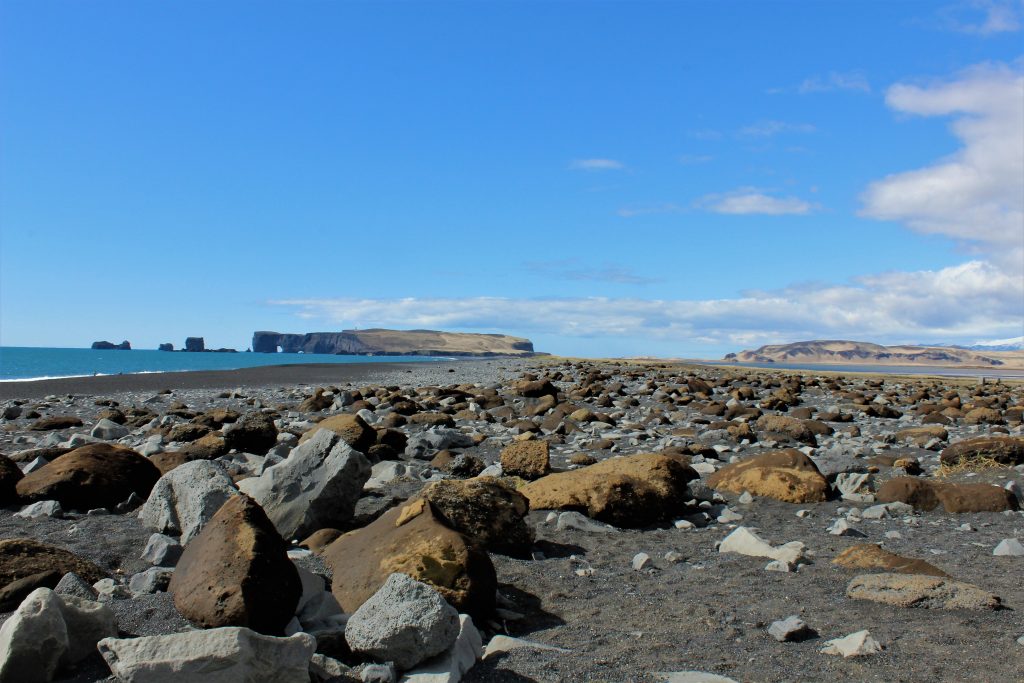
- Reynisfjara Black Sand Beach: Known for its towering basalt column formations and hazardous Atlantic sneaker waves.
- The Coastal Village of Vik: A southernmost settlement providing insight into rural Icelandic coastal life.
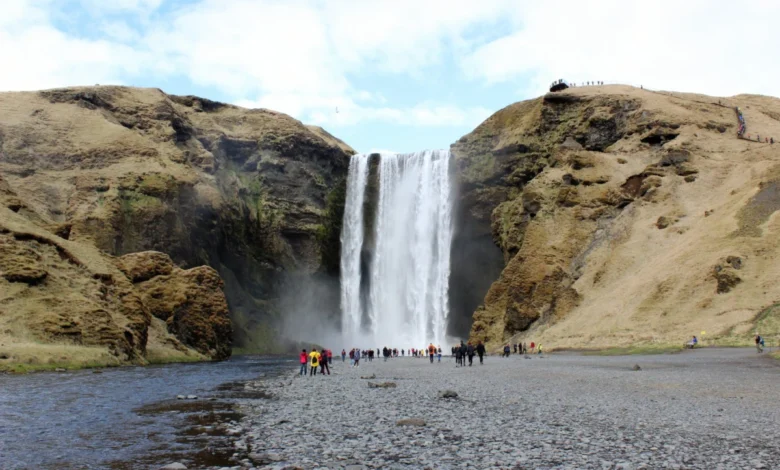
- Skógafoss and Seljalandsfoss Waterfalls: Prominent cascades offering distinct viewing experiences, including the ability to walk behind the water curtain at Seljalandsfoss.
Throughout this excursion, the tour operator applied a standard industry practice in Iceland wherein minor children aged zero to a specific threshold (often 11 or 13 years old) participate in excursions free of charge when accompanied by a paying adult.
Economic Realities and Cost Mitigation Strategies

Iceland consistently ranks among the most expensive destinations in Europe due to high import taxes, elevated labor costs, and a geographic isolation that drives up the price of goods and services. Restaurant dining represents a significant expenditure for tourists, with children’s meals routinely priced between $10 and $15 USD, and standard adult meals scaling considerably higher.
To counteract these financial pressures, seasoned travelers and local economic advisors recommend adopting a self-catering model. Procuring meals and snacks from domestic supermarket chains—such as Bónus or Krónan—allows families to drastically reduce daily expenditures while simultaneously sampling local foodstuffs, ranging from dairy products like skyr to packaged Nordic snacks.
Weather Preparedness and Meteorological Volatility

A critical factor in executing a successful itinerary in Iceland is accounting for unpredictable meteorological conditions. Coastal and sub-Arctic weather patterns can shift rapidly within a matter of hours. In this case, pre-trip forecasts projected mild temperatures ranging from 45 to 50 degrees Fahrenheit. However, actual conditions deteriorated into persistent snow and temperatures fluctuating in the 30s, with wind chill factors making certain days feel as cold as 23 degrees Fahrenheit. Travel authorities consistently advise families to pack modular, windproof, and waterproof outerwear, regardless of the seasonal forecast.
Culinary Highlights: The Icelandic Hot Dog Phenomenon
Among the cultural experiences documented during the trip, the traditional Icelandic hot dog (pylsa) emerged as a notable culinary staple. Unlike standard American pork or beef frankfurters, the Icelandic version is traditionally composed of a blend of local free-roaming lamb, pork, and beef encased in a natural sheep casing.

The distinct flavor profile is heavily attributed to the specific combination of condiments and toppings standard to local purveyors, such as Bæjarins Beztu Pylsur in Reykjavík. The assembly methodology typically features:
- Raw white onions and crispy fried onions placed at the base of the bun beneath the meat.
- Tomato ketchup.
- Pylsusinnep (a sweet, brown Icelandic mustard).
- Remoulade—a cold, mayonnaise-based sauce infused with capers, mustard, and fresh herbs.
This combination offers an accessible and relatively inexpensive meal option for families traversing the urban center of Reykjavík.
Confectionery Exploration: Omnom Chocolate Factory

In addition to traditional sights, the itinerary included an industrial tour of Omnom Chocolate, a prominent bean-to-bar artisan chocolate manufacturer based in Reykjavík. Factory tours provide visitors with an educational overview of the cocoa sourcing and manufacturing process, accompanied by extensive product tastings. Such commercially oriented cultural tours offer structured, indoor activities that can effectively break up outdoor sightseeing regimens for younger children.
Broader Impact and Family Travel Implications
The viability of executing a multi-day international expedition with a young child on a restricted budget underscores broader shifts in modern family tourism. The availability of ultra-low-cost transatlantic air routes has democratized access to European and North Atlantic destinations that were historically cost-prohibitive for middle-class families.

However, industry analysts note that travelers utilizing low-cost carriers must factor in ancillary fees—such as seat selection, baggage charges, and in-flight amenities—into their overall budgetary calculations. Furthermore, Iceland’s heavy reliance on tourism infrastructure means that family-friendly policies, such as complimentary admission for children at state-run museums, geothermal pools, and commercial tour operators, play a vital role in keeping family travel economically sustainable.
Ultimately, navigating Iceland with a five-year-old demonstrates that with rigorous advance planning, meticulous budgeting, and proper adaptation to volatile weather conditions, high-latitude destinations can be successfully explored by families with young children without requiring luxury-tier expenditures.
Related posts: