Securing a ticket to a Premier League match as a visitor is a logistical challenge that requires months of preparation, a firm grasp of club-specific policies, and an understanding of the broadcasting influence on fixture scheduling. For many international travelers, the assumption that tickets can be purchased via a club’s official website mere days before kickoff—much like a theater or concert ticket—is a misconception that often leads to disappointment or financial loss.
The experience of one traveler, who booked non-refundable travel around a Saturday fixture only to have the match rescheduled to a Sunday evening for television broadcast, serves as a cautionary tale. The result was a £300 loss in flight change fees and two wasted nights of hotel bookings. This scenario highlights the volatility of the Premier League schedule, where match dates are subject to change based on television rights and European competition progression.
The Anatomy of the Sold-Out Myth
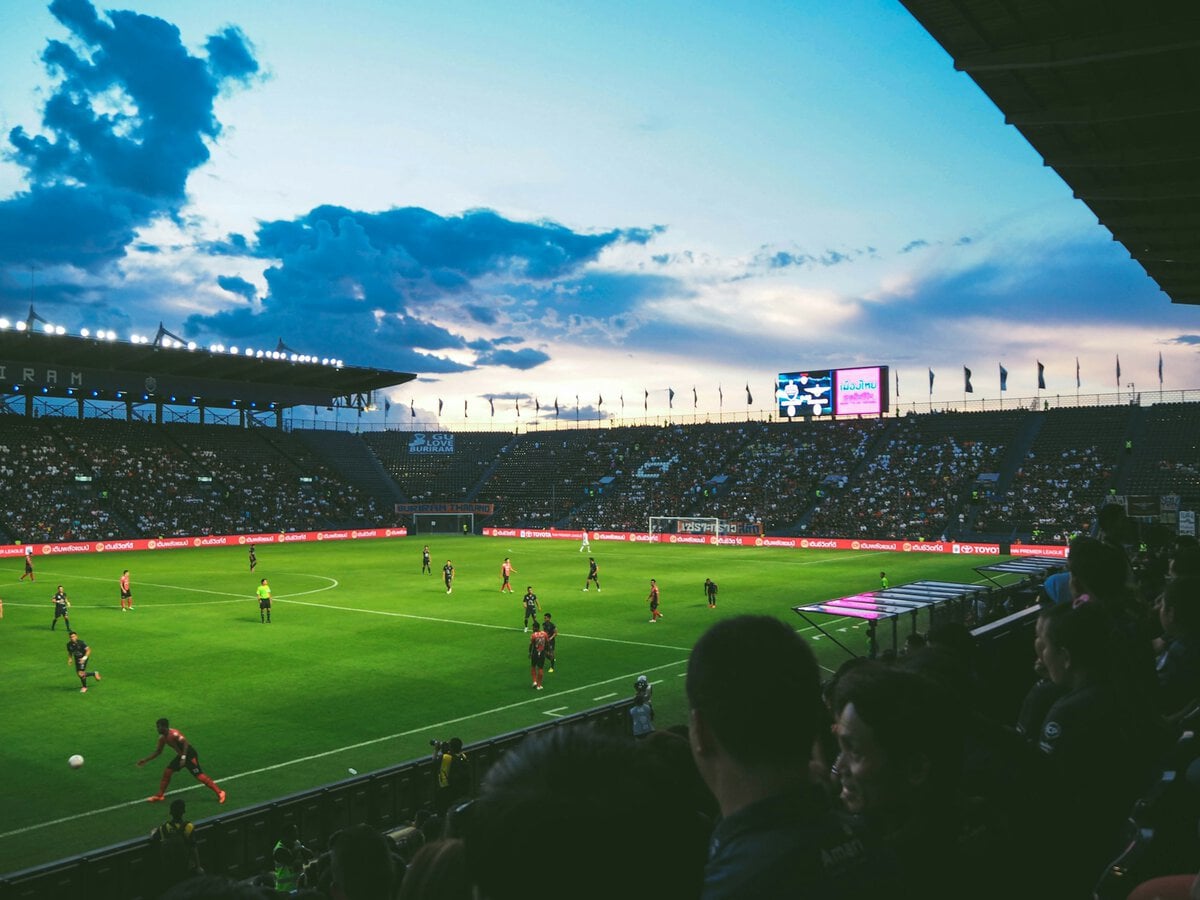
The Premier League operates on a unique ticketing ecosystem that prioritizes local loyalty. Most of the 20 clubs in the division utilize a tiered membership system. Before a ticket ever reaches a general sale phase, it is typically claimed by season ticket holders, club members with high loyalty point totals, and corporate hospitality partners.
For high-profile matches—specifically those involving the "big six" (Arsenal, Chelsea, Liverpool, Manchester City, Manchester United, and Tottenham Hotspur)—the likelihood of a general public sale is statistically near zero. Even for smaller clubs, the demand far outstrips the supply of seats. Consequently, when a website displays a "Sold Out" message, it does not necessarily mean the stadium is full; rather, it indicates that the tickets have been allocated to the club’s established membership base.
The Role of Official Channels and Ballots
Clubs have increasingly shifted toward digital ballot systems to manage demand for high-stakes fixtures. This process is designed to filter out bot-driven traffic and ensure that long-term members have an equitable chance at attendance.
Typically, a member must apply for a ballot window, which opens roughly four to six weeks before the fixture. Once the window closes, the club draws winners at random. Payment is only processed if the member is successful. While this system is transparent, it presents a significant obstacle for international visitors. A tourist with a fixed itinerary cannot guarantee their attendance through a ballot; winning a ticket is a matter of luck, and the result often arrives too late to coordinate international travel effectively.
Official hospitality represents the most reliable, albeit expensive, route for visitors. By purchasing a hospitality package—which includes a premium seat and various amenities such as pre-match dining—travelers can bypass the ballot system entirely. Prices for these packages are dynamic and can range from £280 for standard premium seating to upwards of £3,500 for elite luxury boxes at high-demand matches.
Understanding the Legal Landscape of Resale
The secondary ticket market is fraught with legal complexity in the United Kingdom. Under Section 166 of the Criminal Justice and Public Order Act 1994, the unauthorized sale of football tickets is a criminal offense. This legislation places the burden of legality on the seller. However, the practical implications for the buyer are significant: clubs frequently conduct spot checks on match days, and if a ticket is identified as being sold in violation of club policy, the holder may be denied entry without compensation.
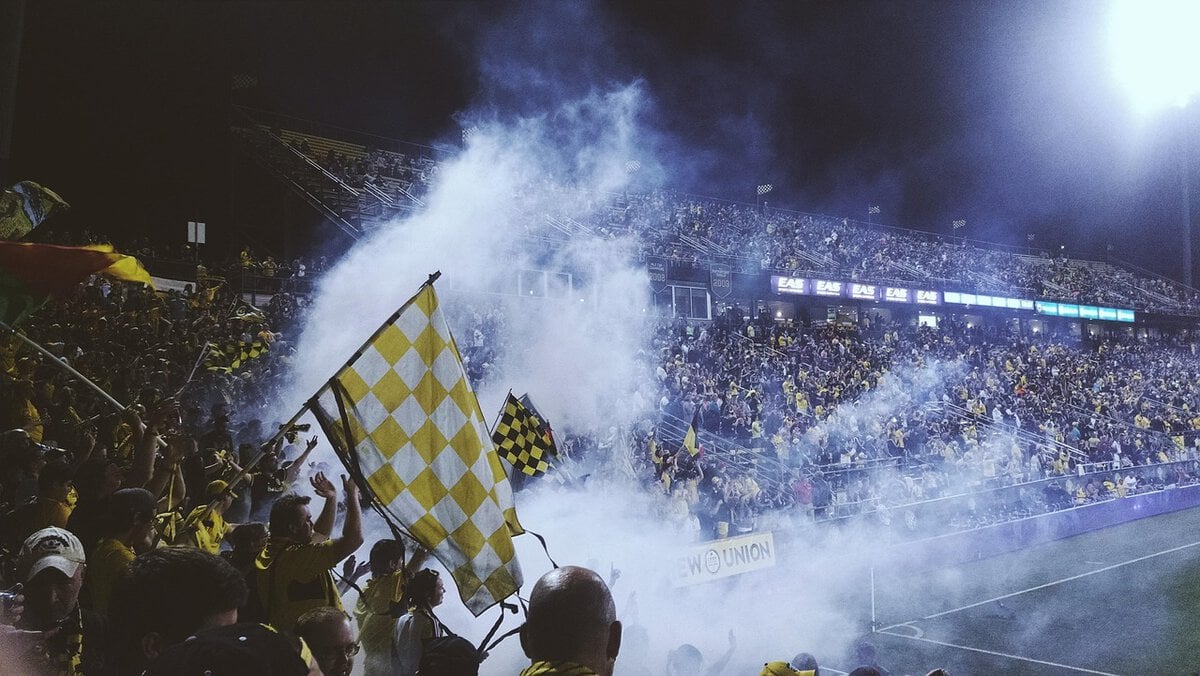
Because of this, the reliance on unofficial third-party marketplaces carries inherent risk. While some platforms offer "buyer guarantees," these are often limited to refunds if the ticket fails to arrive. They rarely cover the scenario where a fan is denied entry at the turnstile due to a club-level cancellation of the ticket. For this reason, professional analysis suggests that buyers prioritize platforms that explicitly guarantee entry or provide a replacement seat should an issue arise at the stadium.
The Impact of Television Scheduling
The broadcast cycle is the primary disruptor for travel planning. The Premier League sells broadcasting rights to partners such as Sky Sports and TNT Sports, which have the contractual authority to move matches from Saturday afternoons to Friday nights, Saturday evenings, Sunday lunchtimes, or Monday nights.
These changes are announced in monthly batches. For instance, fixture dates for December are usually confirmed in October. Travelers are advised to treat any fixture date listed more than six weeks in advance as "provisional." Until the official announcement is made by the league, the match date remains fluid. This creates a high-risk environment for those booking non-refundable transportation and accommodation.
Strategic Planning for the International Visitor
To mitigate these risks, travelers should adopt a "protected itinerary" strategy:
- Prioritize Flexibility: If a match is the primary purpose of a trip, travelers should book flexible flights and hotels that allow for date changes without significant financial penalties.
- Early Membership Engagement: If a specific club is the target, investigate the membership requirements months in advance. Some clubs require a minimum duration of membership before a fan is eligible to enter a ballot.
- Budget for Premiums: Acknowledge that obtaining a seat for a high-demand game will likely cost more than the face value of the ticket. Incorporating this "certainty premium" into the travel budget early prevents impulsive, high-risk purchases later.
- Verified Marketplaces: When using resale platforms, prioritize those that offer written guarantees regarding entry and provide transparent, all-in pricing that includes service fees.
Economic and Logistical Implications
The surge in demand for Premier League tickets has created a robust secondary economy, but it has also placed a strain on local resources. In cities like Manchester and London, hotel prices during match weekends can double or triple. Furthermore, the reliance on digital ticketing—where tickets are often delivered to a mobile device only 24 to 72 hours before kickoff—requires the traveler to remain connected and vigilant throughout their stay.
The clubs themselves maintain a strict stance on unauthorized resale. Their primary concern is the integrity of the seating manifest and the safety of the venue. Consequently, they provide little support to fans who arrive with invalid tickets purchased from unofficial sources. As one club representative noted, "We cannot be responsible for the validation of tickets purchased outside of our direct channels or our official resale platform."
Summary of Best Practices
For those planning to attend a match during the 2026/27 season, the most successful approach is one of caution and preparation.
- Avoid Bank Transfers: Never pay for tickets via direct bank transfer or peer-to-peer payment apps, as these offer no recourse in the event of fraud.
- Verify the Source: Use only established, reputable resale marketplaces that provide clear, written terms of service regarding entry failure.
- Stay Informed: Monitor the official Premier League website for the latest television broadcast updates.
- Carry Identification: Even if not strictly required for entry, a photo ID is often requested by security or support staff in the event of a ticketing dispute.
By moving away from the assumption that a Premier League match is a standard tourist attraction and instead viewing it as a highly regulated, high-demand event, visitors can significantly increase their chances of a successful and stress-free experience. The key remains in the timing; by starting the planning process early and treating the fixture as a variable rather than a fixed point, the risks of being left outside the stadium on match day are minimized.