The Ultimate Culinary Journey: Top Gastronomic Destinations to Explore in Melaka, Malaysia

The coastal historic town of Melaka, situated along the Straits of Malacca in Peninsular Malaysia, has long served as a melting pot of diverse cultures, which is prominently reflected in its vibrant and complex culinary landscape. Recognized as a UNESCO World Heritage Site, Melaka’s gastronomy is deeply rooted in Peranakan (Baba-Nyonya), Malay, Chinese, and Indian culinary traditions, creating a distinct fusion of aromatic herbs, fiery chilies, and intricate spice blends. As culinary tourism continues to drive significant economic growth within Malaysia’s tourism sector, food enthusiasts increasingly prioritize regional towns over major metropolitan areas to experience authentic, heritage-based cooking. This comprehensive review examines five quintessential dining establishments in Melaka, detailing their historical significance, preparation methodologies, and their broader implications for Malaysia’s cultural heritage tourism.
Historical and Cultural Context of Melaka’s Cuisine
The evolution of Melaka’s food culture is intrinsically tied to its history as a major 15th-century trading port. Situated at a maritime crossroads between China, India, and the Middle East, the region experienced centuries of cross-cultural exchange and intermarriage. This historical convergence birthed the Peranakan culture, characterized by a unique synthesis of Chinese ingredients with Malay spices and cooking techniques.

In recent decades, culinary tourism has emerged as a primary catalyst for domestic and international travel to Melaka. According to tourism data from the Ministry of Tourism, Arts and Culture Malaysia, gastronomic experiences account for a substantial percentage of visitor expenditures in historical states. Food critics and cultural historians note that traditional recipes passed down through generations serve as living archives of Malaysia’s multicultural identity. The establishments highlighted below represent not merely commercial eateries, but custodians of culinary heritage that draw thousands of visitors daily.
- Kedai Kopi Chung Wah: The Pioneer of Hainanese Chicken Rice Balls
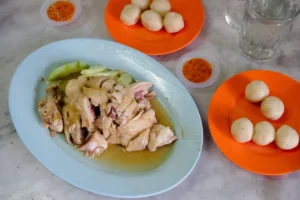
Situated prominently at the corner of Jonker Street—Melaka’s bustling historic thoroughfare—Kedai Kopi Chung Wah is an institution specializing in Hainanese chicken rice balls, a regional variation of the classic Southeast Asian dish.

Culinary Methodology and Preparation
Unlike standard Hainanese chicken rice where loose grains are served alongside poached poultry, Chung Wah compresses the seasoned rice into tightly packed spherical portions. This technique originates from early Chinese laborers who rolled the hot rice into balls to keep it warm while working in the ports and rubber plantations. The rice is cooked in rich chicken broth infused with considerable quantities of garlic, ginger, and rendered poultry fat, resulting in a dense, smoky flavor profile.
The accompanying poached chicken is prepared using traditional boiling methods to preserve the tenderness of the meat and the gelatinous texture of the skin. Served with a specialized chili and garlic vinegar dip, the dish exemplifies the minimalist yet precise culinary standards of Hainanese diaspora cuisine.

Operational Logistics
Due to its prime location on Jonker Street, the coffee shop experiences high patronage, often resulting in extended queues during peak weekend hours. Operating daily from early morning until mid-afternoon (typically 9:00 AM to 3:00 or 4:00 PM), the establishment utilizes a streamlined ordering system where meals are priced affordably, averaging under 30 Malaysian Ringgit (RM) for a multi-person meal.
- Asam Pedas Pak Man: Mastering the Sour and Spicy Curry Tradition
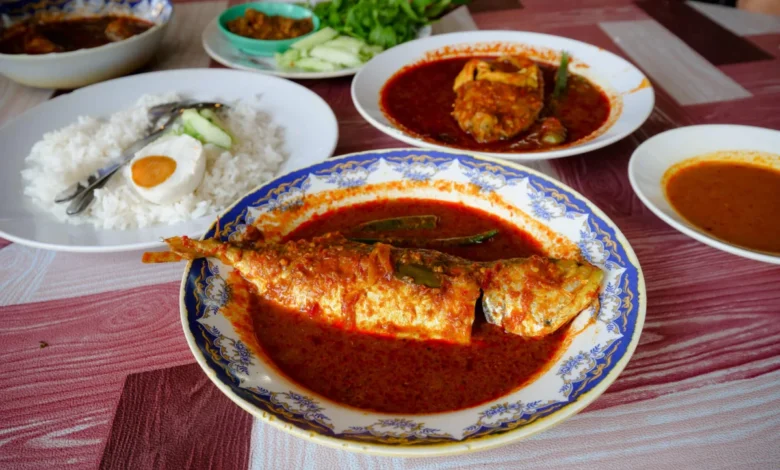
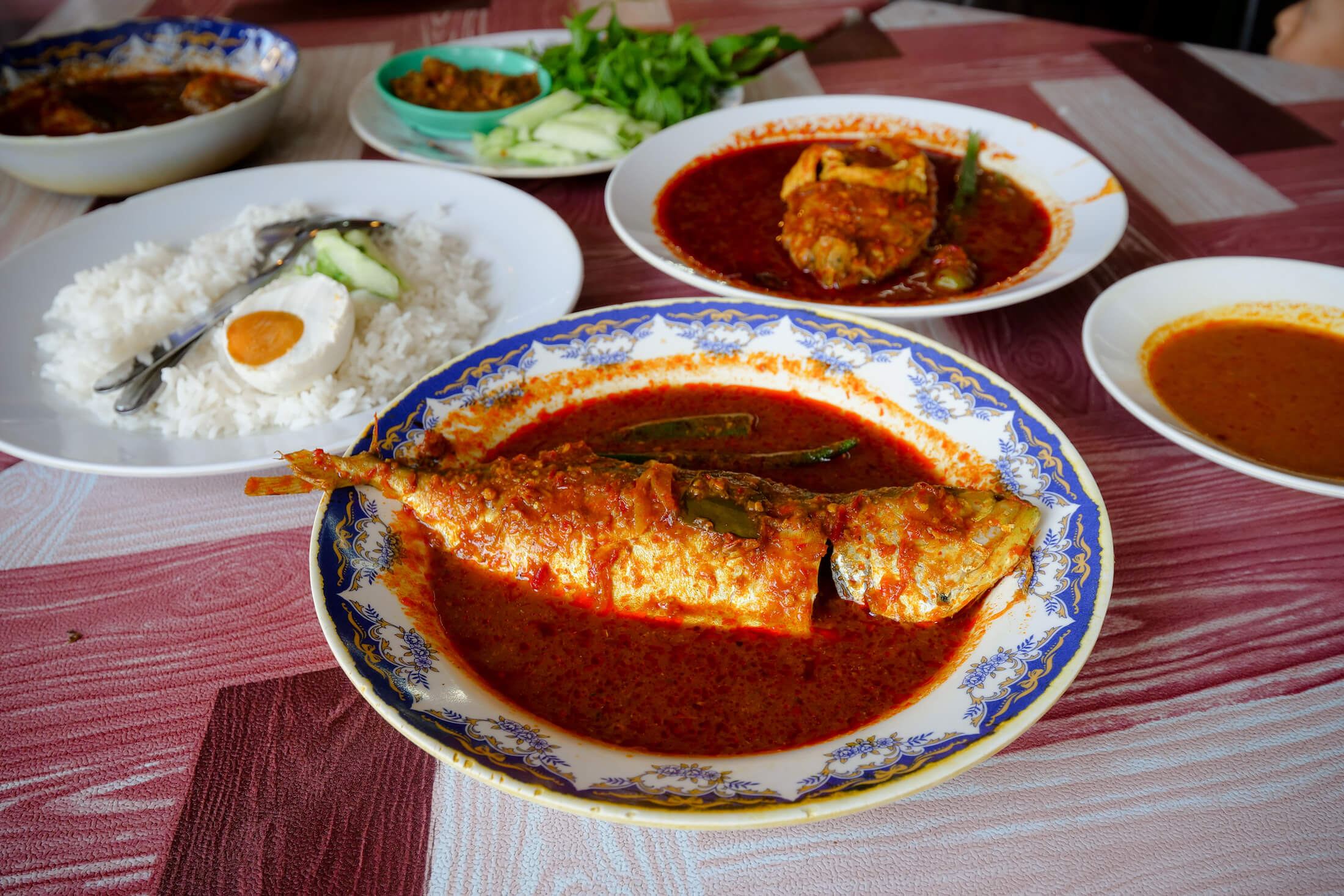
Moving southward toward the coastal residential sectors, Asam Pedas Pak Man offers an authentic exploration of asam pedas, a sour and spicy fish curry deeply embedded in Malay and Minangkabau culinary traditions.

The Chemistry of Asam Pedas
The term asam pedas translates literally to "sour spicy," derived from the primary flavor agents: tamarind (asam) and chili peppers (pedas). The soup base is constructed using a complex rempah (spice paste) consisting of shallots, garlic, galangal, lemongrass, and varying types of dried chilies, which are slow-cooked with tamarind juice and occasionally torch ginger flower (bunga kantan).
At Asam Pedas Pak Man, the culinary focus is on utilizing fresh, locally caught marine fish, such as baramundi (ikan siakap) and skipjack tuna (ikan tongkol). The acidity of the tamarind breaks down the proteins and connective tissues of the fish during the prolonged simmering process, allowing the broth to penetrate deeply into the flesh.

Socio-Cultural Significance and Accompaniments
Beyond the signature curry, the establishment is recognized for its contribution to local Peranakan pastry traditions through its daily rotation of kuih—traditional coconut-based snacks—and roti canai. Culinary analysts emphasize that establishments like Pak Man play a crucial role in preserving labor-intensive traditional recipes that are increasingly abandoned by modern commercial kitchens due to time constraints. Operating from 8:00 AM to 7:00 PM daily, the restaurant accommodates both breakfast and dinner crowds, maintaining a high volume of local and international patrons.
- Klebang Original Coconut Shake: Innovation in Refreshment
Addressing the tropical climate of Peninsular Malaysia, the Klebang Original Coconut Shake has evolved from a roadside stall into a cultural phenomenon within Melaka’s beverage sector.

Product Formulation
The beverage combines fresh coconut water and shaved young coconut flesh blended with crushed ice, crowned with a generous scoop of commercial vanilla ice cream. This fusion of traditional tropical produce with Western dairy elements reflects contemporary Malaysian dessert trends. The establishment operates on a massive scale, processing thousands of coconuts daily to meet continuous consumer demand.
Economic and Urban Impact
The immense popularity of the coconut shake prompted the business to relocate to a larger beachfront facility along Jalan Klebang, expanding its offerings to include traditional Malay fare such as nasi lemak and keropok (fish crackers). Urban planners note that successful beverage destinations like Klebang act as decentralized economic anchors, drawing tourist traffic away from the saturated city center and stimulating commerce in peripheral coastal districts.

- Ban Lee Siang Satay Celup: The Communal Dining Experience
Satay celup is a uniquely localized dining format native to Melaka, combining the communal aspects of Chinese steamboat with the distinct flavors of Malay satay peanut sauce. Ban Lee Siang stands as one of the oldest surviving practitioners of this culinary art form.
Operational Mechanics
Diners select from an extensive array of raw and semi-cooked skewers—ranging from seafood and meats to processed fish paste and fresh vegetables—displayed on refrigerated open shelves. Patrons then cook their selected items by submerging the skewers directly into a communal pot of boiling, spiced peanut sauce integrated with satay spices and crushed peanuts.

Cross-Cultural Synthesis
Food historians classify satay celup as a prime example of Straits Chinese adaptation, merging the Chinese hot pot tradition with indigenous Malay peanut gravy formulations. The pricing model relies on a per-skewer tally system, typically priced at approximately 1 RM per stick, encouraging high-volume communal dining. Operating primarily during evening and late-night hours (4:00 PM to 12:30 AM), Ban Lee Siang contributes significantly to Melaka’s nocturnal economy.
- Ikan Bakar Hj Musa: The Pinnacle of Charcoal-Grilled Seafood
Concluding the culinary tour, Ikan Bakar Hj Musa represents the zenith of Malaysian coastal grilling culture. Located near the Straits of Malacca, the restaurant specializes in charcoal-grilled seafood coated in specialized sambal pastes.

Preparation and The Sambal Matrix
The culinary process at Ikan Bakar Hj Musa emphasizes raw ingredient transparency. Customers select fresh catches—including stingray (ikan pari), squid, prawns, and various reef fish—measured by weight per 100 grams. The seafood is then grilled over open charcoal braziers.
The defining characteristic of the establishment is its signature chili sambal, composed of pounded bird’s eye chilies, shallots, fermented shrimp paste (belacan), and aromatics. When applied to the scorching surface of the grilled fish, the sambal undergoes a localized caramelization process, forming a rich, jam-like glaze that seals in the natural moisture of the marine protein.

Implications for Regional Tourism and Gastronomic Preservation
The culinary ecosystem of Melaka functions as a vital economic driver and a mechanism for cultural preservation. As documented by regional tourism boards, culinary trails centered around heritage dishes encourage longer visitor stays and higher overall economic yields compared to brief sightseeing tours.

Furthermore, the preservation of labor-intensive recipes—such as the precise fermentation required for tempoyak or the slow-simmering of asam pedas—safeguards intangible cultural heritage against the homogenizing effects of rapid globalization. By supporting family-run establishments that adhere to traditional sourcing and preparation standards, both domestic and international travelers actively contribute to the sustainability of Malaysia’s diverse culinary arts. Future municipal planning will likely continue to prioritize gastronomic infrastructure, ensuring that Melaka retains its status as a premier culinary capital in Southeast Asia.