The Evolution of Thanksgiving Dessert Traditions and the Strategic Planning of Holiday Menus

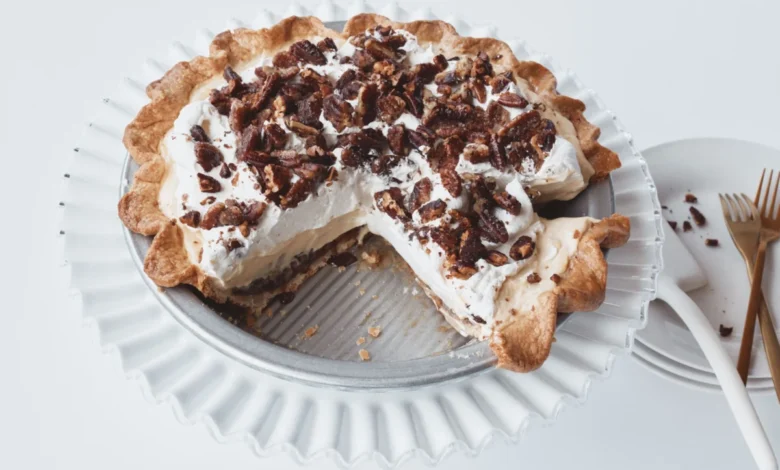
The Thanksgiving holiday, a fixture of the North American calendar, has historically centered on the savory centerpiece of the roasted turkey and its accompanying sides. However, culinary analysis of recent holiday trends indicates a significant shift in consumer behavior toward the dessert course. No longer treated as an afterthought to the primary meal, the dessert spread has become a focal point of culinary preparation, requiring sophisticated logistical planning, especially as households contend with limited oven capacity and the physical fatigue associated with the day’s earlier festivities.
The Chronology of the Thanksgiving Culinary Event
The modern Thanksgiving dinner schedule typically follows a rigid temporal structure. Historically, the primary meal is served in the mid-to-late afternoon, leaving a distinct gap between the conclusion of the main course and the serving of desserts. This temporal separation has birthed a cultural phenomenon—the "disco nap"—a brief period of rest necessitated by the significant caloric intake of the main meal.
From a culinary management perspective, the timeline of the day is dictated by the occupancy of the oven. Because the turkey often requires hours of roasting, the dessert course must be curated to accommodate these constraints. Professional pastry chefs and domestic experts alike now advocate for a "split-service" model. This involves preparing items that either do not require oven space or can be finished well in advance, allowing for a seamless transition into the second act of the evening.
Supporting Data and Market Trends
Recent market data from the culinary sector suggests that while traditional staples remain dominant, there is a measurable uptick in the diversification of dessert tables. According to industry surveys, pumpkin pie remains the primary choice for 36% of American households, followed by pecan pie at 27% and apple pie at 20%. However, the data also highlights a growing interest in "fusion" desserts and non-traditional options.
The "just a bite" demographic—consumers who prefer smaller portions—has driven a 15% increase in the production of seasonal cookies and bite-sized pastries. Furthermore, the rise in popularity of no-bake desserts, such as chocolate mousse and pumpkin chiffon, aligns with data showing that 42% of home cooks report "oven anxiety" or logistical stress when coordinating multiple courses during the holiday. By utilizing refrigerator space rather than the oven, hosts can mitigate the risk of timing errors during the preparation of the main course.

The Strategic Shift: Beyond the Classic Pie
The expansion of the dessert menu is not merely a matter of personal preference but a reflection of evolving dietary habits and the influence of global dessert trends. The inclusion of items like the pumpkin Basque cheesecake—a departure from the dense, custard-heavy traditional pumpkin pie—demonstrates a consumer preference for lighter textures and diverse flavor profiles.
Caramel cake, a Southern staple, has seen a resurgence in popularity across broader regions, often appearing alongside more contemporary additions like artisanal chocolate mousses. These additions serve a functional purpose: they offer varied textures—the creaminess of mousse versus the crunch of a cookie or the structure of a cake—which enhances the overall dining experience. Nutritional experts note that by providing a variety of sugar-delivery vehicles, hosts can better accommodate the varied energy levels of guests who have already consumed a high-protein, high-sodium main course.
Official Perspectives and Culinary Logistics
Professional pastry chefs emphasize that successful Thanksgiving dessert planning is fundamentally an exercise in logistics. Chef Elena Rossi, an instructor at the Culinary Institute of America, notes that the success of a holiday spread depends on the "temperature and timing matrix."
"When we look at the holiday dessert table, we are looking at a masterclass in staging," Rossi states. "If you have a turkey in the oven at 350 degrees for four hours, you cannot expect to bake a crust-based pie during the final hour of roasting. The implication is clear: the most successful hosts are those who treat their refrigerator as their primary workstation for the dessert course. Items that require chilling—such as mousses, trifles, or no-bake chiffons—are not just easier; they are the key to a stress-free transition from the savory to the sweet."
This logistical reality has led to a shift in how recipes are indexed and searched. Online recipe platforms report that search traffic for "no-bake desserts" spikes by approximately 210% in the 48 hours leading up to Thanksgiving, signaling that home cooks are actively seeking solutions that bypass the bottleneck of the oven.
Implications of the Dessert "Second Act"
The implications of this shift extend to the economic and social dimensions of the holiday. The increase in the number of dessert items prepared for a single meal contributes to higher grocery expenditure, with holiday food spending estimated to rise by 4% to 6% annually. Furthermore, the emphasis on a robust dessert spread alters the social dynamics of the gathering. By creating a distinct "second act," hosts allow for a reset in the conversation and atmosphere of the event.

The transition from the savory phase to the dessert phase is a strategic maneuver that keeps guests engaged for longer periods. It also serves as a mechanism to address the "Thanksgiving fatigue" that often follows the heavy consumption of carbohydrates and proteins found in traditional sides like stuffing, mashed potatoes, and gravy. By offering lighter, higher-acidity or chilled options, hosts provide a sensory palate cleanser that allows for the enjoyment of the final course.
Fact-Based Analysis of Future Trends
Looking forward, the trend toward diversification is expected to continue. As households become more conscious of dietary restrictions—such as gluten sensitivities or plant-based preferences—the dessert table is likely to become even more specialized. The "classic" pumpkin pie will remain the anchor, but it will increasingly be surrounded by smaller, more experimental offerings.
The move toward "component-based" desserts is also gaining traction. Rather than relying on a single, labor-intensive masterpiece, many hosts are moving toward a modular dessert table. This approach includes a mix of store-bought high-quality components and homemade elements, which allows for maximum variety with minimum strain on the host’s time.
The logistical data confirms that the Thanksgiving dessert table is no longer a static relic of historical tradition. It is a dynamic, evolving space that mirrors the broader trends of convenience, globalized palate, and the necessity of efficient time management. Whether through the cold-set structure of a mousse or the classic architecture of a well-baked pie, the dessert course has cemented its place as the definitive conclusion to the holiday experience. The ability to manage the oven, the refrigerator, and the schedule has become the hallmark of the modern Thanksgiving host, ensuring that the second act is just as anticipated as the first. As these traditions continue to evolve, the emphasis will undoubtedly remain on balancing the heritage of the past with the practical demands of contemporary life.