Curacao: A Comprehensive Guide to the Cultural and Historical Evolution of a Caribbean Hub

The island of Curaçao, a key constituent country of the Kingdom of the Netherlands, serves as a compelling case study of Caribbean history, where colonial legacy, maritime dominance, and a flourishing contemporary art scene converge. Spanning just 171 square miles, the island belies its size through a dense concentration of cultural landmarks and economic institutions that reflect its status as a vital node in Atlantic trade. From the historic fortifications of Willemstad to the sprawling plantation estates of the northern interior, Curaçao offers a narrative of resilience and transformation that spans over five centuries.
Historical Context and Chronological Development
The history of Curaçao is punctuated by significant geopolitical shifts. Before European contact, the island was inhabited by the Caquetío people, an Arawak-speaking group who migrated from the South American mainland. In 1499, the Spanish expedition led by Alonso de Ojeda claimed the island. However, the most profound influence on the island’s current infrastructure began in 1634, when the Dutch West India Company seized control.
The Dutch recognized the island’s strategic value, specifically its natural deep-water harbor, the Schottegat. By the 18th century, Curaçao had transformed into a primary hub for the Atlantic slave trade and a center for regional commerce. The timeline of this evolution is as follows:
- 1499: Spanish arrival; the island is named Curaçao.
- 1634: The Dutch West India Company occupies the island, establishing a commercial base.
- 17th–18th Century: The island becomes a central point for the Dutch slave trade and a free port for international merchants.
- 1863: The abolition of slavery in Dutch colonies, leading to a fundamental shift in the island’s socio-economic structure.
- 1915: The discovery of oil and the subsequent establishment of the Isla refinery mark the island’s transition into a modern industrial economy.
- 2010: Curaçao gains status as a constituent country within the Kingdom of the Netherlands.
Maritime Heritage as an Economic Pillar
The Curaçao Maritime Museum, located in the Scharloo district, provides a rigorous documentation of this history. Housed in a 17th-century building, the museum catalogs the technological and economic milestones that allowed the island to punch above its weight in global trade.
Data from the Curaçao Ports Authority confirms that the harbor remains the island’s economic backbone. The Schottegat harbor is one of the largest natural ports in the Caribbean, capable of accommodating massive cruise liners and tankers. The museum exhibits—featuring original nautical charts and navigational equipment—underscore how the island’s geographical position effectively bridged the gap between European colonial powers and South American markets. Analysis of these historical trends suggests that Curaçao’s enduring success is rooted in its ability to adapt its port infrastructure to meet the changing demands of global logistics, from the Age of Sail to the era of oil refining and modern tourism.
The Evolution of the Plantation Economy: The Savonet Museum
To understand the social stratification of the island, visitors often look to the Savonet Museum, situated at the entrance of Christoffel National Park. The museum occupies a plantation house dating back to 1662, offering a stark look at the colonial plantation system.
The site is significant not only for its architectural preservation but for its role in education regarding the post-emancipation period. By tracing the lineage of the island’s inhabitants—from the Caquetío to enslaved Africans and eventually to the post-emancipation workforce—the museum highlights the complex social evolution of the region. Experts in Caribbean history note that the preservation of such sites is crucial for understanding the labor dynamics that shaped the island’s demographics. The museum provides an objective look at the transition from an agrarian, slave-dependent economy to the industrialization of the 20th century.
Cultural Resurgence: The Otrobanda Art Movement
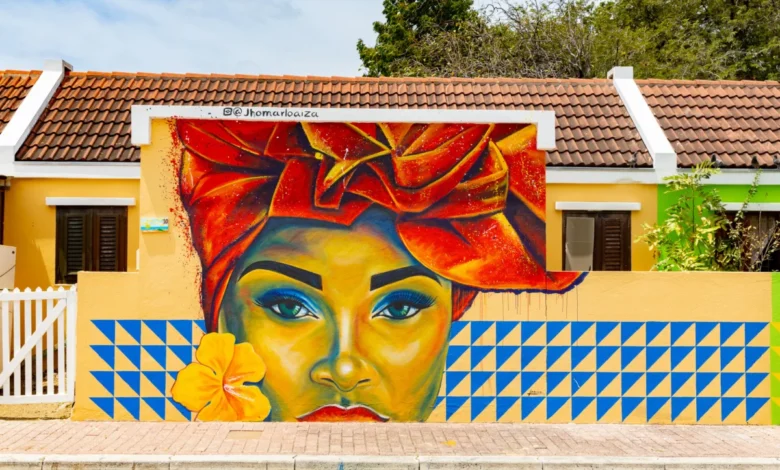
In the district of Otrobanda, the focus shifts from history to contemporary socio-cultural expression. Once a secondary residential area for the working class, Otrobanda has emerged as the creative epicenter of Willemstad. The transformation is characterized by a high density of murals and street art, much of which serves as a commentary on the island’s identity.
Artists such as Avantia Damberg have been instrumental in this movement, using urban spaces to facilitate dialogue. The "Kaya Kaya" street festival, held bi-annually, represents a concerted effort by local business owners and cultural advocates—such as those at the Bario Hotel + Bar—to revitalize the neighborhood. Statistical analysis of urban renewal projects in the Caribbean suggests that such arts-led initiatives are vital for economic diversification, as they create a "multiplier effect," drawing tourism to previously under-invested districts.
Landscape and Contemporary Art: The Blue Bay Sculpture Garden
The intersection of environment and art is best observed at the Blue Bay Sculpture Garden, located within the Blue Bay Golf & Beach Resort. This open-air exhibition, which began in 2017, features over 40 works by 29 artists. The garden utilizes local materials to reflect the island’s geological and cultural composition.
The inclusion of works by artists such as Yubi Kirindongo and Giovanni Abath highlights a conscious effort to integrate indigenous art forms with contemporary design. Unlike traditional galleries, the sculpture garden serves as an environmental installation, allowing the natural landscape of Boca Samí to act as a backdrop for artistic discourse. The scale of this project suggests a long-term commitment by the private sector to fostering local talent, providing a platform for artists to reach international audiences visiting the resort.
Socio-Economic Implications and Future Outlook
The synthesis of history, maritime industry, and the arts points to a strategic shift in Curaçao’s developmental goals. By leveraging its heritage, the island is moving toward a more sustainable model of tourism that emphasizes "cultural capital."
Official reactions from local tourism boards and cultural ministries suggest that the preservation of historical institutions, such as the Maritime Museum and the Savonet estate, is not merely an act of remembrance but a component of economic sustainability. These institutions serve as buffers against the volatility of the global tourism market by providing unique, educational experiences that cannot be replicated by neighboring islands.
Furthermore, the integration of art into the urban fabric of Willemstad acts as a catalyst for community development. The revitalization of Otrobanda, for instance, has demonstrated that cultural investment can lead to increased property value, small business growth, and social cohesion. As Curaçao continues to navigate its role within the modern global economy, the evidence suggests that the continued support of these educational and artistic pillars will remain essential to maintaining the island’s distinct identity and economic stability. By bridging its colonial past with a vibrant, modern creative future, Curaçao positions itself as a destination that offers far more than traditional coastal leisure.