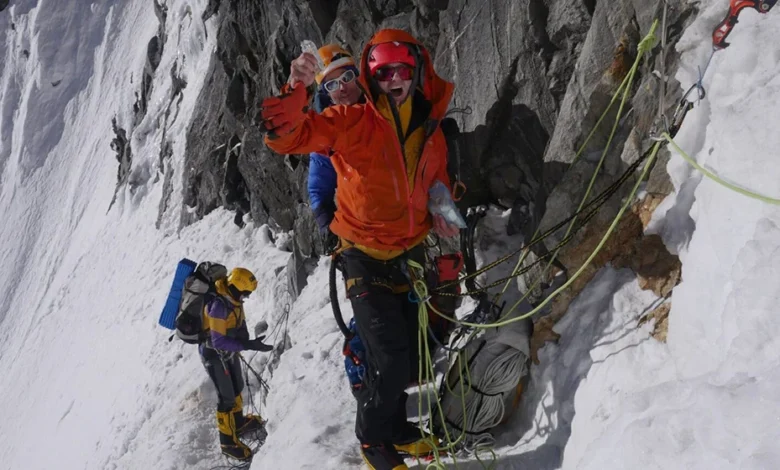
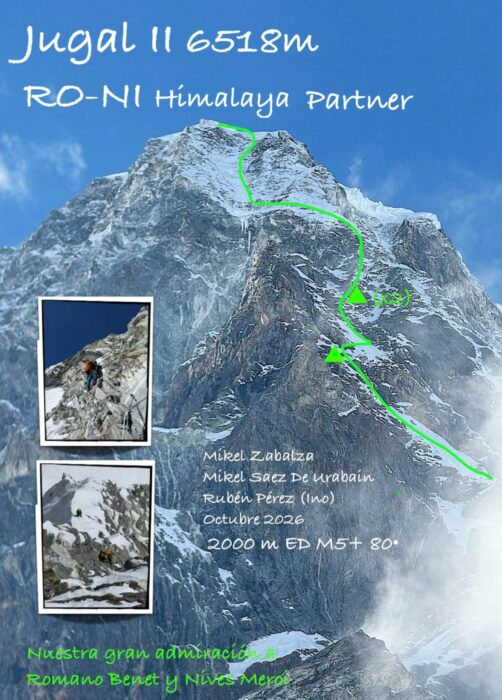
The mountaineering community is celebrating a landmark achievement in the Himalayas as a Spanish expedition team successfully completed the first ascent of Jugal II, a formidable 6,518-meter peak situated on the border between Nepal and Tibet. The team, composed of Mikel Zabalza, Ruben Perez, and Mikel Saez de Urabain, reached the summit on October 29 after executing a grueling alpine-style climb up the mountain’s east-southeast face. This accomplishment marks a significant milestone for high-altitude mountaineering, as Jugal II has remained a coveted, unclimbed objective since the Nepalese government officially opened the region to foreign climbing expeditions in 2023.
The Anatomy of the Ascent
The expedition was the culmination of months of rigorous planning and strategic analysis. The Spanish team arrived in the region with a clear objective, having studied topographical data and satellite imagery to map a viable line up the technical face. Their approach was defined by the principles of "alpine style"—a minimalist, fast-moving, and self-sufficient method of climbing that eschews fixed ropes, high-altitude porters, and established supply camps in favor of agility and endurance.
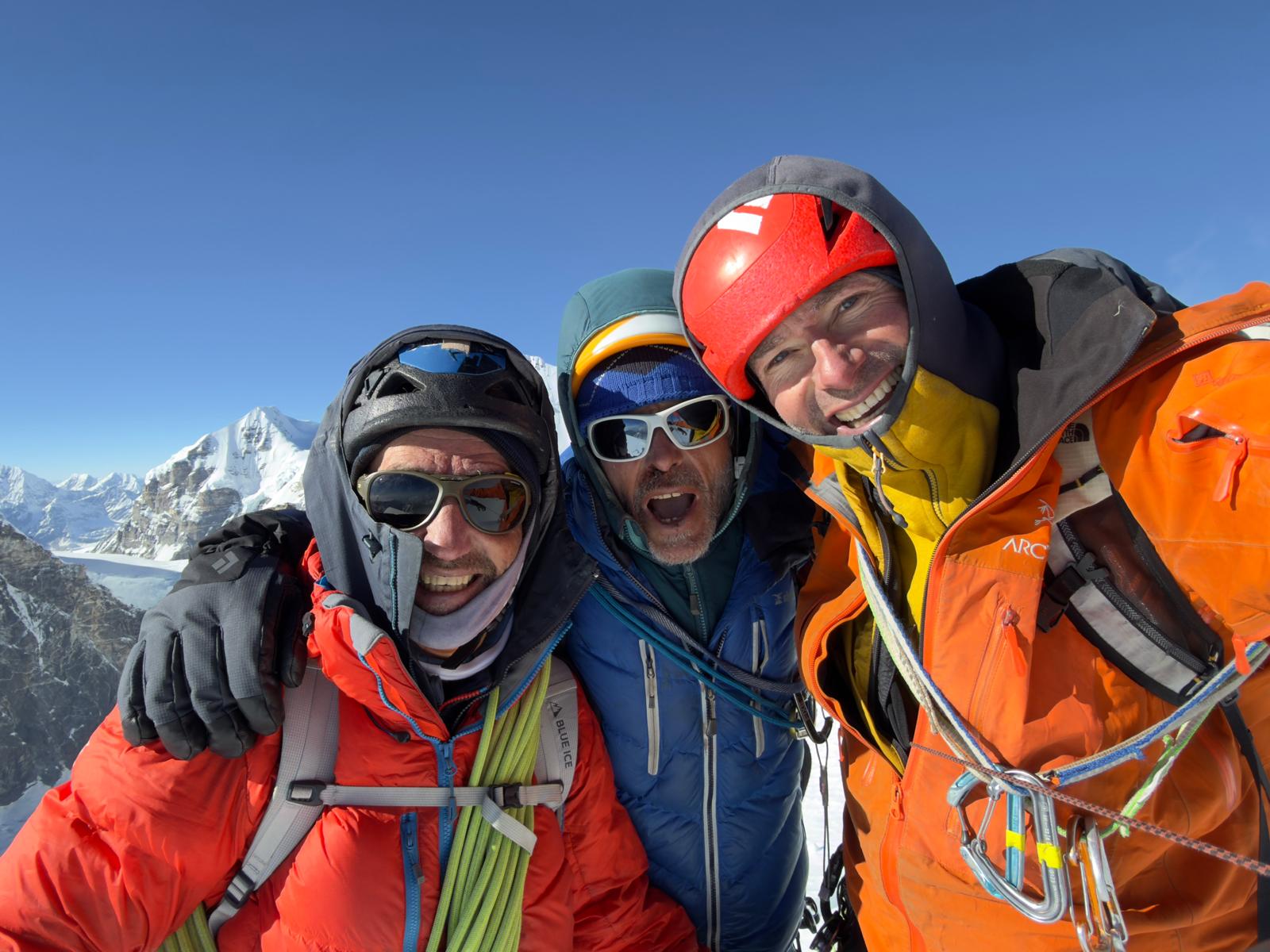
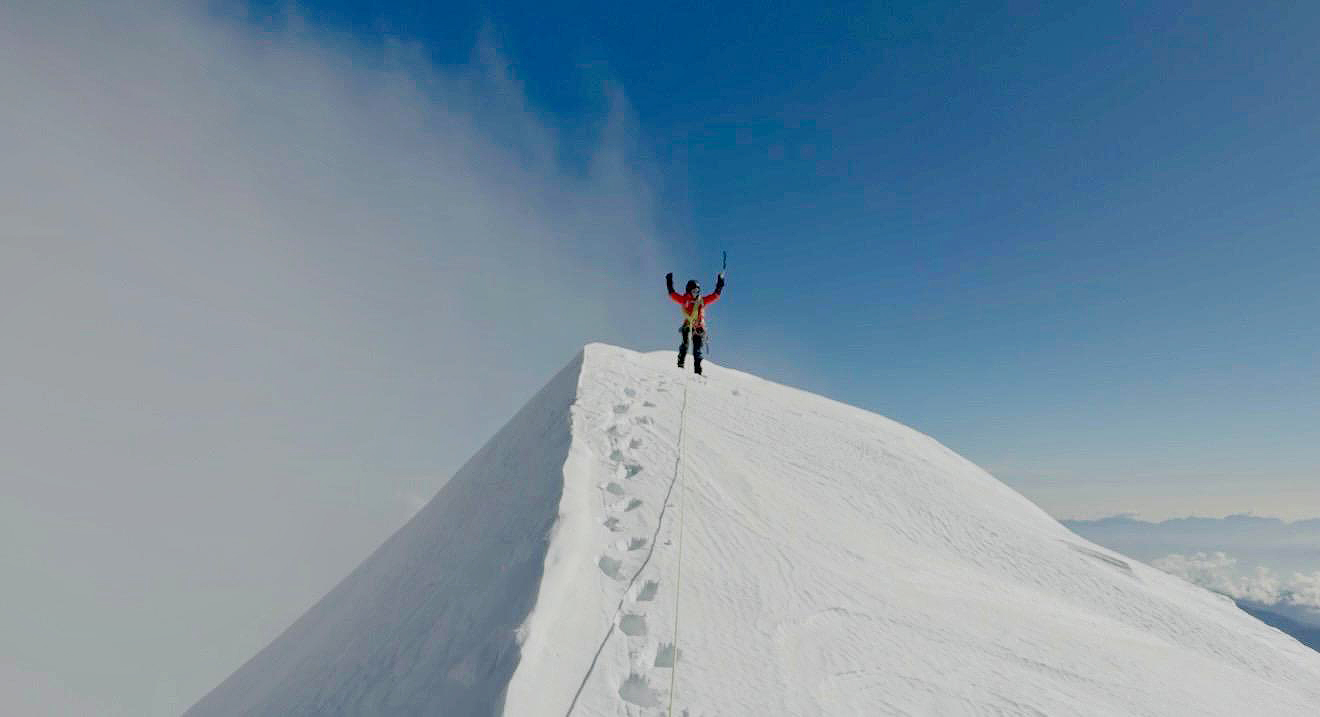
According to Mikel Zabalza, the final push to the summit was characterized by extreme technical demands. The route’s most daunting sections were encountered in the upper reaches of the mountain, where the climbers faced steep, unstable mixed terrain. "From the upper bivouac, the climb goes on pretty vertical mixed terrain, with sections of poor-quality rock," Zabalza noted. He described the ascent as sustained M5 climbing—a technical grade indicating significant vertical rock and ice work—with several sections exceeding that difficulty level. Upon reaching an elevation of 6,450 meters, the terrain transitioned into a 55 to 60-degree snow slope, which required precise footwork and steady nerves before the team finally stood on the summit at 4:00 pm local time.
The descent and the ascent were punctuated by three precarious bivouacs. Because the mountain’s profile offered virtually no natural ledges, the climbers were forced to rely on a specialized fabric tarp system to carve out and extend small, temporary platforms for sleeping. These overnight stays were critical to their success, allowing the team to maintain the energy levels required to navigate the high-consequence terrain.
An Unlikely Alliance
The success of the Spanish expedition was marked by a rare moment of camaraderie in the high-stakes world of elite mountaineering. While the Spaniards were targeting Jugal II as their primary goal, the legendary Italian alpinists Nives Meroi and Romano Benet were also present on the mountain. For the Italians, Jugal II was a "Plan B" contingency. Their original expedition target, Tilicho Peak in the Annapurna region, had become inaccessible due to devastating flooding that destroyed local infrastructure and access routes earlier in the season.
The Italian team, which had initially included Slovenian climber Tine Cuder, faced significant setbacks even before reaching the base of the wall. Cuder was forced to withdraw from the expedition due to unforeseen health complications, leaving the pair to attempt the massive face with reduced manpower. Unlike the Spaniards, who had spent months analyzing the route, Meroi and Benet approached the mountain with a more improvisational spirit.
When the two groups encountered one another, they chose to join forces for the summit push rather than compete. This collaboration proved invaluable, as the combined expertise of the veteran climbers helped navigate the highly unstable snow ramps that characterized the mid-section of the climb. However, the lack of specific equipment—notably the specialized bivouac gear utilized by the Spanish team—eventually dictated the Italians’ outcome. Recognizing the risks of an exposed, ledge-less bivouac, Meroi and Benet made the difficult, professional decision to turn back, prioritizing safety over the summit.
Technical Challenges and Environmental Factors
The Himalayan climbing season of 2026 has been defined by complex weather patterns, and the Jugal II expedition was no exception. The team reported clear skies during their summit day, but the atmosphere was marked by extreme cold and high evening humidity, which increased the risk of frostbite and equipment failure.
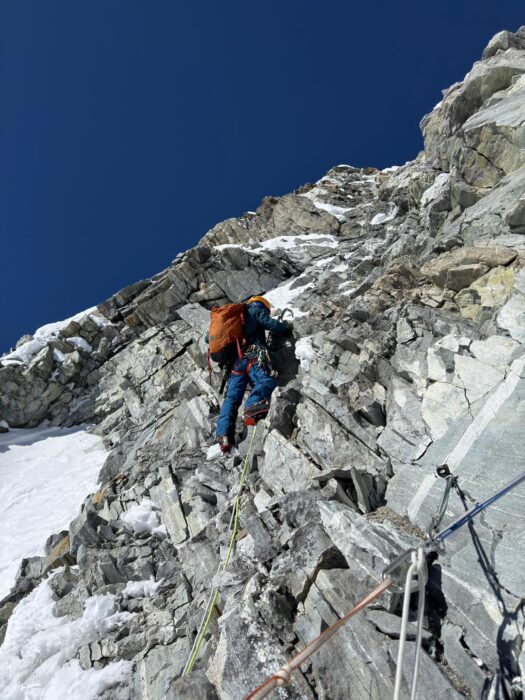
The geological composition of the Jugal Himal range presents unique challenges. Unlike the more stable granite or limestone found in other parts of the range, the rock quality on Jugal II is notoriously inconsistent. The combination of friable rock and steep ice creates a high probability of rockfall, particularly as solar radiation affects the face during the day. The Spanish team’s success in navigating these conditions is a testament to their proficiency in mixed-climbing techniques, where the ability to interpret subtle changes in rock and ice density is a matter of survival.
Implications for Himalayan Mountaineering
The first ascent of Jugal II serves as a case study for the evolution of modern mountaineering. Since the opening of the Jugal Himal region in 2023, the area has seen increased interest from technical climbers looking for "virgin" territory. Unlike the crowded standard routes on 8,000-meter peaks, these lower, more technical peaks offer a different kind of prestige—the chance to establish new routes on mountains that have never seen a human footprint.
Industry experts suggest that the successful ascent by Zabalza’s team will likely trigger a surge in interest for the Jugal region. However, the logistical difficulties highlighted by the Italian team’s struggle—specifically the impact of climate-driven flooding on infrastructure—serve as a reminder that the Himalayan environment is becoming increasingly unpredictable. The ability to pivot, as the Italians did, and the necessity of advanced, lightweight equipment, as demonstrated by the Spaniards, will define the next generation of Himalayan exploration.
Reflections on the Experience
Returning to Kathmandu, both teams emphasized that the significance of the expedition extended far beyond the summit coordinates. In a sport often characterized by individual pursuit, the cooperation between the Spanish and Italian teams is being hailed as a highlight of the season.
"Nives and Romano are exceptional people," Zabalza remarked during a press briefing in the Nepalese capital. His sentiments were echoed by Romano Benet, who noted that while the goal was not fully achieved for his team, the experience of collaborating on such a remote and challenging wall was a highlight of his career. "We are back from the mountain with new experiences and ideas but, most of all, with three new fantastic friends with whom, hopefully, we will share more adventures in the future," Benet stated.
The expedition concludes with the Spanish team having successfully navigated the logistical, technical, and environmental hurdles of one of Nepal’s most mysterious peaks. Their achievement, captured in video logs and route topographies, will now serve as the reference point for all future attempts on the mountain. As the mountaineering world looks forward, the legacy of this 2026 expedition will be defined not just by the successful conquest of a 6,518-meter summit, but by the spirit of cooperation and professional judgment displayed by those who dared to attempt it.