Turtle Island: A Study in Sustainable Luxury and Community-Driven Hospitality in Fiji

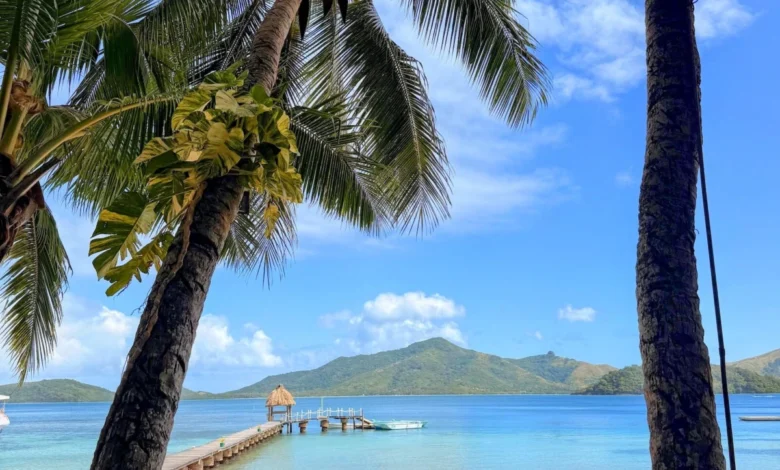
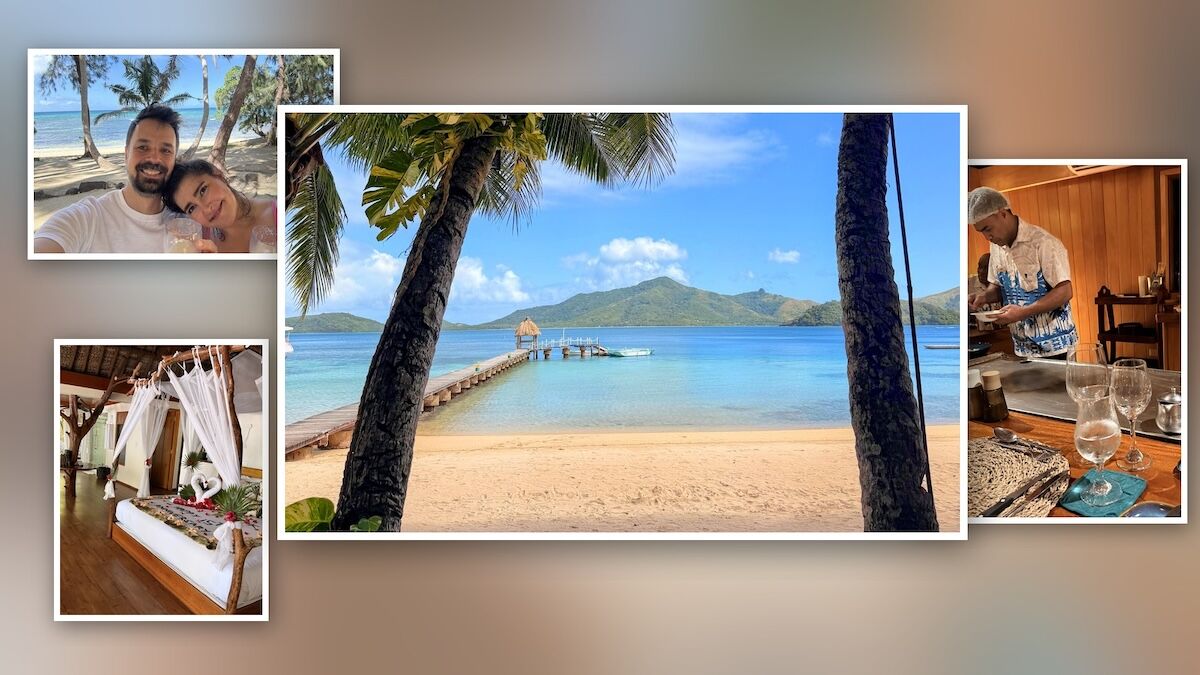
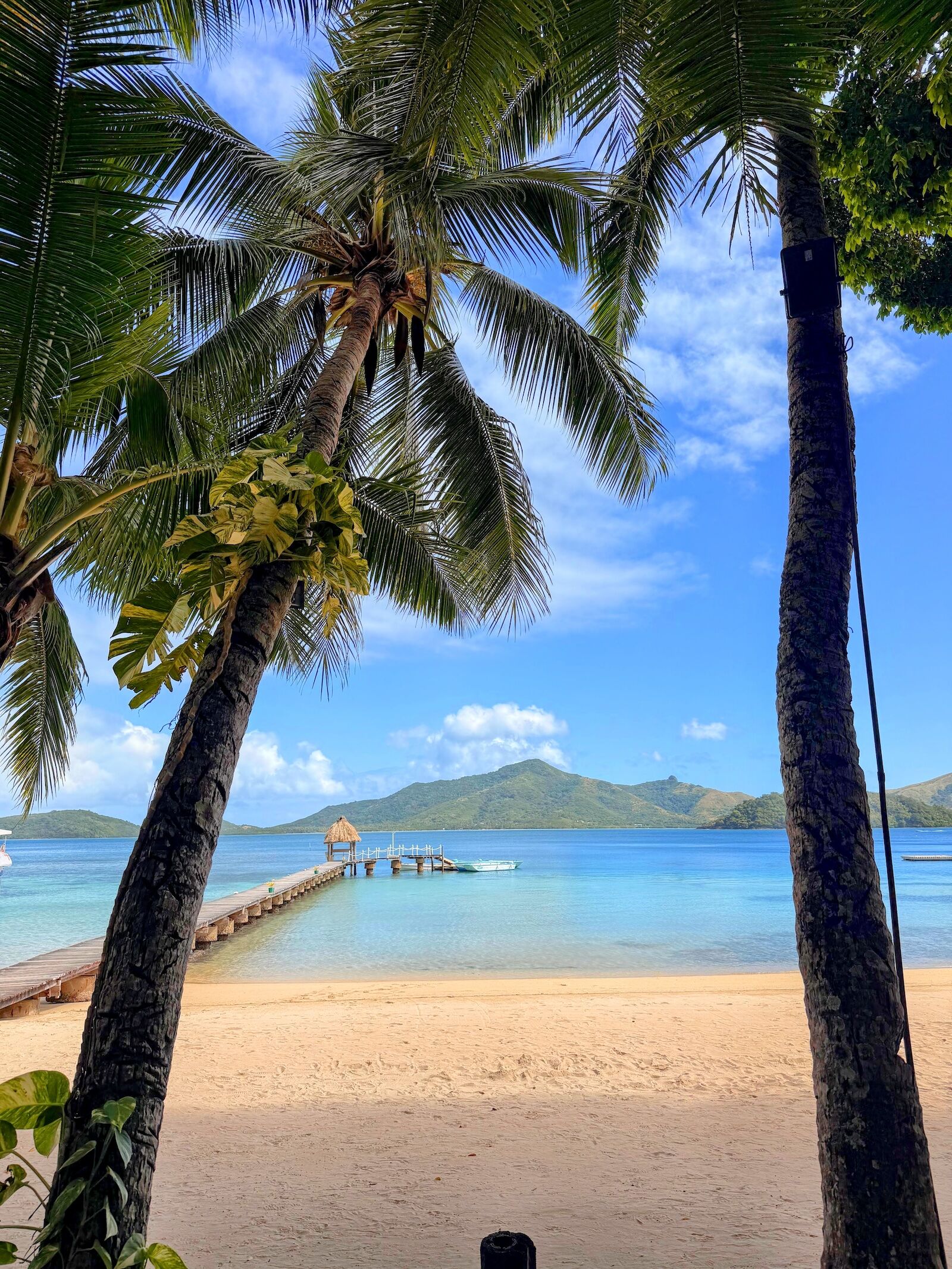
The arrival at Turtle Island, located within Fiji’s Yasawa archipelago, begins not with the standard formalities of international check-in, but with a 30-minute seaplane flight from Nadi, offering a low-altitude perspective of the crystalline South Pacific. Upon landing, guests are greeted by staff members who wade into the shallows, singing traditional Fijian songs—a ceremonial welcome that sets the tone for an immersion into local culture. This 500-acre private island, which accommodates a strict limit of 14 couples, represents a unique model in the high-end travel industry, blending exclusive luxury with communal, village-style living.
The Evolution of a Cinematic Retreat
The history of Turtle Island is inextricably linked to the 1980 film The Blue Lagoon. Richard Evanson, an American entrepreneur, acquired the island in 1972. Following the production of the film, which utilized the island’s pristine beaches as a primary location, the structures built to house the cast and crew were repurposed into guest suites. This transition marked the birth of Turtle Island as a boutique, couples-only resort.
For over four decades, the resort has maintained a specific operational philosophy: it remains closed to general tourism, reserving its capacity for 14 couples, with the exception of two designated "family weeks" per year, typically scheduled in June and December. This exclusivity is a deliberate strategic choice, intended to foster a sense of intimacy and community that is often lost in larger, high-density resorts. The resort’s longevity is evidenced by a high rate of guest retention; approximately 60 percent of visitors return, with some couples revisiting decades later to commemorate milestones.
Sustainable Infrastructure and Self-Sufficiency
Turtle Island’s commitment to self-sufficiency serves as a primary operational pillar. The island functions as a closed-loop system, minimizing reliance on external supply chains. According to current operational data, approximately 80 percent of the produce consumed by guests and staff is cultivated on-site. The agricultural operations include a five-acre vegetable garden consisting of 150 beds, supplemented by local aquaculture and livestock management.
The resort’s dedication to sustainability was tested during the global supply chain disruptions caused by the COVID-19 pandemic. During this period, when commercial shipping to the Yasawa chain ceased, the island’s management established a floating grocery service, utilizing their own logistics network to ensure that neighboring villages remained stocked with essential supplies. This initiative underscored the symbiotic relationship between the resort and the surrounding local communities, most of whose residents are employed by the island.
The infrastructure includes:
- On-site production of butter, fruit juices, and artisanal sea salt harvested from the surrounding lagoon.
- A waste-management protocol that emphasizes zero-waste principles.
- The use of traditional architectural methods, such as the bure (a traditional Fijian hut), which utilizes local materials to maintain natural cooling and structural integrity.
Cultural Integration and the Role of the Bure Mama
Central to the guest experience is the concept of the bure mama—a dedicated staff member assigned to each couple. This role serves as a concierge, cultural liaison, and logistics coordinator. The bure mama manages daily itineraries, laundry services, and special requests, acting as a bridge between the resort’s operational requirements and the guests’ personal needs.
Cultural education is not a supplementary activity but a mandatory component of the stay. Guests are invited to participate in nightly kava ceremonies—a traditional practice involving the consumption of a beverage made from the Piper methysticum root—which serves as a social equalizer. By sitting on the floor with staff members ranging from cooks to engineers, guests move beyond the role of "tourist" into the role of "visitor," experiencing the social structures of the Fijian people.
Educational programming includes:
- The Lovo: A traditional cooking method involving an earth oven where food is slow-cooked over volcanic stones, preserving the nutritional profile and flavor intensity of the ingredients.
- Meke: A traditional dance form that serves as a living history, conveying the legends and narratives of the Yasawa people through rhythmic movement and song.
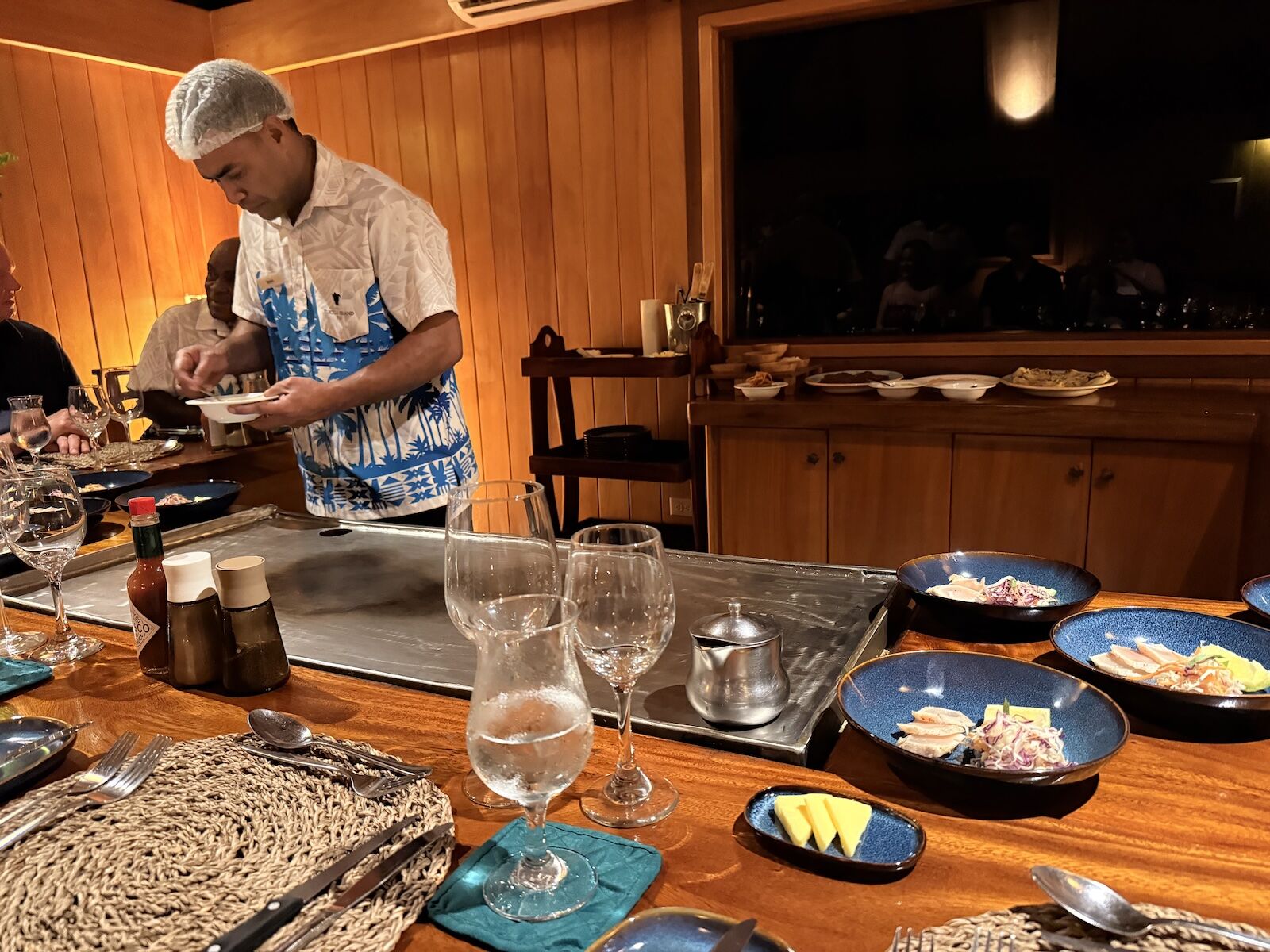
- Artisanal Workshops: Guests receive instruction in weaving and traditional food preparation, such as kokoda (Fijian ceviche).
The Economics of Communal Luxury
While the resort offers privacy—such as the ability to reserve isolated beaches for private picnics or dining on floating docks—the core experience is explicitly communal. Meals are served family-style, encouraging interaction between the 14 couples. This design choice is intentional, intended to facilitate social bonding in an era of increasing digital isolation.
From a sociological perspective, the resort’s model demonstrates the "third space" theory, where individuals feel comfortable enough to relax outside of their home or workplace. By integrating staff and guests into a single social unit, the resort effectively dismantles the traditional service hierarchy.
Industry analysts note that this approach represents a shift in luxury travel. Modern high-net-worth travelers are increasingly moving away from "sterile" luxury—characterized by anonymity and detachment—toward "transformative" luxury, which emphasizes human connection, sustainability, and authenticity. Turtle Island’s ability to maintain a 60 percent return rate serves as a key performance indicator (KPI) that validates this model.
Legacy and Future Outlook
The longevity of the guest experience is highlighted by the stories of those who return years later. For example, guests who visited the island decades ago often find that the landscape has remained preserved, and in some cases, the physical mementos they left behind—such as marked stones—remain part of the island’s topography.
As the resort looks toward the future, the emphasis remains on the "legacy" aspect of the stay. Before departing, guests are encouraged to plant a tree or a hibiscus bush. This act of reforestation serves a dual purpose: it contributes to the island’s ecological health and provides a symbolic tether that encourages future return visits to monitor the growth of the flora.
The implications for the broader hospitality sector are significant. As climate change continues to impact island nations, the resilience of Turtle Island’s self-sufficient model provides a blueprint for other remote properties. By prioritizing local employment, sustainable agricultural output, and the preservation of indigenous cultural practices, the resort has secured its position as a viable, long-term player in the luxury market.
Ultimately, Turtle Island is less a hotel and more an experiment in intentional living. By enforcing a strict cap on capacity and mandating cultural participation, it avoids the pitfalls of over-tourism that plague other parts of the South Pacific. The result is an operation that functions less like a business transaction and more like a curated community, setting a standard for how remote private islands can achieve both commercial success and social responsibility.
Related posts: