Uncovering the Unexpected Trails of Cyprus: A Mediterranean Island Transformation from Resort Haven to Premier Hiking Destination

Cyprus has long held a reputation in the global tourism market as a quintessential Mediterranean sun-and-sand escape, heavily defined by its sprawling coastal resorts, crystal-clear waters, and a vibrant nightlife centered around cities like Ayia Napa and Paphos. However, a shifting travel paradigm is redirecting outdoor enthusiasts away from the crowded beaches and toward the island’s remarkably diverse interior and protected coastlines. Recent travel data and exploratory itineraries highlight Cyprus as a premier, year-round hiking destination, boasting a rich mosaic of geological formations, endemic flora, and microclimates that range from rugged coastal cliffs to snow-dusted mountain peaks.
This transformation in traveler perception is driven largely by the island’s unique geographic positioning at the crossroads of Europe, Asia, and Africa. Historically recognized for its millennia of classical antiquity, Byzantine heritage, and complex geopolitical division, Cyprus is increasingly drawing active travelers seeking to merge cultural exploration with rigorous outdoor pursuits. By utilizing national parks and well-maintained trail networks, visitors can experience the island’s authentic landscapes while bypassing the densely commercialized tourist hubs.
Topography and Diversity: A Geological Marvel
Despite its relatively compact size, Cyprus packs an extraordinary amount of topographical variation into its borders. The island’s landscape is anchored by two distinct mountain ranges—the rugged Troodos Mountains dominating the interior and the linear Kyrenia Range along the northern coast—flanked by fertile plains and deeply indented coastal peninsulas.
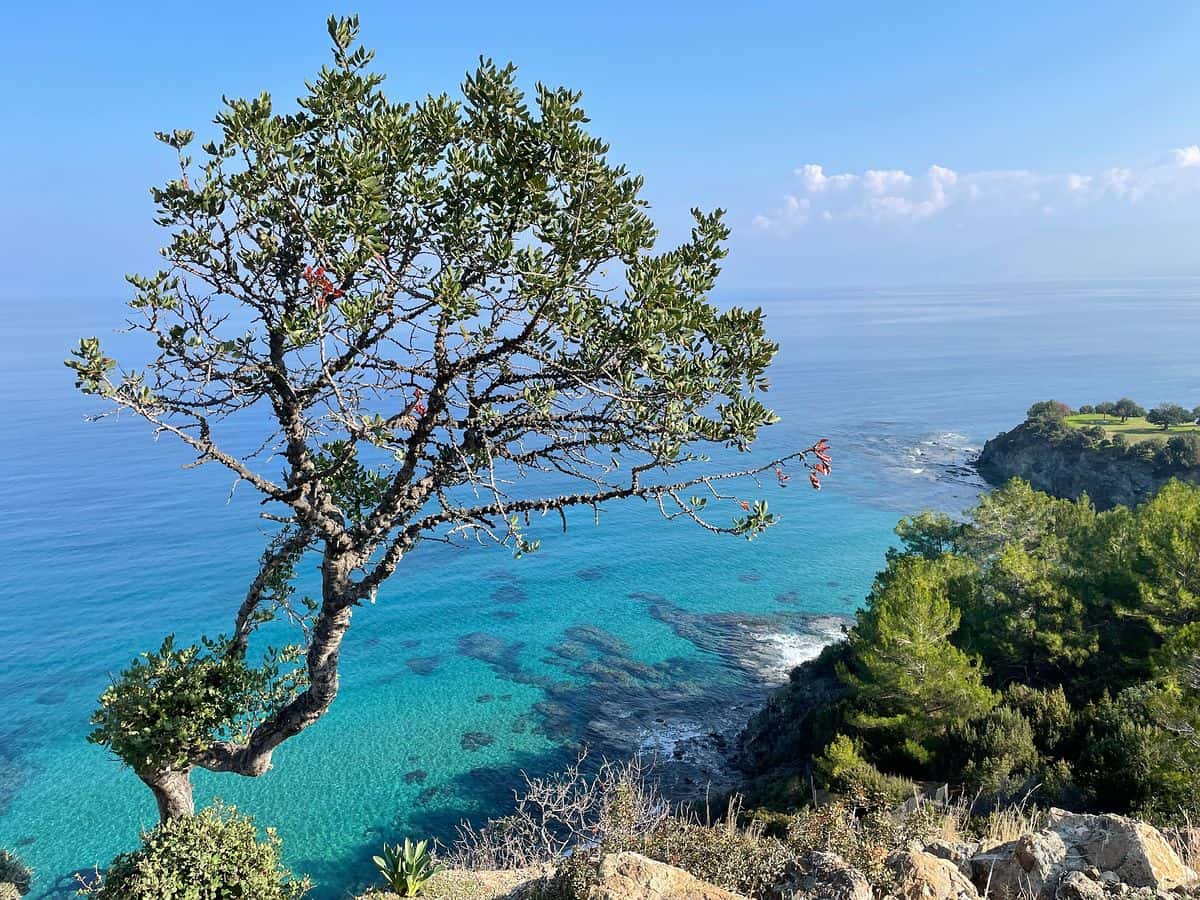
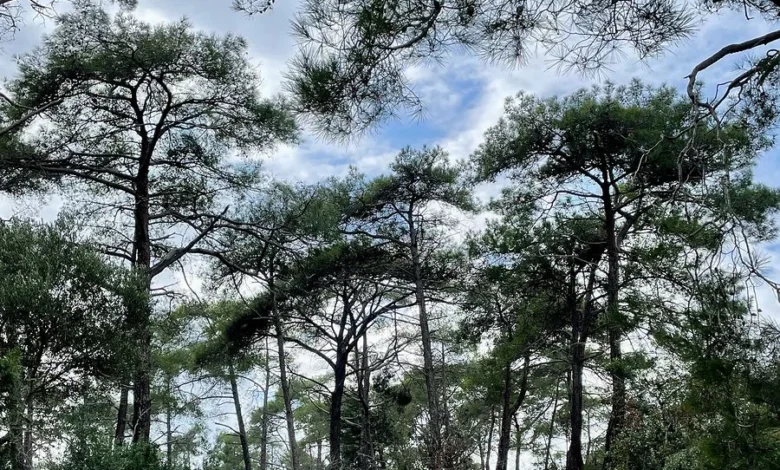
Geologically, the island is renowned for the Troodos Ophiolite, a massive slab of oceanic crust that was lifted millions of years ago, offering geologists and hikers a rare window into the earth’s mantle. This geological history underpins a rich ecosystem characterized by old-growth forests of Calabrian pine, black pine, endemic Cyprus cedars, and ancient, gnarly juniper trees. Furthermore, the island’s climate provides an extended outdoor season, making it particularly attractive to European travelers seeking mild weather during the continent’s harsh winter months.
Chronology of an Active Itinerary: A One-Week Trekking Blueprint
For travelers aiming to experience the breadth of the island’s natural offerings, a structured one-week itinerary serves as an optimal framework. Rather than anchoring a vacation in a single resort town, travel planners recommend a decentralized approach, utilizing regional hubs to access distinct ecological zones.
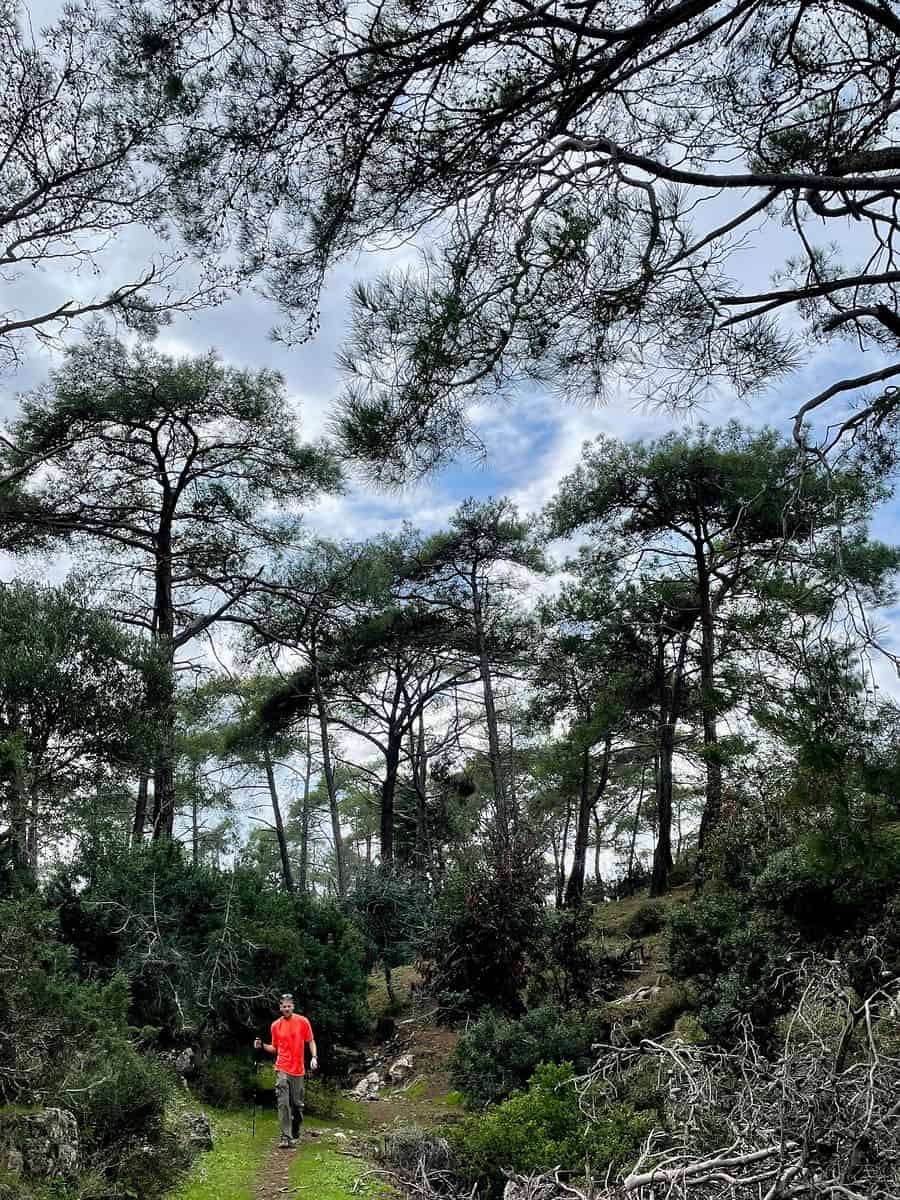
Phase 1: Northwestern Coastal Exploration (Akamas Peninsula)
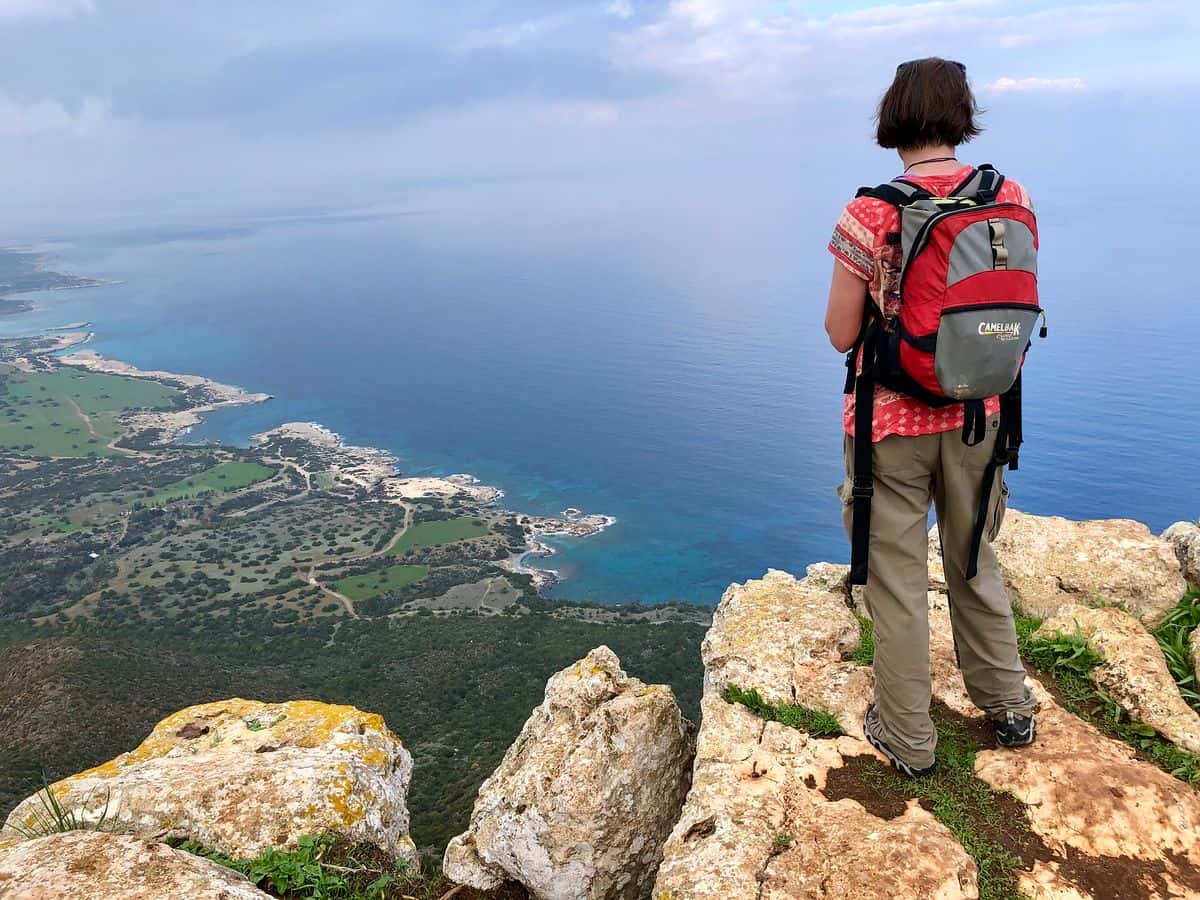
The journey traditionally begins in the northwest, near the Akamas Forest and the town of Polis or Paphos. Here, the Aphrodite Loop—extended via the Adonis trail—offers roughly 11.5 kilometers of coastal cliffs, botanical gardens, and forested ridges. Traversing this route clockwise in the early morning hours provides optimal lighting conditions and dramatic vistas over Cape Arnoutis.
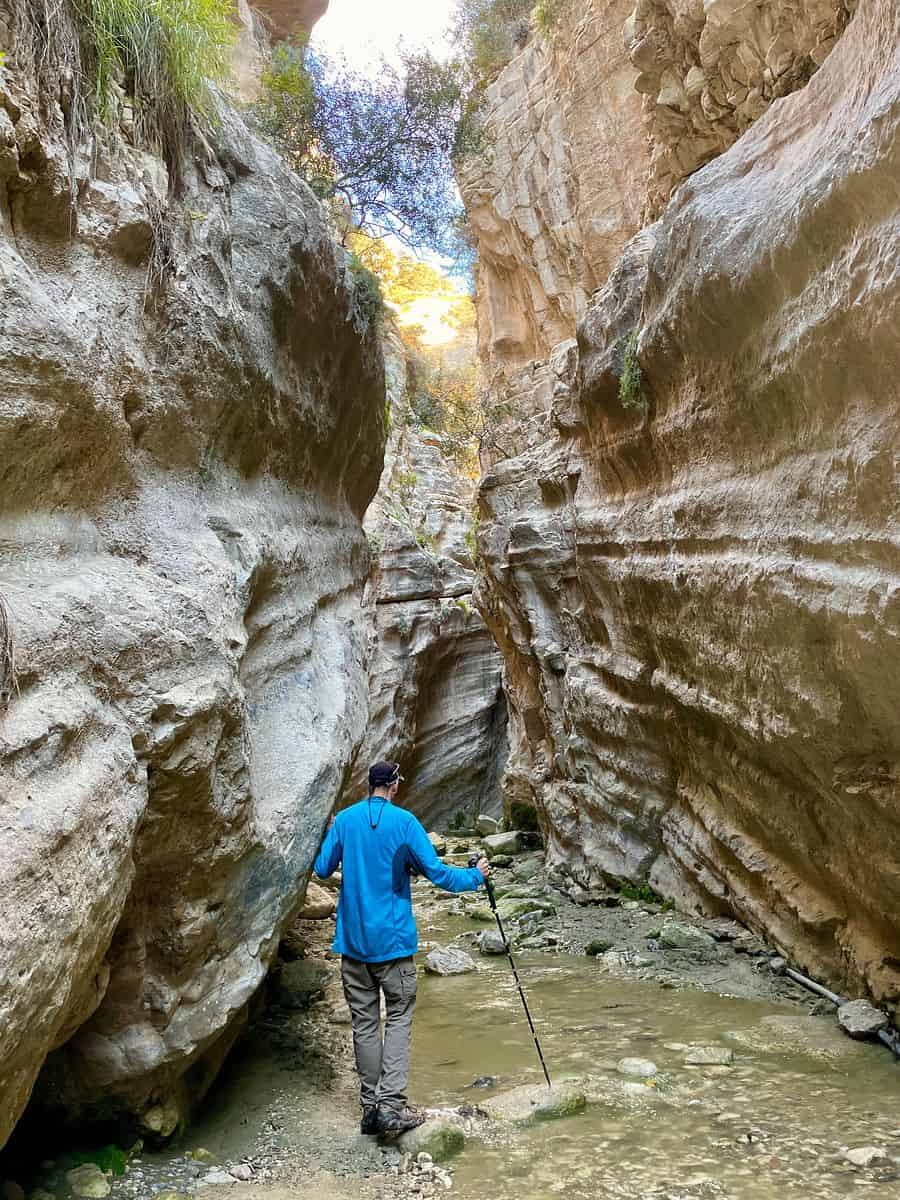
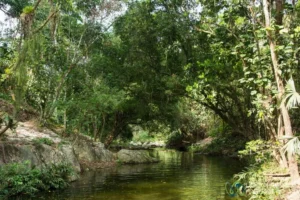
Adjacent to the peninsula lies the Avakas Gorge, one of the island’s most visually arresting and physically demanding natural features. Carved by centuries of water flow through limestone, the gorge challenges hikers with bouldering, narrow passageways, and stream crossings. Navigating the full length of the gorge and returning via the Peyia State Forest rim trail provides a safer, more panoramic descent that spares hikers’ joints from the return trip over slippery river rocks.
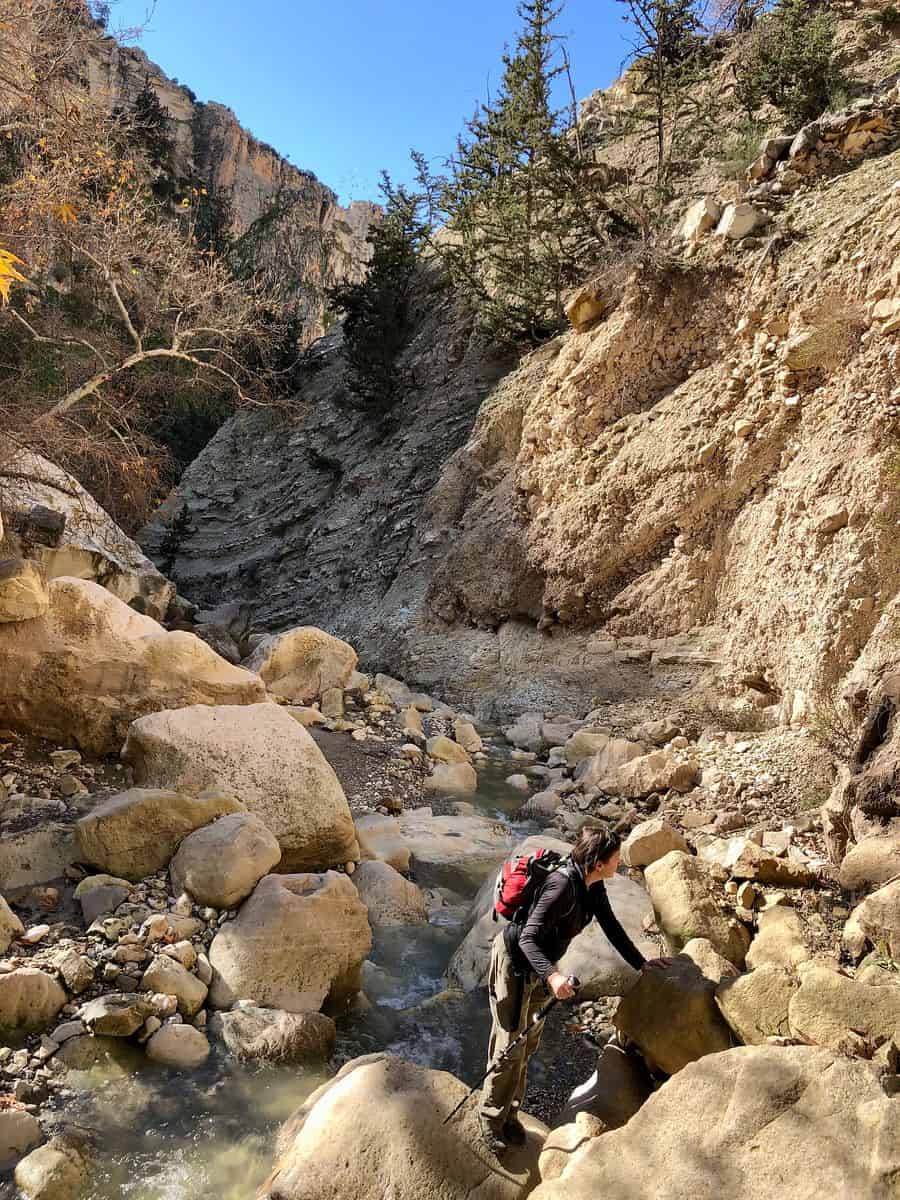
Phase 2: Interior Ascent (The Troodos Mountains)
Shifting away from the Mediterranean coastline, the itinerary moves inland toward the heart of the island. Rising to nearly 2,000 meters at Mount Olympus, the Troodos Mountains challenge the misconception that Cyprus is entirely a sea-level destination.

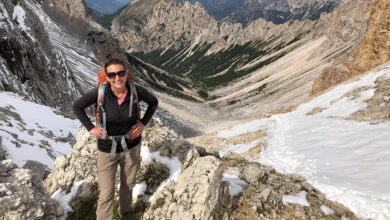
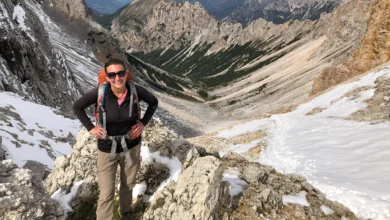
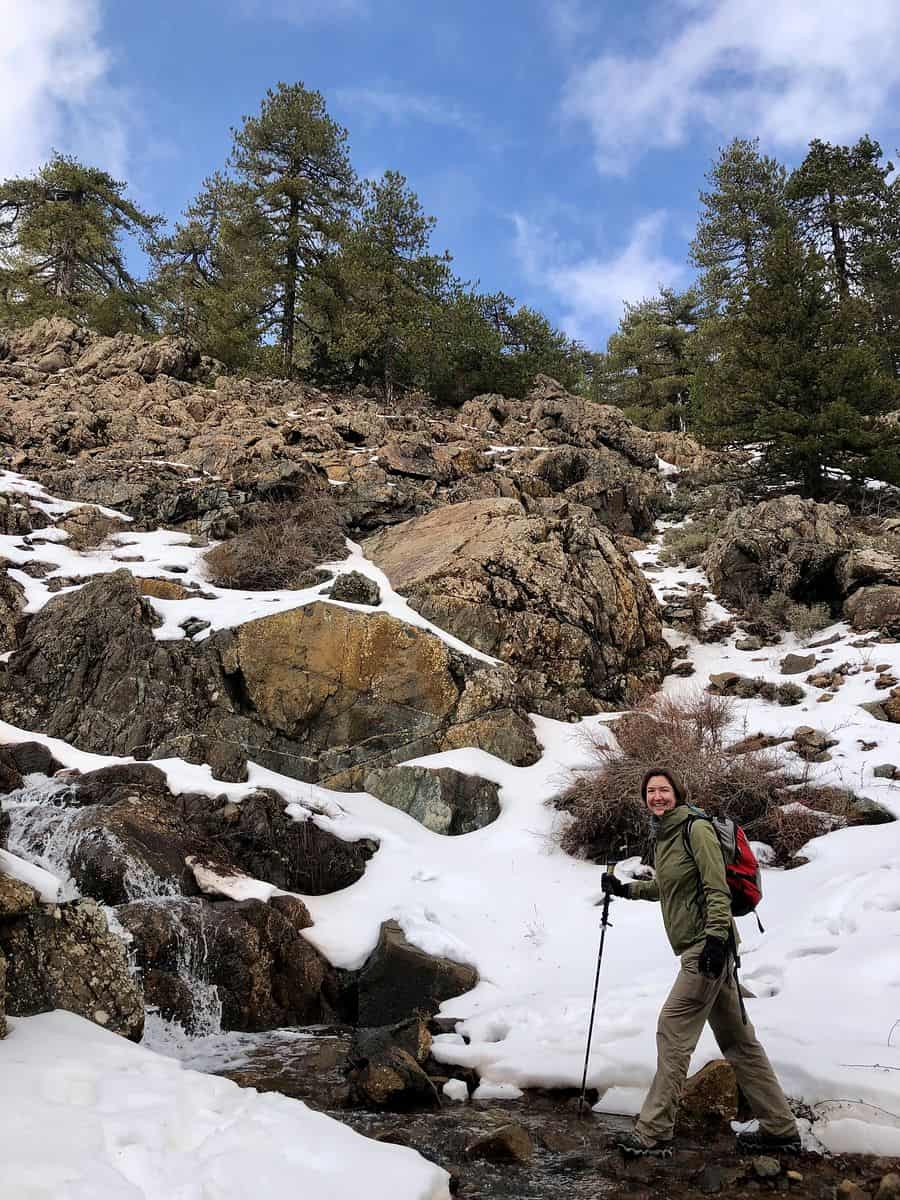
During the winter months, particularly late December and early January, these highlands frequently receive substantial snowfall, transforming the landscape into a winter sports zone complete with operational ski lifts. The Atalante Trail, an 8-kilometer loop circling Mount Olympus, offers hikers an alpine experience complete with snow-covered pine forests, rare endemic flora, and sweeping views stretching toward the western coast. Experts strongly advise specialized gear, including waterproof layers and trekking poles, to navigate winter trail conditions safely.

Phase 3: Eastern Maritime Vistas (Cape Greco)
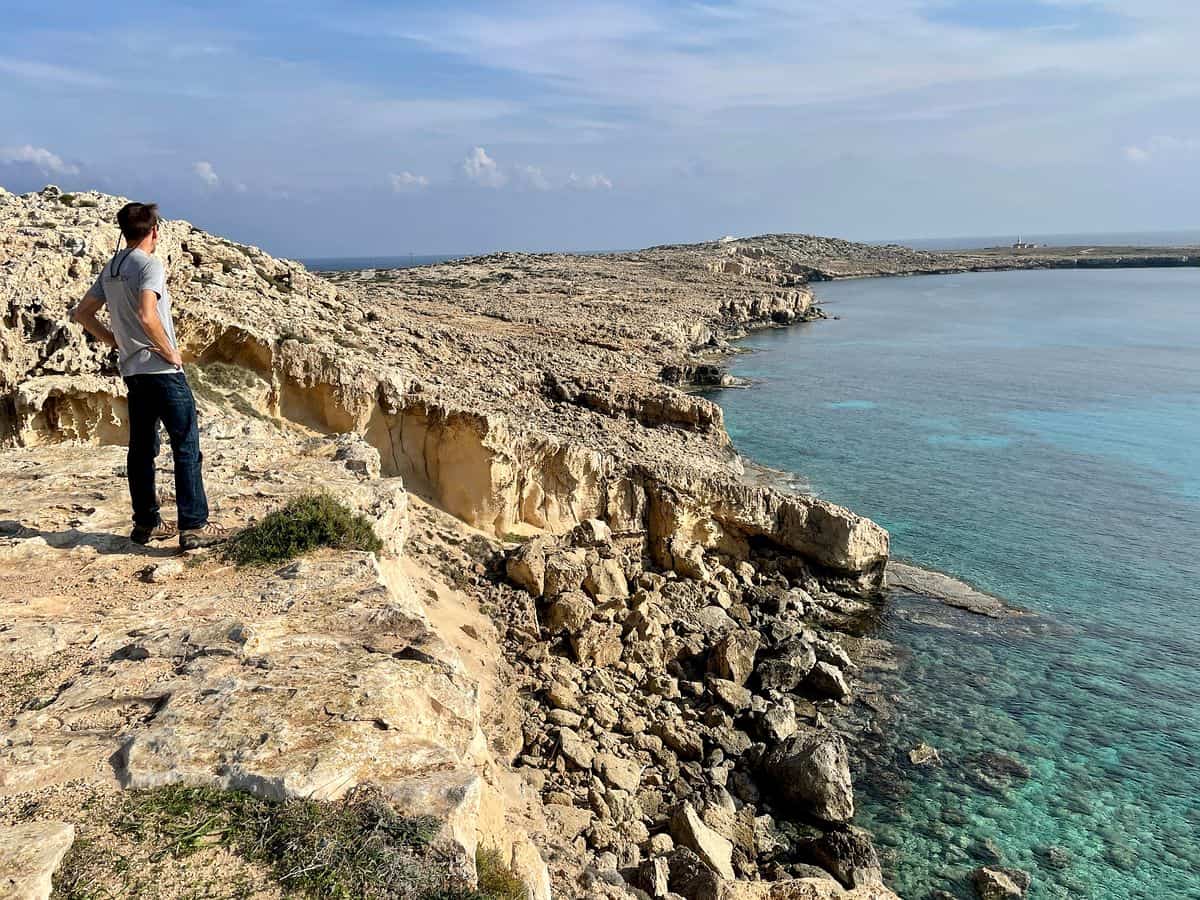
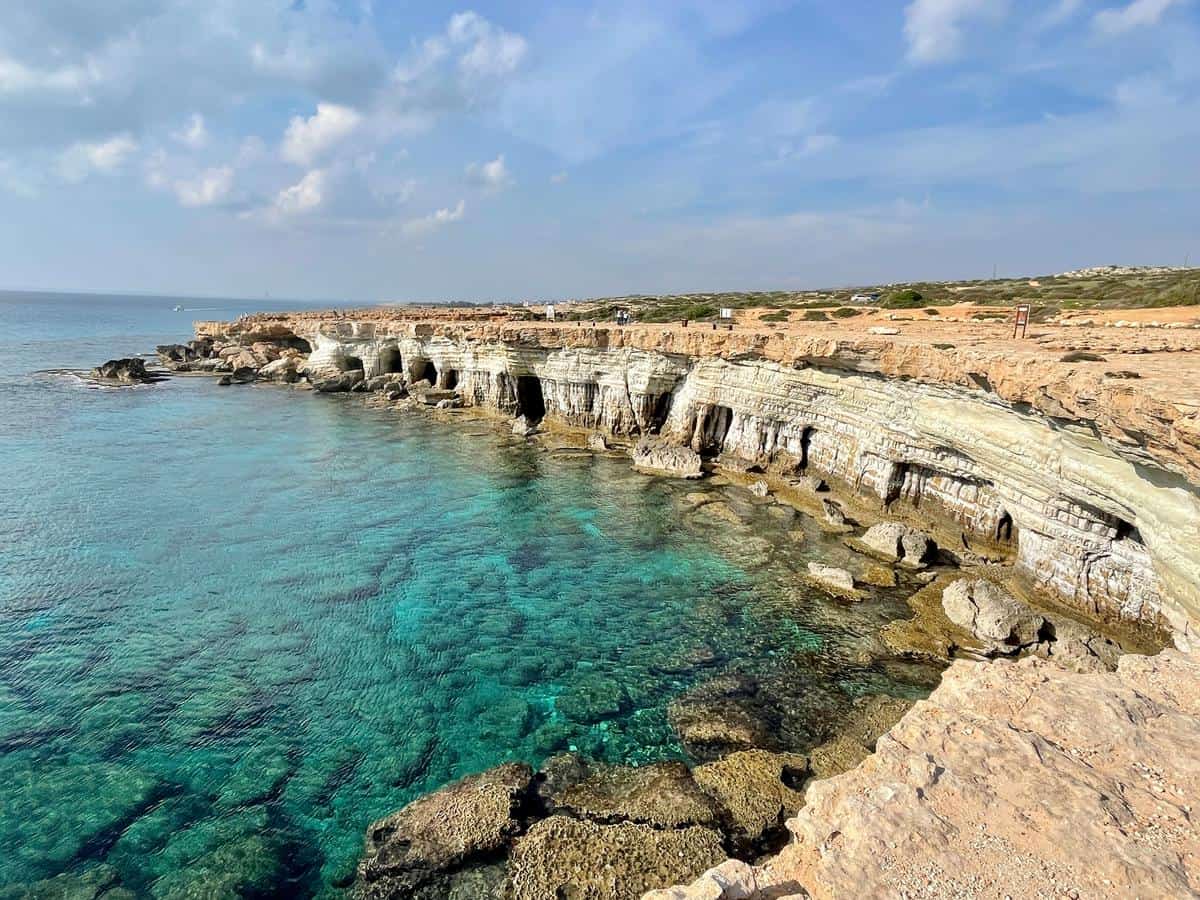
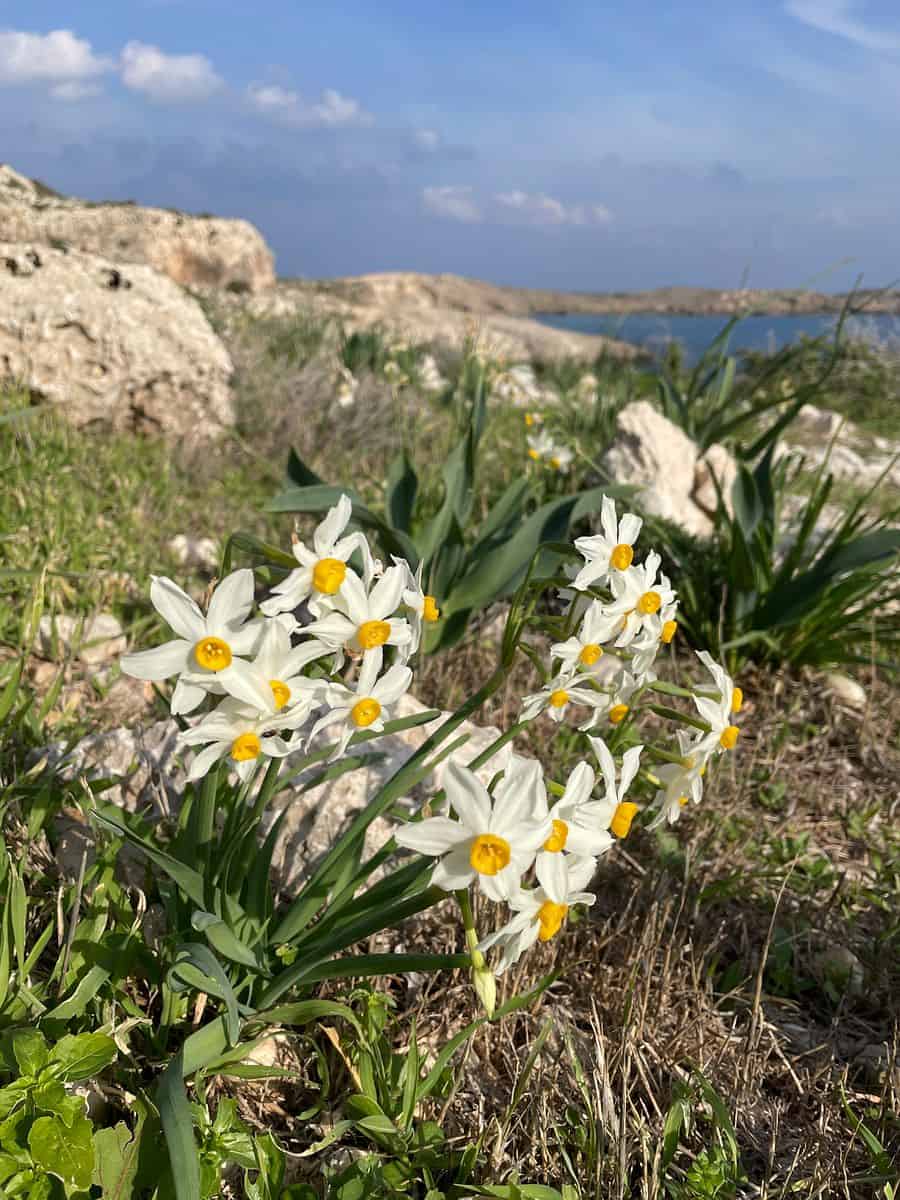
The final leg of an active island traverse typically targets the southeastern extremity at Cape Greco National Forest Park. Unlike the dense forests of the Troodos or the deep canyons of Avakas, Cape Greco presents a dramatic marine landscape characterized by wind-carved sea caves, sandstone arches, and the brilliant turquoise waters of the Blue Lagoon. A coastal trek from the sea caves past the Ayioi Anargyroi Chapel to Konnos Beach delivers a blend of desert-like flora, blooming winter daffodils, and accessible coastal geology.
Practical Logistics: Transportation and Seasonal Timing
Successfully executing a hiking-focused itinerary in Cyprus requires careful planning regarding transportation and seasonal weather windows.

Tourists and travel analysts overwhelmingly recommend renting a vehicle. A car provides the necessary flexibility to adapt to the island’s notoriously changeable winter weather, allowing travelers to pivot between mountain and coastal routes on short notice. Furthermore, because Cyprus drives on the left-hand side of the road—a legacy of British colonial administration—visitors from countries with similar driving systems adapt quickly, while others require a brief adjustment period. Car rental rates remain competitive, and free parking is widely available at major trailheads, minimizing logistical friction.
Timing is critical when scheduling a visit:

- Winter (December–February): Offers daytime coastal temperatures in the mid-to-high 60s Fahrenheit (18–22°C) and the unique possibility of skiing in the Troodos Mountains, though occasional rainfall requires schedule flexibility.
- Spring (March–Early May): Widely regarded by locals as the peak hiking season. Temperatures are moderate, summer crowds have not yet arrived, and the landscape bursts into color with a profusion of blossoming wildflowers.
- Autumn (November): Provides a pleasant transition period where the intense heat of the summer has subsided, but winter precipitation has not yet commenced.
- Summer (June–September): Generally discouraged for intensive hiking due to intense solar radiation and sustained temperatures exceeding 90°F (30°C), which significantly elevate the risk of heat exhaustion on exposed trails.
Economic and Tourism Implications
The rising popularity of hiking tourism in Cyprus represents a strategic diversification for the nation’s broader hospitality sector. Historically dependent on mass-market summer beach tourism, the Cypriot economy stands to benefit significantly from extending the tourism season into the shoulder and winter months.
Agritourism initiatives in mountain villages such as Troodos, Platres, and those within the Laona region are experiencing a resurgence as active travelers seek authentic rural accommodations, local gastronomy, and indigenous wine-tasting experiences. This shift not only distributes tourist revenue away from saturated coastal strips and into economically isolated interior communities, but it also incentivizes stronger environmental conservation policies. As foot traffic increases along fragile ecosystems like the Akamas Peninsula and Cape Greco, local authorities face heightened pressure to balance recreational access with rigorous trail preservation and waste management protocols.

Ultimately, viewing Cyprus through the lens of its trail networks reframes the Mediterranean island not merely as a seasonal resort playground, but as a dynamic geological and cultural landscape capable of satisfying the demands of the modern, active traveler.
Related posts: