Inspiring Inclusion in Global Tourism: Why Empowering Women is Essential for the Industry’s Future

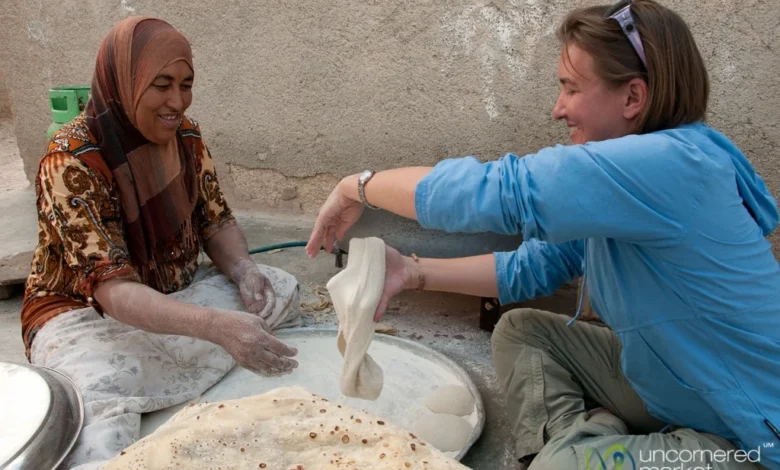
The modern global tourism sector stands at a critical juncture regarding gender equity, economic opportunity, and structural inclusion. As the international community continues to evaluate progress toward gender equality, the 2024 International Women’s Day theme—Inspire Inclusion—has served as a vital catalyst for introspection across industries. This year’s mandate calls on corporations, governments, and local communities to actively break down barriers, dismantle persistent stereotypes, and cultivate environments where women from all backgrounds and nationalities are valued, respected, and afforded equitable pathways to success. While substantial strides have been made over the decades, a significant gap remains between the high volume of female participation in the tourism workforce and the limited access women have to leadership, decision-making, and wealth-generation roles.
Examining the Main Facts of Global Tourism Employment
To understand the current landscape of gender parity in travel, one must examine the baseline employment data within the sector. According to pre-pandemic benchmarks established by the World Travel & Tourism Council (WTTC) in 2019, women accounted for approximately 54 percent of the global tourism workforce. At first glance, this figure portrays an industry that is inherently accessible and equitable, offering vast employment opportunities to women across various demographics.
However, a deeper investigation conducted by the United Nations World Tourism Organization (UNWTO) reveals a more complex and stratified reality. The vast majority of female tourism workers are concentrated in the lowest-skilled, lowest-paying, and least secure positions. These roles often reside within the informal economy, leaving female workers highly vulnerable to economic shocks, displacement, and sudden job loss—a vulnerability starkly exposed during the COVID-19 pandemic. Furthermore, data indicates that only 19 to 25 percent of leadership and C-suite executive positions within travel and tourism enterprises are held by women. This disconnect highlights that while women are heavily relied upon to sustain the daily operations of the tourism sector, they are systematically underrepresented in corporate boardrooms, managerial positions, and strategic ownership roles.
Chronology and Evolution of the Women in Tourism Movement
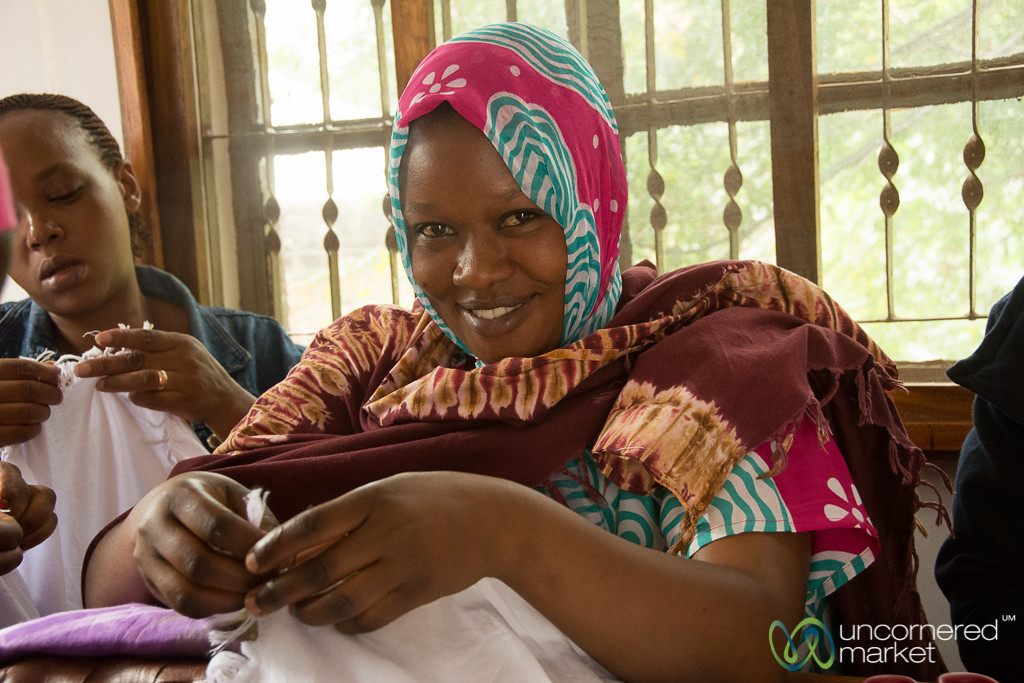
The movement to integrate gender equality into sustainable travel practices has evolved significantly over the past two decades, transitioning from a marginalized topic of corporate social responsibility to a central pillar of industry resilience.
During the early 2000s, sustainable tourism discussions primarily focused on environmental conservation, carbon footprint reduction, and community-based conservation initiatives. Human rights and labor standards within tourism largely centered on fair wages for local communities broadly, without specific metrics for gender parity.
By the 2010s, international development agencies and microfinance institutions began highlighting the multiplier effect of female economic empowerment. Organizations such as Kiva and UN Women published extensive longitudinal data proving that investments in women yield significantly higher community-level returns than investments directed elsewhere. This research filtered into the travel sector, prompting progressive tour operators, non-governmental organizations (NGOs), and social enterprises to design targeted programs. Initiatives like Moshi Mamas in Tanzania and the Zikra Initiative in Jordan emerged during this period, establishing models that combined vocational training, business skills development, and market access for female artisans and entrepreneurs.
Entering the 2020s, the global pandemic devastated the tourism industry, disproportionately impacting female workers due to their heavy concentration in hospitality, food service, and informal tourism sectors. In response, global advocacy groups, including Women in Travel and various UNWTO task forces, intensified calls for structural reform. The focus shifted from merely hiring women into entry-level positions to intentional mentorship, executive leadership training, and entrepreneurial funding. By 2024, the UN International Women’s Day theme of Inspire Inclusion provided a unified global framework for travel enterprises to audit their internal policies, supply chains, and leadership pipelines.
Supporting Data and Economic Implications
The argument for advancing women in tourism extends far beyond moral imperatives; it is fundamentally rooted in economic intelligence and sound business strategy. Extensive macroeconomic research demonstrates a clear correlation between gender diversity and organizational profitability. According to comprehensive, multi-year studies by McKinsey & Company, companies that exhibit high levels of gender diversity—particularly within executive teams—frequently outperform competitors that lack diverse leadership. Diverse management teams foster varied perspectives, enhance collective intelligence, and generate more creative problem-solving capabilities, which are essential in a dynamic, fast-evolving global travel market.

This economic logic is equally compelling on the consumer side of the tourism equation. Industry estimates indicate that women drive between 70 and 80 percent of all consumer travel decisions, encompassing family vacations, solo journeys, and corporate travel bookings. Furthermore, female travelers represent the fastest-growing demographic within the global adventure and cultural tourism segments. Industry analysts suggest that travel companies lacking internal gender diversity are inherently disadvantaged in understanding, anticipating, and effectively catering to the nuanced preferences and safety needs of their primary consumer base.
Moreover, microfinance and developmental data illustrate the profound ripple effects of directing capital toward women. Kiva’s global lending data indicates that female entrepreneurs reinvest approximately 80 percent of their earnings directly into the health, nutrition, and education of their children and extended families. When a woman secures a sustainable livelihood through tourism—whether as an eco-lodge manager, a wildlife guide, or an independent artisan—the financial stability elevates the entire surrounding community.
Official Responses and Industry Perspectives
Industry leaders, social entrepreneurs, and international development advocates have increasingly vocalized the necessity of structural change within tourism.
Alessandra Alonso, founder of Women in Travel, emphasized the foundational nature of economic empowerment during a recent industry panel discussion hosted by G Adventures. Alonso noted that economic independence serves as the genesis for broader societal advancement, explaining that when a woman earns an equitable income, children receive better educational opportunities, families achieve food security, and communities become vastly more resilient.
Local practitioners have echoed these sentiments through lived experiences. Shoshe, a participant in a Tanzanian business training program who gained direct market access for her handmade crafts, articulated the generational impact of these initiatives by expressing her determination to break cyclical poverty and demonstrate to her daughter that women can independently earn and manage capital. Similarly, enterprises such as Chobe Game Lodge in Botswana have challenged traditional industry paradigms by employing all-female guiding teams, proving that operational excellence and gender inclusion are mutually reinforcing.

Broader Impact and Strategic Industry Implications
To achieve genuine equity, the travel and tourism sector must transition from symbolic gestures to measurable, sustained operational changes. This requires a multi-pronged strategy involving stakeholders across the public and private spheres.
First, travel corporations, hotel chains, and tour operators must implement transparent recruitment and promotion pipelines that actively support women moving from entry-level hospitality roles into operational management and executive leadership. Mentorship programs, flexible working policies, and objective performance evaluations are critical tools in dismantling institutional barriers.
Second, tourism operators must consciously audit their supply chains to support women-owned local businesses, cooperatives, and social enterprises. By prioritizing local female artisans, guides, and accommodation providers, tourism dollars can remain within host communities, generating sustainable local economies rather than leaking out to multinational intermediaries.
Third, governments and destination management organizations (DMOs) must enact policies that protect workers in the informal tourism economy. Providing legal frameworks, social safety nets, and formal business registration assistance to female-led micro-enterprises will safeguard the workforce against future global economic shocks and health crises.
Ultimately, if the global tourism industry fully embraces the mandate to Inspire Inclusion, it can redefine its role in the global economy. By inviting women not just to staff the industry, but to take the executive and entrepreneurial driver’s seat, travel can fulfill its highest ideological potential: serving as a powerful engine for cross-cultural understanding, economic equity, and sustainable community development worldwide.