The Invisible Barrier Behind Your Expensive Flight: Understanding Cabotage and the US Airline Market

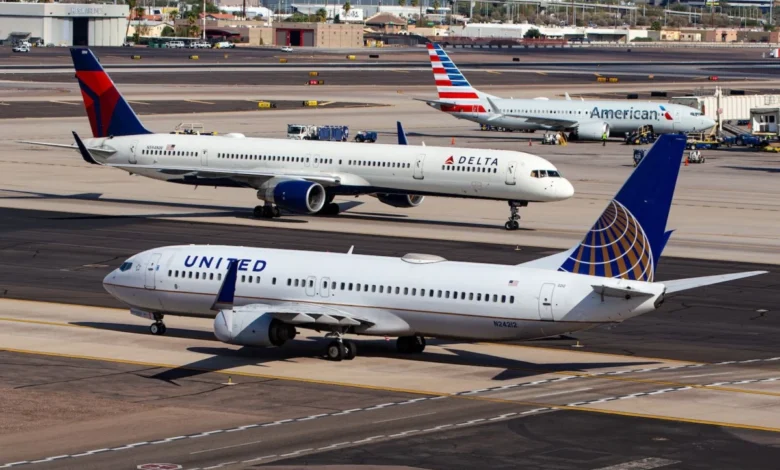
For millions of travelers, the experience of booking a domestic flight in the United States often feels like choosing between a handful of identical, high-priced options. While travelers frequently attribute this to corporate consolidation, there is a deeper, legal mechanism at play that has quietly dictated the structure of American aviation for nearly a century: cabotage. Rooted in maritime history and solidified by post-World War II international treaties, this obscure aviation law effectively creates a walled garden around the US domestic market, shielding American carriers from foreign competition on internal routes.
At its core, cabotage refers to the transportation of goods or passengers between two points within a single country by a transport provider from another country. In the context of aviation, it means that while Emirates can fly a passenger from Dubai to New York, or Lufthansa can connect Frankfurt to Los Angeles, neither is permitted to sell a ticket for a passenger traveling solely between New York and Los Angeles. This restriction ensures that the lucrative domestic market remains the exclusive domain of US-certified airlines.
A Historical Chronology of Protectionism
The origins of cabotage extend far beyond the modern jet age. The term itself is derived from the French word caboter, meaning to sail along the coast, a practice that historically allowed domestic merchants to control regional trade. By the 16th century, France had formalized this into protectionist maritime laws designed to bolster the national merchant marine.
The United States imported this philosophy as its own transportation infrastructure matured. The first major milestone in American aviation law, the Air Commerce Act of 1926, established the foundational framework for federal oversight. Within this document, the US government explicitly stated that "no foreign aircraft shall engage in interstate or intrastate air commerce." This was not merely a safety regulation; it was a deliberate economic barrier intended to foster a domestic industry during its infancy.
Following the devastation of World War II, the global aviation landscape was redefined at the 1944 Chicago Convention. While the convention aimed to create shared rules for international civil aviation, it notably left the issue of cabotage to the discretion of individual sovereign nations. The United States seized this opportunity, and in 1958, formalized these restrictions within the Federal Aviation Act. This legislation, which remains the bedrock of US aviation policy today, effectively codified the exclusion of foreign carriers from domestic transit. Other major economies, including Canada, Australia, India, and China, have adopted similar stances, often viewing aviation as a strategic national asset rather than a purely commercial enterprise.
The Arguments for Protection: Security and Sovereignty
Supporters of the current cabotage laws argue that the airline industry is fundamentally different from other sectors of the economy. They emphasize the role of commercial aviation in national security, pointing to the Civil Reserve Air Fleet (CRAF) program. Under this federal initiative, major US carriers agree to make their aircraft available to the Department of Defense in times of national crisis. In exchange for this logistical backbone, these airlines receive preferential treatment for government contracts and stability in the domestic market.
Labor unions and industry lobbyists further argue that opening the market would lead to "regulatory arbitrage." They contend that foreign carriers, often subsidized by their home governments or operating under lower labor standards, would possess an unfair advantage. By allowing foreign airlines to operate domestic routes, critics of deregulation claim the US would risk a "race to the bottom" in terms of wages and working conditions for the more than 555,000 Americans employed by domestic passenger and cargo airlines as of July 2026. From this perspective, cabotage is a necessary shield that protects American jobs and maintains the viability of a vital domestic infrastructure.
The Case Against the Status Quo: Market Concentration and Service Quality
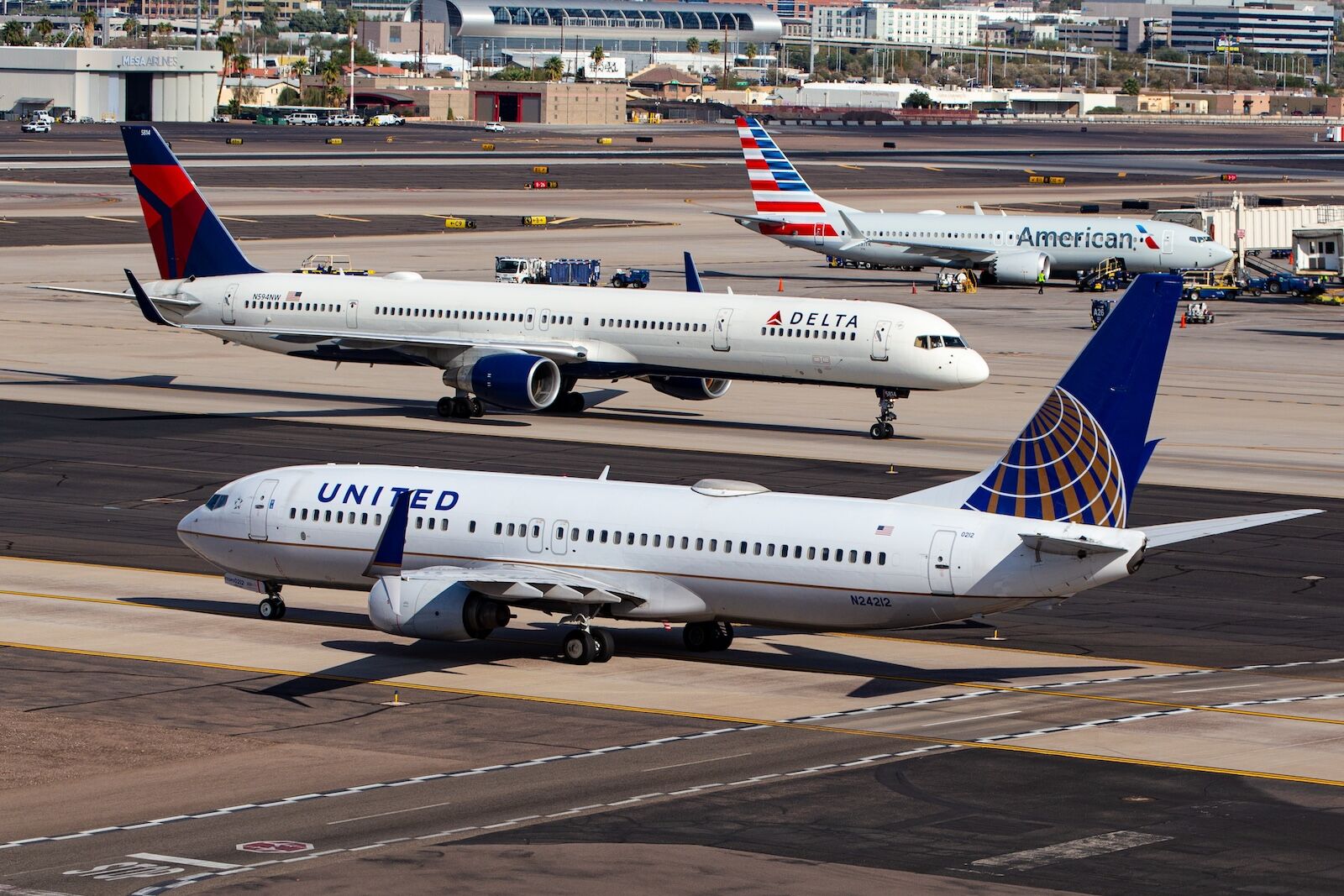
Conversely, economists and consumer advocacy groups argue that the lack of competition has created a stagnant, high-cost environment. The current US market is defined by a "Big Four" dominance—United, Delta, American, and Southwest—which collectively control more than 75 percent of the domestic market. This concentration is the result of decades of mergers, acquisitions, and bankruptcies, most notably between 2008 and 2013, which saw eight major airlines coalesce into the current oligopoly.
A 2026 report from the Government Accountability Office (GAO) highlights the tangible consequences of this consolidation. The report found that on routes where competition had been eliminated through mergers, consumers faced significantly higher fares and diminished service quality. Statistical analysis included in the report revealed a stark correlation: when the number of airlines servicing a specific route dropped from three to two, average flight delays increased by 25 percent, while cancellation rates rose by seven percent.
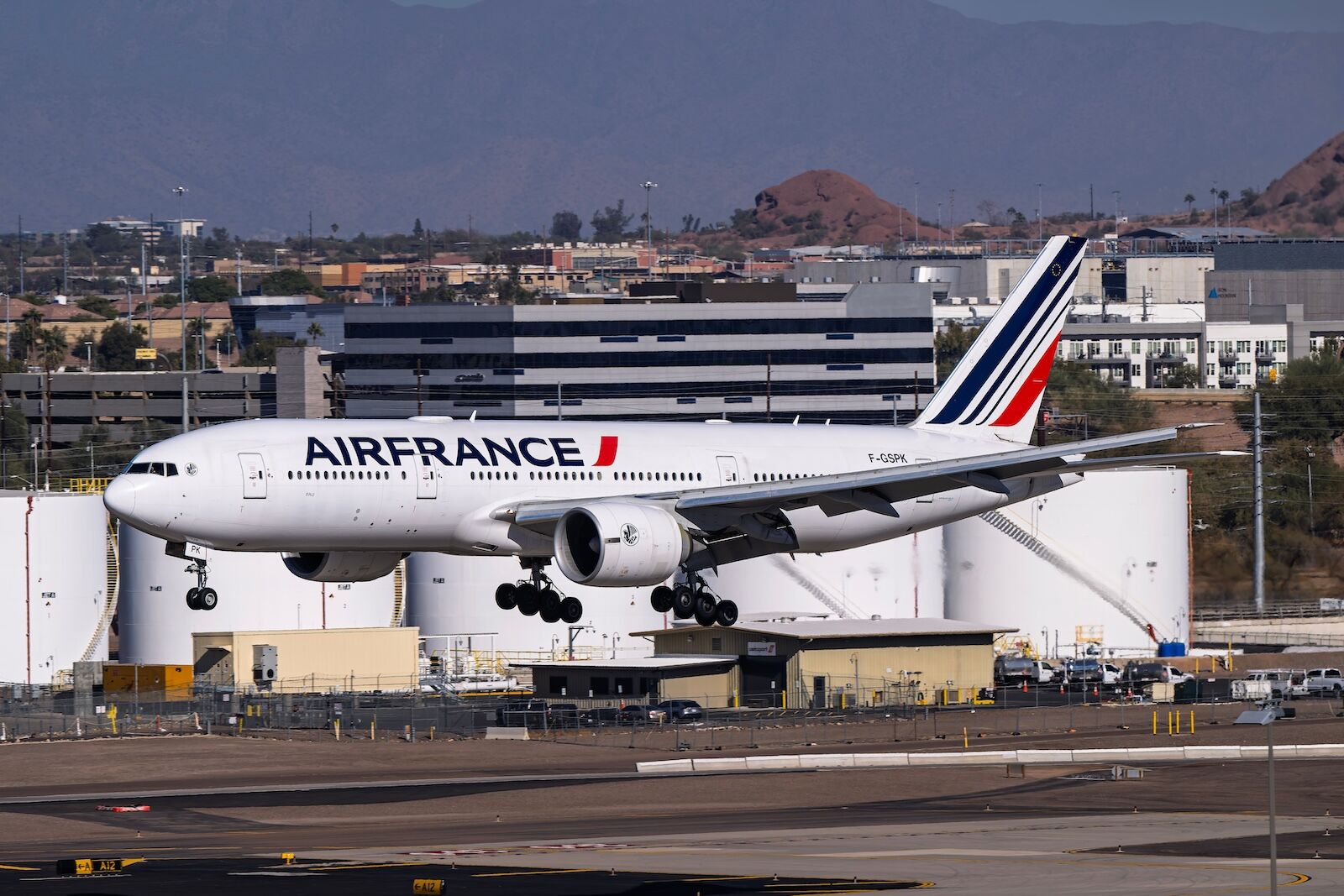
This lack of competitive pressure is often cited as the reason for the stark contrast between the global reputation of US carriers and their international counterparts. In the 2025 Skytrax World Airline Awards—a benchmark for global passenger satisfaction—not a single US-based airline appeared in the top 20. The top 10 list was dominated by carriers such as Qatar Airways, Singapore Airlines, and Emirates. Proponents of liberalizing cabotage laws note that the hubs these top-tier airlines operate from, such as Istanbul, Hong Kong, and Dubai, are served by over 100 different carriers each. By contrast, even the busiest US airports like Hartsfield-Jackson in Atlanta are served by fewer than 30 passenger carriers.
Economic Implications and Future Outlook
The debate over whether to reform or repeal cabotage laws is increasingly becoming a question of consumer welfare versus industrial policy. While there is no empirical guarantee that allowing foreign carriers to compete domestically would immediately lower prices, economic theory suggests that the mere threat of new entry typically forces incumbent firms to improve efficiency and service quality. Research by economist Daniel Greenfield of the Federal Trade Commission’s Bureau of Economics suggests that competitive pressure is the most reliable driver of on-time performance and innovation in the aviation sector.
However, the political hurdles to changing these laws are immense. The entrenched power of the "Big Four," combined with the complex web of labor agreements and national security commitments, makes any significant shift in policy unlikely in the near term. The US Department of Transportation continues to monitor market conditions, but the legislative framework remains firmly anchored in the protectionist era of the mid-20th century.
For the average traveler, the nuances of cabotage remain largely invisible. When a flight is delayed, the cabin service is subpar, or the ticket price exceeds expectations, most passengers do not look to international trade law for an explanation. Yet, the persistent lack of variety in domestic options and the recurring dominance of the same major players are direct, albeit indirect, consequences of these rules. As the global aviation market continues to evolve, the tension between the desire for open, competitive skies and the impulse to protect national interests will remain a defining, if quiet, feature of American travel.
Whether the US will eventually move toward a more integrated global market—or double down on its protectionist stance—depends on how policymakers balance the competing demands of economic efficiency and national industrial stability. For now, the "Big Four" retain their hold, and the barrier to entry for international competitors remains as impenetrable as the law that created it.