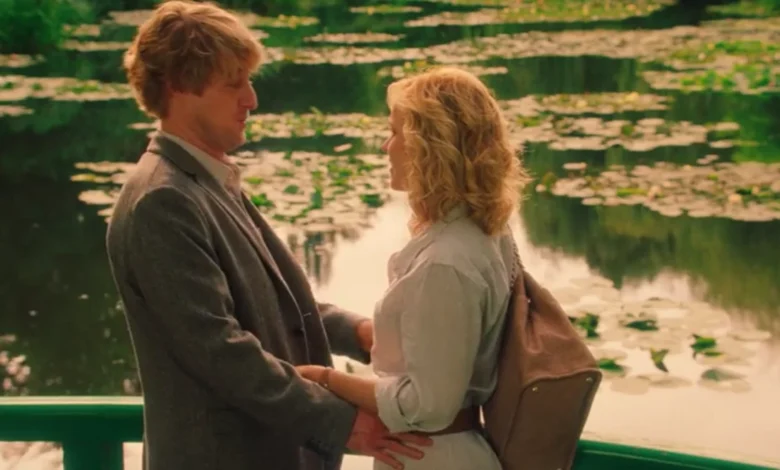
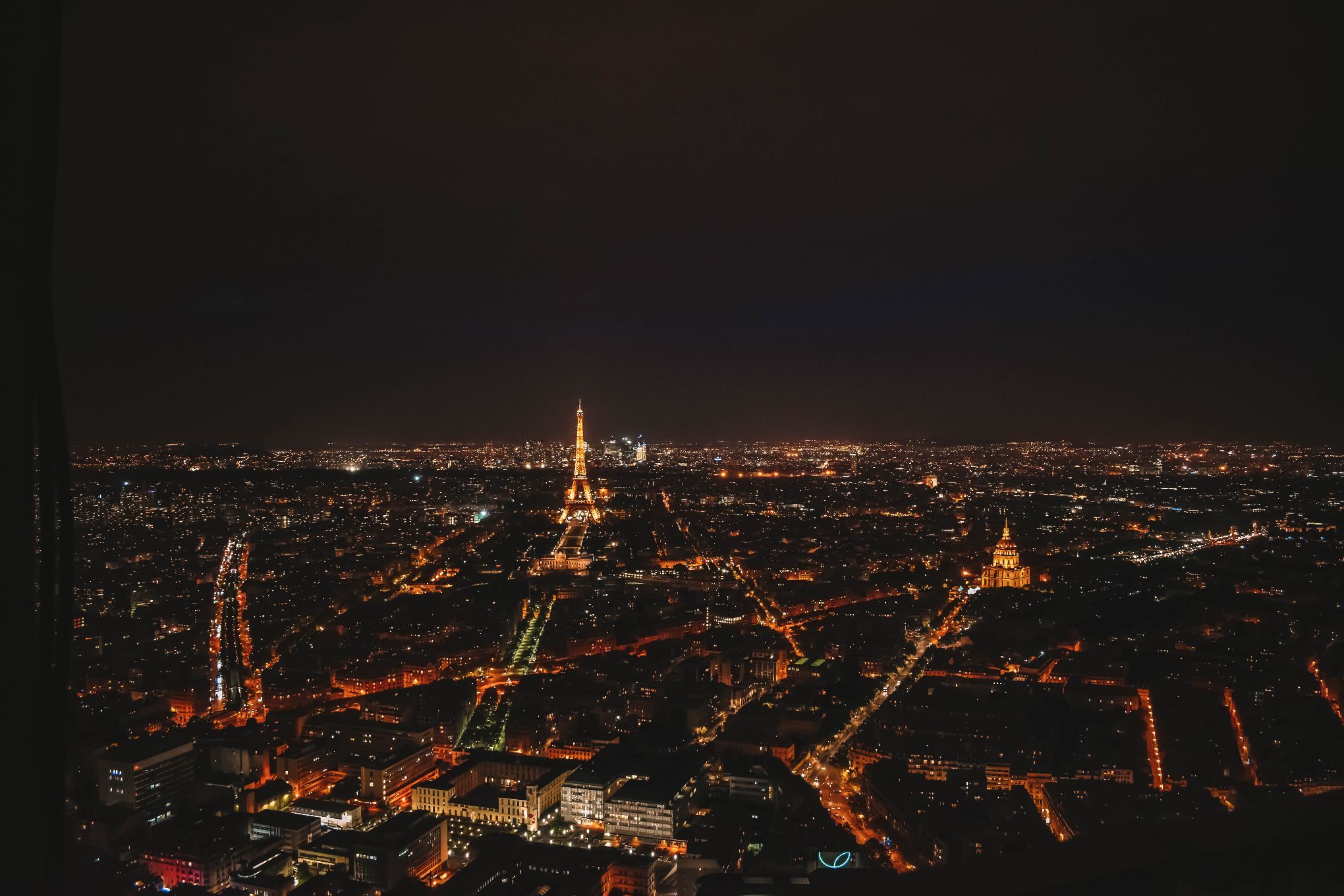
Woody Allen’s 2011 fantasy-comedy, Midnight in Paris, serves as more than a cinematic narrative; it acts as a visual love letter to the French capital, immortalizing the city’s architectural grandeur and cultural legacy. Released to critical acclaim, the film grossed over $151 million worldwide against a production budget of approximately $17 million, becoming the highest-grossing film of Allen’s career. By blending the contemporary reality of an unfulfilled screenwriter with the nostalgia of the 1920s “Lost Generation,” the production highlights specific Parisian locales that remain popular tourist destinations today.
Cinematic Significance and Historical Context
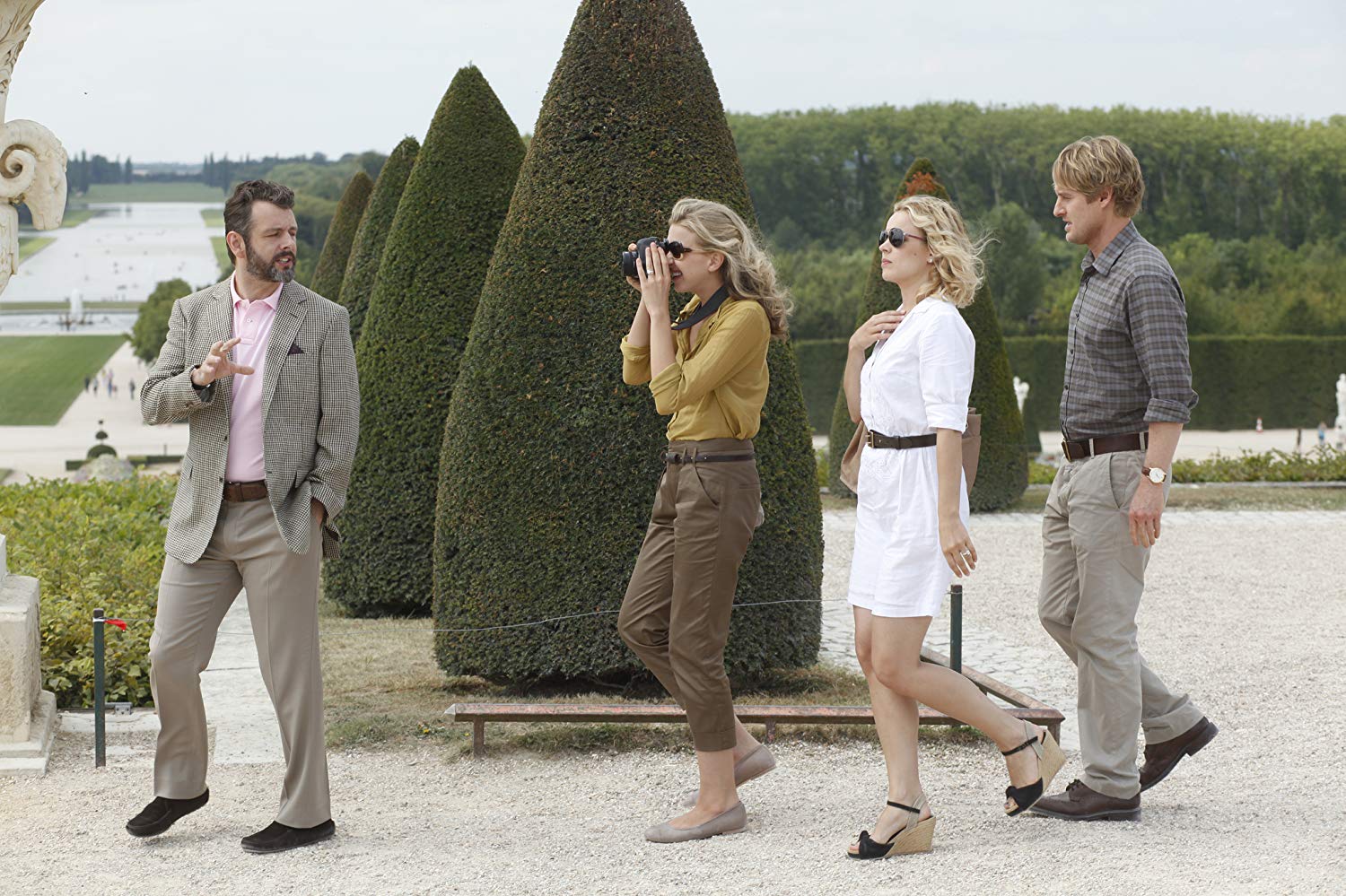
The narrative centers on Gil Pender, a successful Hollywood screenwriter who aspires to be a novelist. While vacationing in Paris with his fiancée, Inez, and her affluent parents, Pender finds himself emotionally and creatively stifled. The film’s core premise involves a surreal time-travel mechanism where, at the stroke of midnight, Pender is transported back to the 1920s, allowing him to interact with historical figures such as Ernest Hemingway, F. Scott Fitzgerald, Zelda Fitzgerald, Pablo Picasso, and Salvador Dalí.
The film’s historical accuracy regarding these figures is a notable subject of study. The 1920s in Paris were indeed a period of intense artistic activity, often referred to as "Les Années Folles" (The Crazy Years). During this time, the city served as a sanctuary for expatriate writers and artists escaping the disillusionment of the post-WWI era. The film successfully mirrors the atmosphere described in memoirs like Ernest Hemingway’s A Moveable Feast, capturing the intellectual fervor of the Left Bank’s literary circles.
Key Filming Locations and Their Geographic Significance
The production team utilized various iconic sites throughout Paris to ground the fantastical elements of the script in physical reality. These locations serve as both plot devices and essential components of the film’s aesthetic.
The Opening Sequences: Monet’s Garden and Giverny
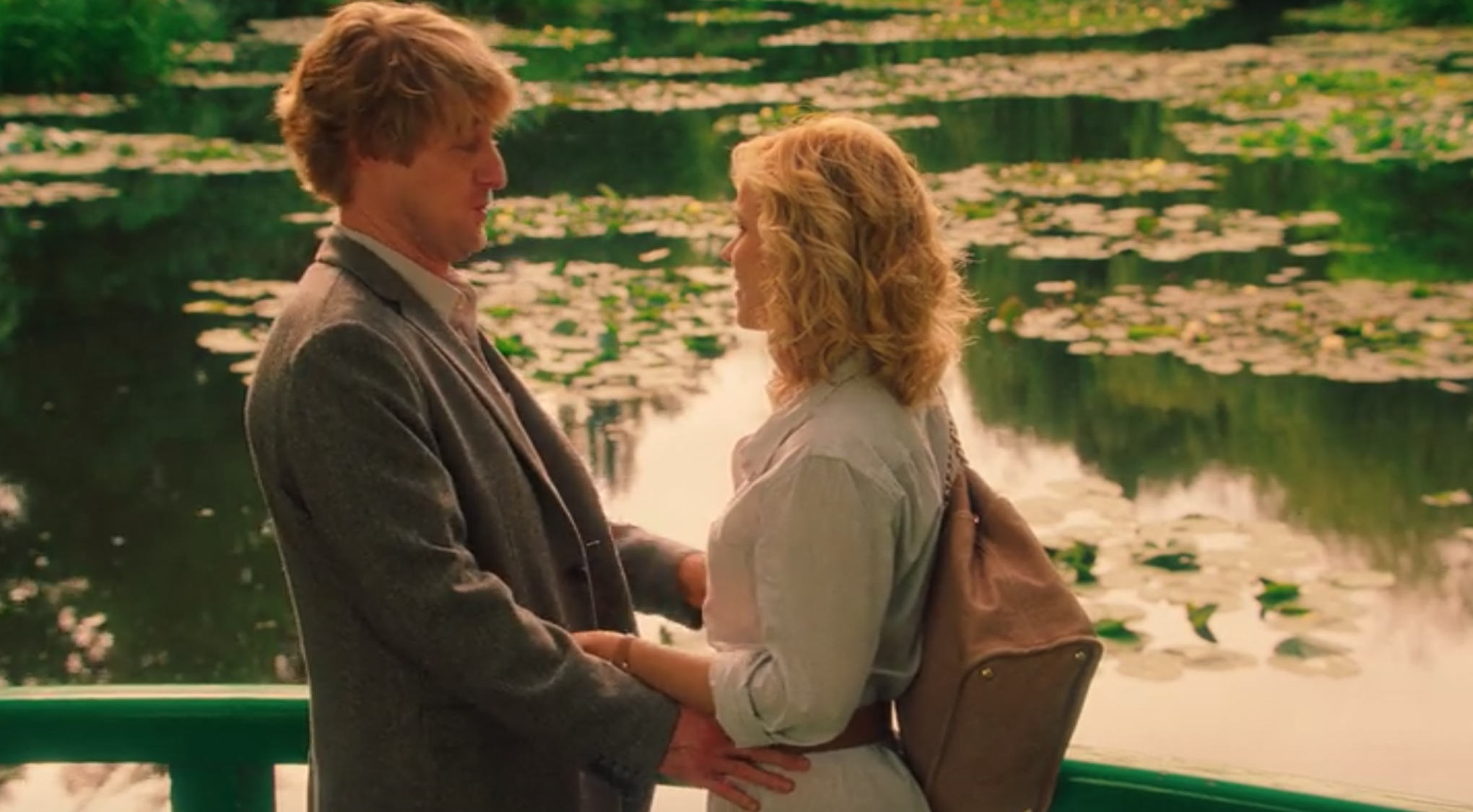
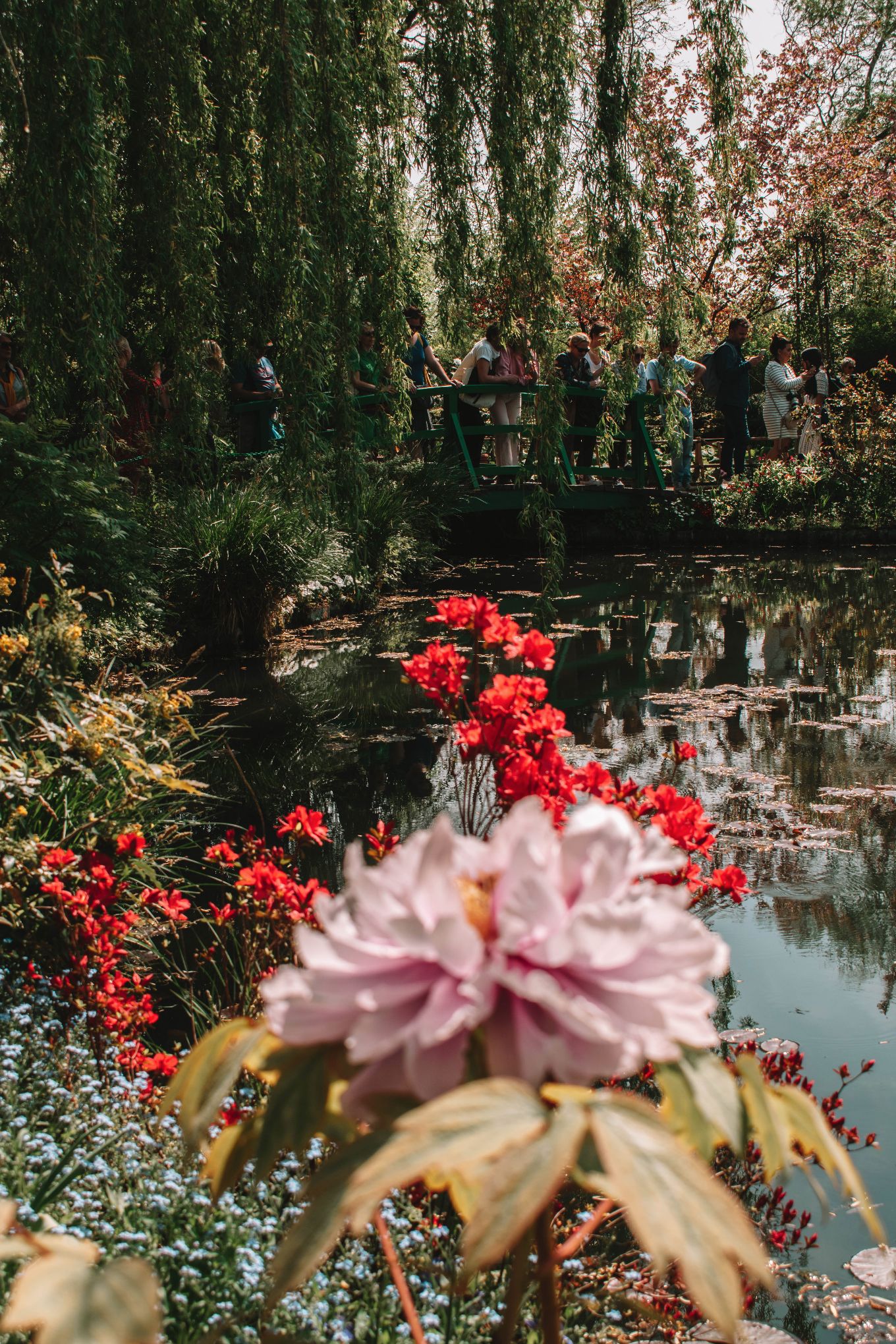
The film opens with a montage of Paris, immediately transitioning to the Claude Monet Water Garden in Giverny. Located approximately 75 kilometers from Paris, this site was the home and inspiration for the Impressionist painter. The bridge featured in the opening scene is a significant landmark, drawing thousands of visitors annually who wish to see the setting that influenced masterpieces like the Water Lilies series.
Institutional Landmarks: Hotel Le Bristol and Le Grand Véfour
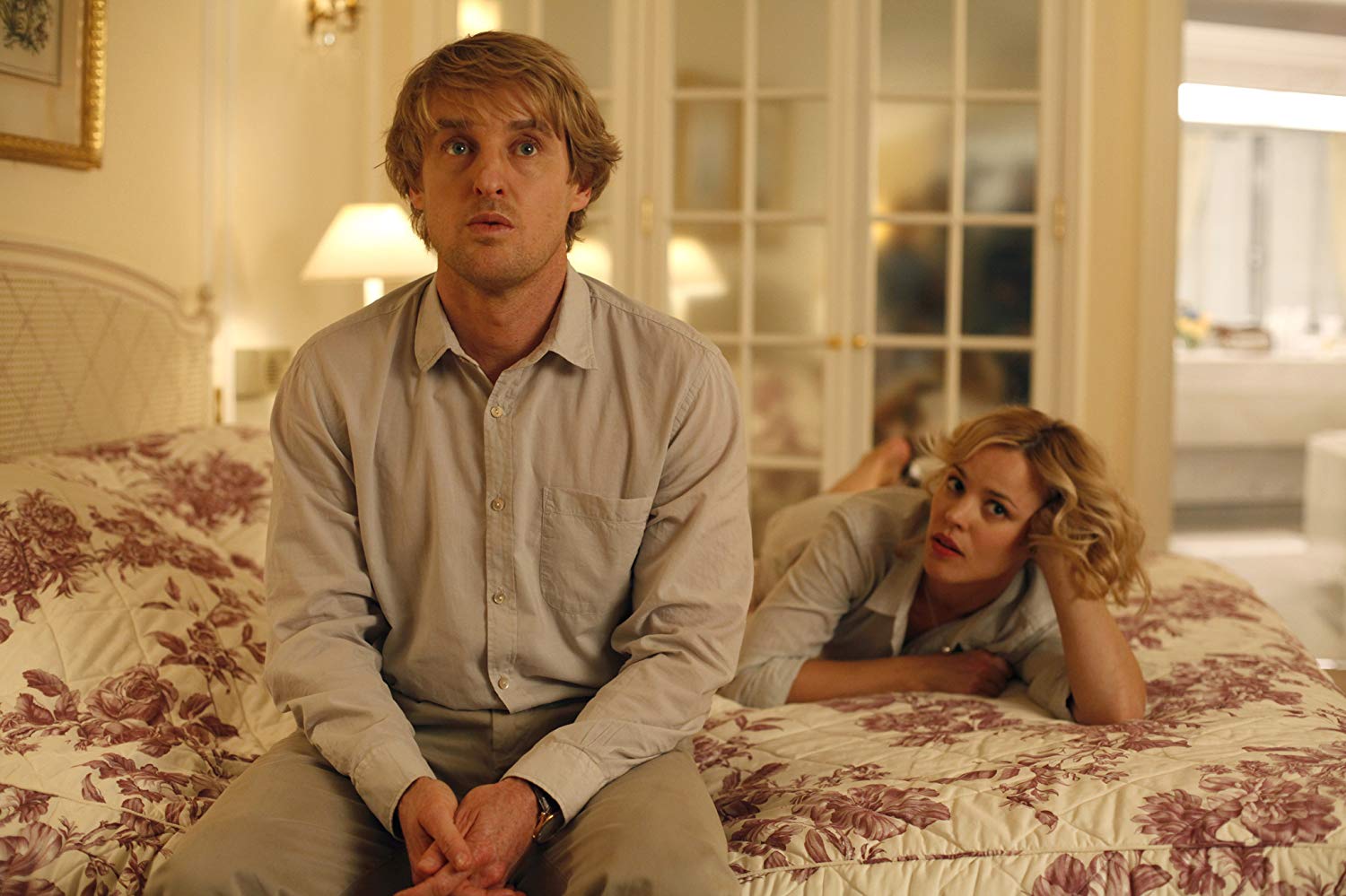
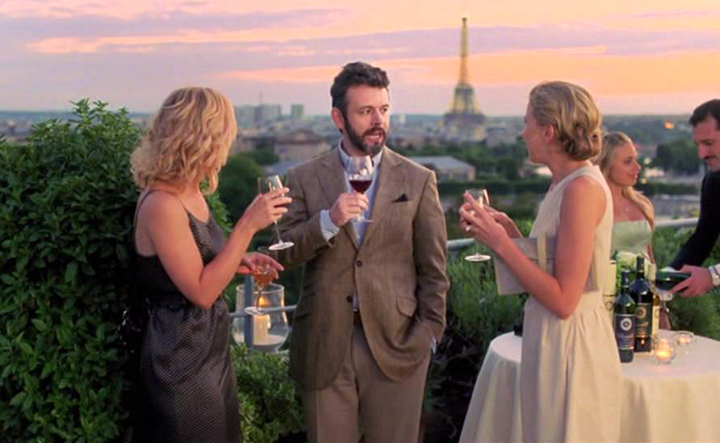
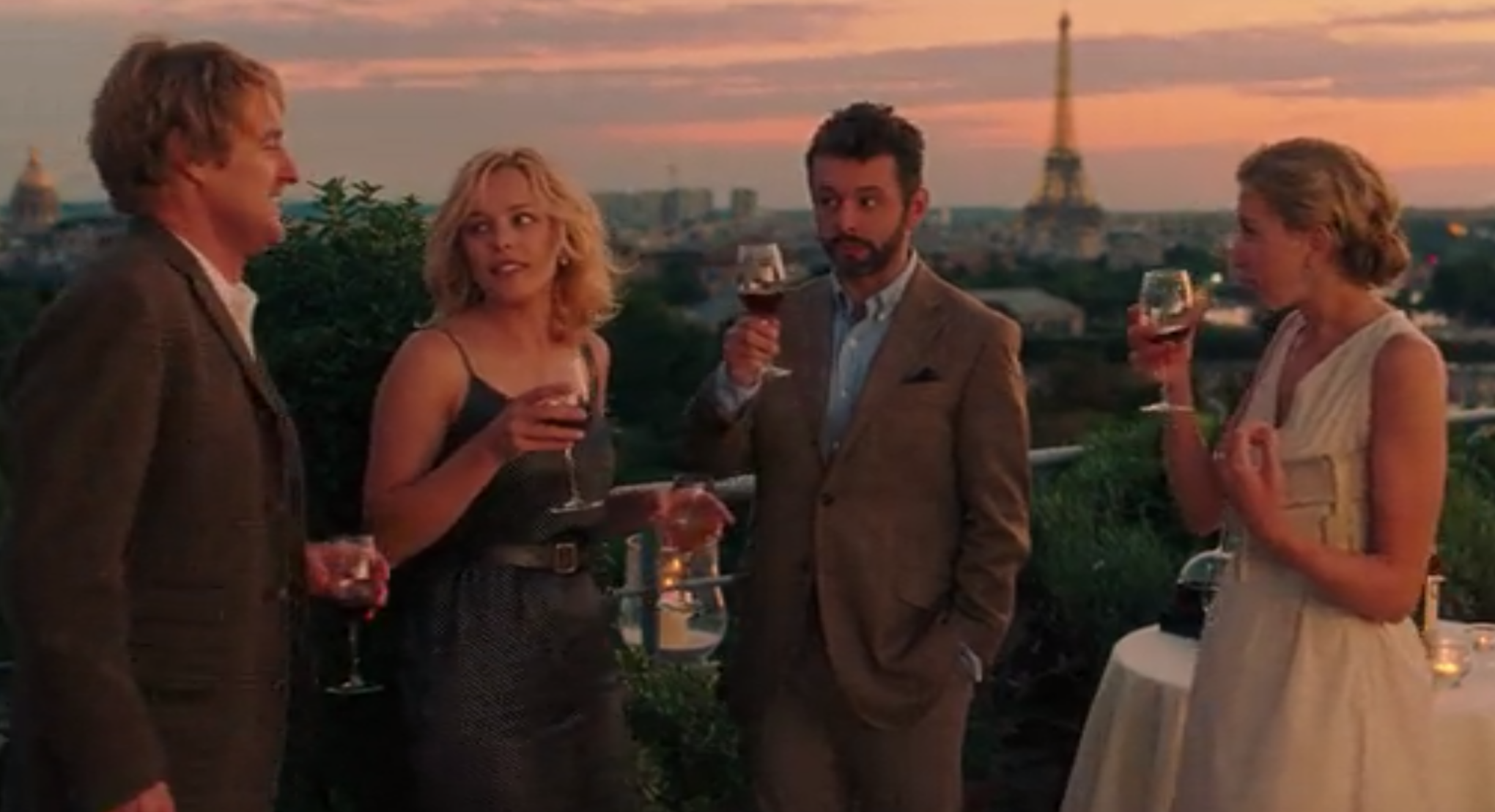
The protagonist’s stay at the Hotel Le Bristol, situated at 112 Rue du Faubourg Saint-Honoré, underscores the class tensions presented in the film. Established in 1925, the hotel is a bastion of Parisian luxury and provided an authentic backdrop for the opulent, albeit tense, domestic scenes between Gil and his future in-laws.
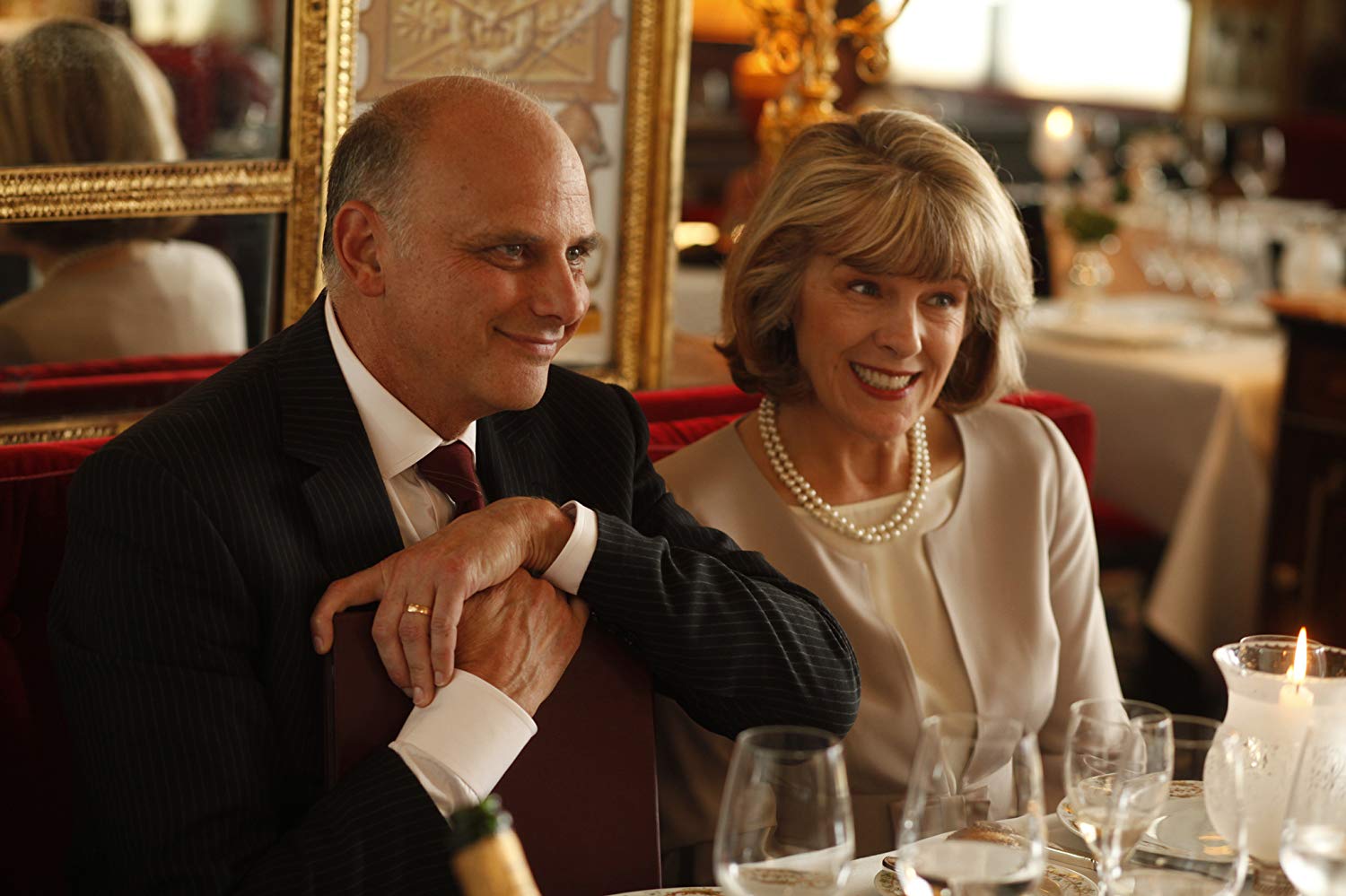
Similarly, the lunch scenes were filmed at Le Grand Véfour, located at 17 Rue du Beaujolais. This restaurant, which opened in the late 18th century, is historically significant for its role as a gathering place for intellectuals and politicians. Its inclusion emphasizes the film’s theme of bridging the gap between the historic prestige of Paris and the modern characters navigating it.
The Nighttime Journey: Saint-Étienne-du-Mont
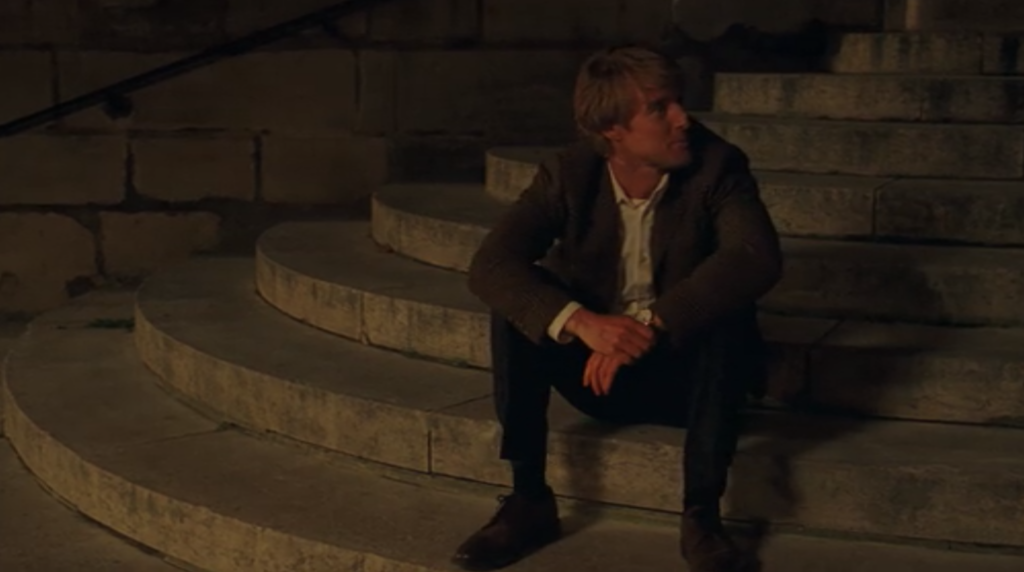
One of the most pivotal locations is the set of steps where Gil encounters the vintage Peugeot that transports him back in time. These steps are located beside the Saint-Étienne-du-Mont church, near the Panthéon in the 5th arrondissement. This area is historically dense, providing a tangible connection between the medieval architecture of the Latin Quarter and the 1920s setting of the film’s fantasy sequences.
Literary and Artistic Hubs: Shakespeare and Company and The Polidor
The film features the famous bookstore Shakespeare and Company, located at 37 Rue de la Bûcherie. While the current iteration was founded by George Whitman in 1951, it maintains the spirit of the original shop owned by Sylvia Beach, which served as a home-away-from-home for James Joyce and Hemingway.
The Polidor, found at 41 Rue Monsieur le Prince, is depicted as a primary haunt for the historical figures Gil meets. As one of the oldest restaurants in the Left Bank, it remains preserved in a style that reflects its 1920s heyday, serving as a functional link between the film’s narrative and the actual history of the city.
Analysis of Themes: Nostalgia and the Modern Condition
The film’s critical reception was bolstered by its philosophical inquiries into "Golden Age Thinking"—the belief that a different era was inherently better than the present. Through the character of Paul, an arrogant pseudo-intellectual, the film critiques the way modern tourists consume art and history.
Statistical data on film-induced tourism suggests that movies like Midnight in Paris significantly impact travel patterns. The exposure provided by the film to lesser-known, non-tourist-heavy locations, as well as classic sites, resulted in a measurable increase in foot traffic to the specific establishments mentioned in the script. The "Midnight in Paris effect" is often cited by urban planners and tourism boards as a prime example of how media can shape a city’s global brand identity.
Official and Industry Reactions
Upon its release, the film was nominated for four Academy Awards, winning the Oscar for Best Original Screenplay. The City of Paris, through various cultural initiatives, recognized the film’s role in promoting the city’s artistic heritage. While the film has faced retrospective scrutiny regarding the personal life of its director, the cinematic legacy of Midnight in Paris remains distinct from its creator, largely due to its contribution to the visual language of 21st-century cinema.
Broader Impact and Implications
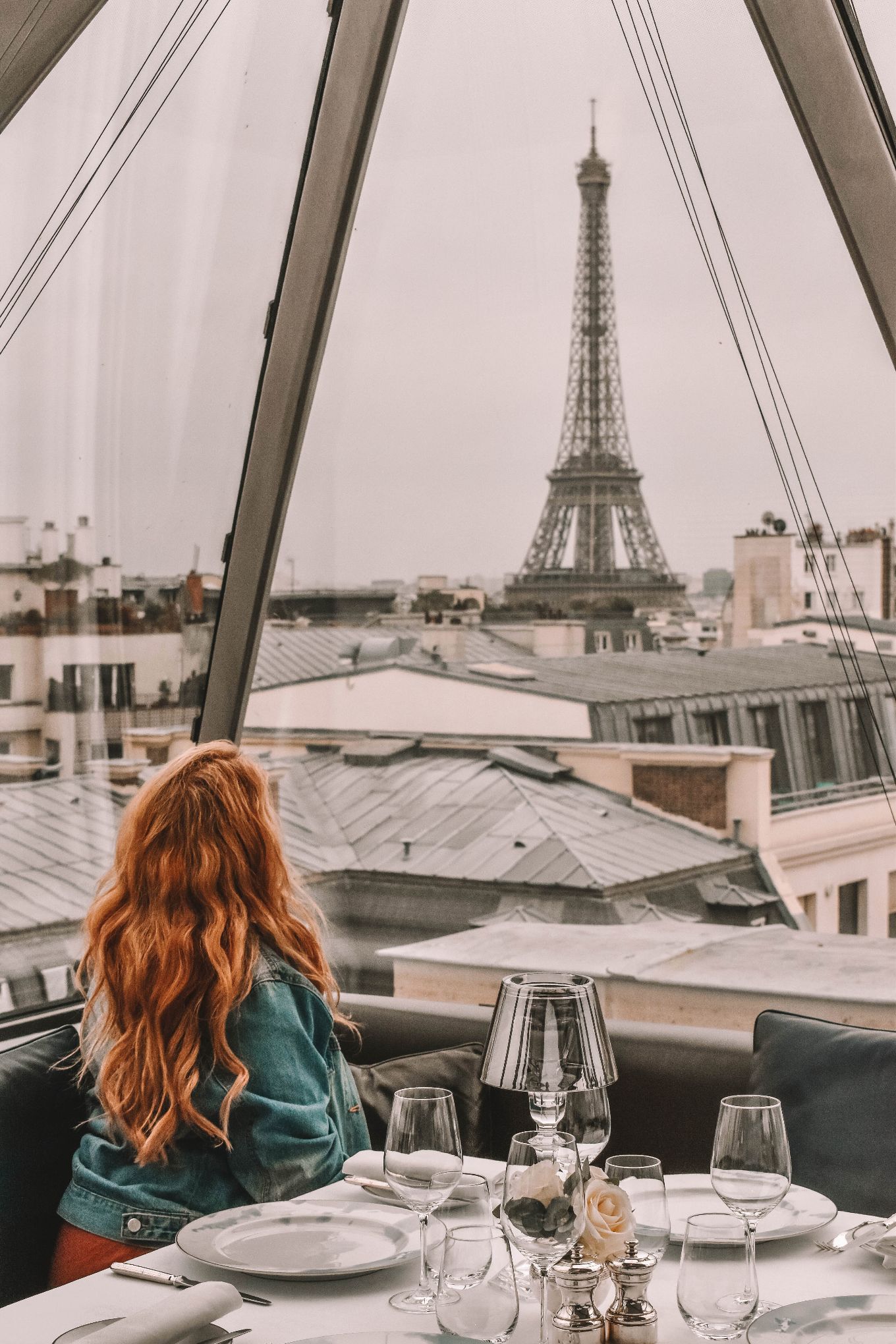
The long-term impact of Midnight in Paris is evident in how it encourages a specific way of experiencing a city: through walking and observation. By emphasizing the aesthetic beauty of the city in the rain, or the atmospheric quality of the streets at night, the film aligns with the urbanist philosophy of the "flâneur"—a person who wanders a city, observing its life and rhythms.
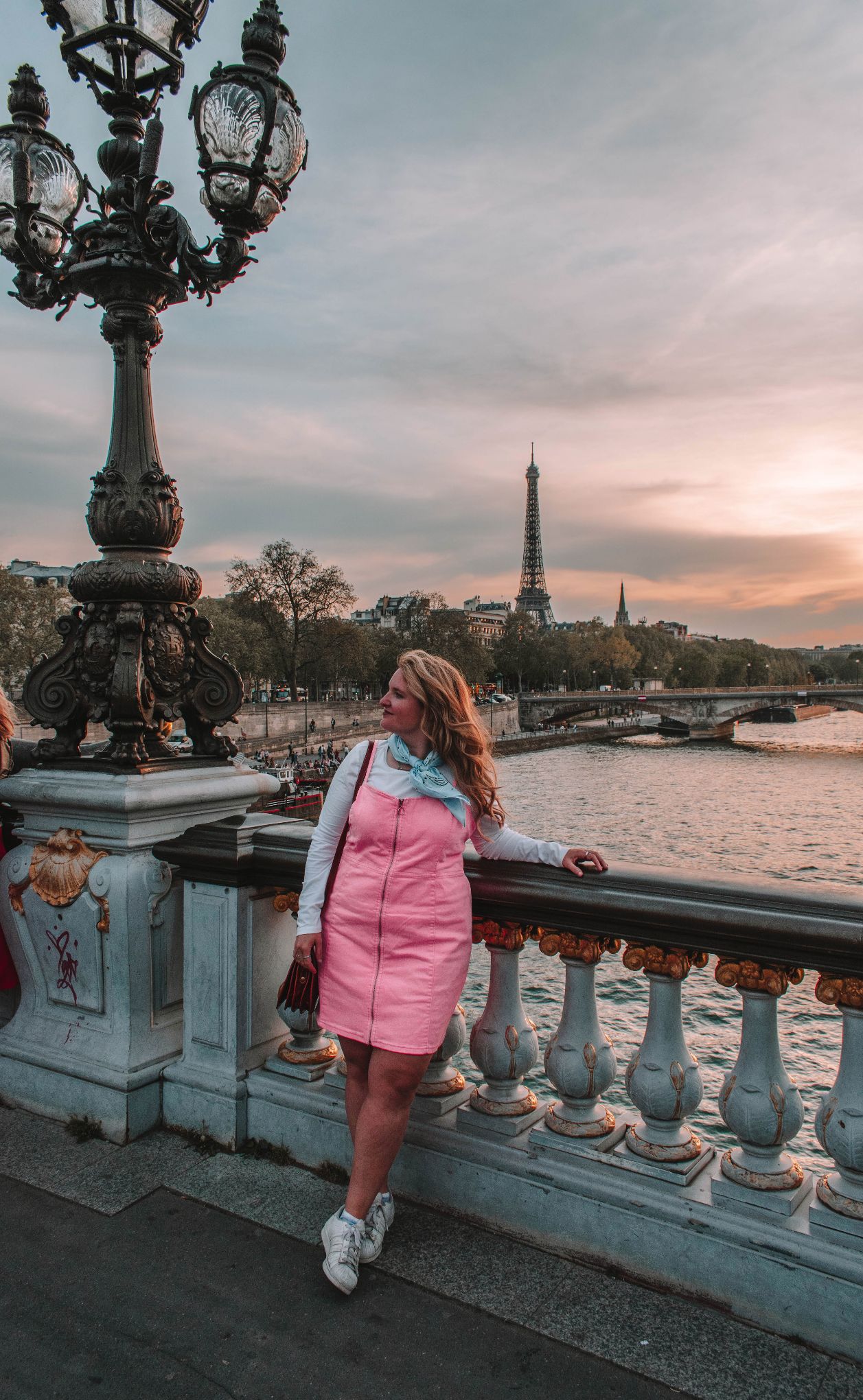
The film has also solidified the reputation of certain locations as "cinematic pilgrimage" sites. Tourists frequently attempt to replicate the routes taken by the protagonist, specifically the walk along the Pont Alexandre III, which offers an expansive view of the Seine and the Grand Palais. This intersection of film and geography continues to influence how visitors interact with Paris, encouraging a deeper appreciation for the city’s architectural layers.
Conclusion: A Living Legacy
Midnight in Paris remains a vital text for those interested in the relationship between cinema and the urban landscape. By grounding its surrealist premise in real, historical, and accessible locations, the film transcends its genre. It provides a blueprint for understanding the cultural history of Paris, inviting audiences not just to watch the city, but to engage with its past, its art, and its enduring capacity to inspire. Whether viewed as a romantic comedy or an intellectual exercise, the film stands as a testament to the idea that a city is not merely a collection of buildings, but a living, breathing environment shaped by the collective imagination of those who have passed through its streets. As the film concludes, it reinforces the notion that while the present may feel unsatisfying, the act of seeking beauty—in art, in history, or in the streets of a city—remains the most effective antidote to the inherent challenges of modern life.