Navigating the Heaphy Track: A Comprehensive Guide to New Zealand’s Longest Great Walk and Its Ecological Significance

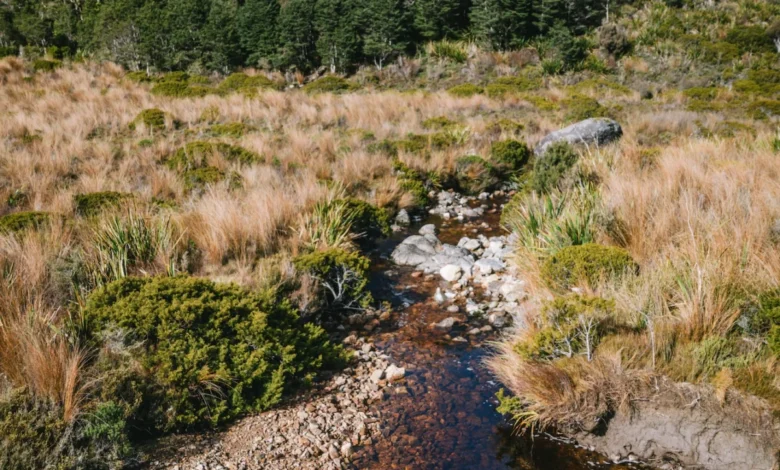
The Heaphy Track, situated within the expansive 452,002-hectare Kahurangi National Park, represents one of the most diverse and logistically challenging components of New Zealand’s Department of Conservation (DOC) Great Walk network. Spanning approximately 78.4 to 84 kilometers depending on specific route deviations and GPS tracking, the Heaphy Track is the longest of the ten designated Great Walks, excluding the Whanganui Journey, which is primarily a river-based paddling experience. This multi-day traverse connects the Aorere Valley in Golden Bay with Karamea on the West Coast, offering a cross-section of New Zealand’s unique geological and biological heritage.
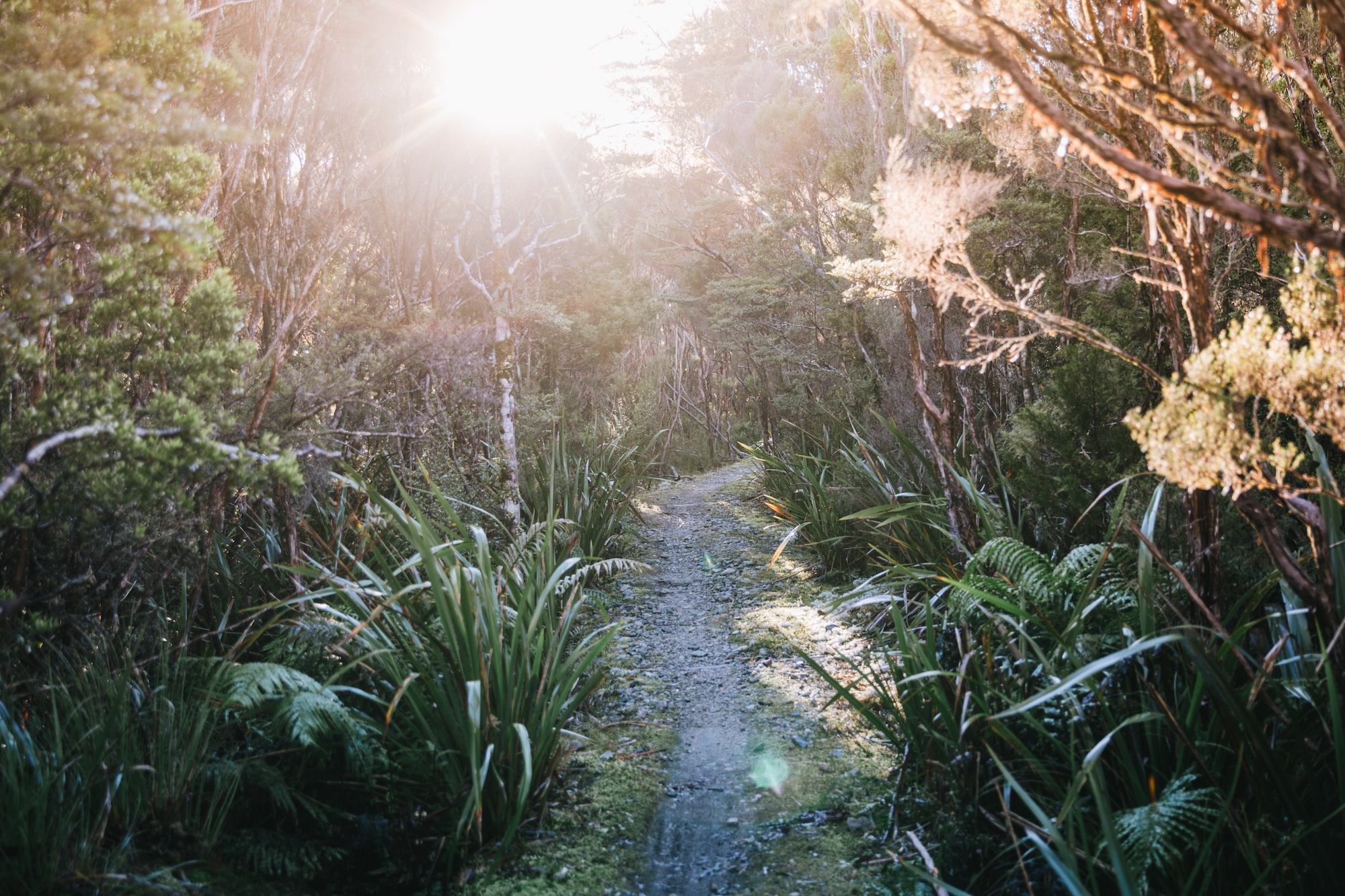
As a premier destination for both domestic and international outdoor enthusiasts, the Heaphy Track serves as a critical case study in balancing high-use recreation with intensive ecological conservation. The track is renowned for its varied landscapes, ranging from sub-alpine tussock downs and lush podocarp forests to rugged, palm-fringed coastlines. Unlike the more vertical challenges found on the Milford or Routeburn Tracks, the Heaphy is celebrated for its gradual elevation changes, making it accessible to a broader demographic of trampers and, during the winter months, mountain bikers.
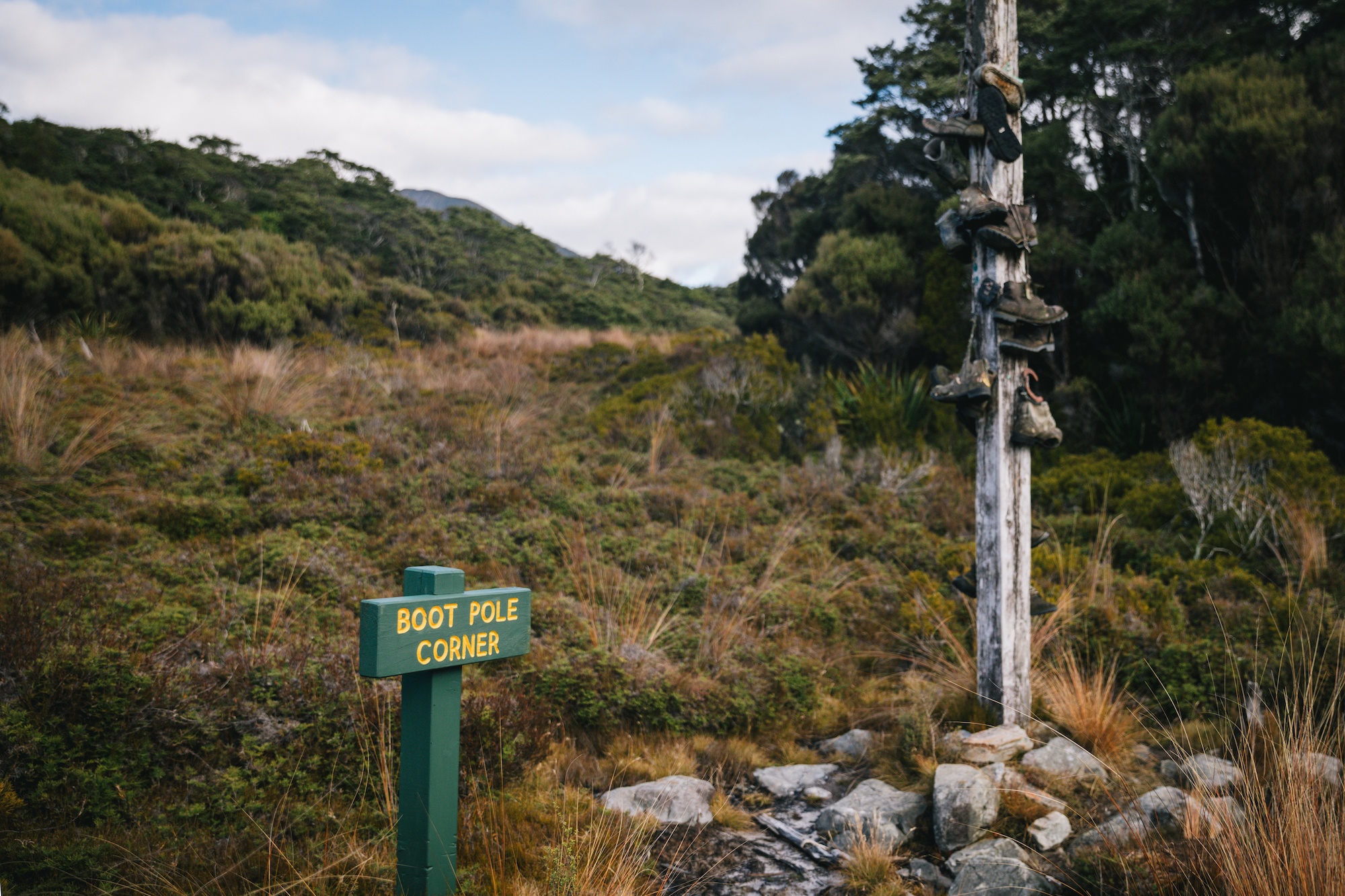
The Infrastructure and Philosophy of New Zealand’s Great Walks
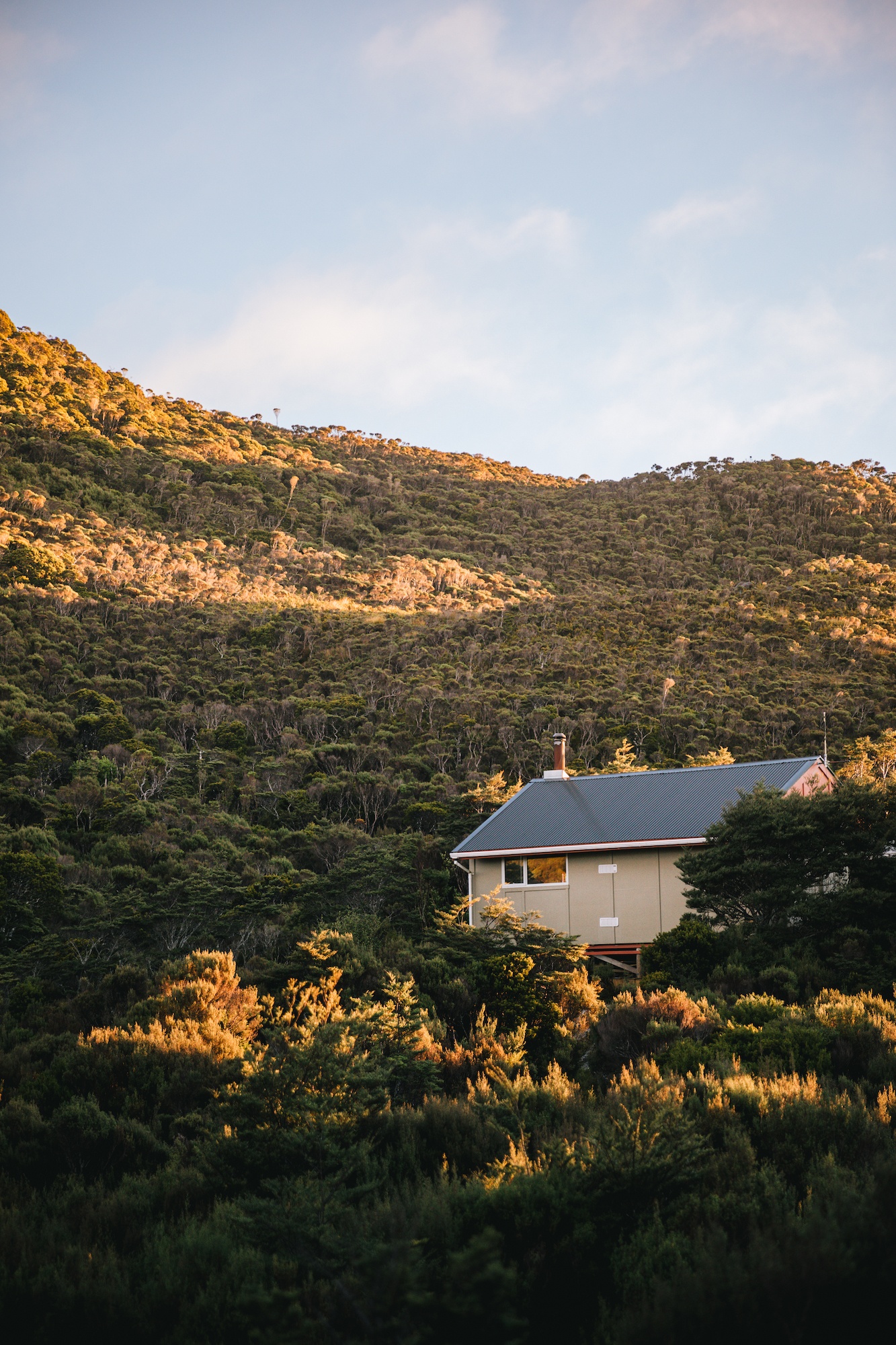
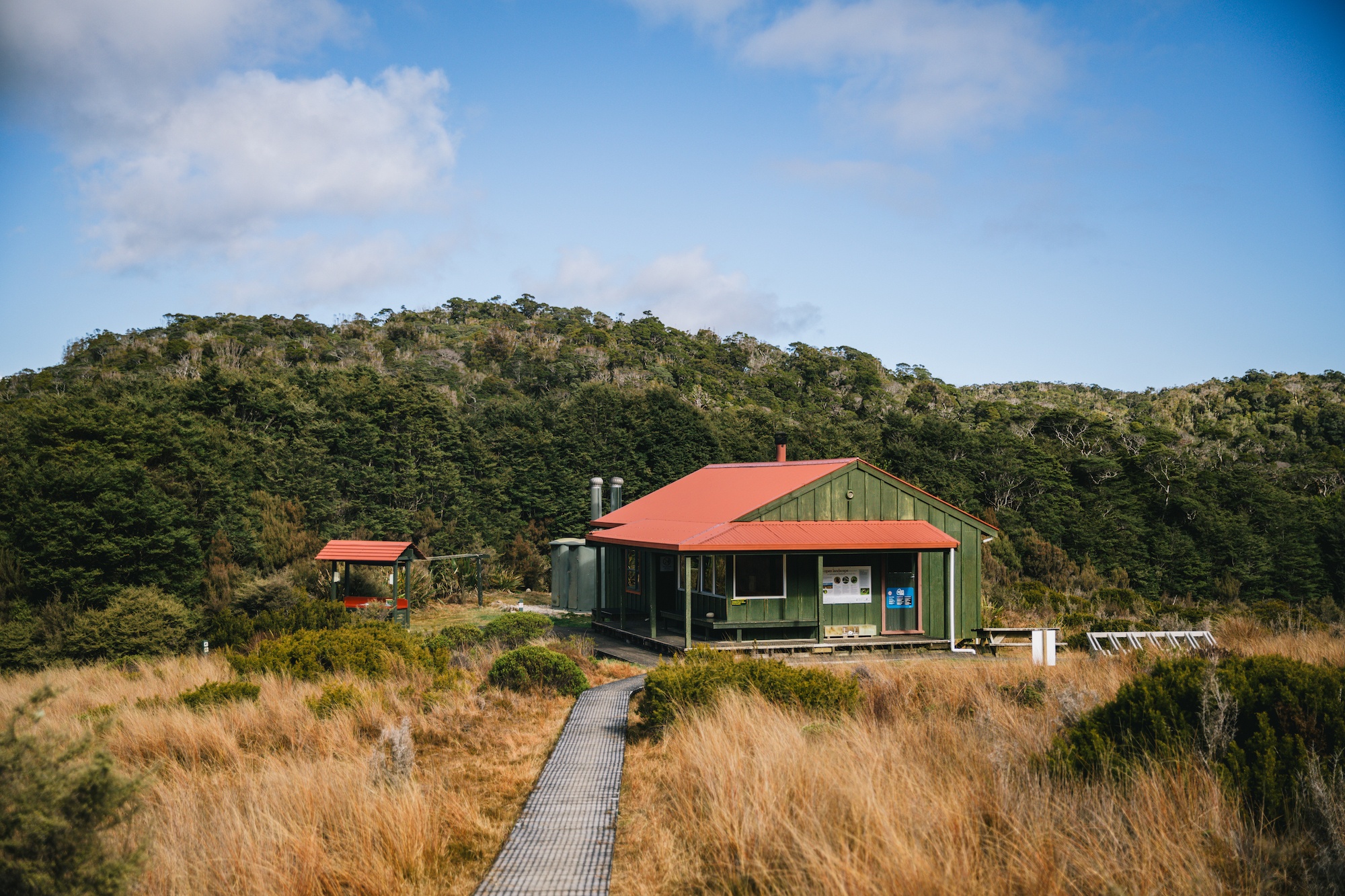
New Zealand’s Great Walks are distinguished from the thousands of kilometers of standard backcountry trails by their superior infrastructure and maintenance standards. Managed by the DOC, these tracks are engineered to accommodate higher foot traffic while minimizing environmental degradation. The huts along the Heaphy Track—such as the Perry Saddle, Saxon, James Mackay, and Heaphy Huts—feature amenities that exceed the standard "backcountry" experience, including gas cooking facilities, heating, and in some instances, flush toilets and resident wardens during the peak season.
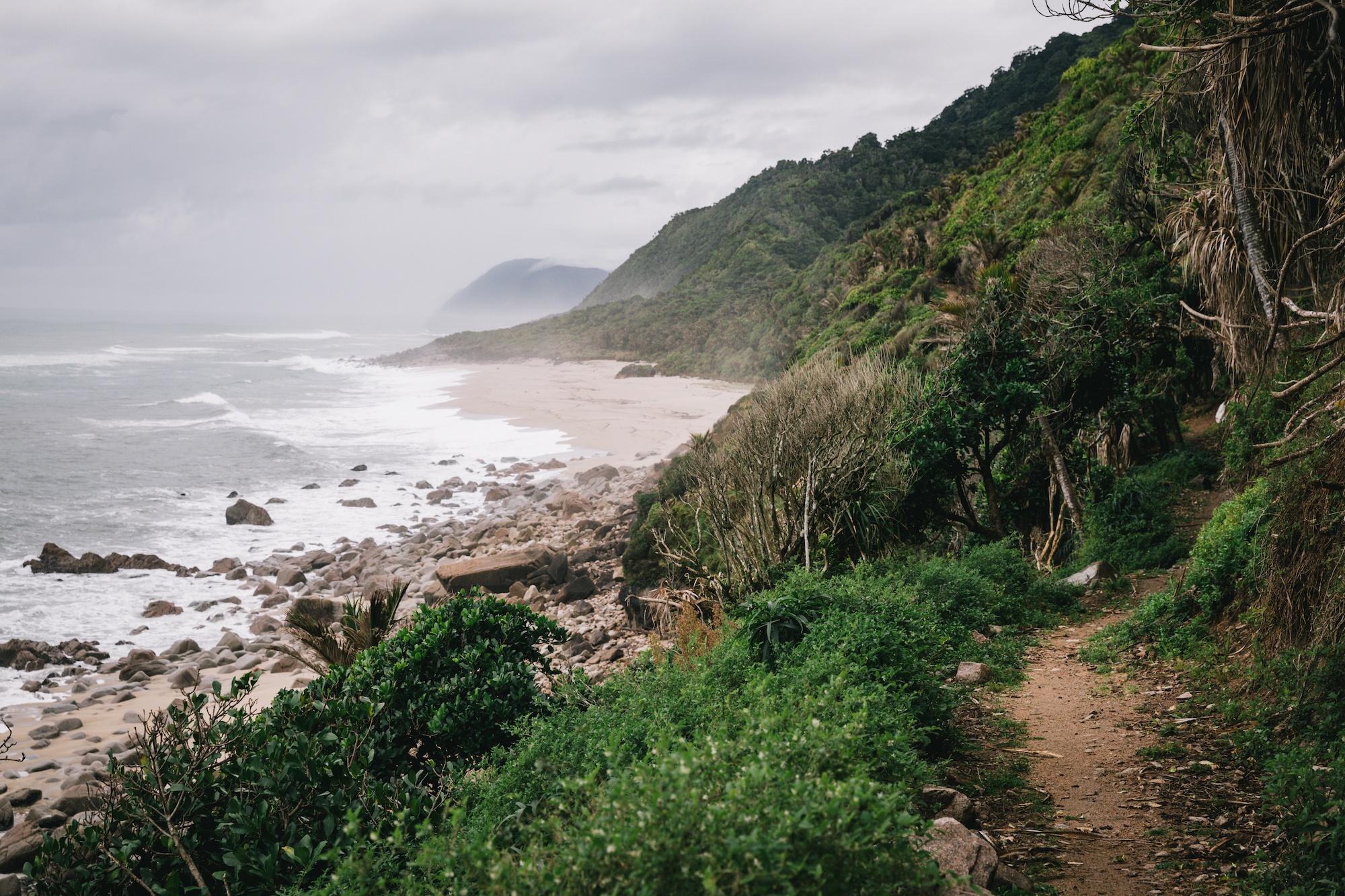
The "Great Walk" designation also brings a specific economic and regulatory framework. Demand often outstrips supply, requiring a competitive booking system that frequently sees the season sell out within hours of opening. For the 2023-2024 season, the DOC implemented a tiered pricing structure to manage costs and ensure the sustainability of the trails, with international visitors often paying a premium compared to New Zealand residents. This system supports the maintenance of wide, well-graded paths that avoid the "root-climbing" and "river-slogging" typical of New Zealand’s more rugged, unformed tracks.
Logistical Complexity: Bridging the Karamea-Takaka Divide
One of the primary barriers to completing the Heaphy Track is its linear nature and the significant geographical distance between its two trailheads. The Kohhaihai River entrance near Karamea and the Brown Hut entrance in the Aorere Valley are separated by a road journey of approximately 450 kilometers, requiring seven to eight hours of driving. For solo travelers or groups with a single vehicle, this presents a formidable logistical hurdle.
To address this, a specialized micro-industry has developed around the track. Services such as Golden Bay Air have become integral to the Heaphy experience, providing scheduled flights between Takaka and Karamea. These flights, often conducted in small aircraft suited for regional airstrips, reduce a full day of driving to a 30-minute scenic transit. Additionally, car relocation services allow trampers to find their vehicles waiting for them at the opposite end of the trail. The integration of these services has streamlined the experience, allowing hikers to focus on the physical journey rather than the complexities of transport.
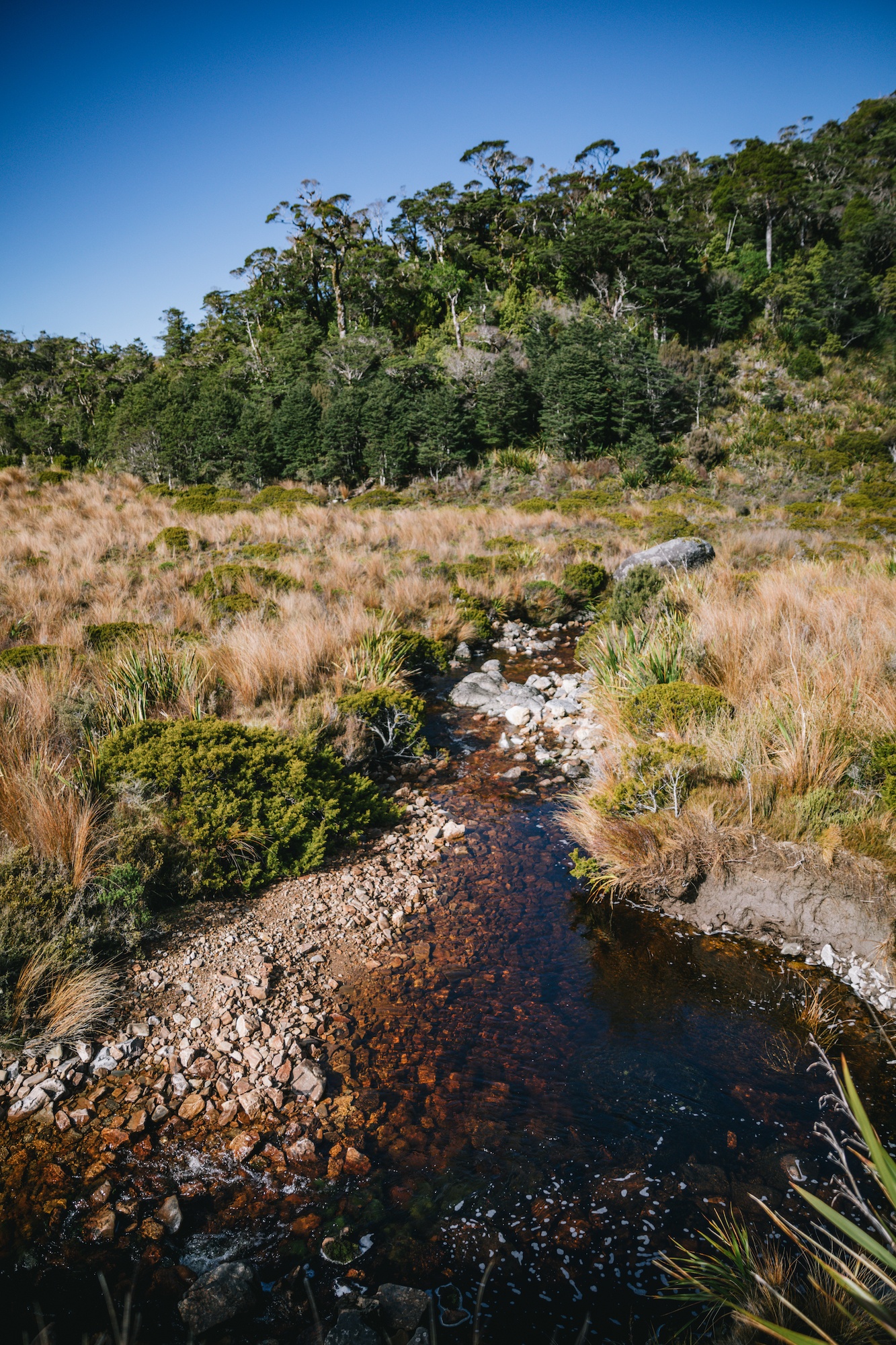
Chronology of a Four-Day Traverse
While the Heaphy Track can be completed in three to six days, the standard four-day itinerary provides a balanced pace of 16 to 25 kilometers per day.
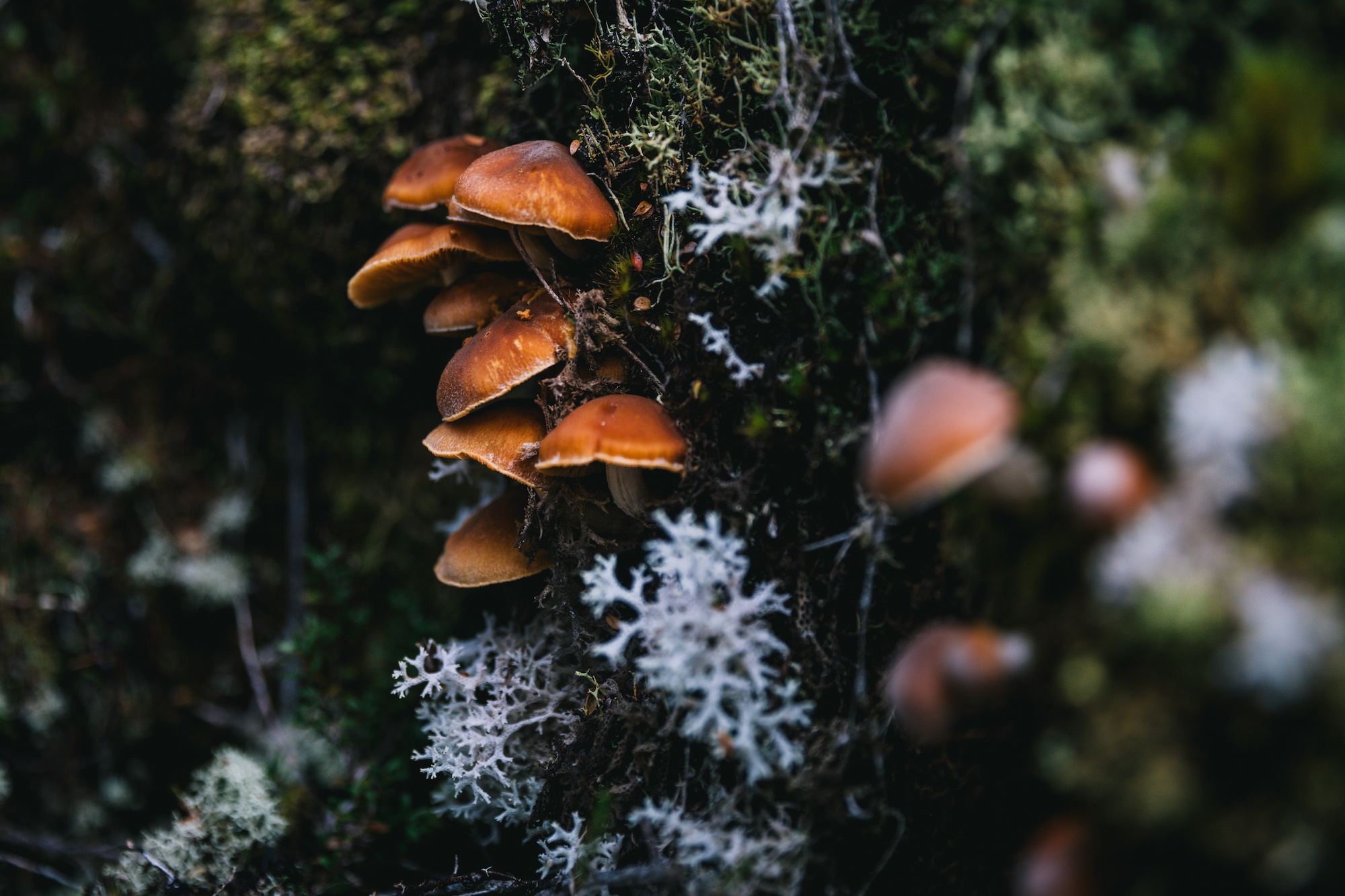
Day 1: The Ascent to Perry Saddle
Starting from the Brown Hut in the Aorere Valley, hikers begin a steady climb through beech forest. The elevation gain reaches approximately 900 meters over 17.5 kilometers, yet the gradient is famously gradual—a legacy of the track’s history as a proposed road and a traditional Māori pounamu (greenstone) trail. The day concludes at Perry Saddle Hut, the highest point on the track, offering views of the Dragons Teeth and Mt. Olympus.
Day 2: The Tussock Downs
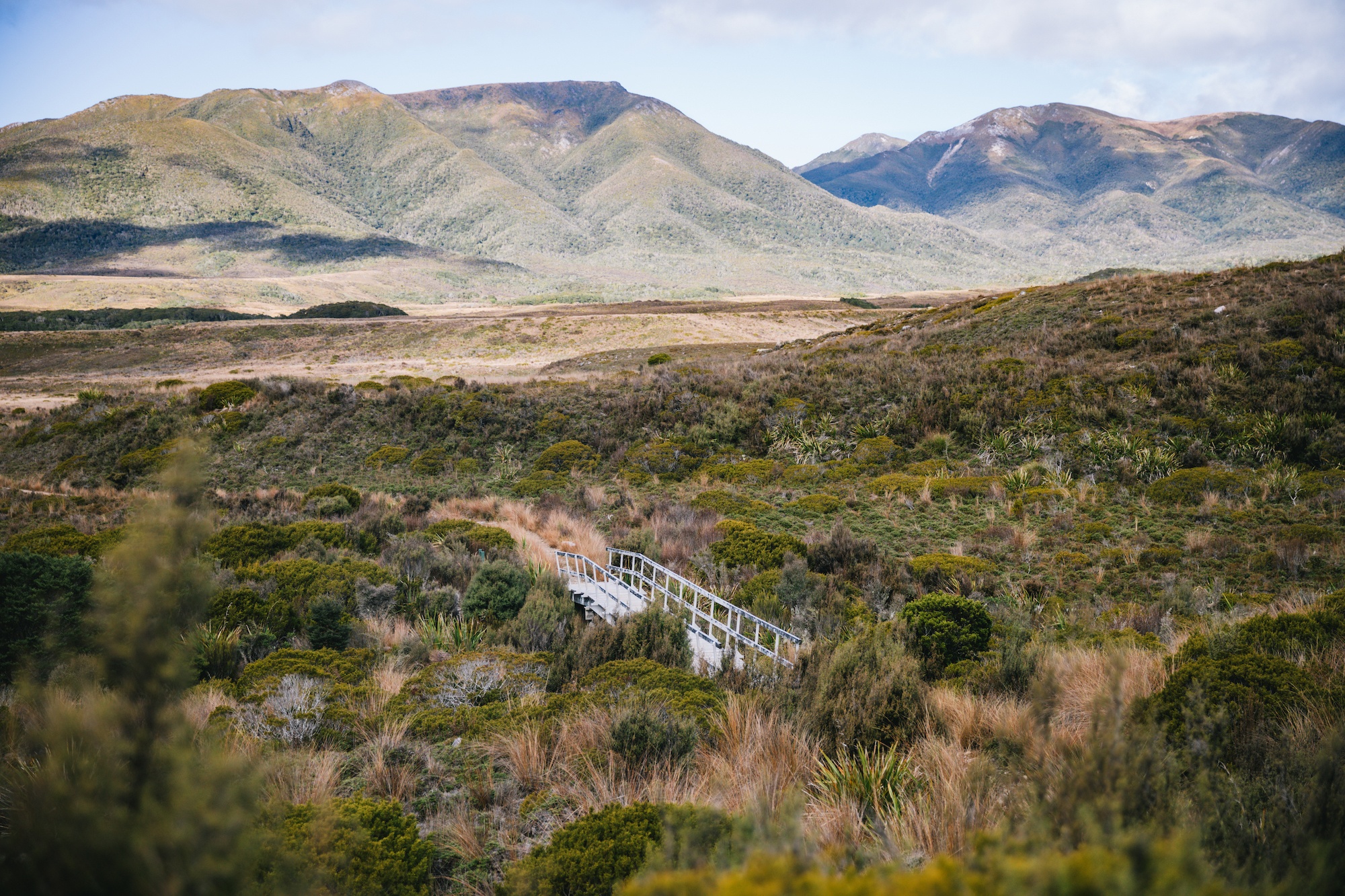
The second day involves a transition from forest to the expansive Gouland Downs. This 12-kilometer section is characterized by red tussock, limestone outcrops, and the famous "Enchanted Forest"—a remnant patch of beech trees covered in moss. The terrain is relatively flat, crossing the Perry and Saxon Rivers via modern swing bridges.
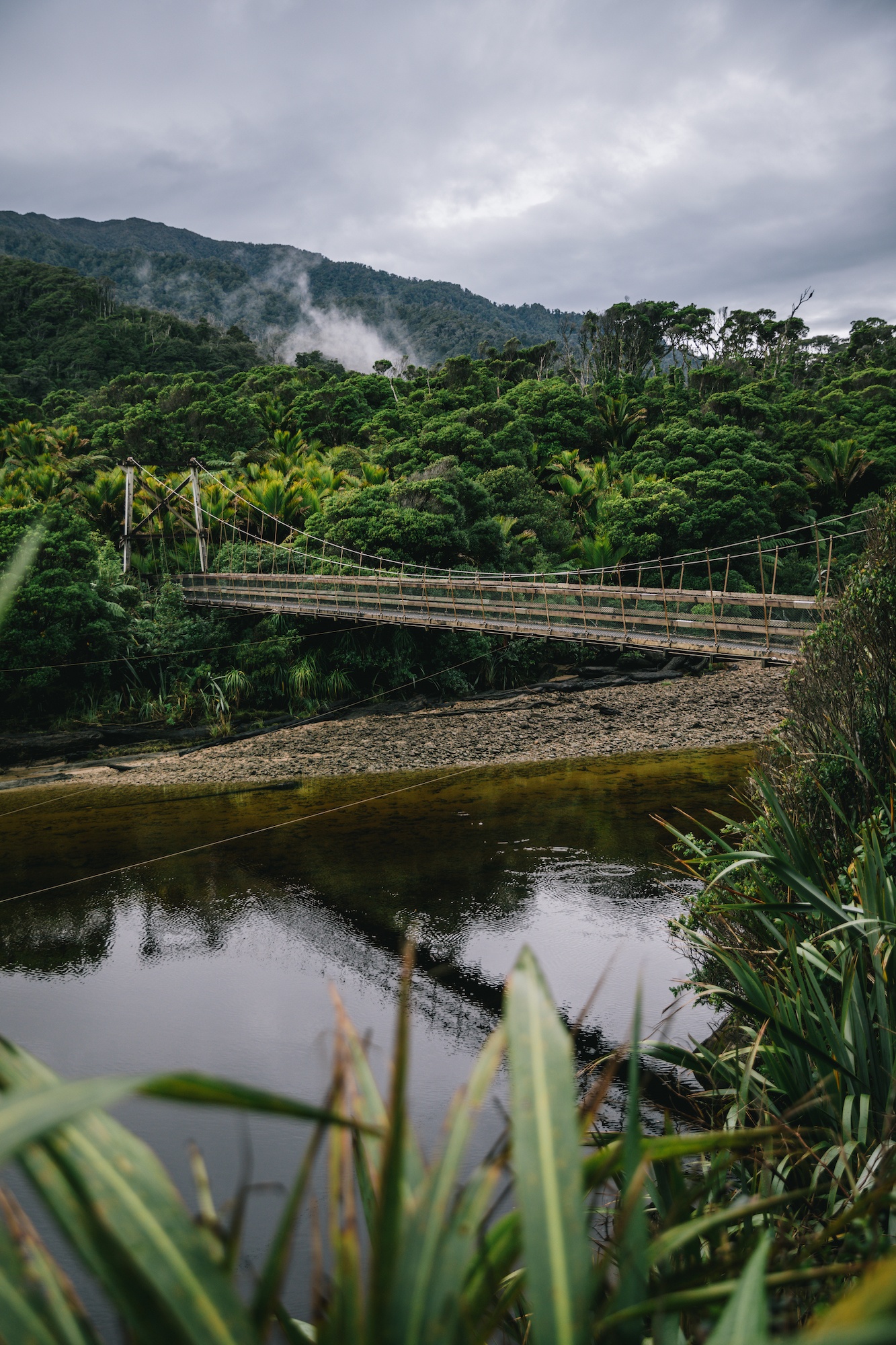
Day 3: Descent to the Coast
Moving from the Saxon Hut toward the James Mackay Hut, the landscape begins to shift toward the West Coast’s maritime climate. The 20.5-kilometer section descends through podocarp forest, where the first nikau palms—the world’s southernmost palm species—begin to appear. The James Mackay Hut provides a vantage point over the Heaphy River mouth and the Tasman Sea.
Day 4: The Coastal Finale
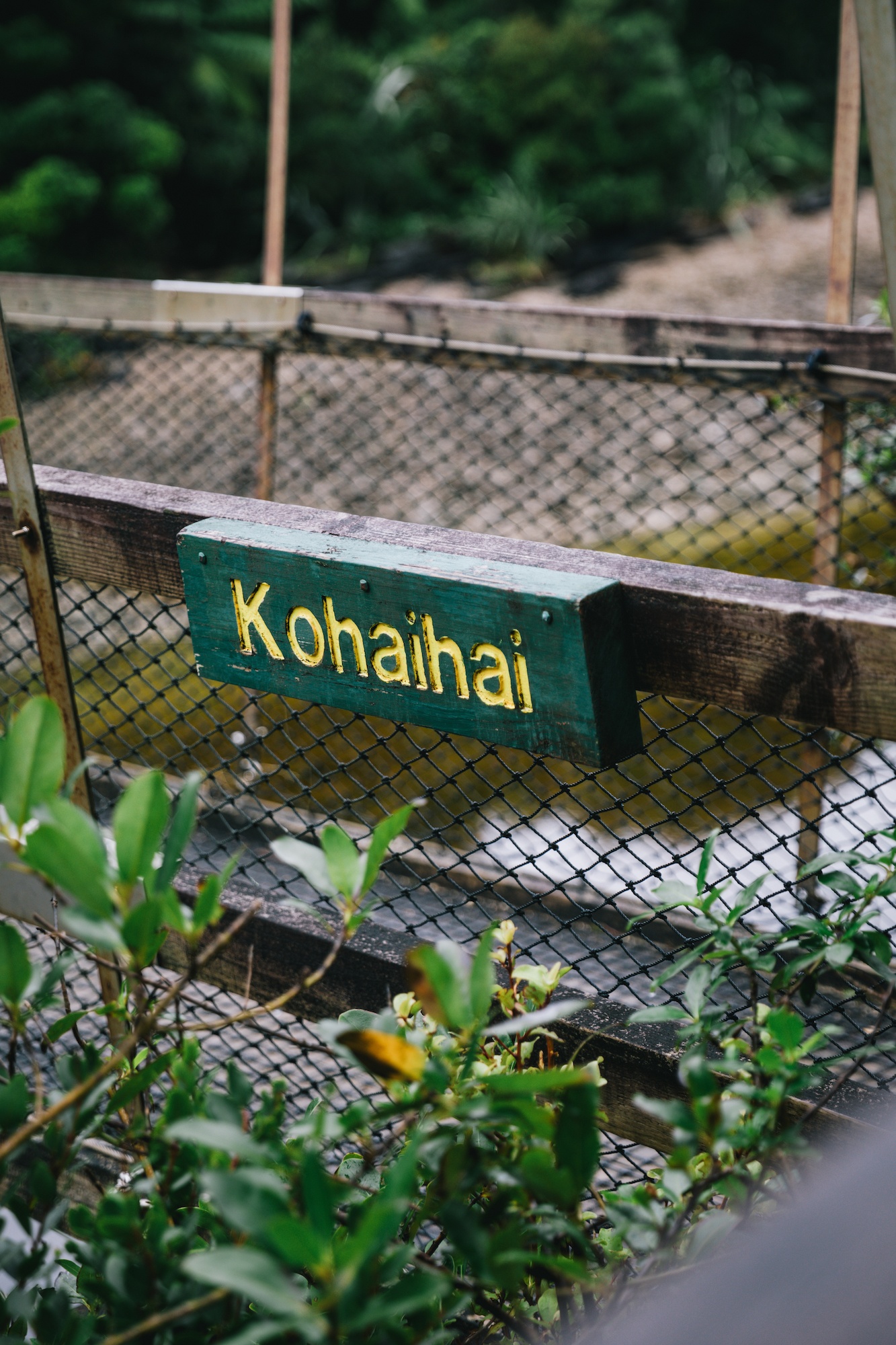
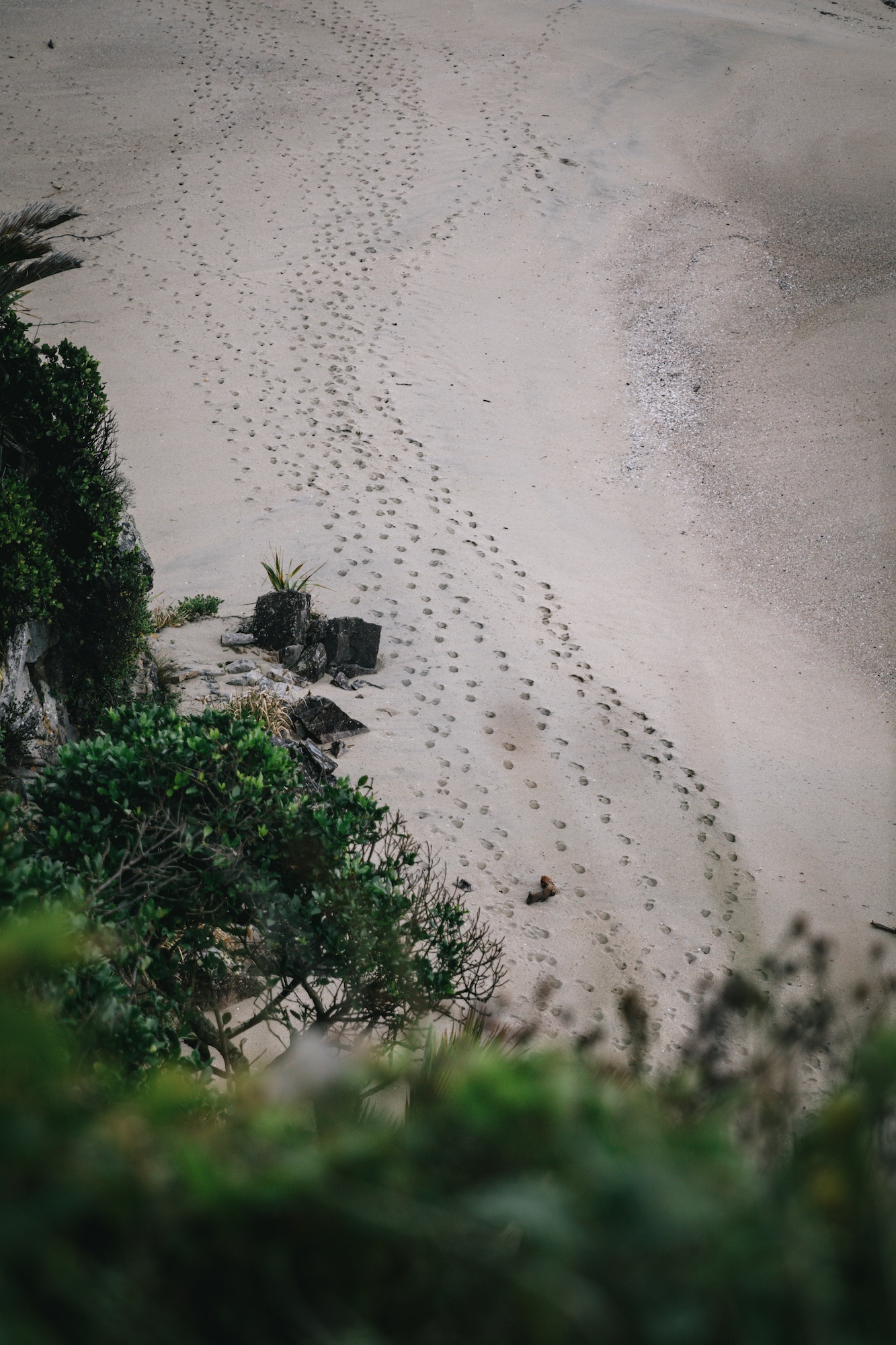
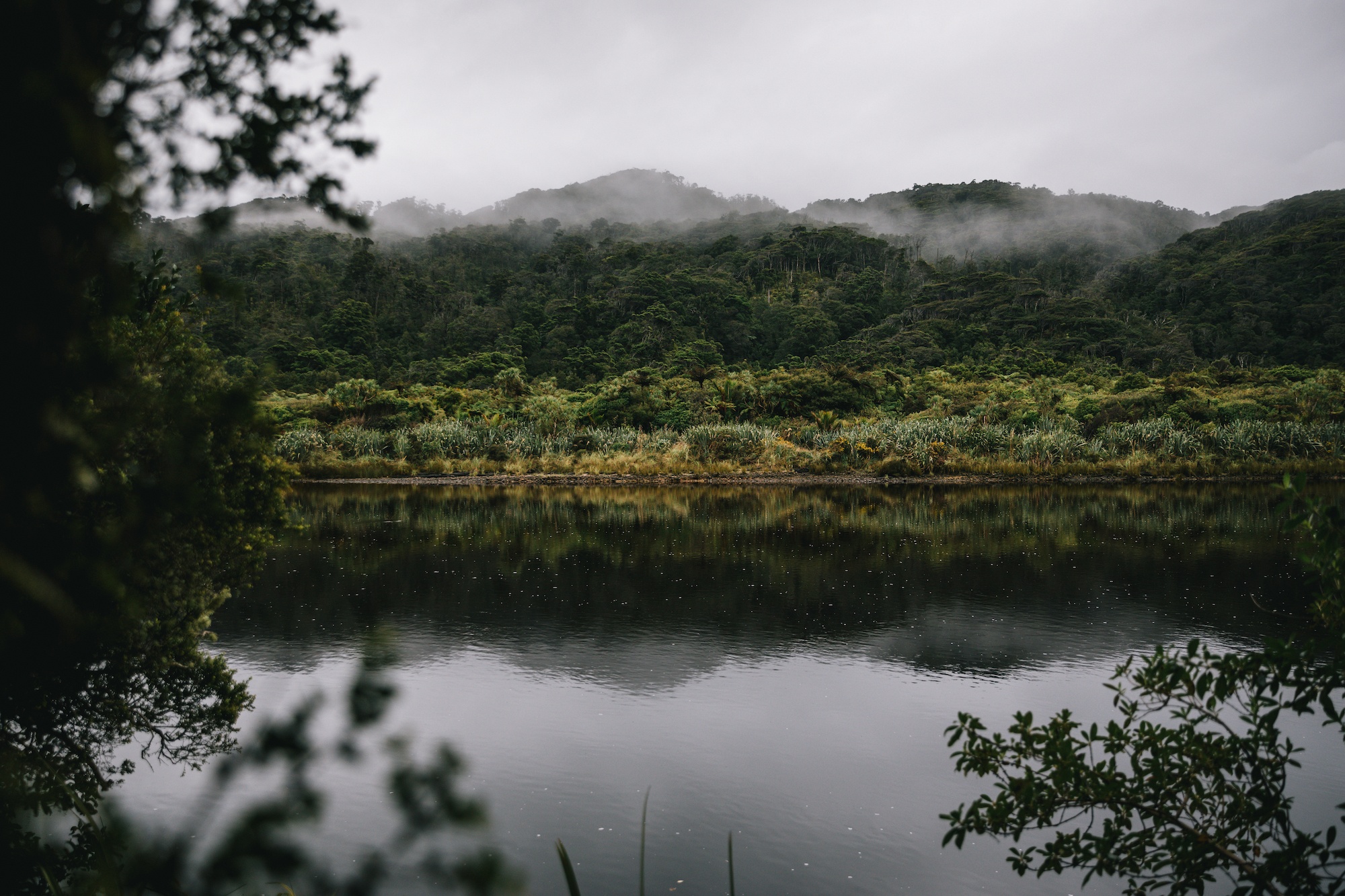
The final 16-kilometer leg follows the Heaphy River to its mouth before turning south along the coastline. This section is often cited as the most scenic, featuring wind-swept beaches, massive granite boulders, and dense groves of nikau palms. The track concludes at the Kohhaihai River mouth, north of Karamea.
Ecological Significance and the Takahe Recovery Program
The Heaphy Track is not merely a recreational asset but a vital corridor for New Zealand’s indigenous biodiversity. Kahurangi National Park is a stronghold for several endangered species, largely due to intensive predator control programs managed by the DOC and supported by community groups.
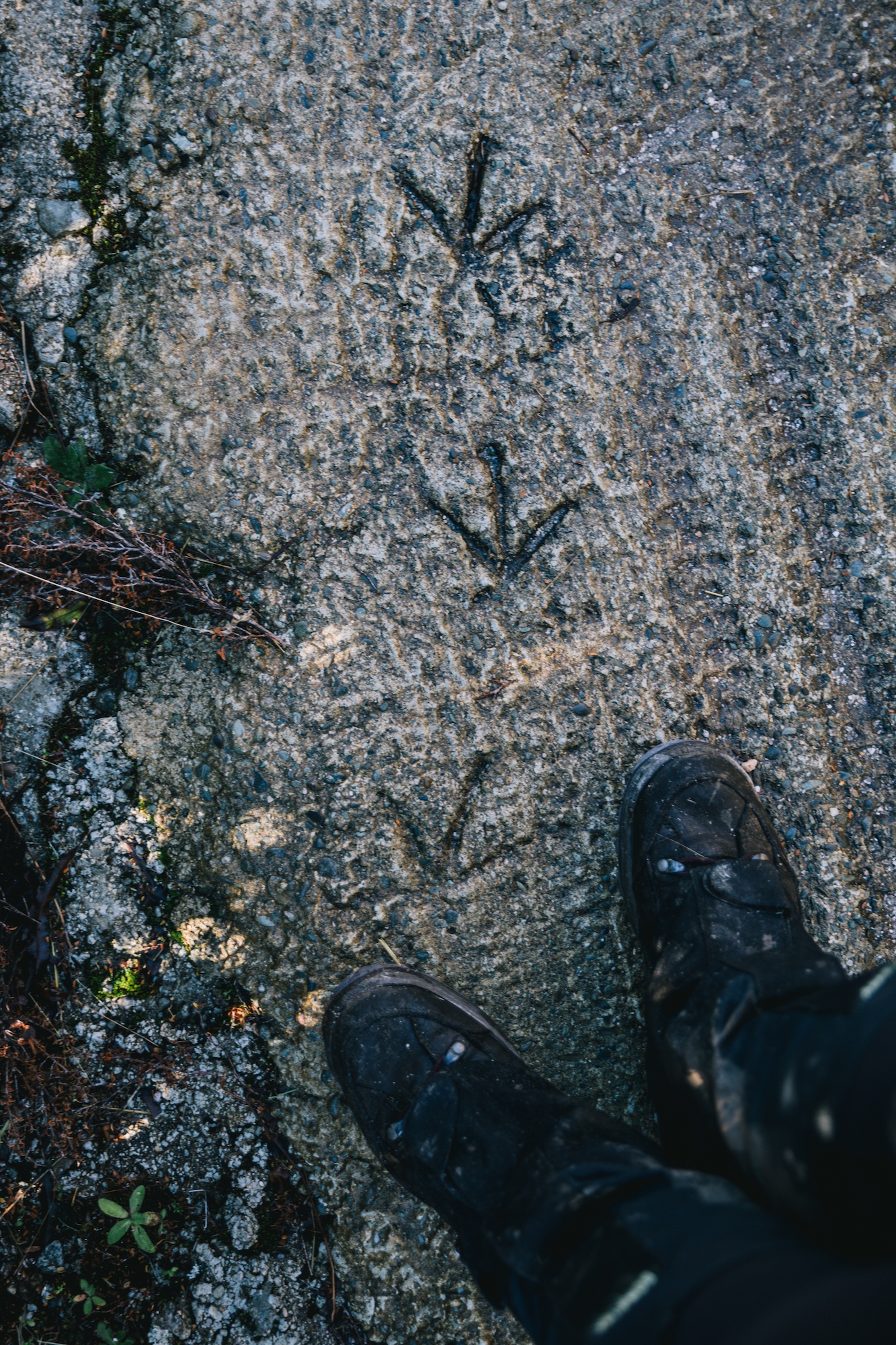
The most significant conservation milestone in the region was the 2018 reintroduction of the takahē (Porphyrio hochstetteri) to the Gouland Downs. The takahē, a large, flightless, blue-and-green bird, was once thought to be extinct until its rediscovery in the Murchison Mountains in 1948. The release of a wild population in Kahurangi marked the first time in decades that the species lived in a significant wild population outside of Fiordland. As of 2024, the national population of takahē stands at approximately 500 individuals.
Beyond the takahē, the track is home to:
- The Great Spotted Kiwi (Roroa): The largest of the kiwi species, often heard calling around the mountain huts at night.
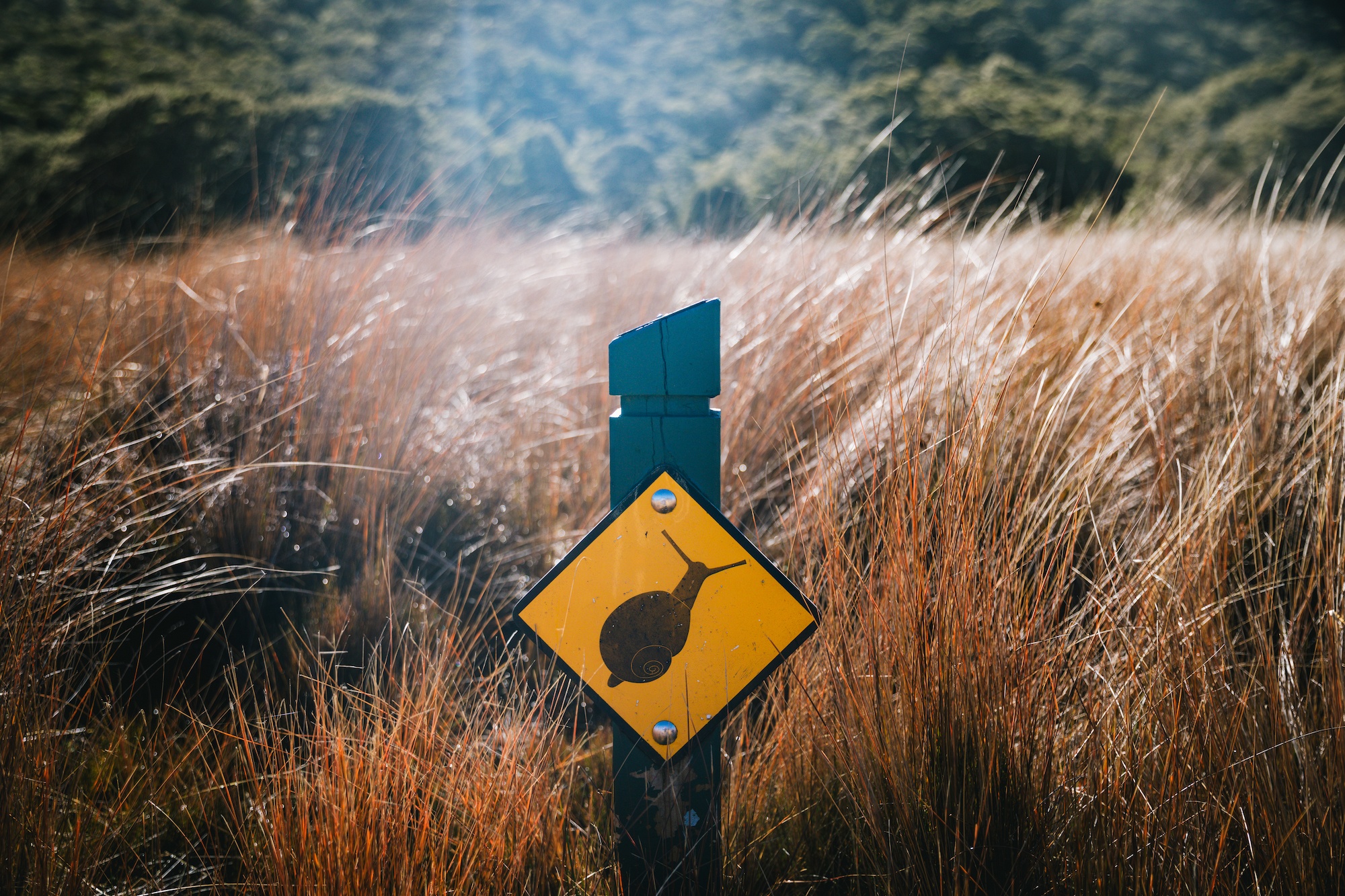
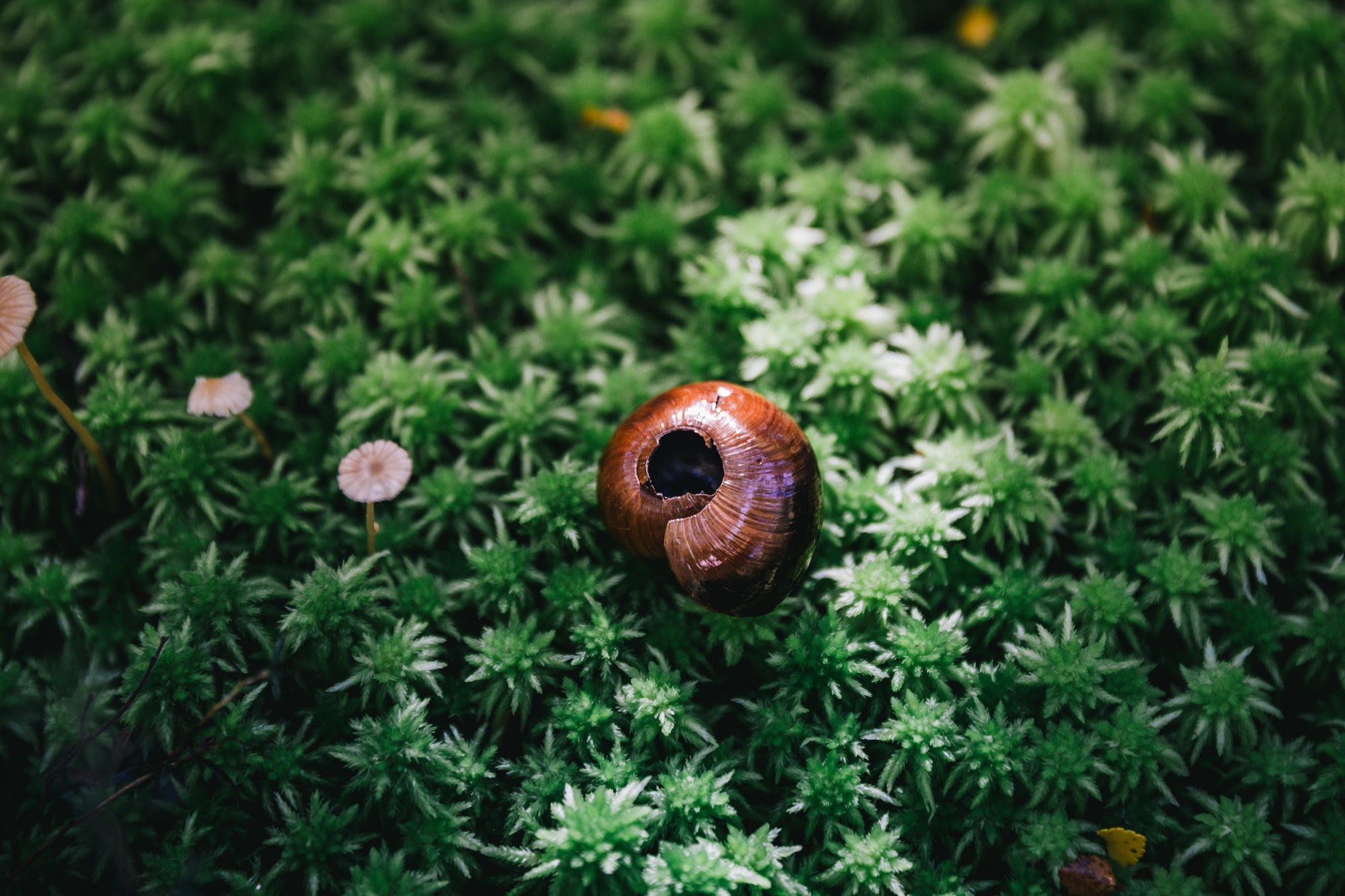
- Powelliphanta Snails: These are among the world’s largest carnivorous land snails, some growing to the size of a man’s fist. They are highly localized and protected.
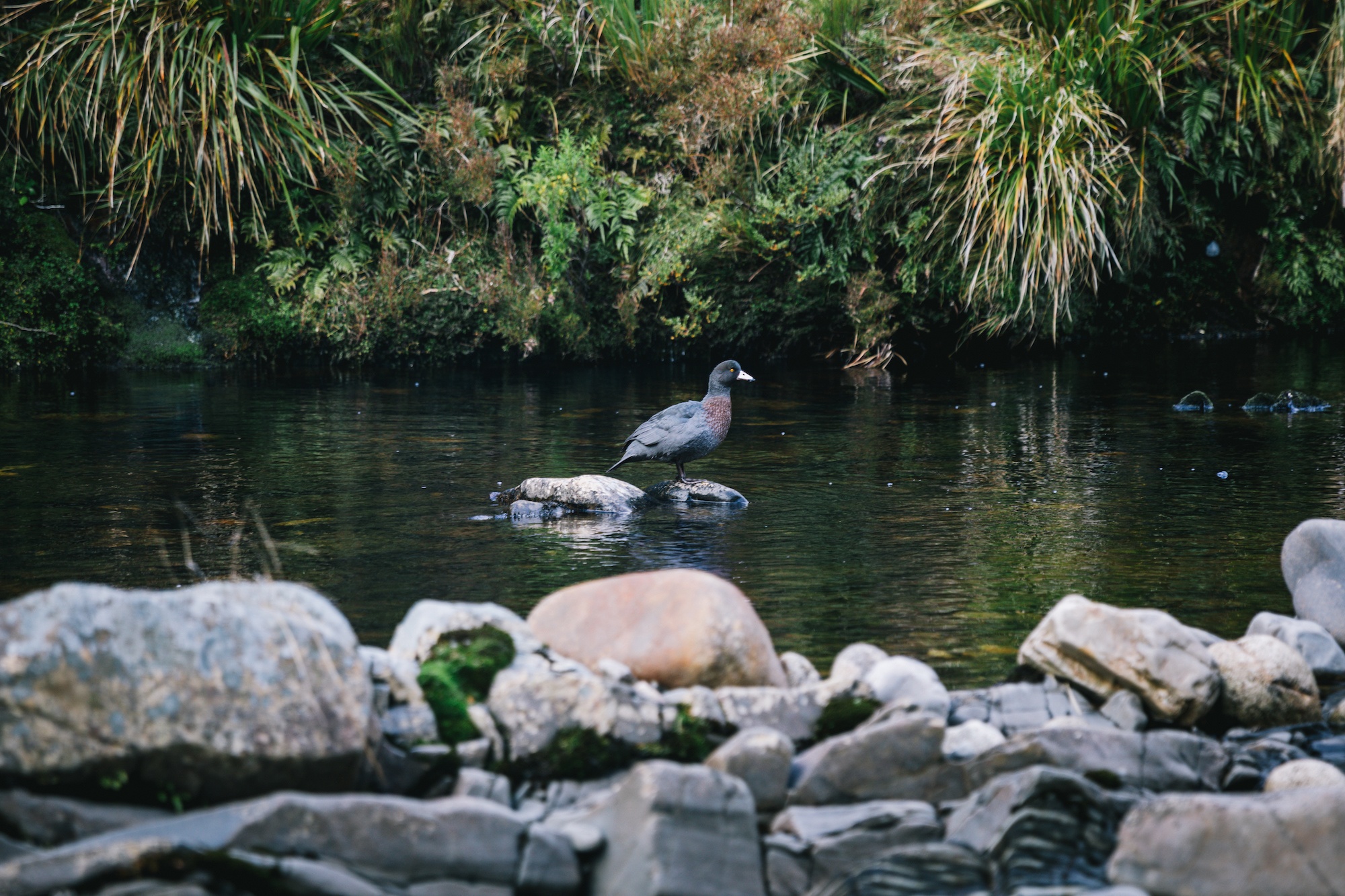
- Whio (Blue Duck): Found in the fast-flowing mountain rivers, these ducks are indicators of high water quality and healthy river ecosystems.
The prevalence of these species is a direct result of "Battle for our Birds" initiatives, which involve large-scale trapping and aerial pest control to suppress populations of stoats, rats, and possums.
Seasonal Dynamics and Multi-Use Access
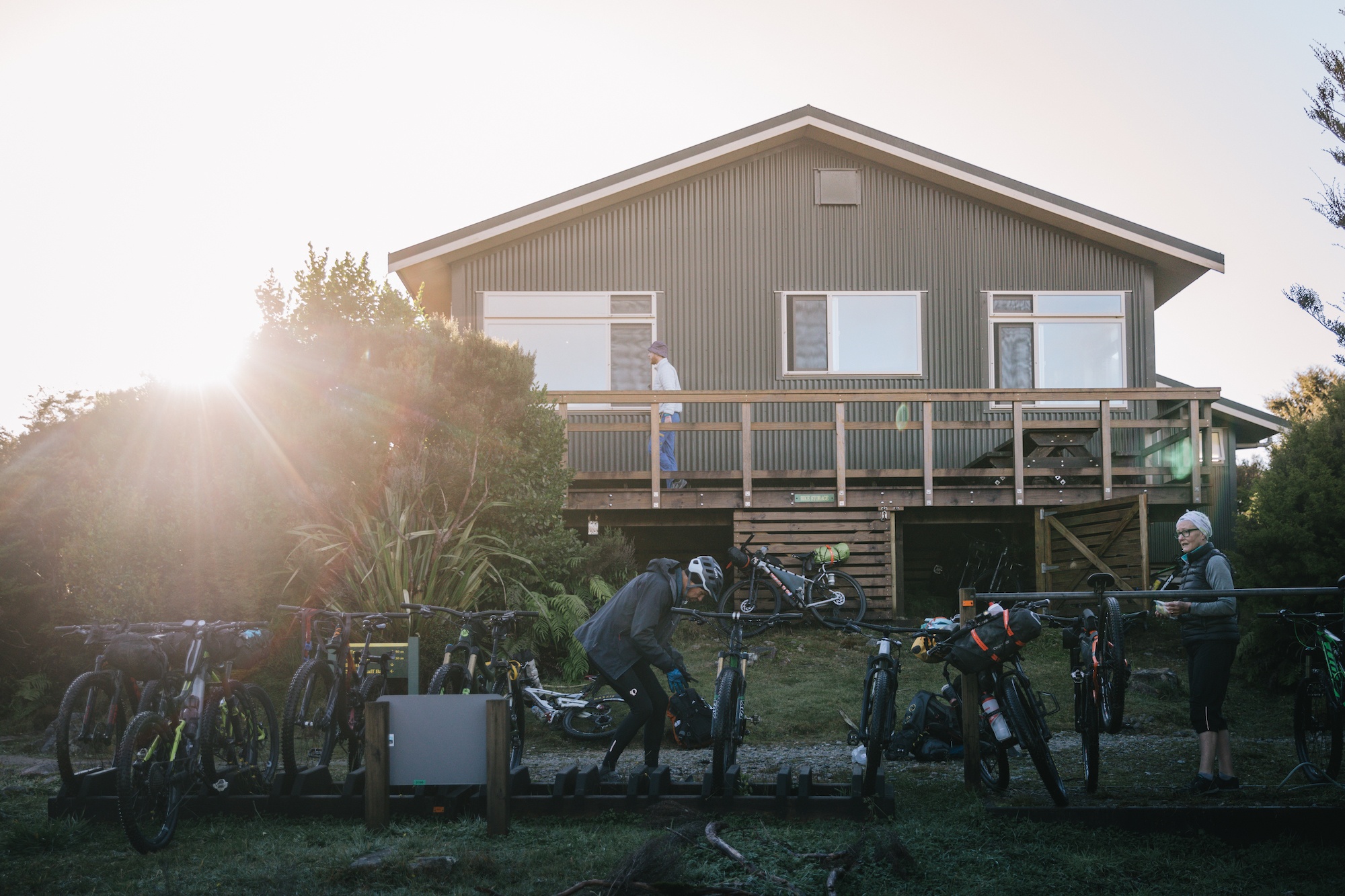
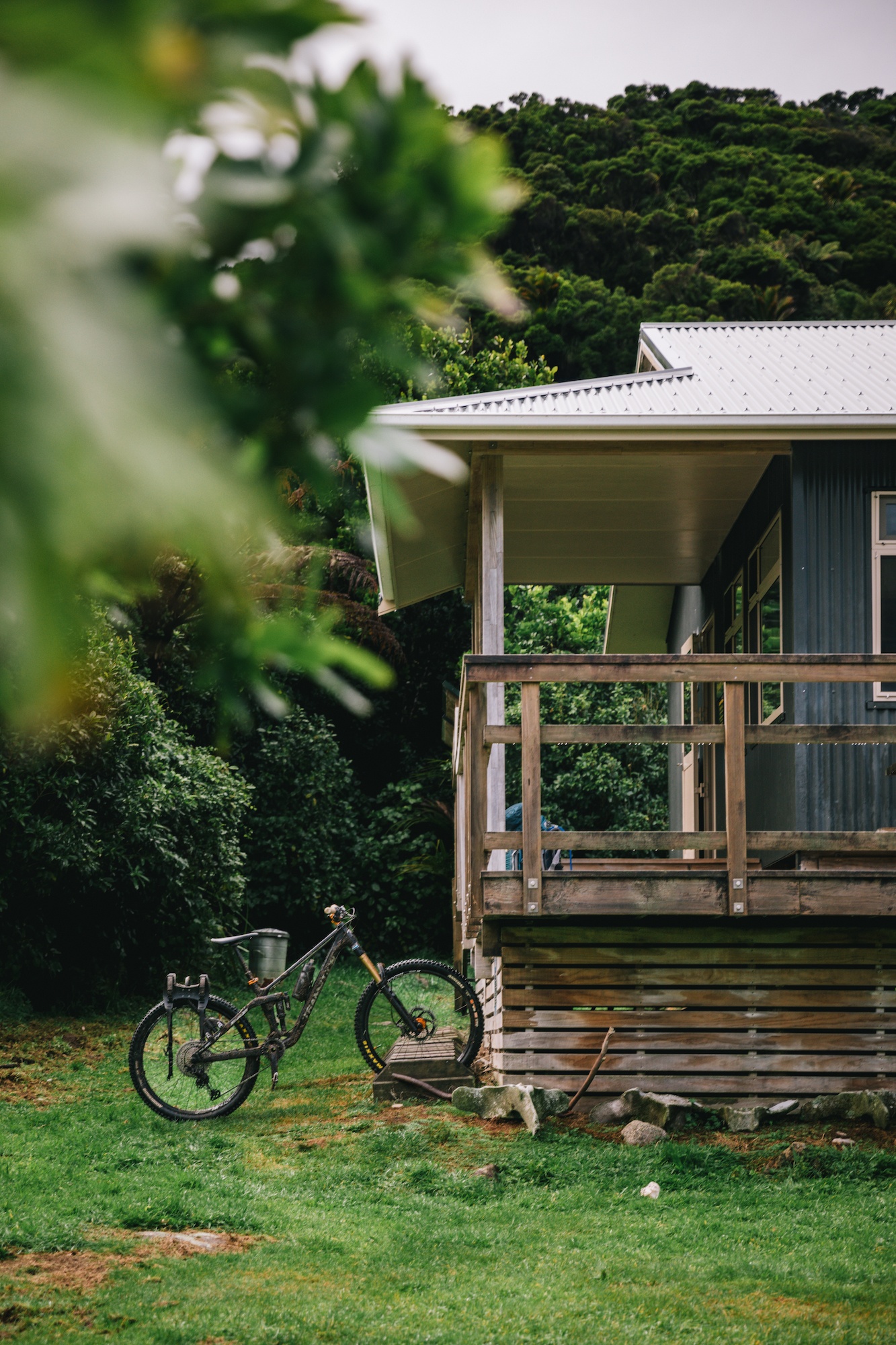
The Heaphy Track is unique among the Great Walks for its seasonal shift in usage. From May 1st to November 30th, the track is open to mountain bikers. This period coincides with the New Zealand autumn and winter, offering a different set of challenges. While the track does not suffer from the same extreme avalanche risks as the Kepler or Milford Tracks, winter hikers must prepare for heavy rainfall, freezing temperatures on the downs, and the potential for flooding.
The inclusion of mountain biking has historically been a point of debate among conservationists and hikers. However, the DOC has successfully managed this multi-use approach by maintaining strict seasonal windows and enforcing a "Code of Conduct" to ensure safety and environmental protection. The wide, hardened surface of the Heaphy makes it one of the few Great Walks capable of sustaining such use without significant trail damage.
Economic Impact and Regional Development
The Heaphy Track is a major economic driver for the Tasman and West Coast regions. A 2019 economic impact report by the DOC estimated that Great Walks contribute tens of millions of dollars to regional economies. In the case of the Heaphy, the small towns of Takaka and Karamea rely heavily on the influx of trampers for their hospitality and transport sectors.
The closure of the track in 2022 due to severe storm damage—specifically the destruction of several major bridges—highlighted this economic dependence. The subsequent $3.8 million restoration project, which included the construction of the new 110-meter-long Heaphy River bridge, was prioritized not only for recreation but as a necessary investment in regional tourism infrastructure.
Conclusion: A Benchmark for Wilderness Management
The Heaphy Track stands as a benchmark for how New Zealand manages its "clean, green" brand in the 21st century. It successfully integrates high-end tourism logistics with rugged wilderness values. For the hiker, it offers a sense of solitude and a deep connection to ancient landscapes; for the scientist, it is a laboratory for species recovery; and for the local community, it is a vital economic lifeline.
As global interest in nature-based tourism continues to grow, the Heaphy Track’s model of "infrastructure-supported wilderness" will likely become increasingly relevant. It proves that even in the most remote corners of the South Island, careful planning and robust conservation efforts can make the "hardcore" beauty of the New Zealand backcountry accessible to all, while ensuring that its most vulnerable inhabitants—from the giant snail to the prehistoric takahē—continue to thrive.