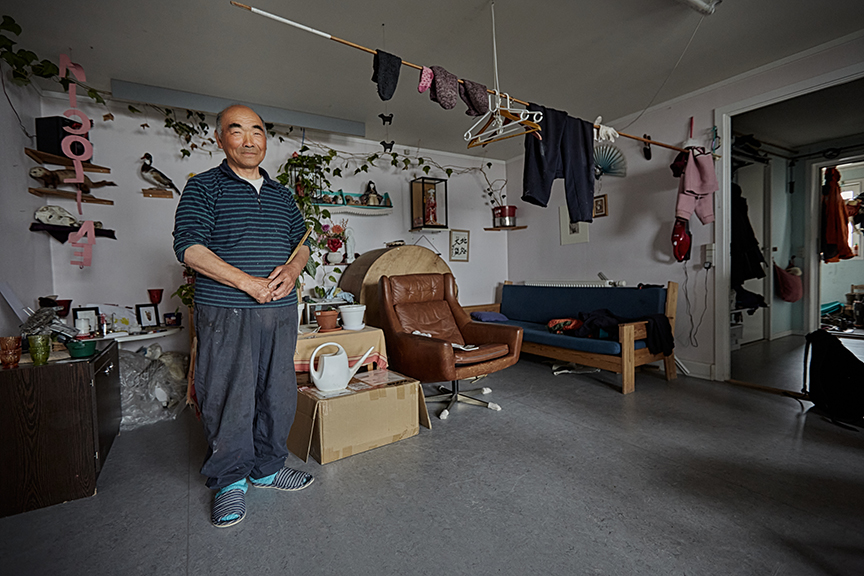
The Arctic community of Siorapaluk, the northernmost settlement in Greenland, is in mourning following the death of Ikuo Oshima, a Japanese-born resident who spent over five decades integrating into the local Inughuit culture. Oshima, 79, passed away early this morning at a care facility in the neighboring town of Qaanaaq. His death marks the end of a remarkable life trajectory that saw a Tokyo-born mountaineer transition from an outsider to a revered piniartorsuaq, or great hunter, serving as a vital cultural and scientific bridge between Japan and the High Arctic.
A Chronology of a Life Transformed
Born in Japan in 1947, Oshima’s life took a definitive turn in 1972 when he arrived in the Avanersuaq region of Northwest Greenland as a young, ambitious mountaineer. At the time, his presence was associated with high-profile expedition plans, including collaborations with legendary Japanese polar explorer Naomi Uemura. These expeditions were intended to push the boundaries of Arctic exploration through extensive dog-sledding and geographical survey work.
However, the trajectory of Oshima’s life shifted upon his arrival in Siorapaluk. Following his marriage to a local woman named Anna, Oshima abandoned his original expedition objectives to commit to a permanent life in the Arctic. The first decade of this transition was marked by significant hardship. By his own accounts, the initial years were characterized by extreme physical struggle, as he had to unlearn his urban habits and acquire the intricate, life-saving survival skills of the Inughuit people. He often recounted the early challenges of learning the local language, managing a dog team, and adapting to a subsistence lifestyle that left little room for error.
Integration and the Philosophy of the Hunt
The transition from a mountaineer to a master hunter was not merely a change in profession but a complete philosophical pivot. Oshima moved from the high-consumption, capitalist environment of mid-century Tokyo to a society governed by an economy of necessity. In the Inughuit tradition, the hunter exists in a symbiotic relationship with the environment; nothing is wasted. Animal products—including skin, sinew, bone, and fur—are utilized for clothing, shelter, and tools. This practice of extreme resourcefulness defined Oshima’s later life.
His reputation as a piniartorsuaq—a designation reserved for those who have mastered the art of hunting in the harsh, unpredictable conditions of the High Arctic—extended far beyond the small village of Siorapaluk. He became an authority on ice conditions, weather patterns, and the behavioral nuances of Arctic fauna, eventually becoming a mentor to a generation of explorers and researchers.
Scientific and Cultural Diplomacy
Oshima’s impact reached far beyond his personal success as a hunter. He became an essential facilitator for international scientific cooperation. As Japan expanded its polar research efforts, Oshima served as a crucial intermediary for scientists and students, particularly those associated with Hokkaido University. His ability to interpret the landscape allowed researchers to operate more safely and effectively in the treacherous environment of Northwest Greenland.
By providing guidance on dog-sledding techniques and polar survival, Oshima ensured that scientific endeavors in the region could persist through the long polar night. His presence helped demystify the Arctic for the Japanese academic community, fostering a unique link between the two nations that remains robust today. He was not merely a guide; he was a bridge between the hyper-modernity of East Asia and the ancient, tradition-bound survivalist culture of the northernmost Inuit.
The Geography of Belonging
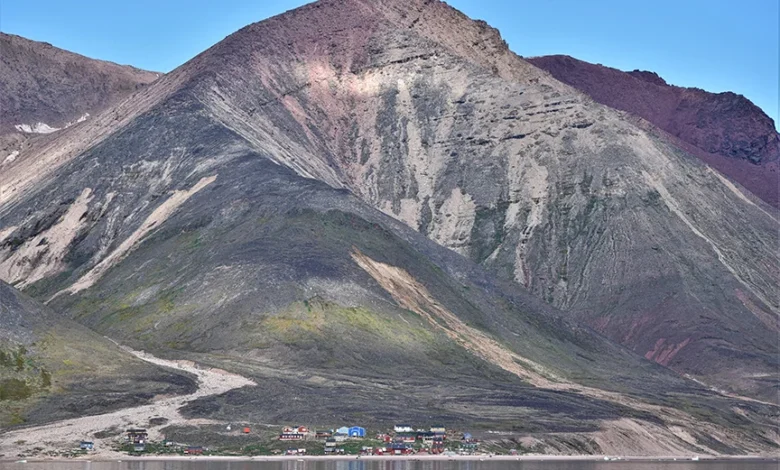
Siorapaluk, with a population typically hovering around 40 to 50 residents, is one of the most isolated permanent human habitations on the planet. Oshima’s choice to remain in this environment for over 50 years underscores a profound commitment to the region. While his peers in the international exploration community often worried about the logistics of climate-induced changes—such as shifting pack ice and unpredictable rainfall—Oshima maintained a stoic, fatalistic approach.
In a 2012 interview, when pressed about the unpredictability of the weather, Oshima famously remarked, "I never think. It will be what it will be. This is how it is." This philosophy, which initially appeared unhelpful to those focused on rigid expedition logistics, proved to be the cornerstone of his survival and his deep integration into the local culture. It reflected an acceptance of the environment as a powerful, autonomous force, rather than something to be conquered.
Legacy and Community Impact
The loss of Oshima is deeply felt by his peers, including other local legends such as Putdlaq Uvdloriaq, who shared a generational perspective on the changing Arctic landscape. Together, they represented a cohort of individuals who possessed an intuitive understanding of the Arctic that modern technology, such as satellite-based mapping and GPS, struggles to replicate.
Oshima’s family, including his daughter Tuku, remains embedded in the local culture, with Tuku herself continuing the tradition of the hunt. This generational continuity ensures that the skills and knowledge Oshima spent half a century acquiring will not vanish with his passing. His influence is physically present in the infrastructure of the region as well; he was known for his dedication to maintaining communal hunting huts, such as those at the abandoned camp of Etah, ensuring that the next generation of travelers would have shelter.
Broader Implications of a Changing North
The death of Ikuo Oshima serves as a poignant reminder of the fragility of traditional ecological knowledge. As the Arctic experiences rapid environmental shifts due to global climate change, the passing of elders who possess deep, experiential knowledge of the ice and weather patterns leaves a void that is increasingly difficult to fill. The "bridge" that Oshima represented is vital; as the Arctic becomes more accessible to global industry and tourism, the necessity for individuals who can interpret the environment through a lens of respect and necessity becomes more urgent.
Furthermore, his life offers a compelling case study in cultural assimilation and global connection. In an era often defined by geopolitical friction, Oshima’s life demonstrated that geography and cultural origin are not insurmountable barriers to human connection. By choosing to anchor himself in the High Arctic, he successfully bridged the gap between two worlds that, on the surface, seem antithetical.
Funeral Arrangements and Final Rest
Following the tradition of the region, the community of Siorapaluk is currently waiting for favorable conditions—often referred to as Sila, or the weather—to transport Oshima back home. Once the sea conditions permit safe passage, he will be returned to Siorapaluk by boat. A formal burial will follow in the village’s cemetery, marking his final transition from an international visitor to a permanent, ancestral fixture of the Arctic landscape.
While Ikuo Oshima was born in the bustling, industrial heart of Tokyo, his life’s work and final rest are testament to his true home. His legacy will persist in the scientific advancements of Japanese researchers, the hunting traditions of his descendants, and the collective memory of the Inughuit community. As the global Arctic continues to evolve, the life of the Japanese hunter who mastered the northernmost reaches of the world remains a singular, historical chapter in the human story of the High North.