Redrawing the Global Culinary Map: How Indigenous American Crops Shaped World Cuisine

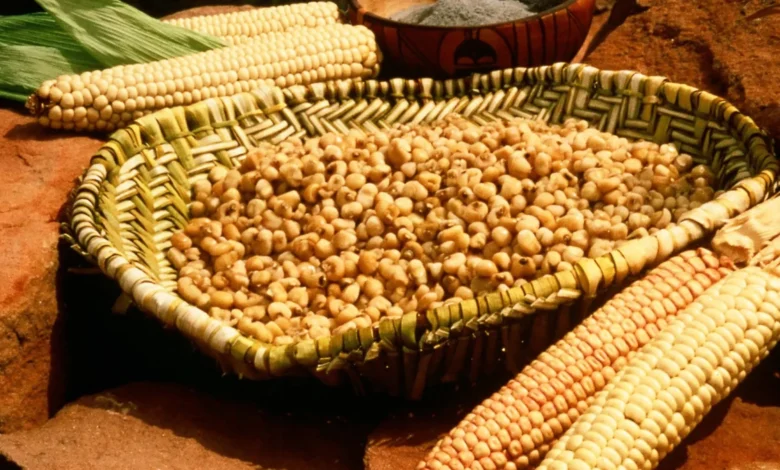
The tomato in your pasta, the chili in your Thai curry, and the potato in your fish and chips are not merely staples of regional comfort food; they are testaments to a profound agricultural revolution that occurred thousands of years ago in the Americas. Long before European maritime exploration connected the hemispheres, Indigenous farmers systematically cultivated an array of foundational crops that would eventually redefine global gastronomy.
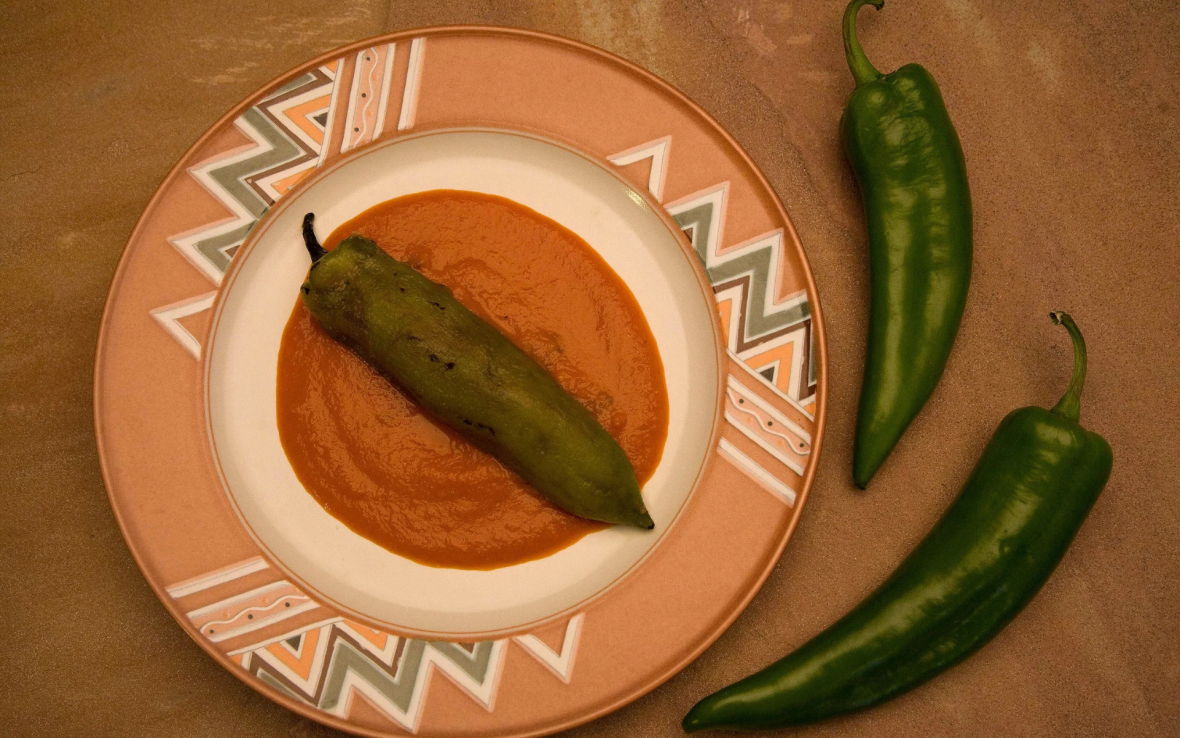
At the Santa Fe School of Cooking in New Mexico, chef, historian, and cultural anthropologist Lois Ellen Frank and her culinary partner, Walter Whitewater, examine this historical evolution. Their work challenges the traditional parameters of culinary geography, demonstrating how the global pantry was fundamentally transformed by eight Indigenous American ingredients: corn, beans, squash, chili, tomato, potato, vanilla, and cacao.
The Columbian Exchange and the "Magic Eight"
Before 1492, the agricultural systems of the Americas and the Old World operated in near-total separation. The arrival of Christopher Columbus in the Caribbean initiated what historian Alfred W. Crosby famously termed the Columbian Exchange—a sweeping biological and cultural transfer of plants, animals, human populations, and diseases across the Atlantic Ocean.

The integration of American crops into European, Asian, and African agriculture happened swiftly, though often without historical acknowledgment of their origins. As Frank points out, Italian cuisine as it is known today is unthinkable without the tomato, Irish agricultural history became inextricably linked to the potato, and Russian vodka relies entirely on a crop native to the Andean highlands. Similarly, the introduction of chili peppers to Asia permanently altered the flavor profiles of Indian curries, Thai curries, and Korean kimchi.
Without what Frank terms the "Magic Eight," modern global cuisine would be unrecognizable. Yet, beneath the story of culinary abundance lies a complex history of displacement, adaptation, and cultural resilience.

Chronology of Culinary Disruption
To understand the trajectory of Indigenous American foodways, historians like Frank categorize the timeline into three distinct eras:
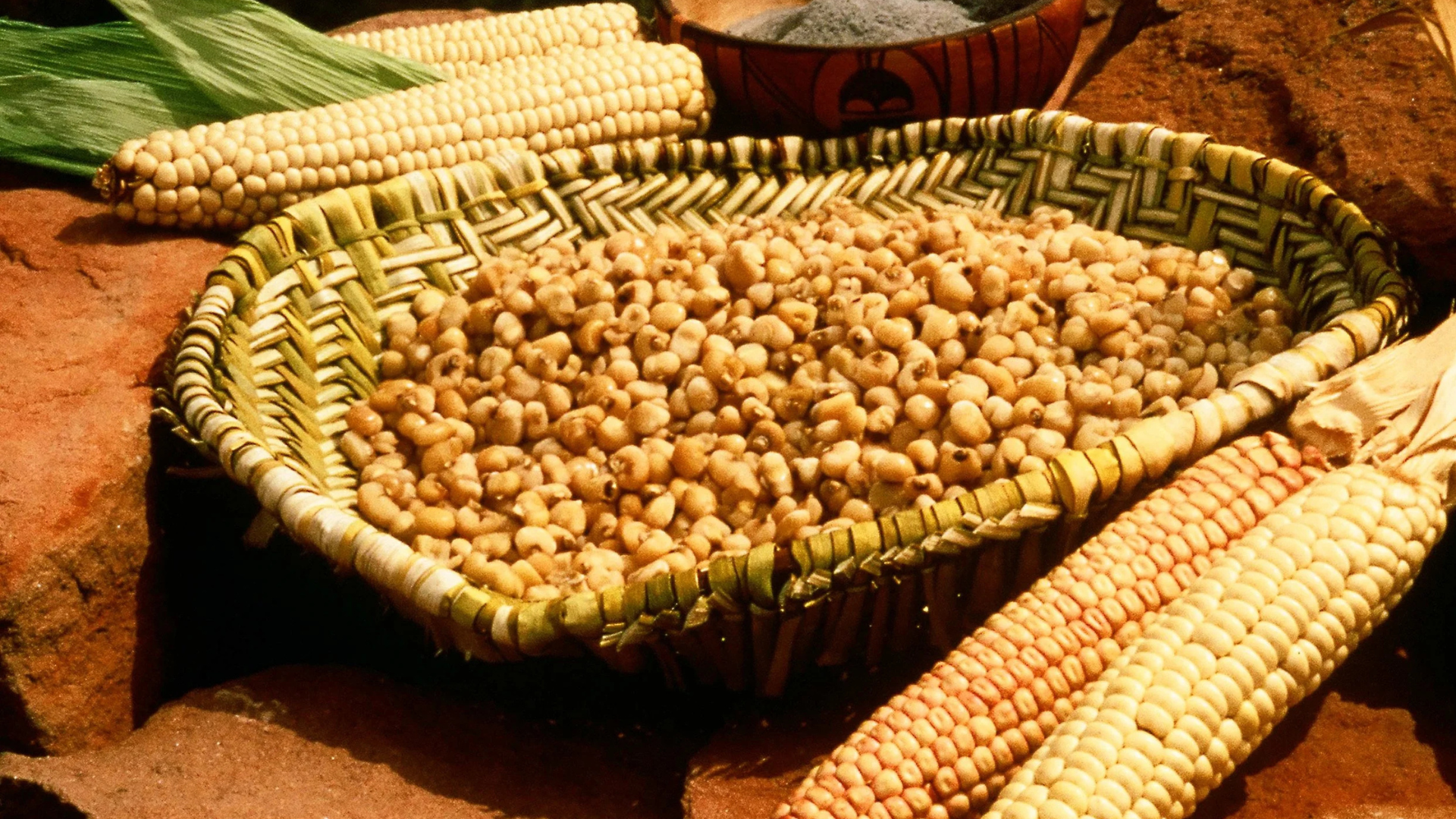
- Pre-Contact Era: Spanning thousands of years, this period was characterized by sophisticated agricultural practices developed by diverse Indigenous nations. Techniques such as the "Three Sisters" cultivation method—planting corn, climbing beans, and squash together—maximized soil fertility, moisture retention, and structural support without synthetic fertilizers. Farming was deeply integrated with ecological stewardship, operating on closed-loop, zero-waste principles.
- First Contact: Beginning in the late 15th century, European powers encountered complex Indigenous agricultural economies. Crops were rapidly extracted, cataloged, and transported across global trade routes, reshaping agricultural landscapes from the Mediterranean basin to the plains of Northern Europe and the river valleys of Asia.
- The Government Issue Period: Associated with 19th-century westward expansion, forced relocations, and reservation systems in the United States, this era marked a profound disruption in Indigenous foodways. As traditional hunting grounds and farming lands were seized, the U.S. government supplied displaced populations with commodity rations—including flour, lard, sugar, and processed canned goods.
These government-issued rations birthed new foods born of necessity, most notably fry bread. Made by combining flour, salt, and baking powder with water or milk, then frying the dough in lard, the dish became a survival mechanism under oppressive conditions. Today, fry bread occupies a complex cultural space: it is simultaneously celebrated as a symbol of Indigenous resilience and acknowledged as a painful reminder of systemic displacement.
Health Implications and Food Sovereignty
The legacy of forced dietary shifts continues to impact Indigenous communities today. Public health data underscores a disproportionate prevalence of type 2 diabetes and cardiovascular disease among Native populations in the United States—a crisis linked directly to the forced abandonment of traditional, nutrient-dense diets in favor of highly processed commodity foods.
In response, contemporary Indigenous chefs, public health advocates, and tribal leaders are championing a movement toward food sovereignty. This grassroots effort seeks to reclaim control over the production, distribution, and consumption of culturally appropriate foods. By revitalizing ancestral agricultural knowledge, reintroducing native seeds, and returning to foraging and traditional cooking techniques, these communities are working to address diet-related health disparities while safeguarding ecological heritage.

Organizations and catering enterprises, such as Frank and Whitewater’s Red Mesa Cuisine in Santa Fe, actively model this return to ancestral roots. Utilizing wild greens, hand-harvested prickly pear, and traditional cooking vessels like clay bakers, they bridge the gap between ancient culinary heritage and contemporary dining.
A Crossroads of Living Traditions
New Mexico provides an ideal backdrop for this culinary re-education. The state serves as a geographic and cultural crossroads, maintaining deep ties to 19 sovereign Pueblo nations, the Navajo (Diné) Nation, the Jicarilla Apache Nation, the Mescalero Apache Tribe, and historical connections to the Fort Sill Apache Tribe of Oklahoma. Each of these communities maintains distinct agricultural and culinary traditions rooted in the specific ecosystems of the American Southwest.
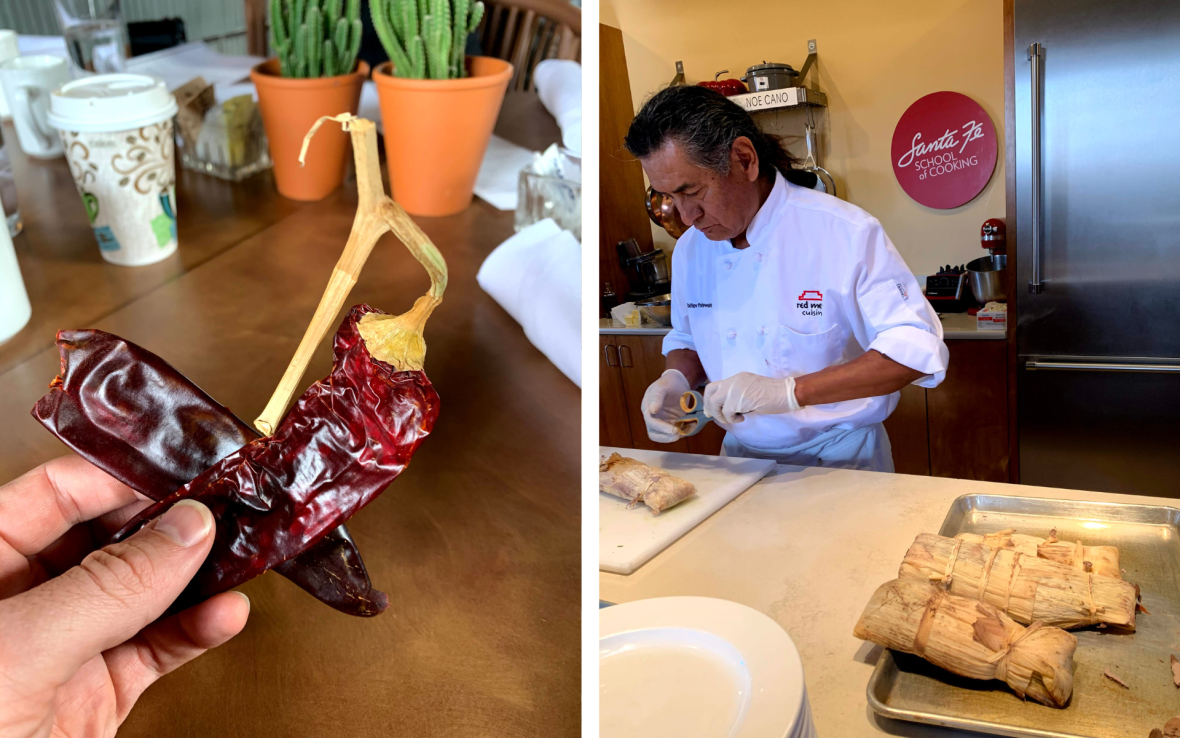
Within these traditions, food is rarely viewed merely as sustenance. During cooking demonstrations at the Santa Fe School of Cooking, Whitewater frequently emphasizes a foundational tenet of Indigenous philosophy: "Food is our medicine." This holistic perspective frames cooking not as a mechanical preparation of ingredients, but as an active engagement with community health, cultural memory, and environmental stewardship.
As modern consumers increasingly gravitate toward buzzwords like "farm-to-table," "locavore," and "organic," Indigenous food historians note that these contemporary philosophies mirror practices that have defined Native agriculture for millennia. In Indigenous languages, terms distinguishing organic from non-organic agriculture historically did not exist, because sustainable, zero-waste stewardship was the only framework applied to the land.
Ultimately, the re-evaluation of Indigenous crops goes beyond tracing the origins of a tomato or a potato. It represents a broader reckoning with global food history—one that acknowledges the profound, enduring contributions of the Americas’ first farmers and honors food as a living culture essential to physical, emotional, and spiritual well-being.