Stepping Back in Time: How Retro Glacier Glasses Are Redefining Modern Alpine Performance

For decades, the high-altitude eyewear market has been dominated by ultra-lightweight, aerodynamic, and aggressively curved synthetic frames designed to minimize wind resistance and maximize peripheral vision. Yet, a distinct counter-movement is unfolding across mountain ranges, glacial fields, and backcountry trails worldwide. Traditional mountaineering aesthetics, heavily anchored in the classic design language of the mid-20th century, are making a significant resurgence. At the center of this revival are heritage-inspired pieces like the Julbo Vermont Classic Glacier Sunglasses, a piece of gear that continues to divide outdoor enthusiasts into two distinct camps: those who view them as an impractical novelty and those who consider them the ultimate statement of timeless alpine functionality. Currently available at a discounted price of $115 at major outdoor retailers like REI, these iconic frames bridge the gap between vintage mountaineering heritage and contemporary safety standards, prompting a broader industry conversation about form, function, and the evolution of mountain gear.
The Anatomy of Alpine Heritage: Design and Functionality
To understand the enduring appeal of traditional glacier glasses, one must examine their specific architectural components, which were originally engineered out of absolute necessity rather than fashion. Unlike standard lifestyle shades or modern cycling glasses, glacier glasses are built to combat the severe environmental hazards encountered above the treeline. At high altitudes, the atmosphere is thinner, filtering out fewer ultraviolet rays, while snowpack reflects up to 80 percent of incoming solar radiation. This combination creates a high-risk environment for photokeratitis—commonly known as snow blindness—and long-term ocular damage.
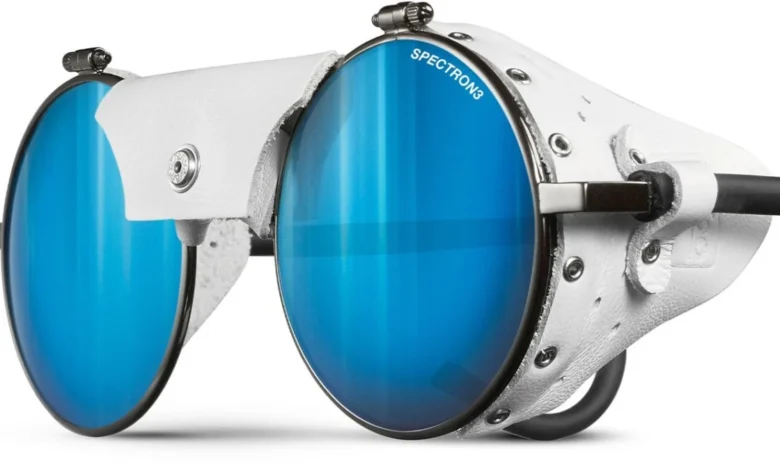
The Julbo Vermont Classic addresses these intense alpine conditions through a combination of physical barriers and specialized materials. The most prominent feature of the design is the inclusion of leather side shields, or side-blinders, which snap onto the frame to block peripheral glare reflecting off snow and ice fields. Additionally, a removable leather nose-bridge piece prevents light from entering through the center of the frame, offering comprehensive 360-degree shielding against blinding alpine luminosity.
Equally distinctive are the frame’s temples, which feature flexible, hook-shaped ends reminiscent of a shepherd’s crook. These curved arms loop securely around the back of the user’s ears, ensuring that the glasses remain firmly anchored to the face even during strenuous ascents, high winds, or unexpected falls. While modern sunglasses rely on rubberized grip pads and tension hinges, the physical wrap-around architecture of vintage glacier glasses guarantees retention without relying on external straps, a mechanical simplicity that has survived decades of gear evolution.
Bridging Eras: The Integration of Modern Materials
Despite their distinctly retro silhouette, which pays direct homage to the mountaineering golden age of the 1950s, contemporary glacier glasses are far from museum pieces. Manufacturers have carefully balanced historical accuracy with modern material science to ensure that safety and optical clarity meet current industry benchmarks.
In the case of the Vermont Classic, the most critical evolution lies in the lens technology. While original mid-century models frequently utilized heavy, fracture-prone glass lenses, modern iterations have transitioned to advanced polycarbonate constructions. Polycarbonate lenses offer significant weight reduction, reducing fatigue during long days on the trail, while providing 100 percent protection against UVA, UVB, and UVC radiation. Furthermore, polycarbonate boasts superior impact resistance, a crucial safety feature for mountaineers navigating unstable scree slopes, icefalls, or high-velocity alpine winds where flying debris poses a constant hazard.
This fusion of old-school aesthetics and twenty-first-century engineering reflects a broader trend within the outdoor recreation industry. Consumers increasingly demand gear that performs at a high technical level while offering a distinct aesthetic departure from the ubiquitous "swoopy" synthetic styles that have dominated the market since the late 1990s.
A Chronology of Alpine Eyewear Evolution
The journey of glacier glasses from obscure safety equipment to cultural touchstones spans more than a century of mountaineering history. Understanding this timeline highlights why designs from the 1950s continue to resonate with today’s outdoor community.
- Early 20th Century: Early pioneers attempting ascents in the Alps and the Himalayas experimented with rudimentary smoked glass and tinted goggles. These early prototypes were often crude, offering limited UV protection and prone to fogging in sub-zero temperatures.
- The 1950s Golden Age: As organized mountaineering expeditions gained global prominence, specialized eyewear manufacturers began engineering standardized solutions. The introduction of metal-framed glasses equipped with leather side shields and dark mineral glass lenses marked the birth of the classic glacier glass design. Brands like Julbo became synonymous with high-altitude exploration, outfitting expeditions to the world’s highest peaks.
- The Late 20th Century Shift: The 1980s and 1990s introduced synthetic materials, injection-molded plastics, and wrap-around sports designs. Traditional metal frames with leather accents were largely sidelined by lightweight, aerodynamic sunglasses marketed toward runners, cyclists, and general outdoor recreationists.
- The Contemporary Revival: In recent years, a renewed appreciation for heritage gear has propelled vintage designs back into the mainstream. Driven by a desire for durability, distinctive styling, and a rejection of fast-fashion outdoor trends, modern mountaineers and fashion-conscious urbanites alike have embraced classic glacier glasses as both functional tools and lifestyle statements.
Industry Implications and Consumer Reception
The enduring debate surrounding glacier glasses highlights a deeper psychological divide within the outdoor community regarding identity, utility, and aesthetic expression. Market analysts note that outdoor apparel and equipment purchases are rarely driven by pure utility alone; they serve as badges of belonging and markers of expertise.
For traditionalists and hardcore alpine enthusiasts, wearing classic metal-and-leather glacier glasses signals an alignment with the historical lineage of mountaineering. It is a deliberate rejection of hyper-modern, corporate sports aesthetics in favor of a time-tested, utilitarian ethos. Conversely, critics within the outdoor community often point out that traditional glacier glasses can be heavy, less ventilated, and overly specialized for lower-elevation activities, arguing that modern wrap-around sunglasses offer superior versatility and comfort for general hiking and backpacking.
Nevertheless, the commercial persistence of these legacy designs suggests that their appeal extends far beyond niche mountaineering circles. By successfully maintaining their iconic 1950s silhouette while quietly upgrading internal optics and material durability, legacy manufacturers have carved out a resilient market niche.
Broader Impact on the Outdoor Gear Market
The success of retro-engineered alpine gear points to a wider shift in how outdoor brands approach product development and marketing. As consumers grow increasingly weary of planned obsolescence and hyper-futuristic styling, heritage designs offer a sense of authenticity and permanence.
When companies invest in updating classic products—such as replacing glass with polycarbonate while retaining the signature leather shields and cable temples—they tap into a powerful consumer desire for items that tell a story. In an era dominated by disposable consumer goods, gear that combines historical significance with reliable, modern performance holds a unique and valuable position in the retail landscape.
Ultimately, whether viewed as a fashion-forward statement piece on city streets or an indispensable tool for navigating high-altitude glaciers, the enduring popularity of classic glacier glasses proves that exceptional design transcends decades. As long as adventurers seek out the world’s highest and brightest environments, the fusion of mid-century aesthetics and modern protection will remain a striking and functional fixture of alpine culture.