Karakoram Climbs Face Weather Delays While Koreans Achieve Historic First Ascent of Dost Peak


The challenging 2026 Karakoram mountaineering season has unfolded with a stark dichotomy: major expeditions on the coveted Gasherbrum peaks have been largely stalled by persistently unstable weather, forcing many climbers to either wait indefinitely or abandon their ambitious objectives. In contrast, a determined South Korean team has achieved a significant milestone, successfully completing the first ascent of a previously unclimbed 6,015-meter peak in the remote Thalay Valley, now officially named Dost Peak. This contrasting narrative highlights both the formidable power of nature in the high Himalayas and the enduring spirit of exploration that continues to define high-altitude mountaineering in Pakistan.
The Gasherbrums: A Season of High Hopes and High Winds
The Gasherbrum massif, a cluster of peaks in the Karakoram range, is home to some of the world’s highest mountains, including Gasherbrum I (Hidden Peak, 8,080m) and Gasherbrum II (8,035m). These 8,000-meter giants attract climbers from across the globe, drawn by their immense scale and technical challenges. However, the current season has been predominantly dictated by the capricious nature of Karakoram weather, characterized by unpredictable snowfall, high winds, and rapidly shifting conditions. This instability has created narrow, fleeting summit windows, testing the patience and resolve of even the most experienced mountaineers. As of late July, many expeditions have found themselves in a holding pattern at base camps, while others have made the difficult decision to conclude their climbs and head home, leaving the ultimate status of the climbing season on the Gasherbrums in question.
Gasherbrum II: Summits Amidst Lingering Uncertainty
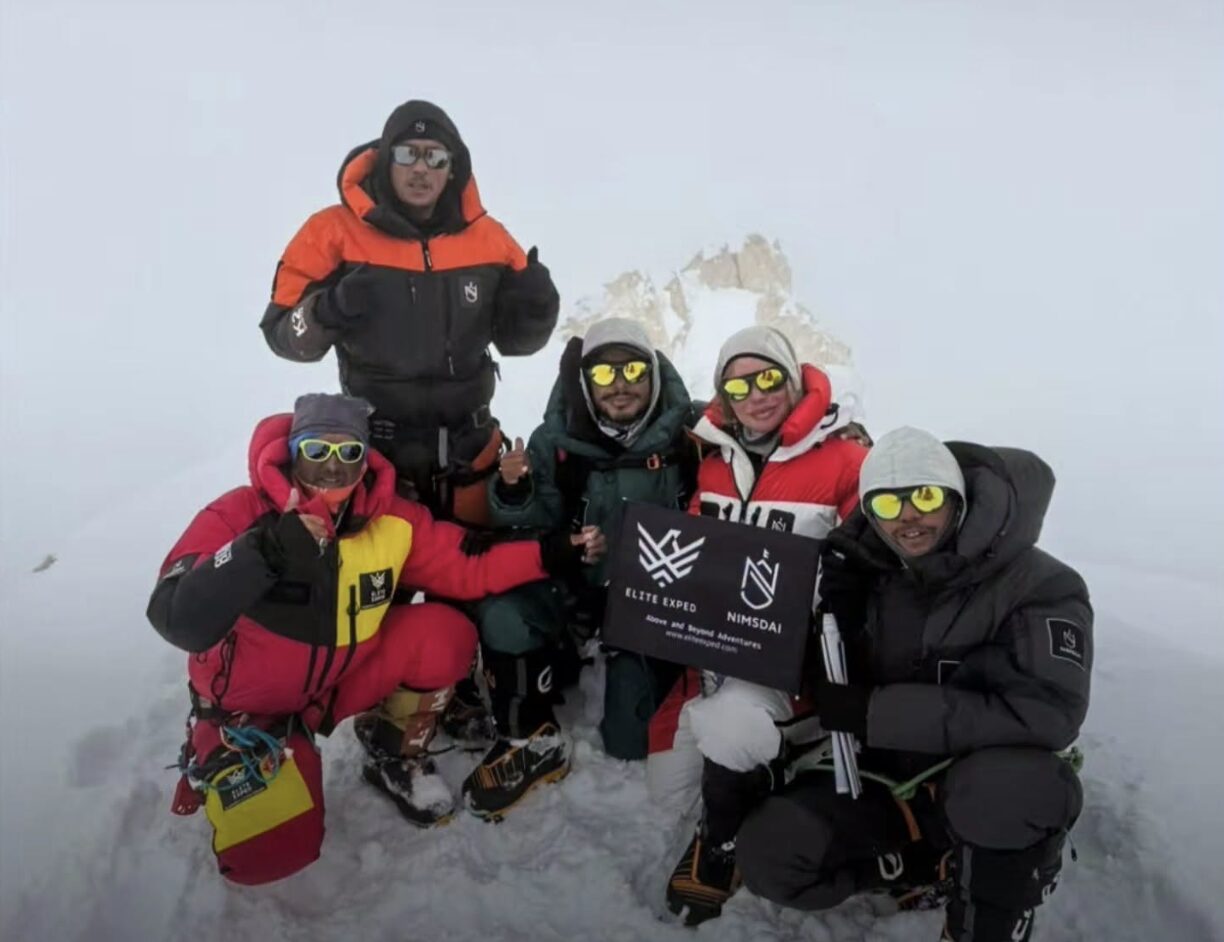
Despite the overarching weather challenges, Gasherbrum II witnessed a series of significant ascents. On July 21, the collaborative efforts of two prominent commercial expedition operators, EliteExped and Imagine Nepal, culminated in the successful fixing of ropes to the summit. This crucial infrastructure allowed a window for multiple climbers to make their bids for the top. The EliteExped team, a formidable group known for their efficiency and strength, saw Nirmal Purja, Nikol Kovalchuk of Russia, Prakash Gurung, Tenzing Sherpa, and Fida Ali successfully reach the summit. Their ascent, facilitated by supplementary oxygen, underscored the effectiveness of well-coordinated commercial expeditions in opening routes on 8,000-meter peaks.
Beyond these organized groups, the allure of Gasherbrum II also attracted independent climbers seeking to test their limits. Felix Berg of Germany and Abid Baig of Pakistan distinguished themselves by summiting Gasherbrum II without the aid of supplementary oxygen. Their remarkable feats highlight a purist approach to high-altitude climbing, where climbers rely solely on their physical acclimatization and mental fortitude to contend with the extreme thinness of the air at over 8,000 meters. Climbing without bottled oxygen significantly amplifies the physiological stress and demands a higher level of preparation and resilience, making these ascents particularly noteworthy within the mountaineering community.
However, the season on Gasherbrum II was not without its trials and unresolved narratives. The status of the Seven Summit Treks (SST) team, another major Nepalese-led expedition operator, remains unclear. This group had reportedly attempted the summit earlier in the season, before the successful pushes by Mingma G’s Imagine Nepal and Nirmal Purja’s EliteExped teams. They were ultimately forced to turn back due to a combination of unstable weather conditions and, critically, a reported lack of fixed ropes on the upper sections of the mountain. Renowned Romanian climber Horia Colibasanu, who was part of an independent group attempting GII, corroborated the issue of insufficient ropes and, facing the deteriorating conditions, made the difficult but pragmatic decision to abort his expedition entirely. Colibasanu’s withdrawal, from a climber known for his calculated risk assessment and strong ethical approach to mountaineering, underscored the severity of the challenges. It is currently unknown whether the Sherpa team from SST or other independent climbers will attempt another summit push, adding to the uncertainty surrounding the peak’s climbing season.
The Unpredictable Karakoram Weather: A Decisive Factor
The Karakoram range is infamous for its harsh and unpredictable weather patterns, which are often more extreme than those experienced in the Nepalese Himalayas. The region is influenced by both the Indian monsoon system and westerly disturbances, creating a volatile mix of heavy snowfall, high winds, and rapid temperature fluctuations. This season has been particularly challenging, with extended periods of inclement weather that have severely limited the narrow windows typically available for summit attempts. For high-altitude climbers, stable weather is paramount; it allows for safe passage through avalanche-prone slopes, reduces the risk of frostbite and exposure, and ensures visibility crucial for navigation. The current instability has meant that even well-laid plans, extensive acclimatization, and substantial logistical support can be rendered futile by a sudden storm or an unexpected surge of high winds. This year’s conditions serve as a powerful reminder of the ultimate control nature exerts over human ambition in these extreme environments.
Setbacks and Strategic Retreats on Gasherbrum I
Further compounding the challenges, Gasherbrum I, often referred to as Hidden Peak, has also seen its share of thwarted ambitions. At 8,080 meters, GI is not only higher than GII but is also considered significantly more technical and remote, presenting a tougher challenge even under ideal conditions. Spanish climbers Martin Ramos and Jorge Egocheaga, who had set their sights on Gasherbrum I, were forced to abort their climb on July 21. Their decision was driven by an exceptionally high avalanche risk, a deadly hazard exacerbated by fresh snowfall and temperature changes. Following this aborted attempt, they made the difficult but responsible choice to call off their entire expedition, prioritizing safety over summit aspirations.
The ambition to climb multiple 8,000-meter peaks in a single season, often referred to as a "double header," remains a significant challenge, even for the most seasoned professionals. Both Imagine Nepal and EliteExped, fresh from their success on GII, had reportedly expressed intentions to attempt Gasherbrum I. Such an undertaking requires immense physical endurance, mental resilience, and a sustained period of favorable weather. As of now, the mountaineering community awaits updates on whether these powerhouse teams will proceed with their GI plans, or if the persistent weather will once again force a recalculation of their objectives.
Dost Peak: A New Name Etched in the Karakoram Sky
Amidst the difficulties faced by 8,000-meter expeditions, a story of pure exploration and triumph unfolded in the less-frequented Thalay Valley of Gilgit-Baltistan. A South Korean team, led by the experienced Cho Baek Lai, achieved a historic first ascent of a previously unclimbed 6,015-meter peak. This success represents a significant contribution to the annals of mountaineering, marking the discovery and conquest of a virgin summit.
Pioneering Spirit: The Korean Expedition
The Korean team, notable for its relatively young members, meticulously planned and executed their expedition. Their approach demonstrated a clear understanding of high-altitude mountaineering principles, prioritizing careful acclimatization. Their journey began with an ascent of Khosar Gang, a nearby peak, which they successfully summited on July 8. This climb served as a crucial acclimatization exercise, allowing their bodies to adapt gradually to the reduced oxygen levels at altitude, a fundamental step in ensuring safety and performance on higher peaks. After a brief period of rest and recovery, the team moved deeper into the Thalay Valley, a region known for its rugged beauty and numerous unclimbed peaks, presenting a vast frontier for exploration.
Chronology of a First Ascent
On July 18, just ten days after their acclimatization climb, the South Korean team launched their summit bid on the unnamed 6,015-meter peak. Their efficient and well-coordinated effort saw them successfully complete the ascent in a single day. This rapid ascent underscores their fitness, technical proficiency, and effective expedition management. The success on this peak not only adds a new entry to the world’s climbed summits but also highlights the increasing capability and adventurous spirit of the South Korean mountaineering community. The team’s methodical approach, combining strategic acclimatization with a swift and decisive summit push, serves as a model for exploring remote and unclimbed territories.
The Significance of a Virgin Peak
The first ascent of a mountain, regardless of its height, holds a unique and profound significance in mountaineering. It represents a true act of exploration, charting unknown terrain and overcoming obstacles that no human has previously faced. Unlike climbing established routes on well-known peaks, a first ascent demands extensive reconnaissance, route-finding skills, and the ability to adapt to unforeseen challenges. It is a testament to the pioneering spirit, requiring a combination of audacious vision and meticulous preparation. The successful ascent of the 6,015-meter peak by the Korean team enriches the mountaineering history of the Karakoram and opens up new possibilities for future exploration in the Thalay Valley, a region ripe with unclimbed summits.
"Dost": A Symbol of Friendship and Future
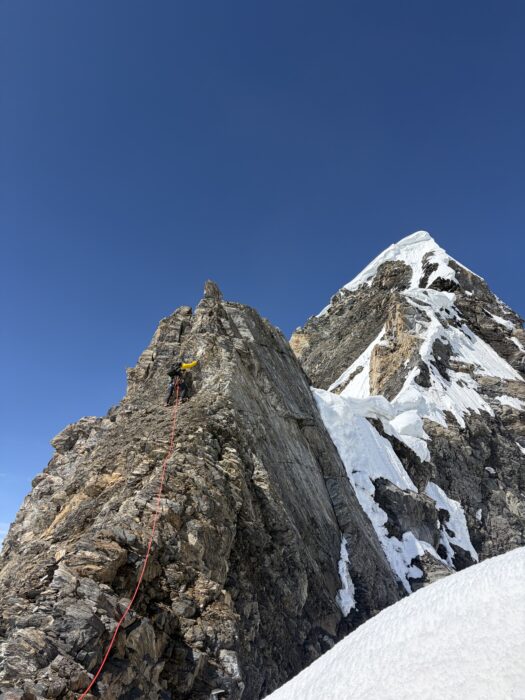
In a gesture of cultural appreciation and enduring camaraderie, the South Korean team requested their local outfitter, Sakhawat Hussain of Summit Karakoram, to choose a name for their newly climbed peak. Hussain, deeply rooted in the local culture and an ardent promoter of Pakistan’s mountaineering potential, opted for "Dost," the Urdu word for "friend." This name not only symbolizes the bond forged between the Korean climbers and their Pakistani hosts but also reflects a broader message of international cooperation and friendship through adventure.
Sakhawat Hussain is now diligently preparing the necessary documentation to officially register Dost Peak with the relevant Pakistani authorities. This formal process is crucial for officially recognizing the ascent and integrating the new name into geographical records. Hussain expressed his hope that such successful ascents of virgin mountains will serve as a powerful magnet, attracting more mountaineers from around the world to explore Pakistan’s vast and largely untapped climbing potential. His vision is that these first ascents will showcase the region’s diverse offerings, from the grandeur of its 8,000-meter peaks to the technical challenges and pristine beauty of its numerous unclimbed 6,000-meter and 7,000-meter summits.
Broader Implications and The Future of Pakistan Mountaineering
The contrasting outcomes of this season in the Karakoram carry several significant implications for the future of mountaineering in Pakistan.
Economic and Tourism Impact: The successful first ascent of Dost Peak and the ongoing, albeit challenging, expeditions on the Gasherbrums contribute directly to Pakistan’s burgeoning adventure tourism sector. Each expedition generates employment for local guides, porters, cooks, and other support staff, providing vital income to remote mountain communities. Outfitters like Summit Karakoram play a crucial role in facilitating these expeditions, ensuring logistical support and acting as cultural ambassadors. The positive publicity generated by successful climbs, especially first ascents, helps to market Pakistan as a safe and exciting destination for international mountaineers, potentially leading to increased tourist arrivals and economic benefits for the Gilgit-Baltistan region.
Safety Protocols and Expedition Planning: The difficulties encountered on the Gasherbrums, particularly the issues related to weather and rope fixing, underscore the critical importance of robust safety protocols and flexible expedition planning. The decision by experienced climbers like Horia Colibasanu to abort their expeditions due to unsafe conditions highlights a growing emphasis on safety over summit fever. This season may prompt a review of collaborative efforts in rope fixing on popular 8,000-meter peaks, encouraging more unified approaches to ensure adequate infrastructure for all climbers.
Pakistan’s Untapped Potential: The success on Dost Peak brilliantly illustrates Pakistan’s immense potential beyond its famous 8,000-meter peaks. The country boasts countless unclimbed summits in the 5,000 to 7,000-meter range, offering unique opportunities for exploratory mountaineering, technical climbing, and scientific research. These peaks often present a different kind of challenge, focusing more on technical skill, route finding, and the spirit of discovery rather than just extreme altitude. The Thalay Valley, where Dost Peak is located, is just one example of many such areas awaiting further exploration.
The Evolving Landscape of High-Altitude Climbing: This season also reflects the ongoing evolution of high-altitude mountaineering, characterized by the interplay between large commercial expeditions and smaller, independent teams. While commercial operators like EliteExped and Imagine Nepal provide essential logistical support and rope-fixing services that enable many climbers to reach summits, independent climbers like Felix Berg and Abid Baig continue to push the boundaries of style and self-reliance. The first ascent of Dost Peak further showcases that the spirit of pure exploration, often found in smaller, dedicated teams, remains a vibrant and essential component of the sport.
In conclusion, the 2026 Karakoram climbing season has presented a mixed bag of triumphs and challenges. While the Gasherbrums continue to demand patience and respect from those who attempt them, the first ascent of Dost Peak by the South Korean team stands as a beacon of pioneering spirit and international collaboration. This dichotomy reinforces the enduring allure of the Karakoram, a range that continues to test the limits of human endurance while simultaneously offering endless opportunities for discovery and friendship. The hope remains that the lessons learned from this season, combined with the successes achieved, will further cement Pakistan’s reputation as a world-class destination for mountaineers of all ambitions.