Tragic Fall at Yosemite National Park Claims Life of 19-Year-Old College Wrestling Star Ryan George

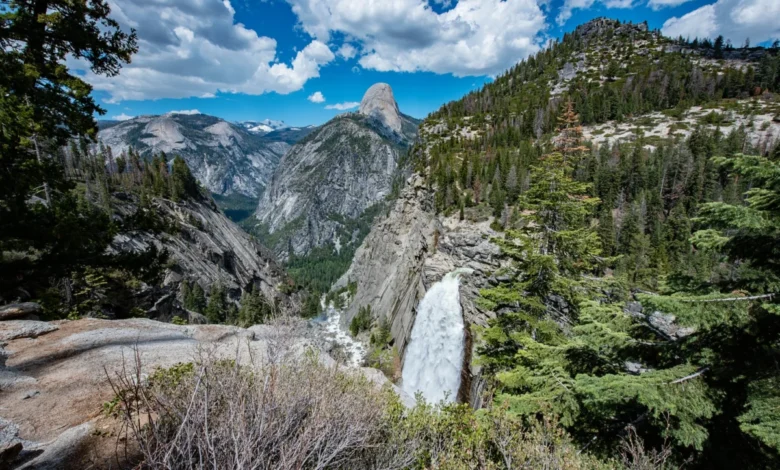
Yosemite National Park is once again mourning the loss of a young visitor following a fatal accident near one of its iconic waterfalls. Ryan George, a 19-year-old college sophomore and promising wrestling star at Santa Rosa Junior College, tragically lost his life on September 20, 2026, after suffering a reported 400-foot fall near Illilouette Falls. The incident marks the second fatal accident involving a young visitor and a waterfall in Yosemite during the summer season, intensifying ongoing concerns regarding outdoor safety, search-and-rescue resources, and the inherent hazards of navigating America’s rugged national parks.
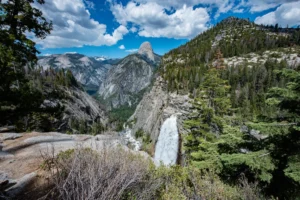
According to initial reports from the National Park Service (NPS), George was hiking in the vicinity of Glacier Point Trail with a group of friends when the accident occurred. While traversing the area near Illilouette Falls, the teenager slipped and fell approximately 400 feet into the steep terrain below. Emergency responders and park rangers quickly mobilized, locating his body near the Glacier Point Trail corridor. The National Park Service has launched an active investigation into the circumstances surrounding the fall, standard protocol for fatal incidents within federal lands.
The loss of George has sent shockwaves through his academic and athletic communities. Fred Duerr, George’s wrestling coach at Santa Rosa Junior College, remembered the young athlete as an exceptionally bright presence both on and off the mat. Described by those who knew him as genuine, positive, and deeply dedicated, George’s sudden death has left classmates, faculty, and teammates grappling with profound grief.
A Grim Summer: A Chronology of Recent Yosemite Tragedies
George’s fatal accident is part of a troubling series of high-consequence incidents that have challenged park rangers and rescue personnel throughout the 2026 summer season. Just three months prior, on June 20, 2022-year-old Josue Biares Alfaro died under strikingly similar circumstances. Alfaro suffered a fatal fall near the 594-foot Nevada Fall, prompting an urgent response from emergency crews after initial reports indicated someone had tumbled directly into the rushing cascade. His body was recovered later that same day.
While both tragedies involved young adults and Yosemite’s dramatic waterfalls, they occurred in distinct geographic sectors of the park. Illilouette Falls is situated near the elevated Glacier Point area, known for its sweeping panoramic views and precipitous drops. In contrast, Nevada Fall lies deep within the heavily trafficked Mist Trail corridor.
The Mist Trail corridor—which encompasses the Happy Isles area, the Mist Trail itself, the John Muir Trail, Vernal Fall, Nevada Fall, and routes leading to Half Dome—is widely recognized as one of the busiest and most demanding hiking zones in Yosemite National Park. During peak visitation months, an estimated 85,000 hikers traverse the Mist Trail corridor, creating a constant demand for visitor management, trail maintenance, and emergency medical services.
Strain on Search and Rescue Operations
The sheer volume of annual visitors, coupled with persistent staffing and funding shortages across federal land management agencies, has placed an unprecedented strain on Yosemite’s search-and-rescue (SAR) teams. During a public informational meeting held in June 2026, Ansley Singer, a Yosemite project team member, revealed sobering statistics regarding emergency responses within the park.
At that juncture in the year, Yosemite personnel had already responded to 99 distinct search-and-rescue incidents. Notably, 45 of those operations occurred within the Mist Trail corridor alone—the exact geographic area where Biares Alfaro would later lose his life. By comparison, parkwide statistics at the same point in 2025 stood at 98 rescue operations. The final tally for the Mist Trail corridor by the close of 2025 reached 69 incidents, illustrating a baseline of heavy emergency utilization that continues to test the limits of available park resources.
Efforts Toward Trail Safety and Infrastructure Improvements
In response to the perennial risks associated with Yosemite’s steep terrain, slick granite surfaces, and high-altitude waterfalls, park officials have implemented several infrastructure enhancements over recent years. Recognizing the specific hazards of the Mist Trail corridor, the National Park Service has undertaken projects to widen narrow trail sections, lower the vertical height of stone steps below Vernal Fall, and install protective metal railings in high-exposure areas.
Furthermore, the ongoing Mist Trail Corridor project seeks to improve visitor orientation, bolster signage, and enhance the dissemination of vital safety information before hikers embark on challenging treks. Park officials continually emphasize that natural hazards—such as polished, wet granite, sudden drop-offs, and swift-moving water—demand extreme caution, regardless of an individual’s physical fitness or outdoor experience level.
A Broader National Crisis: Fatal Falls Across Public Lands
While Yosemite’s rugged landscape frequently makes headlines, fatal falls are by no means unique to the park. The tragedy involving Ryan George underscores a systemic hazard across the entire National Park System, where accidental falls remain a leading cause of visitor fatalities.
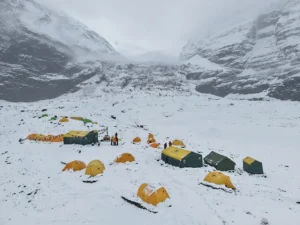
Earlier in the 2026 spring season, 68-year-old Gilberto Ramos suffered a fatal fall from a notoriously steep and exposed, chained section of the Angels Landing trail in Zion National Park. Just two months later, the mountaineering community mourned the loss of Denali National Park ranger Robin Pendery, who tragically fell into a deep crevasse near the 14,000-foot camp while actively patrolling the Alaskan wilderness.
Comprehensive mortality data compiled by the National Park Service highlights the statistical gravity of these incidents. Between 2014 and 2019, falls consistently ranked among the top three leading causes of unintentional deaths across all national parks, trailing only motor-vehicle crashes and drownings. Specific multi-year analyses, such as the mortality dashboard data covering 2014 through 2016, indicate that fatal falls accounted for approximately 17% of all visitor deaths during that timeframe, translating to roughly 29 documented fall-related fatalities across the federal park network.
Implications for Outdoor Recreation and Future Policy
The death of Ryan George serves as a somber reminder of the fine margin for error inherent in backcountry and front-country exploration alike. As national parks continue to record record-breaking visitation numbers, land managers face the complex dual challenge of promoting public access while mitigating severe safety risks.
Experts in outdoor recreation and park administration note that preventing similar tragedies will require a multifaceted approach. This includes sustained investment in park infrastructure, increased educational outreach regarding personal risk assessment, and adequate staffing to ensure rapid emergency response times when accidents do occur.
For now, the focus remains on supporting the family, friends, and collegiate community mourning the loss of a young man whose athletic promise and positive spirit left an indelible mark on those who knew him. As investigations into the Illilouette Falls incident continue, Yosemite officials reiterate their ongoing plea for visitor vigilance, urging all hikers to respect park boundaries, heed safety signage, and exercise extreme caution when exploring the park’s majestic yet unforgiving terrain.