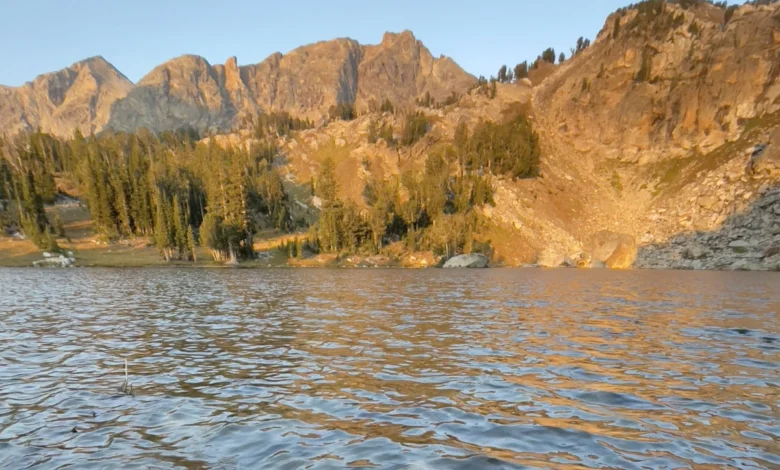
Grand Teton National Park, a crown jewel in Wyoming’s extensive public lands system, has successfully completed a pivotal land acquisition, integrating an additional 35 acres of privately owned land into its protected boundaries. This latest transaction, valued at nearly $11 million, marks a significant victory for conservation efforts in one of the nation’s most expensive real estate markets, reflecting a per-acre cost of approximately $310,000. The deal, officially celebrated on July 15, 2026, represents the culmination of a multi-year collaborative endeavor involving the National Park Service (NPS), state and local governments, and key conservation organizations, most notably The Conservation Fund.
The Latest Acquisition: A Priceless Expansion
The 35-acre parcel, strategically located near the park’s southwestern entrance adjacent to the renowned Jackson Hole Mountain Resort, was acquired for $10,995,000. This tract is not merely an addition of acreage but a critical piece of habitat, safeguarding vital wildlife corridors and contributing to the scenic integrity that draws millions to the park annually. The land was purchased from the venerable Resor family, owners of the historic Snake River Ranch, which has been a prominent private landholding in the region since 1929. The high price tag underscores the intense development pressure and astronomical land values in Teton County, an area consistently ranked among the wealthiest in the United States, with an average annual per capita income often exceeding $530,000. Securing this land for public use and conservation amidst such economic forces required considerable strategic planning and financial commitment from all parties involved.
A Legacy of Conservation: The Snake River Ranch and Public-Private Partnerships
This recent acquisition is the final installment in a series of six land deals that have collectively transferred 212.4 acres from the Resor family’s Snake River Ranch to Grand Teton National Park since 2001. The Resor family, through generations of stewardship, has demonstrated a unique commitment to preserving the natural character of their vast property, even in the face of immense financial incentives for development. Their willingness to partner with conservation entities has been instrumental in incrementally expanding the park’s protected footprint.
The history of Grand Teton National Park itself is intertwined with complex land acquisition efforts. From its initial establishment in 1929 and subsequent expansion in 1950, the park has grappled with the challenge of private inholdings – parcels of private land situated within the boundaries of public lands. These inholdings often present conservation dilemmas, as they can be vulnerable to development that fragments habitat, disrupts ecological processes, and diminishes the wilderness experience for visitors. The ongoing efforts to acquire such lands, particularly those with high ecological value, are central to the NPS mission.
Strategic Partnerships and Sustainable Funding

The success of this and previous deals is largely attributable to robust partnerships. The National Park Service, as the primary beneficiary and steward, worked closely with The Conservation Fund (TCF), a national nonprofit renowned for its expertise in protecting at-risk land. TCF plays a crucial role by often acquiring land quickly from willing sellers and holding it until federal funding becomes available for the NPS to purchase it, effectively bridging financial and temporal gaps.
Funding for this monumental transaction came in part from the federal Land and Water Conservation Fund (LWCF). Established by Congress in 1965, the LWCF is a bipartisan program that uses a portion of revenues from offshore oil and gas leasing – rather than taxpayer dollars – to conserve natural areas, water resources, and cultural heritage, and to provide recreation opportunities. It is a cornerstone of American conservation policy, funding projects in every state and nearly every county. The LWCF’s sustained funding, particularly following its permanent reauthorization and full funding through the Great American Outdoors Act in 2020, has been vital for high-priority land acquisitions like those at Grand Teton, enabling the NPS to compete in competitive real estate markets.
Grand Teton National Park Superintendent Chip Jenkins emphasized the long-term vision behind these efforts: “The landscapes that define Grand Teton National Park exist today because generations of people have made the commitment to protect them. This milestone represents decades of stewardship and collaboration to conserve wildlife habitat, maintain the scenic character visitors cherish, and preserve the integrity of this landscape.” His statement reflects the profound impact of sustained conservation initiatives and the dedication of various stakeholders.
Ecological Imperative: Safeguarding the Greater Yellowstone Ecosystem
The newly acquired lands are not just scenic vistas; they are critical components of the vast Greater Yellowstone Ecosystem (GYE), one of the largest intact temperate ecosystems on Earth. The GYE is a biodiversity hotspot, supporting a remarkable array of flora and fauna, including numerous species designated as endangered, threatened, or at-risk. Among these are iconic species like the grizzly bear, which relies on large, connected landscapes for survival, and the Canada lynx, a reclusive forest dweller. Other sensitive species found in the GYE include the yellow-billed cuckoo, the greater sage grouse, and the western glacier stonefly, each requiring specific habitat protections.
Dan Schlager, Wyoming State Director for The Conservation Fund, highlighted the immediate threat these lands faced: "These tracts, located right next to Jackson Hole Mountain Resort, were at high risk of development." The expansion ensures that these crucial habitats remain undisturbed, providing essential corridors for wildlife migration and buffering existing park lands from encroaching human development. Protecting these areas prevents habitat fragmentation, maintains ecological connectivity, and ensures the long-term viability of the GYE’s unique biodiversity. The TCF’s press release underscored this, stating, "Together, these lands help safeguard the scenic character, wildlife habitat and recreational opportunities that define the park and the Greater Yellowstone Ecosystem."
Economic Resonance: Tourism, Recreation, and Regional Prosperity
Beyond their ecological value, national parks like Grand Teton are powerful economic engines for their surrounding regions. The Conservation Fund estimates that Grand Teton National Park welcomed approximately 3.6 million visitors in 2024 alone, generating an impressive $983 million in economic impact for the local economy. This influx of visitors supports a wide range of businesses, from hospitality and retail to outdoor gear and guiding services, creating jobs and fostering regional prosperity.

The outdoor recreation industry is a significant contributor to Wyoming’s economy. The Wyoming Chamber of Commerce reported that "Outdoor recreation jobs account for 4.5% of the state’s Gross Domestic Product – the fifth-highest share of any state in the country." Expanding the park’s boundaries enhances its capacity to accommodate visitors, potentially attracting even more tourists and further bolstering local employment and businesses. This symbiotic relationship between conservation and economic vitality underscores the importance of continued investment in public lands. The additional acreage provides more diverse recreational opportunities, helps disperse visitor impact, and preserves the pristine natural experience that is the primary draw for many.
Broader Implications for Public Lands Conservation
This successful acquisition at Grand Teton National Park sets an important precedent for future conservation efforts, particularly in regions where land values are exceptionally high. It demonstrates that with concerted effort, strategic partnerships, and dedicated funding mechanisms like the LWCF, even the most challenging land deals can be realized.
The high per-acre cost of this transaction serves as a stark reminder of the financial realities facing land conservation in rapidly developing areas. It highlights the escalating urgency to acquire critical lands before they are lost to irreversible development. This achievement underscores the effectiveness of collaborative models, where federal agencies, state and local governments, and private conservation groups unite to achieve common goals. Such partnerships leverage diverse resources, expertise, and political will, proving indispensable in navigating complex land ownership issues.
For the National Park Service, the integration of these 35 acres into Grand Teton marks a significant step towards fulfilling its mandate to preserve unimpaired the natural and cultural resources and values of the national park system for the enjoyment, education, and inspiration of this and future generations. While a few hundred acres may seem minor compared to the park’s overall size of over 300,000 acres, each addition of ecologically significant land is a vital victory in the ongoing battle to protect America’s natural heritage.
Looking Ahead: Continued Stewardship and Challenges
The expansion of Grand Teton National Park is a cause for celebration among conservationists, outdoor enthusiasts, and local communities. It ensures that a vital piece of the Greater Yellowstone Ecosystem remains protected, offering sanctuary to wildlife and unparalleled natural beauty to visitors. However, the challenges of managing public lands in the face of increasing visitor numbers, climate change impacts, and ongoing development pressures remain.
The success of this acquisition reinforces the importance of sustained public support and political commitment to conservation funding programs. As national parks continue to face mounting pressures, innovative approaches to land acquisition and management will be crucial. The Grand Teton model—a testament to patient negotiation, strategic partnerships, and dedicated funding—offers a blueprint for other protected areas striving to safeguard their ecological integrity and ensure their legacy for generations to come. The effort to preserve these magnificent landscapes is never truly finished, but each successful acquisition reinforces the enduring value placed on America’s natural treasures.