The Evolution of Digital Nomad Accommodation: How Global Coliving Networks Are Reshaping Remote Work Infrastructure

The intersection of international travel and remote employment has long presented logistical hurdles for the modern workforce. Historically, location-independent professionals faced a frustrating binary choice: sacrifice workspace ergonomics and high-speed internet reliability for the cultural immersion of budget hostels, or pay exorbitant rates for private accommodations like traditional short-term rentals, where broadband speeds frequently fail to meet professional standards. However, the post-pandemic normalization of remote work has catalyzed a structural evolution in global real estate and hospitality, giving rise to specialized coliving networks designed specifically to bridge this gap.
Among the enterprises leading this transformation is Outsite, a global network of integrated coliving and coworking spaces catering to digital nomads, remote employees, and location-independent entrepreneurs. By merging the functional infrastructure of a corporate office with the social dynamics and community curation of boutique hospitality, platforms of this caliber are redefining the physical parameters of how and where the global workforce operates.
The Macroeconomic Shift: Rise of the Flexible Workforce
The rapid expansion of the remote work ecosystem over the past five years has fundamentally altered urban demographics and real estate demands worldwide. According to various labor market studies, the percentage of remote-capable employees working either hybrid or fully remote schedules remains significantly elevated compared to pre-2020 baselines. This shift has birthed millions of digital nomads—individuals who decouple their labor from a fixed geographic location, moving across international borders while maintaining full-time professional commitments.
Yet, this lifestyle has exposed severe friction points in traditional travel infrastructure. Navigating foreign lease agreements, purchasing short-term access passes to local commercial coworking hubs, and enduring the unreliability of residential Wi-Fi networks have created acute productivity bottlenecks. Industry analysts note that these compounding inconveniences often lead to burnout, social isolation, and professional stagnation among remote workers who lack a stable infrastructure. Coliving models emerged precisely to mitigate these pain points, offering turnkey living environments complete with enterprise-grade connectivity, dedicated workstations, and pre-established professional communities.
Chronology and Expansion of the Coliving Model
The modern coliving sector traces its contemporary roots to the mid-2010s, a period when the digital nomad movement began transitioning from a fringe lifestyle pursued primarily by freelance web developers and travel bloggers into a viable option for corporate professionals.
In 2015, the operational blueprint for modern remote-work coliving was established with the launch of a single property in Santa Cruz, California. Conceived initially as a communal hub for individuals seeking to balance surfing with software development or remote writing, the enterprise quickly identified a broader, unmet market demand for standardized, productivity-optimized accommodations.
Over the subsequent decade, the network expanded globally, scaling to encompass a portfolio of over 50 properties spanning North America, Europe, Latin America, and Asia. Alongside this physical footprint expansion, the platform introduced a tiered membership architecture. This model provided frequent travelers with discounted nightly rates, priority booking access, and specialized community perks, cementing coliving as a distinct asset class within the broader hospitality and real estate sectors.
Operational Infrastructure: Inside the Modern Coliving Facility
Operating at the intersection of a boutique hotel, a shared residential home, and a commercial office space, contemporary coliving spaces are engineered for high-performance productivity and communal engagement.
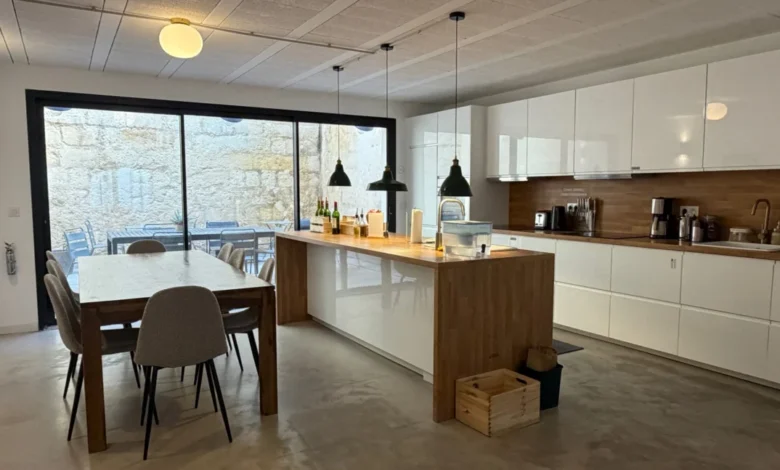
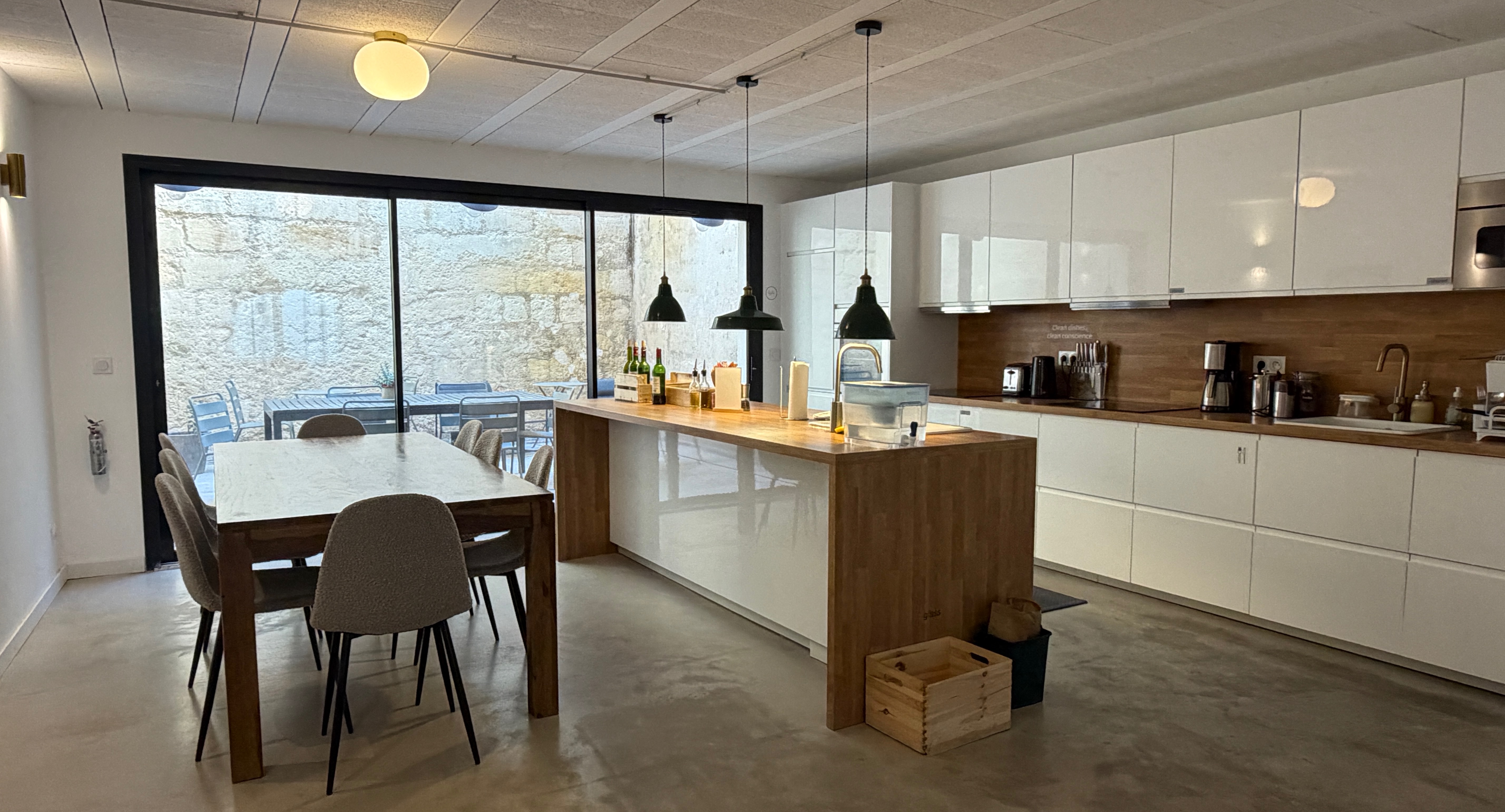
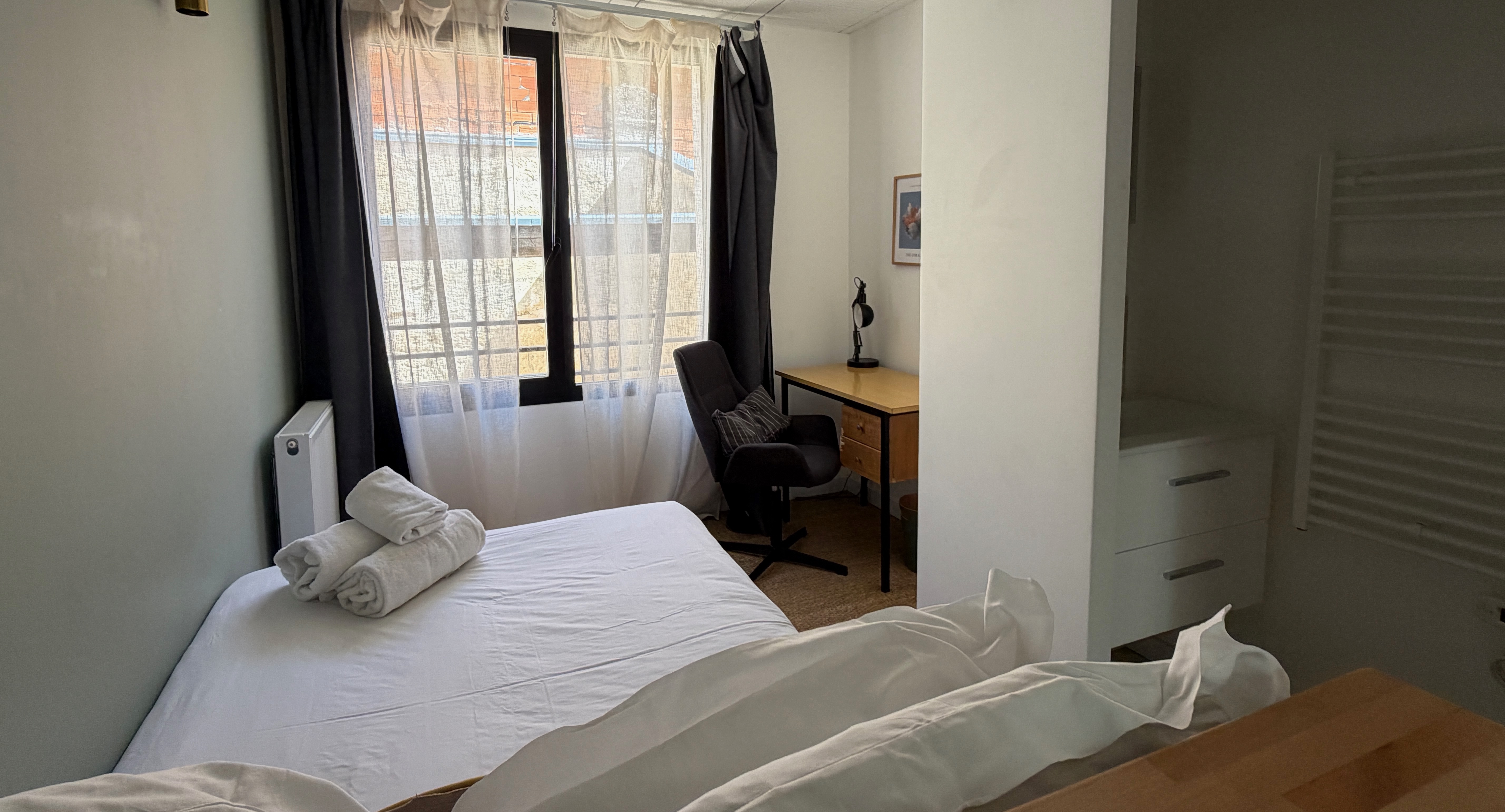
Accommodations typically center on private bedrooms—frequently equipped with en-suite bathrooms, though budget-oriented variants may feature shared facilities. Surrounding these private quarters are extensive communal areas designed to foster both spontaneous collaboration and relaxation. These spaces routinely include fully equipped professional-grade kitchens, expansive living rooms, outdoor terraces, and recreational amenities tailored to the local climate, such as rooftop decks or swimming pools.
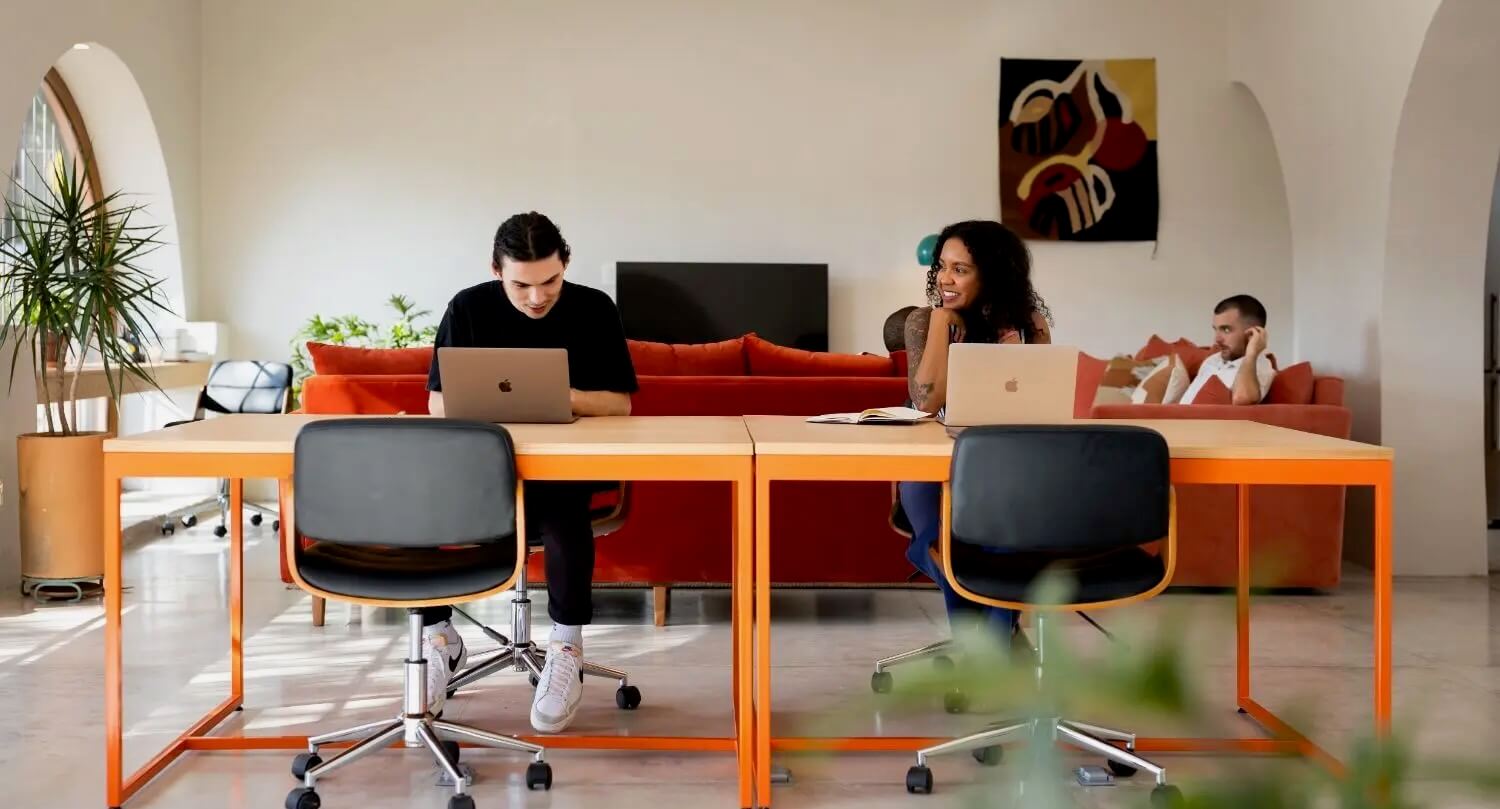
Crucially, the defining architectural feature of these properties is the integration of dedicated coworking environments directly within the residential footprint. Unlike remote workers who must commute to external offices or rely on ambient café seating, residents have immediate access to enterprise-grade, secure Wi-Fi networks, ergonomic seating arrangements, desktop monitors, and quiet zones optimized for deep-focus tasks.
Operational efficiency is maintained through daily professional cleaning services for common areas, automated access systems, and on-site hospitality personnel known as community managers. These managers serve a dual function: maintaining physical property standards and orchestrating localized programming—such as structured networking events, communal dinners, and wellness sessions—designed to combat the psychological isolation frequently reported by independent remote workers.
Economic and Logistical Implications for Travelers
From a financial perspective, utilizing specialized coliving networks requires a distinct calculus compared to traditional backpacking or long-term apartment leasing. Because these properties bundle private accommodations, high-speed utilities, office facilities, and community programming into a single nightly or weekly rate, the upfront cost generally exceeds that of budget hostel dormitories or suburban homestays in developing regions.
However, comparative cost analyses conducted by long-term travelers suggest that when factoring in the auxiliary expenses associated with traditional remote travel—such as monthly commercial coworking memberships, cafe purchases made solely to secure internet access, and the hidden costs of unreliable broadband that impacts professional output—coliving networks often present a competitive economic value proposition.
Furthermore, the model addresses significant logistical friction points, particularly regarding housing regulations and lease flexibility. Many major global cities enforce strict municipal regulations governing short-term rentals, often requiring minimum stays of 30 days or more. Coliving networks navigate these legal frameworks by structuring their properties to comply with local housing laws, offering flexible lease terms that accommodate both short weekend pop-ins and extended multi-month residencies where permitted.
Industry Analysis and Future Outlook
The proliferation of networks like Outsite highlights a broader commercial convergence between residential real estate, hospitality, and commercial office management. Real estate developers and institutional investors are increasingly recognizing that the traditional boundaries separating where people live, work, and vacation are permanently blurring.
Observers note that as multinational corporations formalize "work-from-anywhere" policies and governments introduce specialized digital nomad visa programs—spanning countries from Spain and Portugal to Costa Rica and Japan—the demand for standardized remote work infrastructure will only accelerate. Properties that successfully eliminate the administrative and technological headaches of international mobility are well-positioned to capture an increasingly mobile, highly educated, and affluent segment of the global labor force.
Ultimately, the maturation of the coliving sector signifies that the digital nomad lifestyle is moving past its early, highly informal iterations. By providing predictable productivity tools alongside structured social frameworks, these spaces are institutionalizing remote work, transforming what was once a precarious logistical balancing act into a sustainable, long-term paradigm for the global workforce.