Sandwiched quietly between the rolling drama of the Cotswolds and the rugged expanses of the West Country, Wiltshire is a county that frequently suffers from being overlooked. For decades, international travelers and domestic commuters alike have sped past its chalk downs, clipped parklands, and historic estates along the A303 or M4, treating it merely as a green corridor on the swift transit to Bath or Cornwall. Yet, travel experts and curators of luxury accommodations, such as Paola Fiocchi Van den Brande, founder of Passepartout Homes, emphasize that this transit mentality is a severe miscalculation. Wiltshire is not a gateway; it is a destination layered with nearly five millennia of human history, world-class architectural triumphs, and a rapidly evolving hospitality sector that marries centuries-old aristocratic heritage with contemporary refinement.
A Landscape Carved by Millennia: The Prehistoric Significance of Salisbury Plain
To understand Wiltshire, one must first look deep into its prehistoric past, which dominates the geography of the southern half of the county. At the heart of this landscape sits Salisbury Plain, a vast expanse of chalk grassland internationally synonymous with one of the world’s most famous megalithic monuments: Stonehenge.
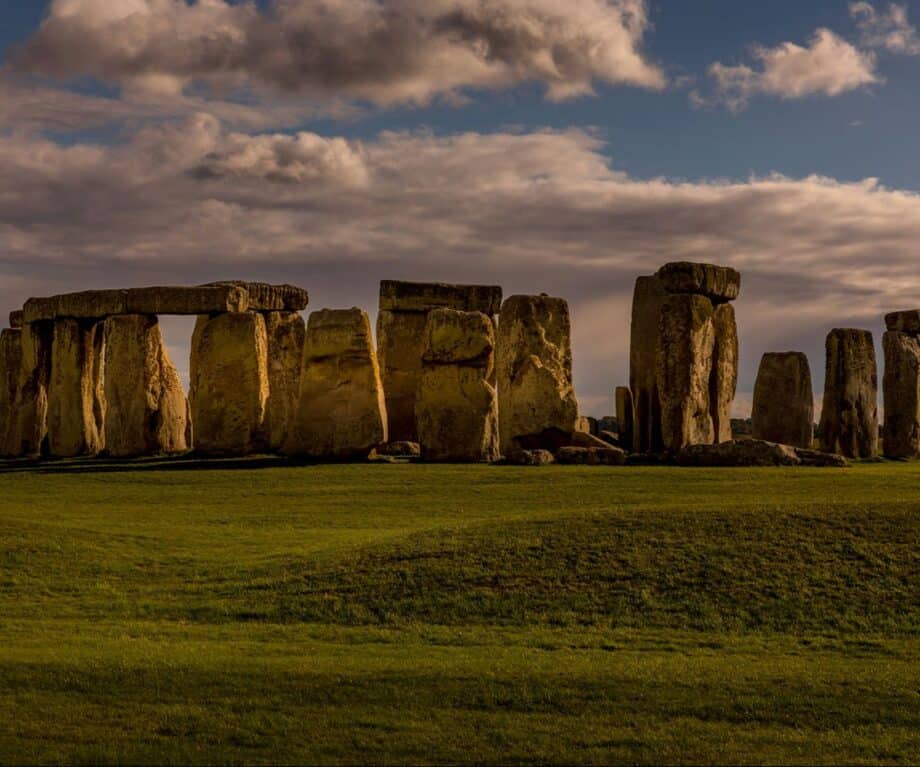
While millions of international visitors have historically experienced Stonehenge from behind safety ropes on damp school excursions, recent enhancements by English Heritage have transformed the site into a deeply immersive educational experience. The state-of-the-art visitor centre, located a mile and a half from the stones, places the monument within its broader archaeological context, bridging the gap between the physical structure and the complex prehistoric landscape that surrounds it.
Dating back nearly 5,000 years, Stonehenge continues to baffle modern archaeologists and astronomers alike. Despite decades of advanced non-invasive scanning and excavation, no scholarly consensus exists regarding its precise construction purpose—whether it served as an astronomical observatory, a temple for the dead, or a sacred site for tribal unification.
For discerning travelers looking to bypass the standard tourist queues, specialized excursions like the Stonehenge Explorer Tour offer small-group access led by expert landscape historians. These itineraries frequently extend beyond the central stone circle to encompass lesser-known, contemporaneous marvels such as Woodhenge and Durrington Walls—the site of a massive Neolithic settlement believed to have housed the builders of Stonehenge. These broader earthworks underscore the sheer scale of prehistoric organization in ancient Britain, offering an intellectual depth that casual tourism often misses.
Aristocratic Evolution: The Modern Era at Longleat and Stourhead
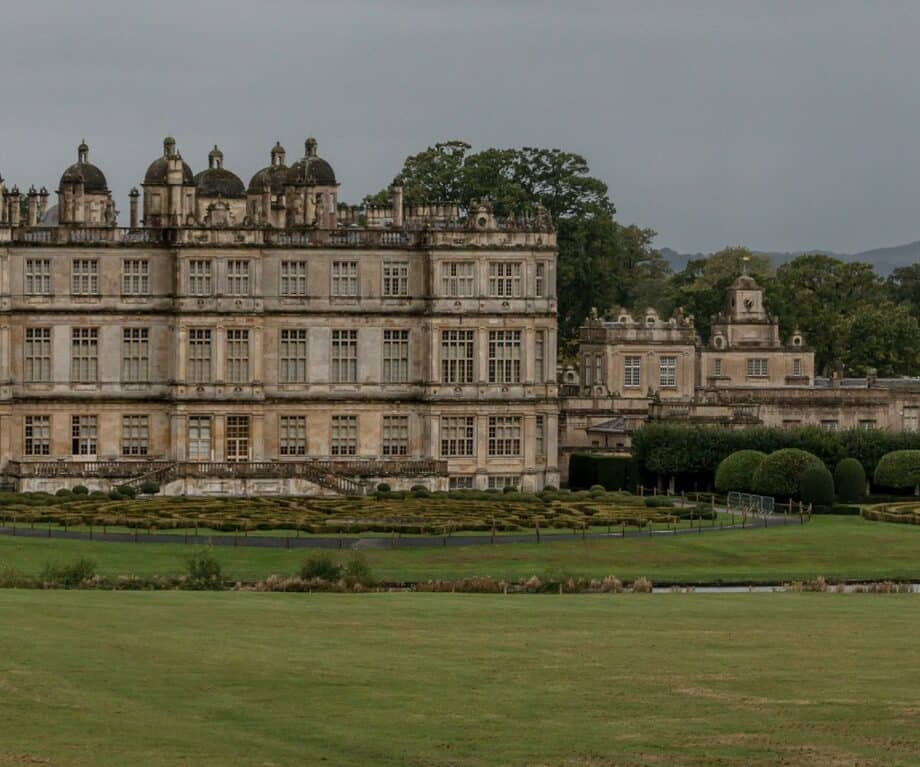
Moving forward several millennia from the Neolithic period, Wiltshire’s architectural identity is defined by its stately homes, many of which remain vital economic and cultural anchors for the region. Foremost among these is Longleat, situated near the town of Warminster.
Built in the late 16th century, Longleat stands as one of the finest surviving examples of high Elizabethan architecture in England. Its symmetrical facades, expansive mullioned windows, and ornate interiors reflect the wealth and ambition of its original builder, Sir John Thynne. However, Longleat is equally celebrated for its pioneering role in British tourism. In 1949, under the stewardship of the 6th Marquess of Bath, the estate became the first stately home in Britain to open its doors to the public on a commercial scale to help offset mounting taxation and maintenance costs. A mere two decades later, in 1966, it broke ground again by establishing the first drive-through safari park outside of Africa.
Today, the estate has entered a new generational chapter under the leadership of Ceawlin Thynn, the 8th Marquess of Bath, and his wife, Marchioness Emma Thynn. As the first Black marchioness in British history, Emma Thynn has brought a modern, highly visible profile to the historic estate, successfully blending centuries of aristocratic tradition with contemporary cultural relevance. Tourism analysts note that this balance of heritage preservation and dynamic public engagement has allowed properties like Longleat to remain financially resilient while retaining their historical authenticity.
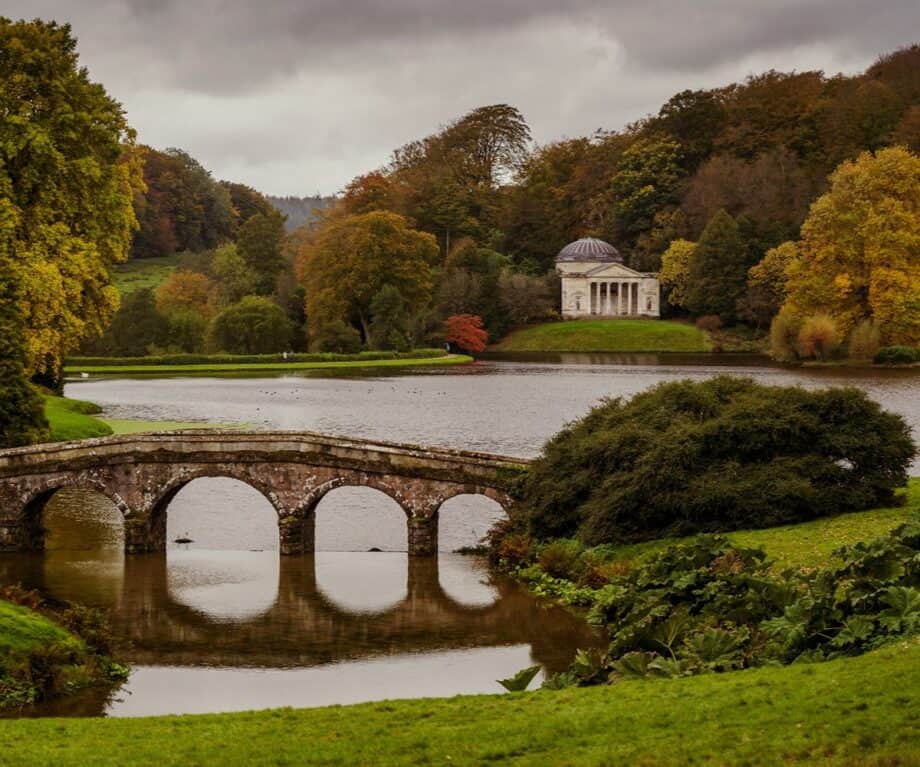
Complementing the grand scale of Longleat is Stourhead, managed by the National Trust near the town of Stourton. While Longleat offers unapologetic Elizabethan grandeur, Stourhead is celebrated as a masterclass in 18th-century landscape design. Conceived by Henry Hoare II and opened in the 1740s, the estate was designed as a living, breathing work of art, inspired by classical landscape paintings.
Visitors navigating the circuit around the central lake encounter a carefully choreographed sequence of classical temples, grottos, and exotic flora, complete with resident peacocks that roam the manicured lawns. Indoors, the Palladian mansion houses an exceptional collection of Regency literature, Chippendale furniture, and fine art portraits, making Stourhead a multifaceted destination for both horticulture enthusiasts and art historians.
The Secret Trails: Walking the Wessex Ridgeway and Kennet & Avon Canal
Beyond the formal estates, Wiltshire’s rural topography offers some of the most tranquil and underrated walking routes in the United Kingdom. Tourism data indicates that while national parks like the Lake District or Peak District capture the majority of walking tourism, Wiltshire’s trail networks remain remarkably uncrowded, even during peak summer months.
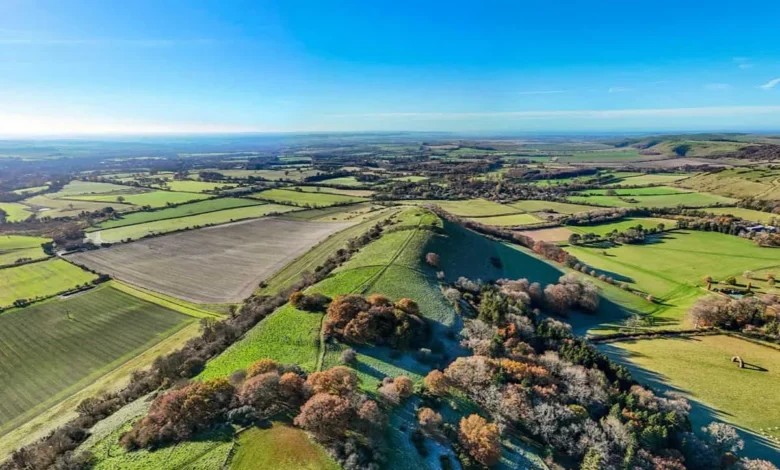
The Wessex Ridgeway, often described as part of Britain’s oldest road, traces ancient trackways across the chalk downlands, offering panoramic views over sleepy river valleys and patchwork farmland. For a more leisurely waterside stroll, the Kennet & Avon Canal provides a flat, highly accessible route where industrial heritage meets rural serenity. Walkers frequently encounter traditional narrowboats navigating historic locks, alongside country pubs and boutique tea rooms that punctuate the route at regular intervals.
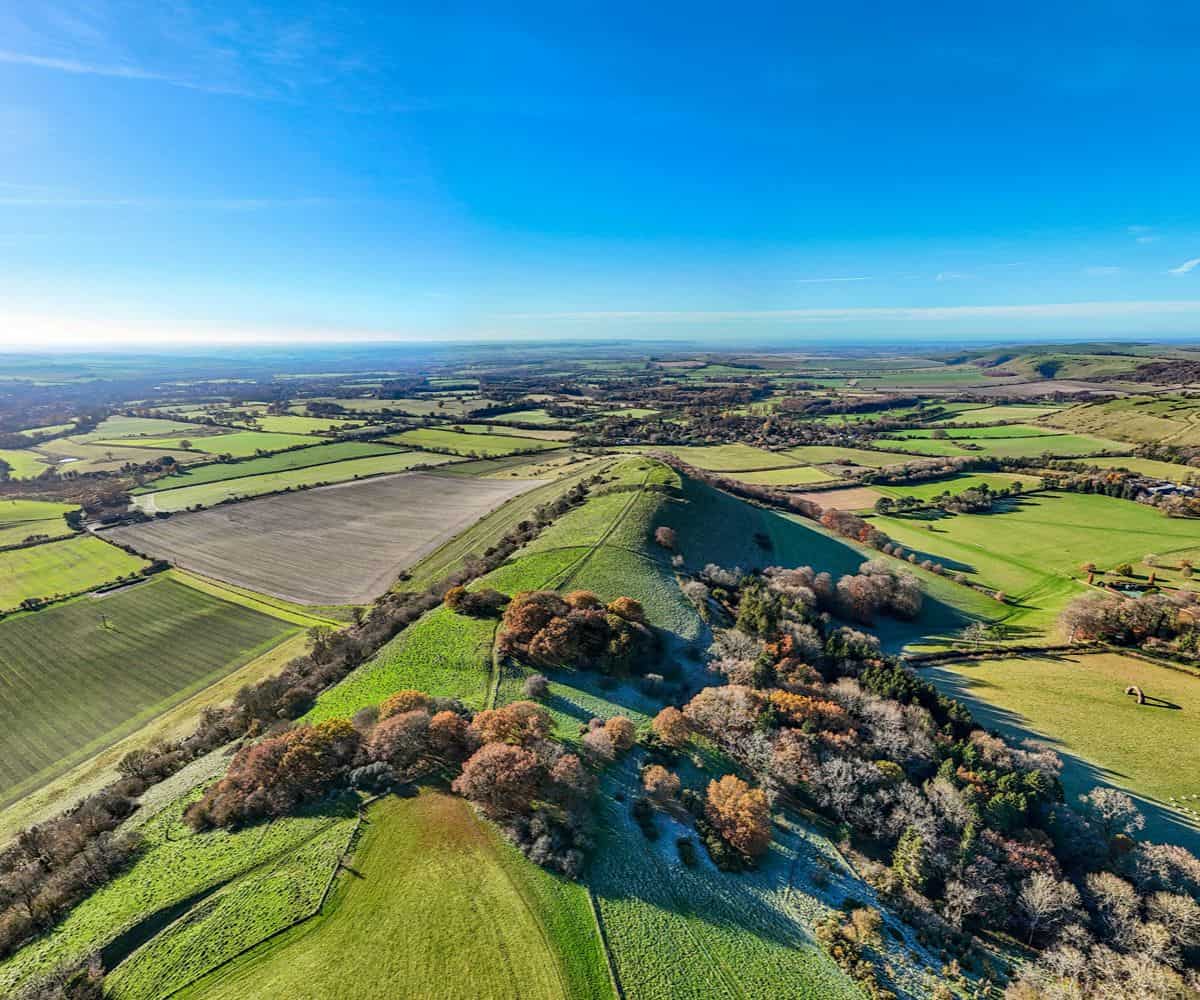
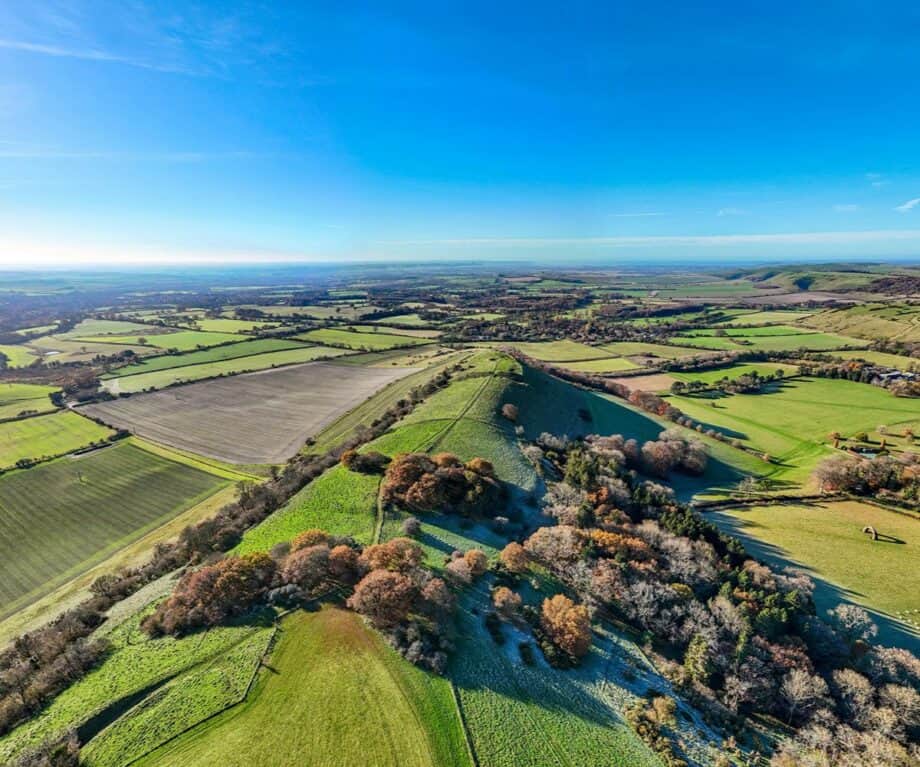
For those seeking a more rigorous hike combined with historical intrigue, Bratton Hill near Westbury provides an invigorating climb. The summit rewards hikers with sweeping vistas across the Wiltshire plains and direct access to the Westbury White Horse—a monumental hill figure cut into the steep chalk slope, believed to date back to the early 1700s—alongside the imposing earthworks of an Iron Age hillfort. Alternatively, urban-adjacent nature trails, such as the river loop around Malmesbury encompassing St Aldhelm’s Mead and the historic Abbey House Gardens, offer a seamless blend of local ecology and medieval architecture.
Architectural Conservation and Cultural Heritage in Wiltshire’s Villages
Wiltshire’s village landscape further enhances its appeal as a luxury travel destination, offering preserved pockets of English history that have remained largely unaltered for centuries.
Castle Combe, nestled in the By Brook valley, is frequently cited as one of the prettiest settlements in England. Featuring honey-colored Cotswold stone cottages and a medieval market cross, the village enforces strict conservation guidelines, including a ban on modern vehicular traffic through its core. This pristine aesthetic has made it a favored location for international film and television productions, including major motion pictures like War Horse and Doctor Dolittle.
Just a short distance away lies Lacock, a village owned almost entirely by the National Trust. Unlike Castle Combe, which leans into picturesque perfection, Lacock functions as a living community frozen in time, boasting timber-framed houses, a 13th-century abbey, and a striking absence of overhead utility cables. Crucially, Lacock holds a monumental place in the history of science and art: it is widely recognized as the birthplace of photography. It was here in the 1830s that William Henry Fox Talbot successfully produced the world’s first photographic negative at Lacock Abbey, a legacy celebrated today at the village’s Fox Talbot Museum.
Economic Implications and the Future of Luxury Tourism in Wiltshire
The burgeoning recognition of Wiltshire as a premier travel destination reflects a broader shift in high-end tourism toward authentic, unhurried regional exploration. Industry observers note that travelers are increasingly seeking out secondary destinations that offer the cultural and historical depth of major tourist hubs like London or Oxford, but with significantly less congestion and a higher degree of privacy.
According to regional economic analyses, the growth of upscale accommodation providers—ranging from restored historic manors to curated luxury villa collections managed by firms like Passepartout Homes—has catalyzed a quiet boom in the local hospitality sector. By encouraging visitors to linger rather than pass through, Wiltshire is successfully capturing higher tourist spend, supporting independent artisan businesses, and funding the ongoing preservation of its fragile archaeological and architectural heritage.

Ultimately, Wiltshire challenges the traveler to slow down. Whether tracing the footsteps of Neolithic builders across Salisbury Plain, exploring the private apartments of Elizabethan nobility, or walking unhurried canal paths past centuries-old locks, the county reveals its treasures slowly to those willing to turn off the main highway and look closer.