The Rise of the Hybrid Basecamp: A New Era for Outdoor Recreation and Adventurous Travel

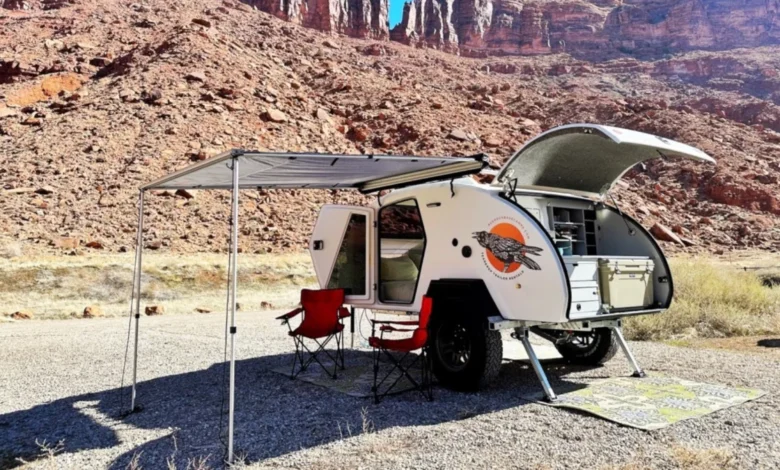
The landscape of outdoor recreation is undergoing a subtle yet significant transformation as travelers increasingly seek alternatives that bridge the gap between rugged backcountry endurance and traditional hospitality. For decades, outdoor enthusiasts planning a hiking or trail-running excursion faced a rigid dichotomy: commit to fully self-supported backpacking, rough it on the ground in a basic tent at a car-camping site, or pay premium rates for brick-and-mortar lodging miles away from the trailhead. Today, however, a growing segment of adventurers is adopting the "hybrid basecamp" model—a strategy that pairs the mobility and autonomy of day-hiking with the creature comforts of a stationary, fully equipped rental trailer waiting at a pre-established campsite.
This experiential shift reflects broader consumer trends in travel, combining the post-pandemic boom in domestic road trips with the rising popularity of peer-to-peer recreational vehicle (RV) rentals. By eliminating the necessity of towing heavy equipment or sacrificing sleep quality on the hard ground, the hybrid basecamp approach is redefining how hikers access national parks, public lands, and rugged wilderness corridors across the United States.
The Mechanics of the Hybrid Basecamp Model
At its core, the hybrid basecamp model relies on a simple logistical innovation: delivery-based camper rentals. Rather than purchasing an expensive travel trailer or renting a cumbersome motorhome that requires specialized driving skills and constant teardown for daily excursions, travelers can now utilize peer-to-peer marketplaces and regional outfitters that drop off, set up, and retrieve compact trailers directly at designated campsites.
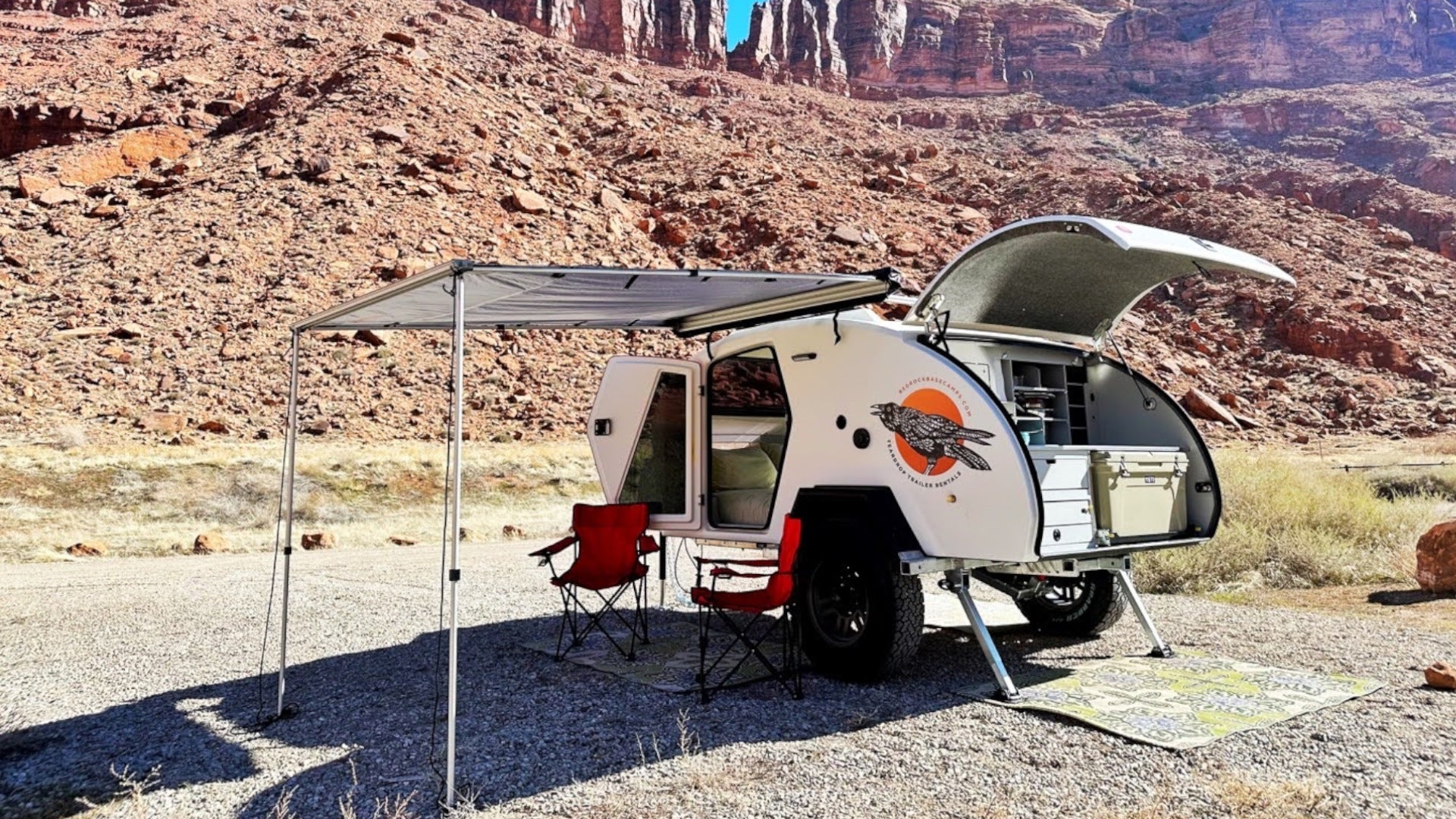
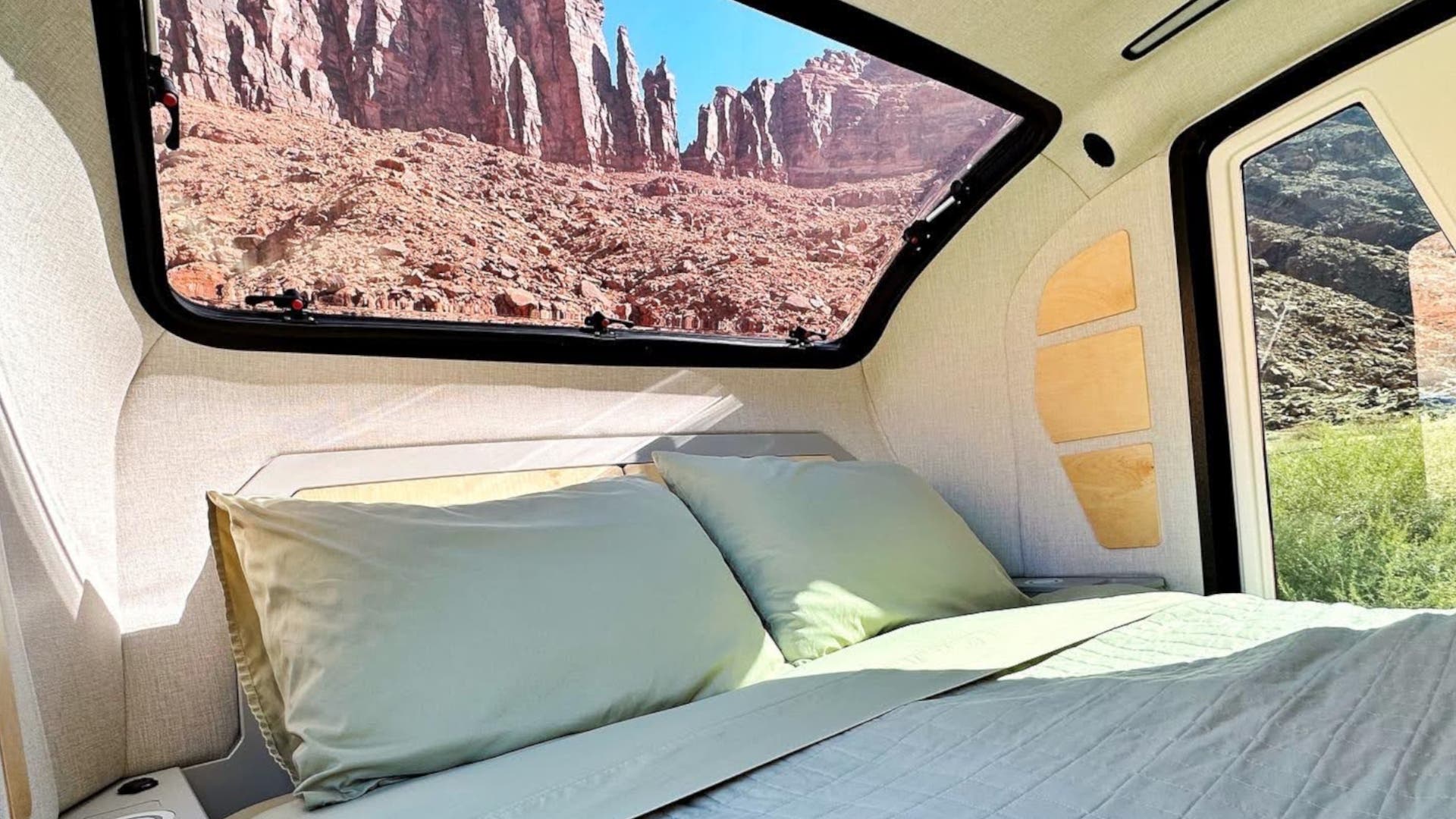
In the case of recent travelers exploring the red-rock expanses of Moab, Utah, regional services such as Red Rocks Base Camps have streamlined this process. For roughly $150 per night—inclusive of campsite fees, pet accommodations, and the trailer rental itself—outdoor enthusiasts gain access to hard-sided lodging featuring queen-sized mattresses, integrated electrical systems, heating, and outdoor kitchen setups complete with coolers and integrated water storage.
Industry analysts note that this pricing model occupies a strategic middle ground in the hospitality market. While more expensive than traditional tent camping—which typically costs between $15 to $30 per night for public lands—it frequently undercuts local hotel chains during peak tourism seasons. In destinations like Moab, where traditional mid-tier accommodations often range from $300 to $400 for a multi-night stay, and specialized adventure lodges can exceed $750, delivery trailers offer a cost-effective alternative that maintains proximity to nature without compromising physical recovery.
A Case Study in Moab: Balancing High-Mileage Itineraries with Rest
The practical application of the hybrid basecamp model is perhaps best observed in high-activity itineraries designed for endurance athletes, trail runners, and avid hikers. A recent four-day excursion to southeastern Utah illustrates how stationary, comfortable lodging directly influences athletic performance and itinerary management.
Day One: Arrival and Initial Ascent
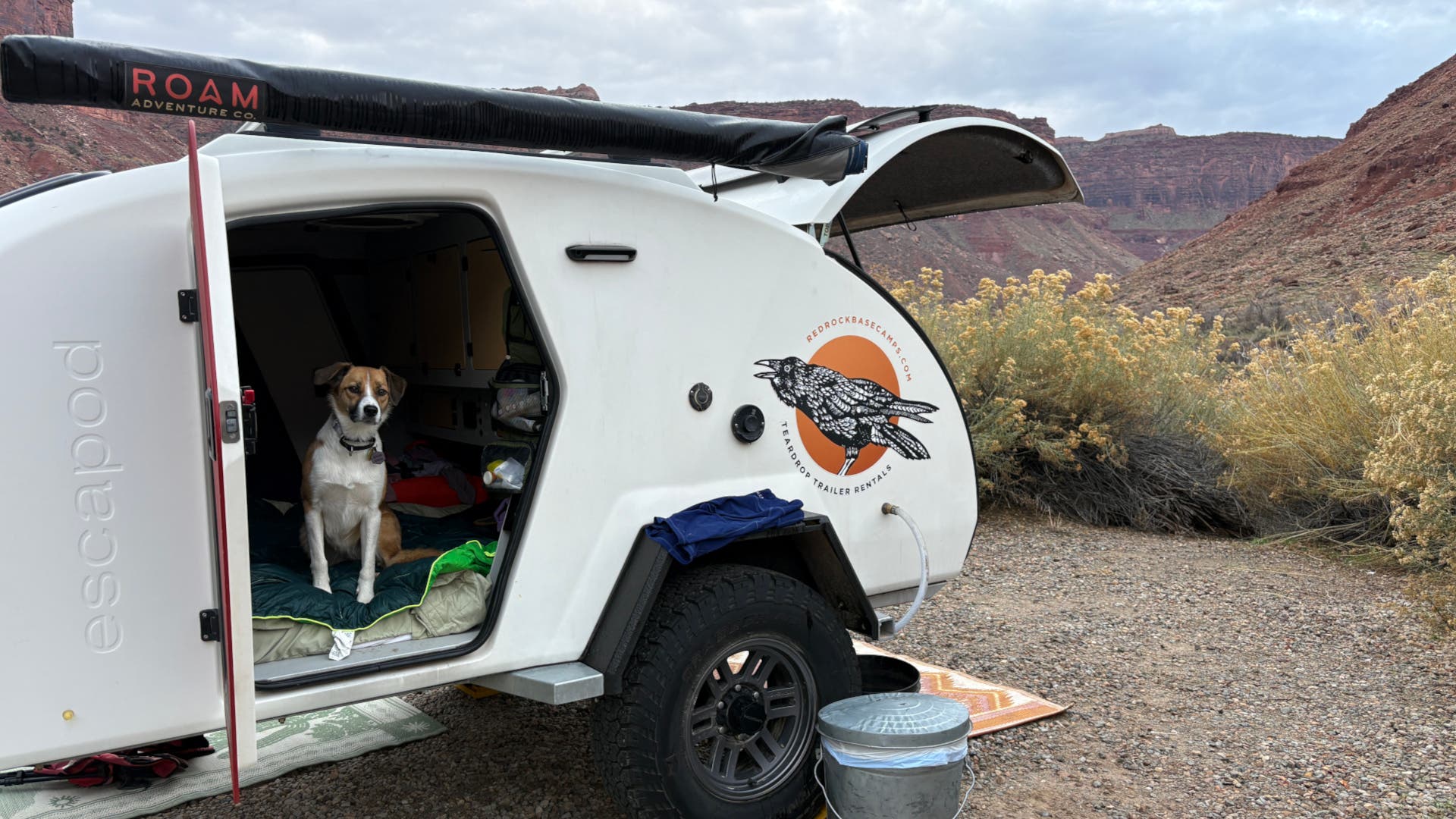
Beginning with a travel day from Colorado to Utah, the itinerary demonstrated the flexibility of the basecamp system. Arriving by afternoon, the traveler immediately accessed the four-mile Jeep Arch Trail. Navigating the sandstone formations and vibrant red-orange canyon walls, the hiker set a baseline for the trip before returning to a fully operational campsite where the delivered teardrop trailer was already awaiting occupation.
Day Two: Technical Climbs and Valley Strolling
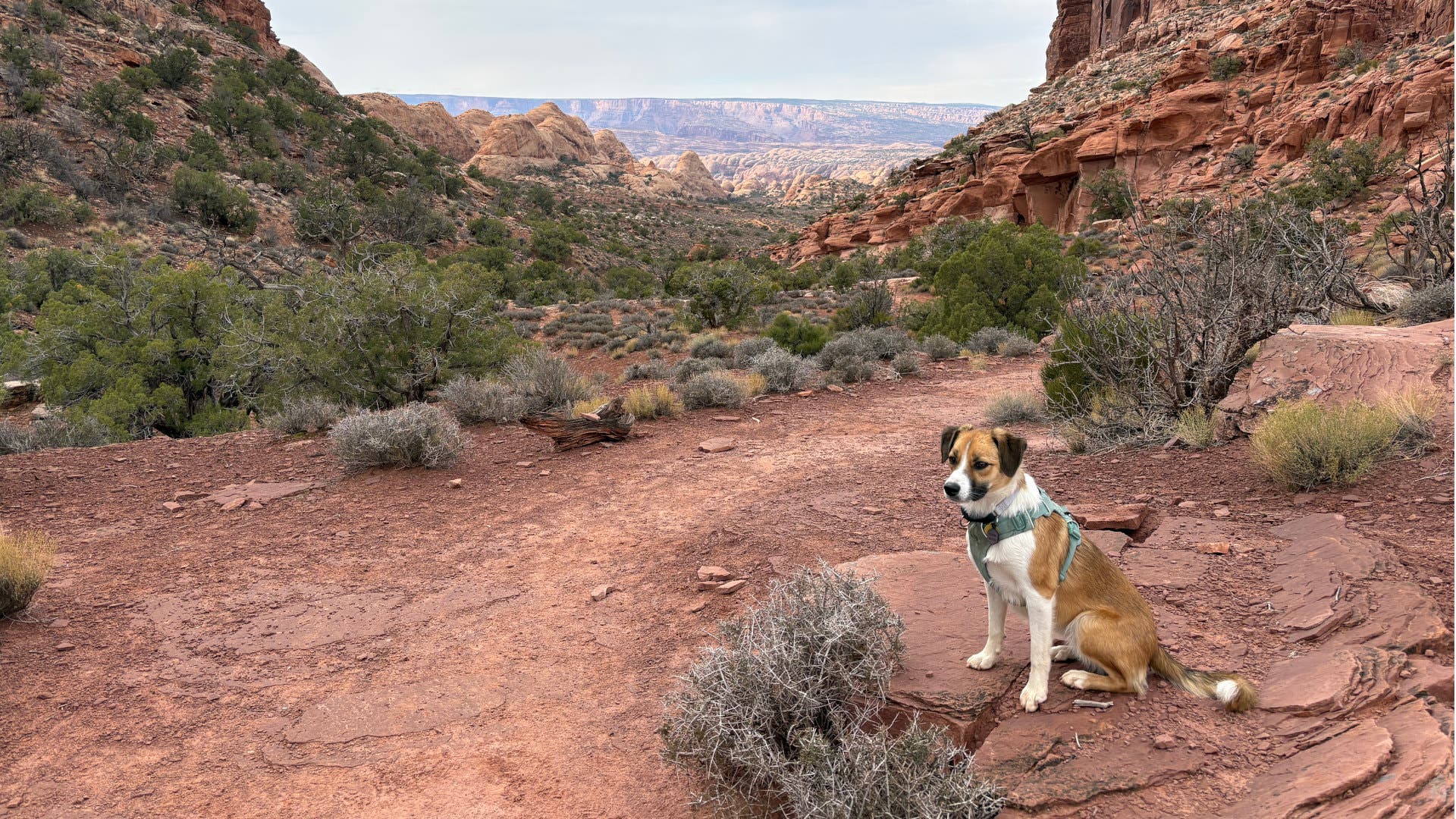
The second day tested physical endurance through a more rigorous route: the Hidden Valley Trail. Encompassing approximately six miles with 1,200 feet of elevation gain, the out-and-back route presented a steep, technical initial climb before opening into an elevated valley high above Moab. Following a mid-day culinary and rest break in town, the afternoon transition led to the 1.5-mile Mill Creek Trail. Because the basecamp remained stationary, the hiker was free to explore diverse terrain without packing up a campsite or repositioning a vehicle from a hotel parking garage.
Day Three: Geological Wonders and Paved Pathways
The third day prioritized sustained distance over steep vertical gains, featuring a 4.5-mile trek along Grandstaff Canyon to view the towering Morning Glory Natural Bridge. An afternoon recovery walk along the paved Moab Canyon Pathway from Lions Park provided a low-impact conclusion to the day’s physical exertion.
Day Four: Departure-Day Summits
Concluding the trip during the transit home, the itinerary finished with a 4.6-mile out-and-back hike along the Fisher Towers Trail. Boasting 1,500 feet of elevation gain, the route offered sweeping panoramic views of the surrounding valley and towering rock formations actively utilized by technical rock climbers.
Throughout the journey, the presence of climate control, proper bedding, and secure storage for non-essential gear allowed the traveler to maintain high-mileage days without suffering from the cumulative fatigue often associated with traditional tent camping in fluctuating autumn temperatures.
The Broader Economic and Logistical Impact
The proliferation of the delivery-based trailer model is supported by a robust digital infrastructure of peer-to-peer rental platforms. While localized outfitters serve specific regional hotspots, national platforms such as Outdoorsy, RVshare, and Rvezy have expanded the concept nationwide. These platforms allow users to rent specialized trailers—ranging from minimalist teardrops to fully appointed off-grid campers—and negotiate delivery directly to Bureau of Land Management (BLM) sites, national forest campgrounds, and private RV parks.
This logistical evolution addresses several long-standing pain points in outdoor recreation:
- Equipment Barriers: Many urban dwellers and apartment residents lack the storage space, vehicle towing capacity, or financial capital required to own an RV or travel trailer. Delivery services democratize access to mobile hard-sided lodging.
- Traffic and Parking Congestion: Driving large motorhomes or towing trailers through tight trailhead parking lots and congested gateway communities creates severe local traffic bottlenecks. Leaving a trailer stationary at a campsite and using a standard passenger vehicle for transit mitigates roadway congestion.
- Local Economic Integration: By establishing basecamps on public lands or near gateway towns, travelers seamlessly blend remote wilderness exploration with patronage of local restaurants, gear shops, and grocery markets.
Environmental and Land Management Considerations
As the hybrid basecamp trend gains momentum, land management agencies, including the U.S. Forest Service and the BLM, are monitoring its impacts on public campgrounds. The practice of dropping off and leaving unoccupied rental trailers on public land touches upon regulations regarding site occupancy, permitted equipment, and first-come, first-serve camping ethics.
Industry advocates emphasize that responsible use of delivery services requires strict adherence to local reservation policies, proper waste management, and respect for campground capacity limits. When managed correctly, the hybrid basecamp model encourages longer, more sustainable stays in designated areas rather than high-turnover transient tourism.
Future Outlook for Outdoor Travel
The convergence of remote work flexibility, peer-to-peer logistics platforms, and a cultural prioritization of wellness and outdoor recreation points toward continued growth for the hybrid basecamp sector. For travelers seeking an equilibrium between the raw exposure of wilderness backpacking and the sterile standardization of traditional hotels, the delivered trailer offers a compelling middle ground.
As service providers expand their geographic footprints beyond traditional hubs like Moab, Colorado, and the Pacific Northwest, hikers and endurance athletes nationwide can expect greater access to customized, comfortable, and logistically streamlined outdoor adventures in the years to come.
Related posts: