Conquering the Peaks: A Comprehensive Guide to Training for Extreme Backpacking Climbs

Published July 21, 2026 01:08 PM
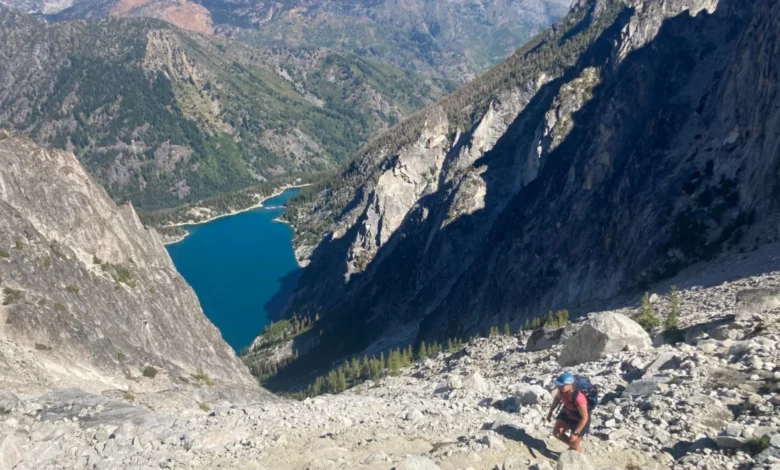
The allure of the world’s most iconic mountain ranges—from the jagged spires of the Italian Dolomites to the formidable heights of the Colorado Rockies and the majestic French Alps—draws countless adventurers each year. Yet, for many, the dream of traversing these breathtaking landscapes can quickly turn into a grueling ordeal, or worse, an unfulfilled aspiration due to inadequate physical preparation. The common narrative often begins with an ambitious itinerary and ends with an unexpected retreat, as exemplified by a recent backpacking attempt in the Italian Dolomites. What should have been a dream loop through stunning alpine passes devolved into a struggle against gravity and fatigue. Just two days into the journey, facing another daunting 6,000-foot climb with the sun setting and muscles screaming in protest, the decision was made to abandon the planned route. A costly inn stay, an early morning ascent, and a bus ride to the endpoint replaced miles of anticipated beauty.
While there is no inherent shame in adjusting a trip due to unforeseen circumstances or physical limitations, the disappointment of missing out on unparalleled natural splendor solely because one’s fitness level wasn’t up to the task is a significant drawback. Training for routes with familiar terrain nearby can be straightforward, but preparing for the truly immense, sustained climbs found in global mountaineering hubs presents a unique challenge. These regions demand a level of physical conditioning that often exceeds what local trails can simulate.
Alexa Hasman, a distinguished mountain athlete, personal trainer, and the visionary founder of Rise Ultra Coaching, sheds light on this prevalent issue. "It’s especially hard to train in America for stuff like the Alps or the Dolomites because those mountains are so steep," Hasman explains, highlighting the unique gradient and duration of climbs in these world-renowned ranges. Her approach to overcoming this hurdle is holistic, advocating for a strategic combination of endurance training, focused hill repeats, and targeted gym work to forge not just stamina, but serious muscular power essential for navigating extreme elevations and demanding descents. This comprehensive strategy aims to transform potential setbacks into triumphs, ensuring hikers can meet the physical demands of their chosen adventures.
The Allure of the Vertical: Why Global Peaks Demand More
The rising global interest in adventure tourism has seen a surge in trekkers attempting routes like the Alta Via trails in the Dolomites, segments of the Tour du Mont Blanc, or multi-day expeditions in the Rocky Mountains. These trails, while visually stunning, are notorious for their significant elevation gains and losses, often spanning thousands of vertical feet over consecutive days. A typical day on a challenging alpine trek might involve ascending 3,000-5,000 feet with a full pack, followed by an equally strenuous descent. The cumulative effect of these efforts, often compounded by variable weather, exposed terrain, and potentially higher altitudes, places immense stress on the cardiovascular system, muscular endurance, and joint stability.
Statistics from outdoor recreation organizations indicate that a significant percentage of hiking-related injuries are preventable and often linked to inadequate physical preparation. Common ailments include knee pain (patellofemoral syndrome, IT band friction syndrome), ankle sprains, muscle strains (especially in quadriceps and calves), and overuse injuries. Furthermore, surveys among long-distance hikers reveal that lack of fitness is a primary reason for failing to complete planned itineraries, leading to increased costs for unexpected transportation or accommodation, and more importantly, a diminished experience.
Hasman’s training philosophy directly addresses these challenges by focusing on the specific physiological adaptations required for sustained, steep efforts. It’s not just about being able to walk for long distances; it’s about being able to walk uphill for long distances, with weight, day after day, and then manage the equally demanding downhill sections without succumbing to fatigue or injury.
Phase 1: Building an Unshakeable Endurance Foundation
The cornerstone of any successful high-mountain expedition is a robust endurance base. This phase is designed to enhance cardiovascular efficiency, improve muscular endurance, and build mental fortitude for sustained effort.
The Endurance Climb: Sustained Uphill Effort
Hasman recommends initiating training by identifying the longest, steepest hill available in your vicinity, or utilizing a treadmill set to its maximum incline. The goal is to climb at a consistent, sustainable pace for one to two hours. This isn’t about speed; it’s about duration and consistency. The pace should be "conversational," meaning you should be able to articulate three full sentences without gasping for breath. This ensures you’re training within your aerobic zone, crucial for building the mitochondrial density and capillary networks necessary for long-duration efforts.
To simulate real-world backpacking conditions, incorporate a weighted pack. Hasman suggests starting with approximately 10 percent of your body weight for a 60-minute session. The principle of progressive overload is key here:
- Duration Progression: Incrementally add 15 minutes to your endurance climb each week, working towards the two-hour mark.
- Weight Progression: Once comfortable with the duration, gradually increase your pack weight by about 5 pounds per week. The target weight range is typically 15 to 20 percent of your body weight.
- Critical Caution: Hasman strongly advises against exceeding 20 percent of body weight during training. Beyond this threshold, the risk of injury to joints, spine, and soft tissues significantly outweighs any diminishing strength gains. Furthermore, avoid increasing both weight and distance in the same week; focus on progressing one variable at a time to allow your body adequate adaptation.
This systematic approach to endurance building not only prepares your physical body but also cultivates the mental resilience required to push through discomfort for extended periods, a non-negotiable trait for multi-day mountain trips.
Phase 2: Conquering Cumulative Fatigue and Multi-Day Challenges
Backpacking trips are rarely single-day affairs. The true test of mountain fitness lies in the ability to perform day after day, often on tired legs.
The Double-Dipper: Back-to-Back Endurance
To simulate the relentless demands of multi-day treks, Hasman advocates for scheduling two endurance workouts per week on consecutive days. "Cumulative fatigue is really important there," she emphasizes. "It teaches your body to work on tired legs. You might feel stiff, sore, or heavy the next day, but that’s normal. This is just as much about mental training as it is physical."
This approach helps the body adapt to successive bouts of exertion, improving recovery mechanisms and teaching the mind to persevere despite physical discomfort. It’s a crucial step in preparing for the physiological and psychological challenges of prolonged expeditions where true rest days are rare. During this phase, proper nutrition, hydration, and sleep become even more critical to support muscle repair and energy replenishment. Active recovery, such as light stretching or foam rolling, can also aid in mitigating soreness.
Phase 3: Developing Power and Speed for the Vertical Ascent
Once a solid endurance base is established—evidenced by the ability to comfortably hike uphill for 90 to 120 minutes while carrying 15 to 20 percent of your body weight—the focus shifts to building speed and power.
Uphill Repeats: High-Intensity Intervals
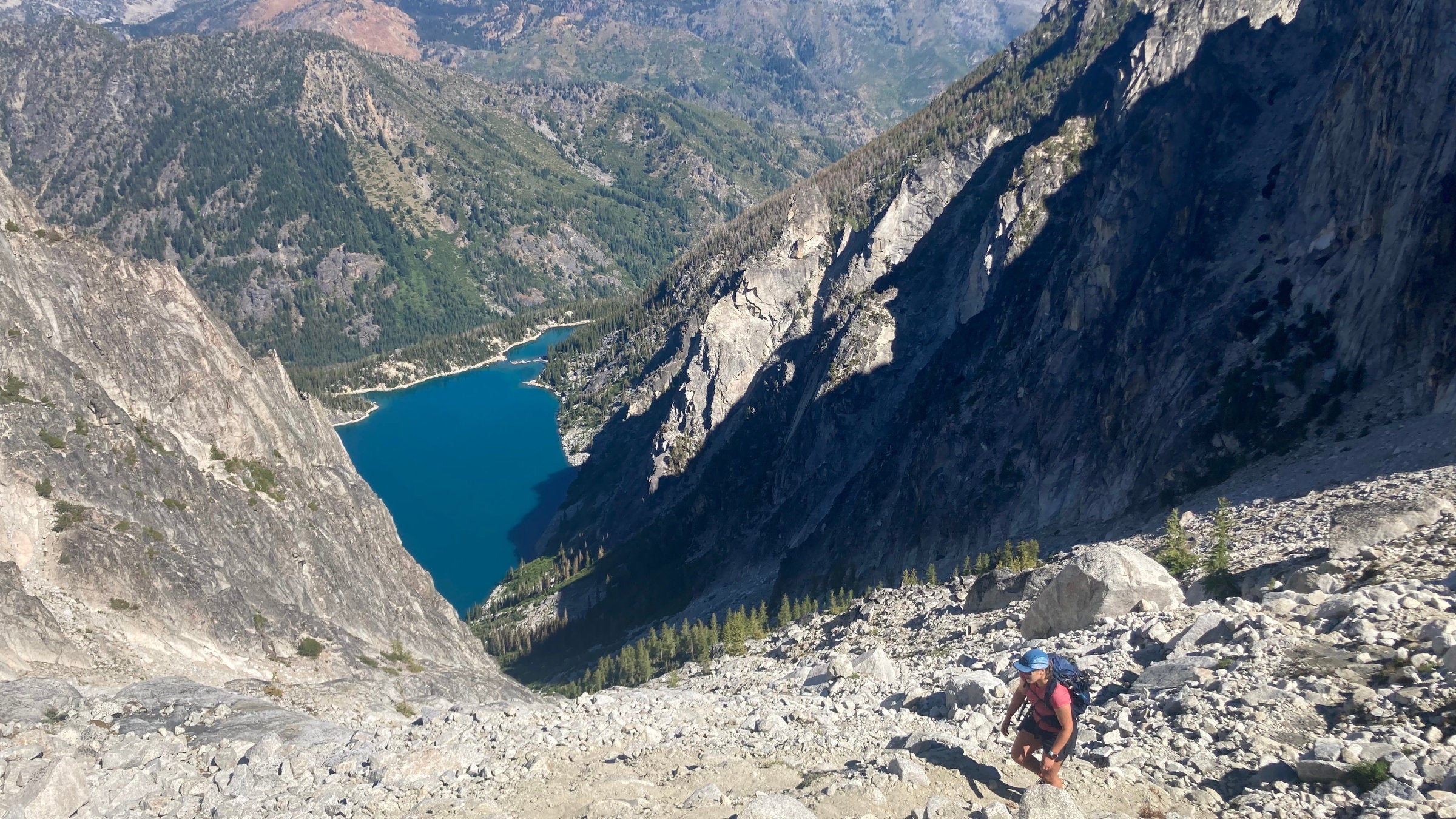
Uphill repeats are designed to improve your anaerobic capacity, increase muscular power in your legs, and enhance your ability to surge during steep sections.
- Execution: Find a steep hill. Charge up it at close to your maximum effort for a short burst, starting with 10 seconds. Walk slowly back down to the base to recover, then repeat.
- Progression: Begin with four total repetitions. Over time, gradually increase the duration of your uphill sprints: progress from 10 seconds to 30 seconds, then 60 seconds, then two minutes, and finally to three minutes. The recovery period should be proportional to the effort, allowing enough time to be ready for the next hard push.
- Treadmill Alternative: If a suitable long hill is unavailable, a treadmill at its maximum incline setting can effectively replicate this workout. Focus on maintaining the high intensity and controlled recovery.
These high-intensity intervals recruit fast-twitch muscle fibers, which are essential for powerful bursts of energy on steep ascents, translating directly to improved efficiency and speed on the trail.
Phase 4: Mastering the Descent and Preventing Injury
While ascents are often perceived as the primary challenge, descents can be equally, if not more, demanding, particularly on the quadriceps and knees.
Downhill Repeats: Eccentric Strength Training
"If you’re an uphill athlete, then you’re also by nature a downhill athlete," Hasman wisely states. Anyone who has completed a long descent with a heavy pack understands the truth of this. Downhills are notorious quad-killers due to eccentric contractions (muscle lengthening under tension), which cause micro-tears and significant soreness.
- Execution: Reverse the uphill repeat workout. Walk slowly up a hill to conserve energy, then charge down it as fast as you can without being reckless. Control is paramount to prevent falls and injuries. Aim for four repetitions.
- Combined Workout: For an even more intense session, combine uphill and downhill repeats: book it up the hill, then book it down, taking your rest at the bottom. This simulates the continuous effort of varied mountain terrain.
Wall Sits: The Secret Sauce for Downhill Resilience
Hasman identifies wall sits as her "secret sauce for downhill," despite them being arguably the least enjoyable exercise on the list. Their effectiveness stems from holding the body in an exaggerated, active downhill-hiking position for an extended period, building incredible isometric strength and endurance in the quadriceps.
- Basic Progression: Start with one-minute wall sits a couple of times a week. After a few weeks, progress to holding until muscular failure.
- Adding Resistance: Introduce external weight by placing a 10-pound plate on your lap. Aim to hold this for one to two minutes.
- Boss Level: Single-Leg Wall Sits: "Most people can only hold them for a second or two—it’s almost like marching while sitting against a wall," Hasman describes. "If you can hold it for 30 seconds, you’re an absolute beast." This advanced variation dramatically improves unilateral strength, balance, and stability, all crucial for navigating uneven downhill terrain.
Phase 5: Targeted Strength and Stability in the Gym
Complementing hill work with gym-based strength training is vital for developing robust, injury-resistant muscles. Hasman recommends incorporating at least two gym sessions per week during the peak training period, focusing on key muscle groups: glutes, quadriceps, hamstrings, and core.
Step-Ups: Unilateral Powerhouse
"Nothing beats single-leg exercises for building uphill strength and stability," Hasman asserts. Step-ups are a fundamental exercise that directly translates to hiking performance.
- Execution: Using a sturdy box or bench, perform 15 to 30 repetitions on one leg, then switch. Start with 3 sets.
- Progression: Each week, either add an additional set or increase the weight you’re carrying (e.g., holding dumbbells) by 5 pounds to continually challenge your muscles.
Other Essential Gym Exercises:
- Lunges (Forward, Reverse, Lateral): Excellent for developing unilateral leg strength, balance, and hip mobility, mimicking the varied foot placements on a trail.
- Deadlifts (Conventional or Romanian): Crucial for strengthening the posterior chain (glutes, hamstrings, lower back), which is vital for carrying heavy packs and generating power on ascents.
- Squats (Goblet, Barbell): Develop foundational leg and core strength, essential for both uphill and downhill stability.
- Calf Raises (Standing and Seated): Strengthen the calf muscles, which play a significant role in propulsion during climbs and stabilizing the ankle on uneven terrain.
- Core Exercises (Planks, Russian Twists, Bird-Dog): A strong core is the body’s powerhouse, stabilizing the spine, improving balance, and transferring power efficiently from the upper to lower body, especially crucial when carrying a pack.
Beyond Physicality: Holistic Preparation for Mountain Adventures
While physical conditioning is paramount, a truly successful mountain expedition requires a holistic approach that integrates several other critical elements.
Nutrition and Hydration: Proper fueling before, during, and after training sessions and the actual trip is non-negotiable. Emphasize complex carbohydrates for sustained energy, adequate protein for muscle repair, and healthy fats. On the trail, strategically planned snacks and electrolyte-rich fluids prevent bonking and dehydration, which can severely impair performance and judgment at altitude.
Gear Selection and Pack Weight Management: The weight of your pack directly correlates with the physical demands of your hike. Investing in lightweight, functional gear and meticulously planning pack contents can significantly reduce strain. Learning proper pack fitting techniques ensures weight is distributed optimally, minimizing discomfort and preventing injuries.
Mental Fortitude: As Hasman noted, training for cumulative fatigue is as much about mental preparation as physical. The ability to maintain a positive mindset, push through discomfort, and problem-solve under challenging conditions is often the deciding factor between success and failure on a demanding trail. Practicing mindfulness and visualization during training can build this mental toughness.
Acclimatization: For treks involving significant altitude, such as in the Himalayas or certain parts of the Andes, proper acclimatization protocols are critical to prevent acute mountain sickness (AMS) and its more severe forms. While not directly a training exercise, understanding and implementing a gradual ascent schedule is a vital part of overall preparation for high-altitude environments.
Conclusion: Transforming Dreams into Realities
The aspiration to explore the world’s most dramatic mountain ranges is a noble one, promising unparalleled beauty and profound personal achievement. However, these environments demand respect and rigorous preparation. The initial setback experienced in the Dolomites, a common narrative among unprepared adventurers, underscores the critical need for a structured and progressive training regimen.
By following the expert guidance of mountain athletes like Alexa Hasman, focusing on building a robust endurance base, developing power for ascents, mastering the challenges of descents, and strengthening key muscle groups, hikers can transform potential disappointments into unforgettable triumphs. A comprehensive training plan, coupled with meticulous attention to nutrition, gear, and mental resilience, not only ensures the physical capacity to complete challenging routes but also significantly enhances safety, reduces injury risk, and ultimately allows adventurers to fully immerse themselves in the sublime experience of the mountains. The journey to the summit, both literally and figuratively, begins long before the first step on the trail.