The Rise of the Wilderness Lodge: Why the Ultra-Wealthy are Abandoning St. Moritz for the Arctic Frontier

Riksgränsen, a diminutive settlement of roughly 60 permanent residents located 125 miles north of the Arctic Circle, has emerged as an unlikely epicenter for a seismic shift in global high-end tourism. While the traditional bastions of European winter luxury—St. Moritz, Courchevel, and Gstaad—continue to command massive market share, a new breed of traveler is trading the manicured slopes and high-street boutiques of the Alps for the untamed, subzero wilderness of the Swedish Lapland. This movement marks the transition from "glamping" to a sophisticated, high-stakes category of hospitality: the remote wilderness lodge.
The Geography of Seclusion
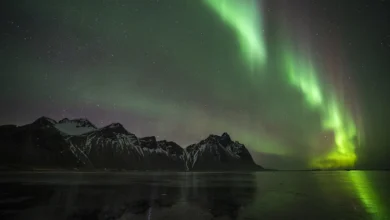
The allure of Riksgränsen lies in its sheer remoteness. Accessible via a 17-hour sleeper train from Stockholm, the village serves as the northernmost gateway to 2,000 square miles of off-piste terrain. Here, the winter season stretches well into May, characterized by the ethereal glow of the Northern Lights and extreme weather conditions that often render traditional ground transport ineffective. In this environment, the helicopter has replaced the ski lift as the primary vehicle of transit, and the neighboring inhabitants are more likely to be reindeer, elk, or grouse than fellow tourists.
For a demographic comprising finance executives, tech moguls, and C-suite leaders, this isolation is the ultimate commodity. The lack of infrastructure is not a barrier; it is the primary draw. By operating at the edge of the habitable world, these travelers secure a form of privacy that the overexposed resort towns of Western Europe can no longer provide.

Chronology of a Hospitality Evolution
The pivot toward remote, experience-rich assets began in earnest following the 2020 global pandemic. Before this period, the luxury travel market was largely dominated by established hotel brands and expansive, centralized resorts. However, the travel hiatus of 2020–2021 triggered a psychological shift among the ultra-high-net-worth (UHNW) segment.
As lockdowns eased, demand shifted toward destinations that offered spatial distancing and deep, immersive connectivity with nature. In 2023, the industry saw a significant influx of independent luxury lodges globally, from the Scottish Highlands to the fjords of New Zealand. This was not merely a surge in bookings; it was a structural change in how capital was deployed in the hospitality sector. Investors began favoring "experience-rich assets," prioritizing properties that could offer exclusive, private access to wilderness areas rather than mere bed-and-breakfast services.
The Niehku Model and the Rise of the Boutique Lodge
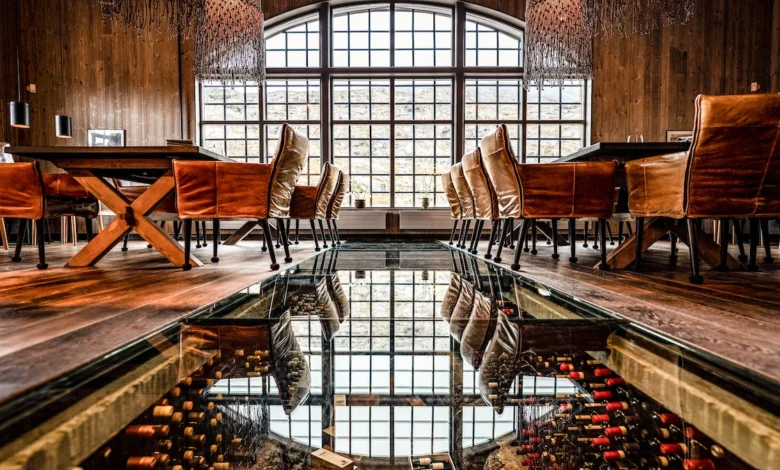
Niehku Mountain Villa stands as a case study for this evolution. With only 14 double rooms, the property focuses on hyper-personalized service. Its operational philosophy, overseen by co-founder Thomas Eidefors, integrates high-gastronomy with extreme outdoor athletics. Guests are paired with professional mountain guides to navigate the arctic terrain, while the facility itself mirrors the standards of a five-star urban hotel—featuring Hästens beds, an authentic Swedish sauna overseen by a professional aufgussmästare, and a wine cellar housing 3,000 bottles, including rare vintages from Romanée-Conti.
The financial barrier to entry at such properties is significant. While standard room rates begin at approximately $730 per night, full-property buyouts—often exceeding $11,000 per night—have become the standard for private groups. This model caters to a clientele that finds traditional "faux luxury" hotels, which often struggle to provide a genuine sense of place, to be increasingly obsolete.

Broader Market Implications
Data from Deutsche Bank Wealth Investment highlights that this trend is supported by an influx of capital into niche, independently owned hospitality ventures. In the European alpine market, this has created a distinct pricing divergence. While St. Moritz remains the gold standard for visibility, regional alpine hubs like Verbier and Gstaad have seen property values skyrocket as international buyers seek second homes that offer both accessibility and the "lodge" aesthetic.
Joachim Jacob, general manager of the Four Seasons Megeve in the French Alps, notes that this is not a transitory trend but a fundamental recalibration of what constitutes luxury. "Travelers are increasingly drawn to destinations that combine exceptional service with outdoor experiences, wellness, and a strong sense of place," Jacob observes. The demand is no longer just for a room; it is for an emotional connection to a landscape that feels uniquely private.
The Finnish Lapland Frontier
The shift toward the "last wilderness" is perhaps best exemplified by the recent developments in Finland. Since 2023, more than a dozen high-end lodges have opened across the Lakeland and Lapland regions. Octola II, which debuted in December 2025, represents the pinnacle of this movement. The lodge is located in an undisclosed site in Finnish Lapland, a decision made specifically to guarantee the total privacy of its guests.
Occupying 800 square meters, the facility includes a private gym, a cigar lounge, a dedicated Northern Lights observation area, and access to 800 hectares of protected wilderness. The logistical complexity of maintaining such a site—requiring transport via helicopter or husky sled—is managed entirely by the property, effectively removing the burden of travel planning from the guest. This, according to founder Janne Honkanen, is the modern definition of luxury: "For us, luxury is not about excess. It’s about exclusivity, authenticity, and the freedom to experience one of the world’s last great wildernesses."

The Strategic Response of Major Brands
The rise of independent, remote lodges has forced major hotel conglomerates—including Aman, Four Seasons, and One&Only—to adjust their strategies. Sensing a loss of market share among the most affluent travelers, these brands are now aggressively expanding into the "private residence" and "ultra-villa" segments.
Jason Squatriglia, founder of Your Favorite Travel Agent and a Robb Report Travel Master, explains that the current drive for remoteness is fueled by a rejection of "overexposed" vacation spots. "In a hyperconnected world, we need to disconnect to reconnect," Squatriglia says. "The modern traveler is beginning to circle back to the reality that time is their greatest asset; privacy is non-negotiable. By replacing the same overexposed vacations in the South of France or St. Barts with more remote destinations, they are able to guarantee themselves maximum privacy while ensuring the same levels of safety and luxury."
Analysis: A Shift in Values
The transition from the grand resort to the boutique wilderness lodge represents a maturation of the global luxury travel sector. Where wealth was once displayed through the visibility of a destination—the name recognition of the resort, the popularity of the ski runs—it is now expressed through the difficulty of access and the silence of the surroundings.
This shift has created a unique tension in the hospitality industry. On one hand, the environmental sensitivity required to operate in regions like the Arctic Circle necessitates a smaller physical footprint, which aligns with the ethos of these lodges. On the other, the high resource demand of maintaining luxury service standards in remote, sub-zero environments creates significant logistical hurdles.

Despite these challenges, the economic indicators remain positive. The growth of companies like Eleven Experiences, which has scaled from a single backcountry lodge in Colorado to a global portfolio of remote properties, suggests that the market for "adventure luxury" is far from reaching a ceiling. For Johan "Jossi" Lindblom, co-owner of Niehku Mountain Villa, the business of remote travel is fundamentally a mission of accessibility to the inaccessible. "This is Europe’s last wilderness," Lindblom states. "And we make it accessible."
As the definition of luxury continues to evolve, the focus will likely remain on the "emotional value" of travel. Whether it is a tented camp in the Kalahari or a glass-walled cabin in the Finnish tundra, the common denominator is the promise of an experience that cannot be replicated in a traditional urban setting. The era of the grand, standardized hotel appears to be ceding ground to a more intimate, rugged, and intensely private alternative, signaling that for the world’s most affluent, the ultimate luxury is no longer being seen—it is the ability to disappear.