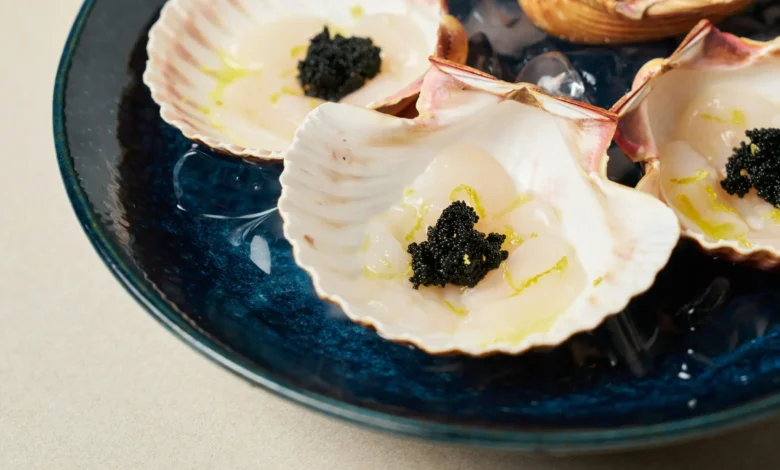
For culinary enthusiasts and connoisseurs alike, the acquisition of high-quality caviar for home consumption represents a significant intersection of gastronomy, luxury, and tradition. Often misunderstood as a monolith of opulence, the world of caviar is a complex ecosystem defined by species, provenance, harvesting techniques, and the critical standard of freshness. As the market for home-dining experiences continues to evolve in the post-pandemic era, consumers are increasingly seeking guidance on navigating the nuanced tiers of sturgeon roe and its viable, cost-effective alternatives.
Defining the Sturgeon Standard
True caviar is strictly defined as the processed, salted, unfertilized roe of the sturgeon—a prehistoric family of fish that has survived for over 200 million years. While market terminology often loosely applies the term "caviar" to any fish roe, culinary experts and regulatory bodies maintain that only the Acipenseridae family qualifies for the distinction.
Within this category, three primary varieties historically dominate the global luxury market. Beluga, harvested from the Huso huso sturgeon, remains the rarest and most expensive. Characterized by its large, translucent eggs and a delicate, creamy profile, it is the benchmark against which all other caviars are measured. Osietra, sourced from the Acipenser gueldenstaedtii, offers a medium-sized grain with a distinctively rich, nutty, and briny complexity. Finally, Sevruga, derived from the Acipenser stellatus, features smaller, firmer eggs with a bold, pronounced flavor profile. While historically positioned as the more accessible entry point, Sevruga remains a highly prized component of the classic trio.
Beyond these traditional sturgeons, the market frequently incorporates salmon roe (ikura) and trout roe. While these are technically roe rather than caviar, they have gained widespread popularity for their vibrant color, distinct "pop" on the palate, and significantly lower price points, serving as a gateway for many home consumers.
A Chronological Shift in Production
The history of caviar consumption is as much about conservation as it is about taste. For centuries, the Caspian and Black Seas were the epicenter of the global trade, with Russia and Iran serving as the primary suppliers. However, by the late 20th century, the overfishing of wild sturgeon populations led to a precipitous decline in numbers, forcing the CITES (Convention on International Trade in Endangered Species of Wild Fauna and Flora) to impose strict international regulations on the trade of wild-caught sturgeon in 1998.
This regulatory intervention served as the catalyst for the modern era of farmed caviar. Once viewed as inferior to wild-caught product, aquaculture has since become the gold standard for sustainability and quality control. Today, nearly all caviar commercially available in the United States and Europe is farm-raised, ensuring consistent quality, improved animal welfare standards, and a predictable supply chain.
This transition has decentralized production. While Russia and Iran remain historical landmarks, nations such as Italy, China, the United States, and the United Kingdom have emerged as top-tier producers. For instance, Exmoor Caviar has distinguished itself as the only commercial producer in the United Kingdom, supplying top-tier establishments and proving that temperate, controlled environments can produce world-class roe.
Expert Perspectives on Market Selection
Navigating the current marketplace requires an understanding of what constitutes a premium product. Reid Lauber, senior food and beverage manager at Lotte New York Palace, emphasizes that the common association between price and quality is not always a direct correlation.
"It is a common misconception that all caviar is created equal," Lauber notes. "Many are under the impression that more expensive always means better. In reality, there are many excellent varieties at different price points, and the best choice ultimately comes down to quality, freshness, and individual taste."
Lauber’s assessment is echoed by industry suppliers who focus on the "farm-to-table" journey of the roe. High-end providers like Petrossian, which has operated since 1920, have leveraged a century of expertise to refine the curing process—a critical stage where salt levels are carefully balanced to preserve the integrity of the egg without overpowering its natural flavor. Modern innovators like N25 and the concierge-driven Umai model represent the next phase of the industry, where direct-to-consumer services prioritize the reduction of time-in-transit, thereby ensuring that the product retains its "refined and fresh" characteristics upon delivery to the home.
Supporting Data and Market Trends
The global caviar market is projected to see continued growth, driven by a rising middle class in emerging economies and the normalization of premium food items in retail environments. Market analysis indicates that the shift toward sustainable aquaculture has stabilized prices, making "mid-range" caviars—such as those sourced from the Siberian sturgeon (Acipenser baerii)—more accessible than the high-premium Beluga hybrids.
Key considerations for the home consumer include:
- Freshness Metrics: Caviar is a perishable product. The industry standard dictates that product should be consumed within 4–6 weeks of packaging if kept at the appropriate temperature (typically -2°C to 2°C).
- The Salt Factor: High-quality "Malossol" (meaning "little salt" in Russian) is the industry gold standard, containing less than 5% salt. Lower-quality products often use higher salt content to extend shelf life, which can mask the subtle nuances of the roe.
- Temperature Sensitivity: Caviar should never be frozen, as the crystalline structure of the eggs will rupture upon thawing, turning the product into a paste.
Broader Implications for Culinary Tourism and Home Dining
The democratization of caviar has profound implications for the hospitality industry. As home chefs become more educated about the provenance of their ingredients, the demand for transparency increases. Consumers are now asking questions regarding the water quality of the farms, the age of the sturgeon at harvest, and the specific curing techniques employed by the producers.
This transparency movement is being facilitated by digital marketplaces and curated tasting sets, such as those offered by Fortnum & Mason. These sets allow consumers to compare different varieties side-by-side, fostering a more sophisticated understanding of the flavor profiles inherent in different species. This educational shift is likely to reduce the reliance on brand names alone and increase interest in smaller, artisanal producers who emphasize distinct regional characteristics.
Furthermore, the environmental impact of modern aquaculture cannot be overstated. By moving production into closed-circuit, recirculating aquaculture systems (RAS), producers have significantly reduced the ecological footprint of the industry. These systems allow for the precise control of water quality and diet, which in turn results in a more consistent and healthier end product. The integration of technology into the harvesting process—such as ultrasound to determine the exact maturity of the roe—ensures that fish are handled with minimal stress, a practice that directly impacts the texture and quality of the final product.
Conclusion: A Guide to Informed Purchasing
For the individual looking to curate a caviar experience at home, the path forward is clear: prioritize freshness over the "prestige" of historical names. When purchasing, look for producers who provide harvest dates and clear information regarding the sturgeon species.
As the industry moves away from the shadow of overfishing and into a refined era of technological precision, the barrier to entry for the home consumer is lower than ever. Whether one chooses the bold, assertive profile of a Sevruga or the creamy, indulgent notes of a high-end Beluga hybrid, the fundamental rule remains: high-quality caviar should feel delicate on the palate, with a clean finish that reflects the care taken in its production. By understanding the origins and the science behind the salt, the modern consumer can transform the act of purchasing caviar from a simple luxury acquisition into a deliberate, informed, and deeply rewarding culinary pursuit.