Berlin Holiday Guide: Navigating the German Capital’s Expansive Network of More Than 70 Christmas Markets

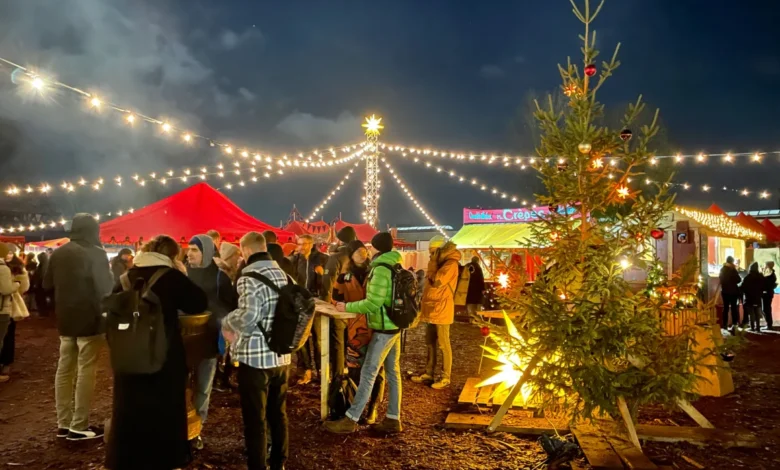
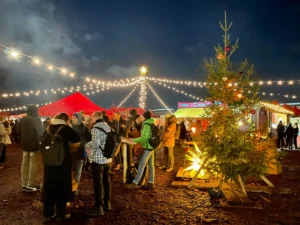
As the winter solstice approaches and the daylight hours in the German capital dwindle rapidly—with the sun setting well before 4:00 PM throughout December—the city of Berlin transforms into a vast winter landscape punctuated by twinkling lights, the scent of roasting almonds, and the distinct aroma of spiced mulled wine. Unlike traditional Bavarian or Franconian cities that center their winter festivities around a single municipal square, Berlin’s decentralized layout gives rise to a remarkably diverse array of holiday celebrations. With approximately 70 distinct markets operating across the city’s various neighborhoods, the German capital offers a unique urban approach to the centuries-old European tradition of the Weihnachtsmarkt.
Main Facts and the Evolution of Berlin’s Holiday Markets
The history of the German Christmas market dates back to the Late Middle Ages, initially established as localized commercial spaces where citizens could purchase essential provisions, meat, and winter wear ahead of the harsh winter months. Over the centuries, these gatherings evolved into community hubs centered on fellowship, culinary indulgence, and seasonal celebration. While cities like Nuremberg, Munich, and Stuttgart have historically dominated global recognition for their massive, highly traditional fairs, Berlin has charted its own distinct course.

Because Berlin lacks a singular historical city center, its holiday footprint is distributed across dozens of distinct boroughs, ranging from Friedrichshain and Neukölln to Charlottenburg and Spandau. This dispersal means that rather than encountering a single, monolithic market experience, visitors and residents can choose from a curated selection of environments tailored to specific aesthetic tastes. These range from high-end handicraft fairs situated in neoclassical public squares to alternative, community-driven winter festivals located along industrial riverbanks and historic courtyards.
Chronology and Operational Schedules

The modern Berlin Christmas market season generally commences during the final week of November, coinciding with the beginning of Advent, and runs continuously through December, with select markets extending their operations into the first days of January. Preparations by local vendors, municipal authorities, and cultural organizations typically begin months in advance, involving complex permitting processes, logistical coordination for temporary infrastructure, and coordination with local law enforcement and transit agencies.
Opening dates for the primary markets typically align on the Monday following the Sunday of the Dead (Totensonntag), a traditional Protestant holiday of remembrance in Germany. In recent years, municipal data indicates that the total number of authorized markets has expanded significantly, cresting at roughly 70 individual locations. While major flagship locations operate daily for four to five weeks, neighborhood-specific and historically themed markets often operate on a limited schedule, restricted to specific weekends during the Advent season.

A Curated Guide to Berlin’s Premier Holiday Destinations
For travelers navigating the city’s extensive holiday offerings, urban planners and tourism boards generally categorize Berlin’s markets by their architectural settings and cultural themes.

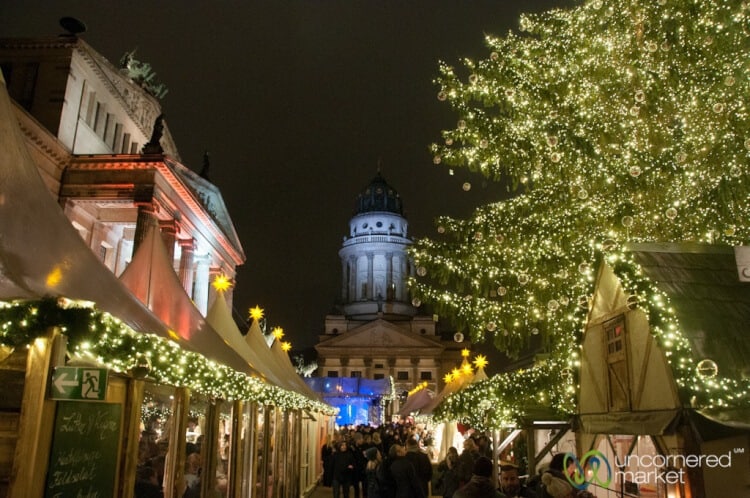
The WeihnachtsZauber at Gendarmenmarkt stands as one of the city’s most visually striking traditional destinations. Set against the neoclassical backdrop of the Konzerthaus Berlin and flanked by the French and German Cathedrals, this market emphasizes high-end handicrafts, luxury gift items, and elevated gastronomy. Visitors frequenting the Gendarmenmarkt frequently seek out traditional beverages such as Feuerzangenbowle—a punch made of red wine flamed over a rum-soaked sugarloaf—or request their mulled wine (Glühwein) mit Schuss, meaning fortified with a shot of rum or amaretto. A nominal municipal entrance fee is typically charged to manage crowd flow and support the maintenance of the historic square.
For those seeking imperial grandeur, the Schloss Charlottenburg Christmas Market places visitors directly in the shadow of a 300-year-old Baroque palace. Featuring large-scale, rotating wooden Christmas pyramids (Weihnachtspyramiden) and elaborate illumination displays, the Charlottenburg market blends fairy-tale aesthetics with traditional German street food offerings.
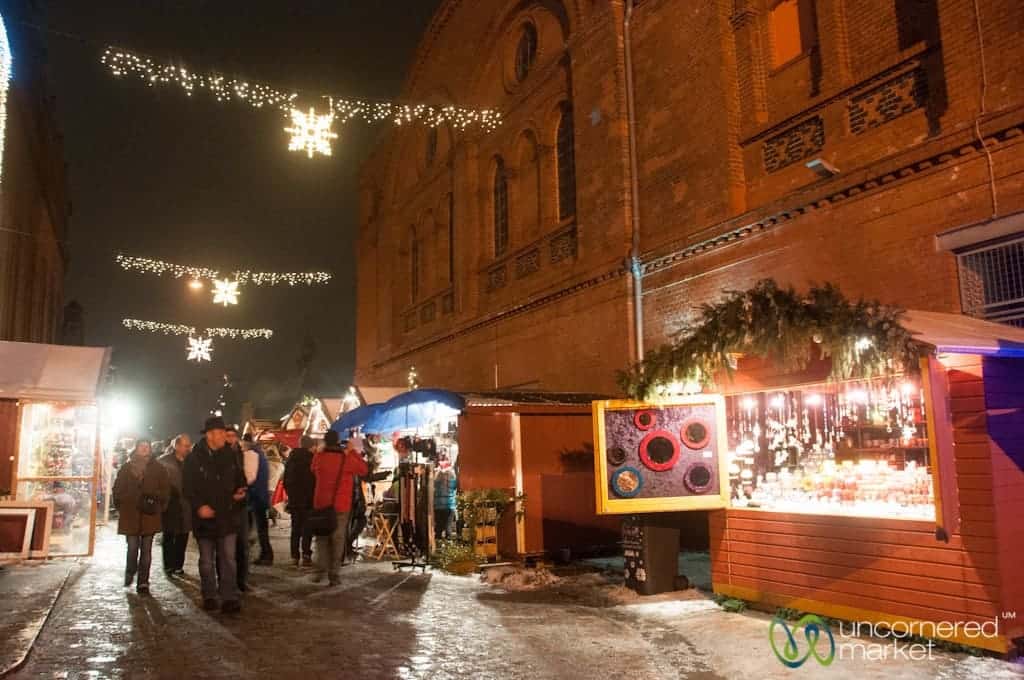
Shifting away from purely Germanic traditions, the Lucia Christmas Market at the Kulturbrauerei in Prenzlauer Berg offers a distinctly Nordic and Scandinavian experience. Situated within the winding, red-brick courtyards of a 19th-century industrial brewery complex, the market highlights Scandinavian mulled wines (glögg), reindeer sausage, and Nordic-themed games and textiles.
In the western periphery of the city, the Spandau Old Town and Citadel Christmas Markets transport visitors into a preserved Renaissance fortress environment and historic village setting. Meanwhile, the Medieval Historical Christmas Market at the RAW Cultural Center in Friedrichshain appeals to families and history enthusiasts with fire pits, hand-operated carousels, axe-throwing competitions, and heavy ceramic mugs filled with hot mead.

Beyond the city limits, the Potsdam Christmas Market, located a short regional train ride away in the historic center of Brandenburg’s capital, offers expansive light displays, an ice-skating rink, and a neighboring Polish Christmas market at the Kutschstallhof, providing regional diversity just outside Berlin proper.
Neighborhood and Weekend Markets: The Local Experience

In addition to the major commercial and historical installations, Berlin’s sub-neighborhoods host weekend-only markets that emphasize community engagement and charitable fundraising.
The Alt-Rixdorfer Christmas Market, held annually around the historic Richardplatz in Neukölln, serves as a prime example of a community-scale enterprise. Operating strictly over a single weekend, local non-profit organizations, schools, and charitable groups run the stalls, selling homemade crafts and regional foods to raise funds for local projects. The historic square also features traditional pony rides and a petting zoo, maintaining a village atmosphere within a major metropolitan district.

Similarly, the Heissa Holzmarkt, situated along the Spree River in Friedrichshain, merges traditional winter elements with a modern, alternative Berlin sensibility. Operating on weekends throughout Advent, the permanent urban cultural space transforms into a winter village featuring riverbank bonfires, international street food vendors, silent disco installations, and independent art displays.
Further south, the Schloss Britz Christmas Market offers an intimate Nordic medieval fair within the courtyard of an 18th-century manor house, providing visitors with direct access to local artisans and specialized craft producers. Similarly, the Christmas Market at Domäne Dahlem combines agricultural heritage with organic gastronomy on the grounds of a working farm and museum estate.

Broader Economic Impact and Tourism Implications
The sprawling network of Christmas markets serves as a critical economic engine for Berlin during the fourth quarter of the fiscal year. Hospitality providers, public transportation networks, and independent retail vendors experience a significant surge in revenue driven by both domestic tourism and international visitors arriving from across Europe, North America, and Asia.

According to economic analyses of Berlin’s winter tourism sector, the decentralized nature of the city’s markets yields a positive distribution of economic activity, drawing tourist traffic away from central transit bottlenecks like Alexanderplatz and distributing visitors into peripheral residential neighborhoods such as Neukölln, Spandau, and Charlottenburg. This structural model encourages extended stays, as travelers utilize Berlin’s efficient public transit infrastructure—the U-Bahn and S-Bahn networks—to explore multiple boroughs over the course of a weekend.
Practical Planning and Accommodations

Travelers planning a winter excursion to Berlin are advised to verify operational schedules in advance, particularly for weekend-only neighborhood markets whose dates can vary slightly year-over-year. For optimal lodging locations, urban tourism experts recommend selecting accommodations in central districts such as Mitte for proximity to historical landmarks, or staying in vibrant cultural hubs like Kreuzberg, Friedrichshain, or Neukölln to experience the city’s contemporary neighborhood markets firsthand.
While the winter climate in northern Germany is characteristically cold and damp, with temperatures frequently hovering near freezing after dark, the abundance of warm seasonal beverages, sheltered courtyards, and communal gathering spaces ensures that Berlin’s winter markets remain a defining cultural institution of the European holiday season.