Discovering Lazio: A Sustainable E-Bike Journey Through Central Italy Beyond Rome

The Lazio region of central Italy, historically overshadowed by its metropolitan anchor, Rome, is experiencing a strategic pivot in tourism development through slow-travel initiatives, regional conservation projects, and low-impact e-bike itineraries. Funded by the Lazio Region and coordinated in collaboration with local initiatives such as the Thybris River Experience, a series of multi-day cycling routes has been established to connect travelers with the lesser-known archaeological, natural, and culinary landscapes flanking the Tiber River.
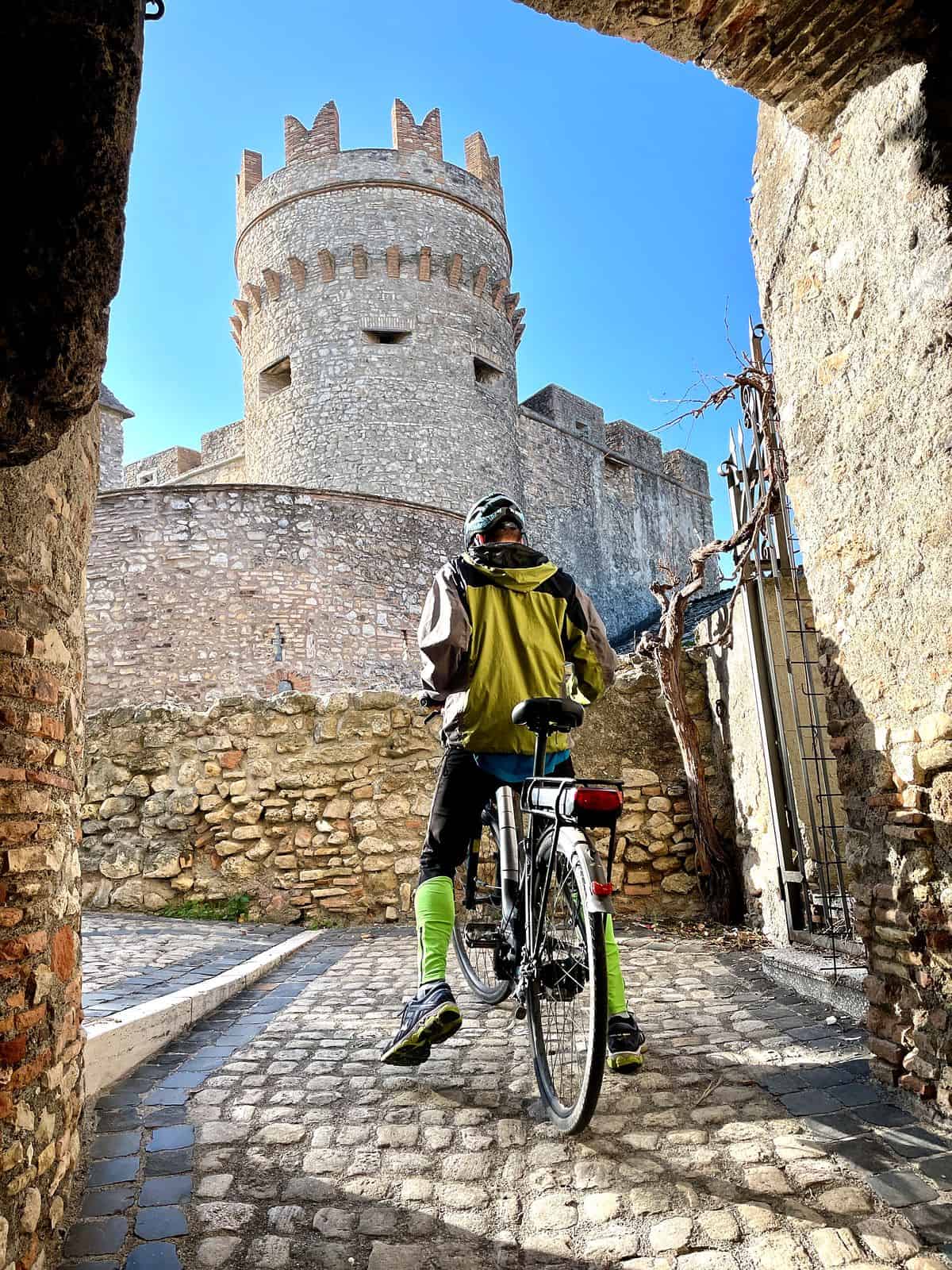
Geographic and Historical Context
Lazio derives its name from the Latin word latus, meaning "wide" or "broad," historically referring to the low-lying agricultural plains surrounding Rome. Geographically positioned between the Etruscan strongholds of Tuscany to the north and the Bourbon-influenced provinces of southern Italy, Lazio has long served as a transitional cultural corridor.
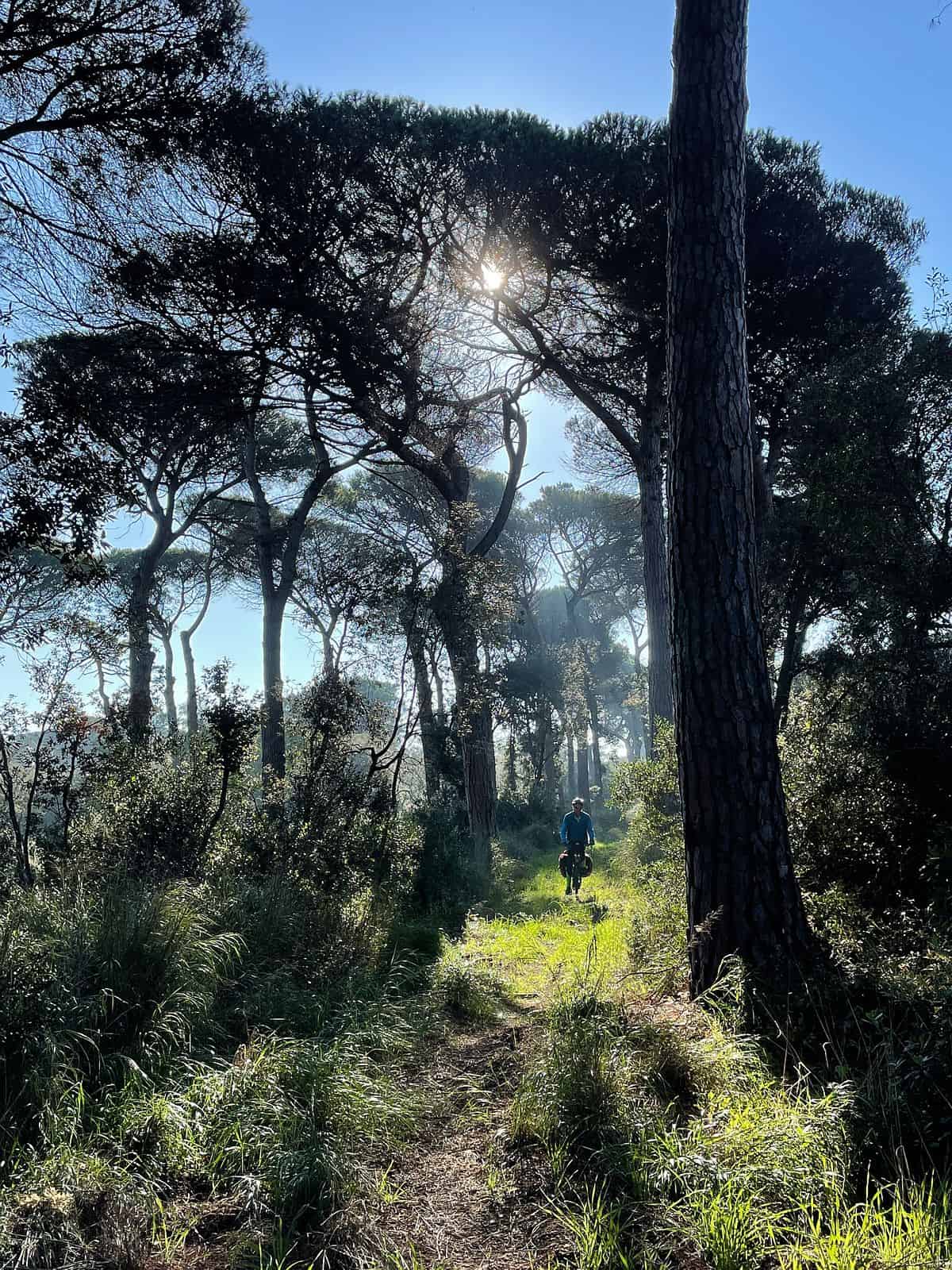
Despite hosting Italy’s capital, vast expanses of the region—particularly the Tuscia and Teverina districts in northern Lazio and the Tevere-Farfa Natural Reserve—have remained largely outside conventional international tourism circuits. To address this disparity, regional authorities and local stakeholders initiated a developmental framework aimed at distributing economic benefits to rural communities while minimizing environmental degradation.

Chronology of the E-Bike Itinerary Development
The newly curated tourism infrastructure spans three distinct micro-regions, each accessible via regional train networks approximately one hour from central Rome:
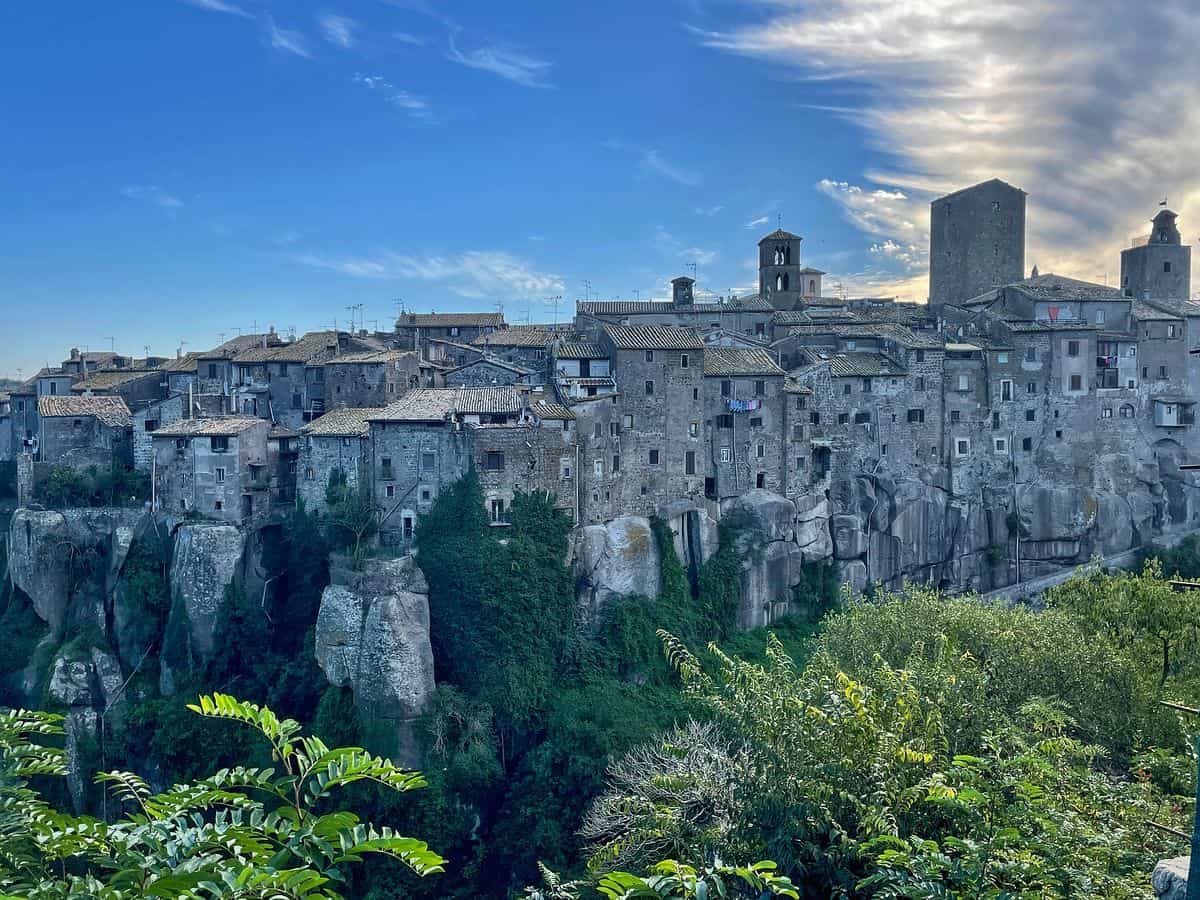
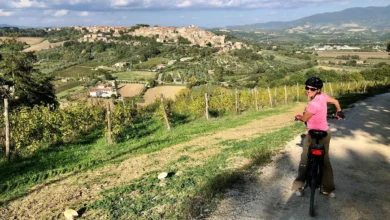
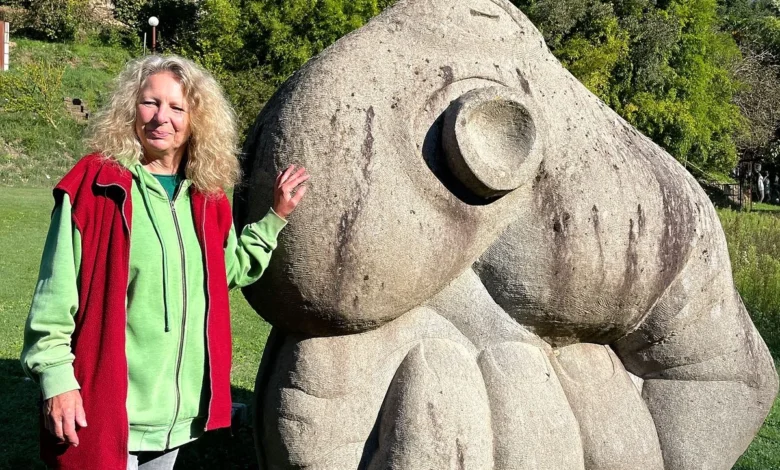
- Tuscia and Teverina (Northern Lazio): Focused on medieval hill towns such as Civitella d’Agliano, Celleno, Roccalvecce, and Vitorchiano. This sector emphasizes volcanic agriculture, historic villa restoration, and sustainable wine production. Notable stops include the Trebotti organic wine farm, the experimental sculpture garden La Serpara, the Il Mulino dei Mestieri vintage bicycle museum, and the abandoned medieval settlement of Celleno, known as Il Borgo Fantasma.
- Tevere-Farfa Natural Reserve and Nazzano: Centered on the environmental corridor of the Tiber River north of Rome. Activities in this zone include river canoeing, wildlife observation within Lazio’s first officially protected natural reserve, visits to the World War II and Cold War subterranean network at Bunker Soratte near Sant’Oreste, and exploration of contemporary art installations at the Fondazione Serpone in Torrita Tiberina.
- Rome’s Coastal Fringe (Ostia, Fiumicino, and Isola Sacra): Highlighting ancient maritime and commercial history through the 1st-century A.D. ruins of Ostia Antica, the imperial harbors of Portus (established by emperors Claudius and Trajan), the Necropolis of Portus, and the regenerative wetland management at the LIPU Oasis in Ostia.
Sustainable Practices and Local Economic Impact
The core mandate of the Lazio Region’s tourism diversification project is sustainability. Transportation across the multi-day routes relies primarily on electric-assist bicycles (e-bikes) and regional railways, significantly reducing the carbon footprint typically associated with vehicular tourism in rural Italy.

Accommodation providers, tour guides, and culinary partners are sourced locally to ensure that tourism expenditures directly reinforce community resilience. For instance, agricultural producers like the Trebotti winery employ closed-loop sustainability measures—utilizing indigenous grape varieties on volcanic soils, lightweight glass packaging, and ancient Etruscan subterranean cellars for natural temperature regulation—setting a benchmark for regional agricultural practices. Similarly, community-led land reclamation projects, such as the transformation of a former landfill into the thriving wetlands of the LIPU Oasis, demonstrate the measurable ecological dividends of regenerative tourism models.

Official Responses and Strategic Implications
Representatives from regional development agencies and participating organizations have emphasized that the diversification of Lazio’s tourism portfolio is essential for regional economic stability. By decentralizing visitor traffic away from saturated urban centers like central Rome and Florence, the initiative aims to curb overtourism while breathing economic life into depopulated medieval hill towns.

Urban planners and regional tourism analysts suggest that the integration of active-transport corridors—such as the Pasolini Path (Sentiero Pasolini) and the Regina Ciclarium—serves a dual purpose: preserving historical infrastructure and providing a continuous green belt that links the Tyrrhenian coast to the interior valleys. Fact-based analyses indicate that such slow-tourism infrastructure requires modest capital investment compared to mass-tourism facilities, yielding higher per-visitor economic retention within local micro-economies.

Broader Impact on Regional Tourism
The systematic mapping and promotion of Lazio’s non-urban assets mark a shift in Italian regional tourism policy. By fusing historical preservation—ranging from ancient Roman necropolises to 20th-century military bunkers—with contemporary eco-tourism, Lazio provides a scalable model for heritage management.

As these customizable itineraries are refined through ongoing visitor feedback and institutional support, they offer a viable blueprint for regions seeking to balance heritage conservation, ecological restoration, and sustainable economic growth without capitulating to the pressures of conventional mass tourism.