The world’s largest folk festival, Oktoberfest—or the Wiesn, as it is affectionately known by locals—represents a unique convergence of Bavarian heritage and global festivity. While its reputation for rowdy beer halls and carnival-style excess may seem at odds with the curated world of luxury travel, the event remains an essential cultural pillar of southern Germany. With millions of visitors expected to descend upon Munich’s Theresienwiese for the 2026 iteration, which runs from September 19 to October 4, the challenge for the high-end traveler is not to transform the festival into an exclusive enclave, but to integrate it into a seamless, sophisticated itinerary.
Historical Context and the Evolution of the Wiesn
The origins of Oktoberfest date back to October 12, 1810, when Crown Prince Ludwig (later King Ludwig I) married Princess Therese of Saxe-Hildburghausen. The citizens of Munich were invited to celebrate the royal wedding on the fields in front of the city gates, which were subsequently named Theresienwiese ("Therese’s Meadow") in the bride’s honor. What began as a horse race and agricultural celebration evolved over two centuries into a global phenomenon.

Today, the festival is a massive economic engine for Bavaria. According to recent municipal data, the festival generates over $1.2 billion in annual revenue for the city, supporting thousands of jobs across the hospitality, logistics, and brewing sectors. The event adheres to the strict Reinheitsgebot, or Bavarian Purity Law, ensuring that only beer brewed within the city limits of Munich, meeting specific gravity and ingredient standards, is served.
Strategic Planning for the Discerning Traveler
For the luxury traveler, the "Wiesn" is not about velvet ropes; it is about precision logistics. Carolin Grove, PR director at Hotel Vier Jahreszeiten Kempinski München and Kempinski Hotel Berchtesgaden, emphasizes that the egalitarian nature of the festival is its primary strength. "The Wiesn isn’t a luxury destination," she notes. "The whole point is that everyone celebrates together here."
To maintain a high standard of comfort amidst the crowds, experts recommend a strategy focused on three pillars: premier accommodation, secured access, and cultural buffering.

Securing the Foundation: Where to Stay
Choosing the right base of operations is critical to balancing the high-energy environment of the festival grounds with the need for refined downtime. Livia Angelini, a Europe travel specialist at Scott Dunn, identifies three properties that offer the necessary infrastructure for a luxury stay.
The Hotel Vier Jahreszeiten Kempinski remains an anchor of Munich’s hospitality scene. Its location on the prestigious Maximilianstrasse provides immediate access to the Old Town, the Residenz, and the city’s premier shopping district. For those prioritizing a blend of historic architecture and contemporary amenities, the Rosewood Munich—housed within two meticulously restored heritage buildings—offers a residential aesthetic that serves as a quiet sanctuary. Alternatively, The Charles Hotel, a Rocco Forte property, is frequently cited for its expansive rooms and comprehensive spa facilities, which prove invaluable for recovery after long days on the festival grounds.
Navigating the Tents: The Art of the Reservation

The most common misconception among luxury travelers is that the festival can be navigated on a whim. In reality, the logistics of the tents require early intervention. "The most important thing is to have a table reservation so you’re let into the tent right away," explains Grove. "Otherwise, you sometimes won’t have a chance to get in at all."
Concierge services are essential here. Many top-tier hotels, including the Rosewood and the Mandarin Oriental, offer comprehensive packages that include host-led entries, ensuring guests are escorted to pre-reserved seating. This removes the uncertainty of entrance queues and allows for a more structured experience.
For those seeking a more refined atmosphere within the festival, specific tents are preferred by seasoned travelers. The Käfer Wiesn-Schänke is widely regarded for its elevated culinary program, while the Kuffler’s Weinzelt offers a sophisticated alternative for those who prefer wine and champagne over the traditional liter-sized steins of beer. The Schützen-Festzelt is also frequently noted for its blend of traditional ambiance and superior service standards.
Culinary Explorations: Beyond the Beer Hall

While the festival grounds offer traditional fare—such as Hendl (roasted chicken), Schweinshaxe (pork knuckle), and giant Brezn (pretzels)—Munich’s culinary scene extends far beyond the Theresienwiese.
Lena Speckmeyer, head concierge at The Charles Hotel, advises guests to look toward the city’s historic restaurants for a more balanced gastronomic experience. Spatenhaus an der Oper, situated opposite the opera house, provides a dual-experience: a traditional Wirtshaus on the ground floor and a refined, white-tablecloth dining room on the upper level. Other institutions like Weinhaus Neuner offer a more tranquil, wine-centric atmosphere that provides a necessary respite from the boisterous energy of the festival.
For those curious about local staples, the morning ritual of "Weisswurst" (a delicate veal sausage) remains a must-do. Traditionally consumed before noon with sweet mustard and a soft pretzel, it serves as the perfect, low-key start to a day of festivities.
The Oide Wiesn: A Nostalgic Alternative

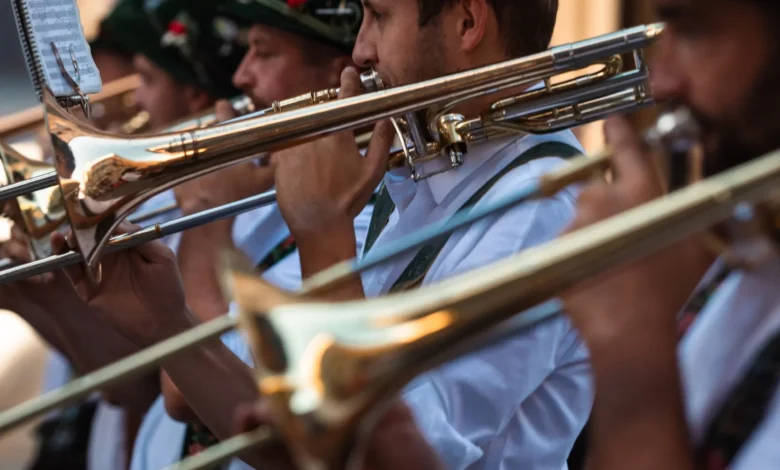
For travelers who find the main festival too overwhelming, the "Oide Wiesn" (Old Oktoberfest) provides a compelling alternative. Located in the southern section of the Theresienwiese, this area features historic rides, traditional brass music, and smaller, more intimate beer tents. It functions as a living museum, preserving the customs and atmosphere of the late 19th and early 20th centuries. The environment here is significantly more relaxed, making it ideal for those who prefer to observe the traditions of the festival without the intensity of the main event.
Balancing the Itinerary: Cultural Integration
To avoid "festival fatigue," experts suggest balancing the time spent at the Wiesn with the broader cultural offerings of Bavaria. A well-constructed itinerary should include excursions to the Nymphenburg Palace, the BMW Museum, and the historic Marienplatz.
For those seeking an escape from the urban center, the surrounding lakes—Tegernsee, Starnberger See, and Ammersee—offer a peaceful contrast to the city. Private, guided day trips to the Neuschwanstein or Linderhof castles are also highly recommended to provide context on the history of the Bavarian monarchy. Rosewood’s concierge team frequently facilitates private excursions to Salzburg, allowing guests to explore the musical and architectural history of Austria as a thematic extension of their German trip.

Economic and Social Implications
The 2026 festival is expected to draw approximately 6 million visitors. The management of such a large influx requires significant coordination between the City of Munich, private security firms, and the hospitality sector. Recent years have seen an increased focus on sustainability, with many organizers implementing digital ticketing systems and prioritizing local sourcing for food and beverage stalls to reduce the environmental footprint.
From a sociological perspective, Oktoberfest functions as a vital repository of Bavarian identity. Despite the heavy commercialization, the insistence on local traditional clothing (Tracht), regional brewing standards, and specific musical repertoires helps to preserve a sense of continuity in an increasingly globalized world. For the international visitor, engaging with these traditions with respect and preparation is the key to a truly rewarding experience.
Final Recommendations for 2026

Preparation is the final hallmark of a successful trip. Travelers should aim to book their accommodations at least six to nine months in advance, particularly for the weekends. Engaging a luxury travel consultant or the hotel’s head concierge early ensures that dining reservations, private transportation, and guided tours are locked in before demand peaks.
Ultimately, the luxury of the Oktoberfest experience lies not in isolation, but in the ability to participate in a centuries-old tradition while maintaining the comfort and autonomy of a private travel itinerary. By balancing the high-octane energy of the tents with the refined elegance of Munich’s historic hotels and the tranquility of the Bavarian countryside, visitors can enjoy the best of both worlds. The goal is to remain a spectator of the grand spectacle, dipping into the communal joy of the Wiesn, and retreating to the quiet sophistication of the city when the mood requires.