Charleston’s Theatrical Hotel Operis Is a Walkable Base for a Weekend in the City

Architectural Context and Room Design
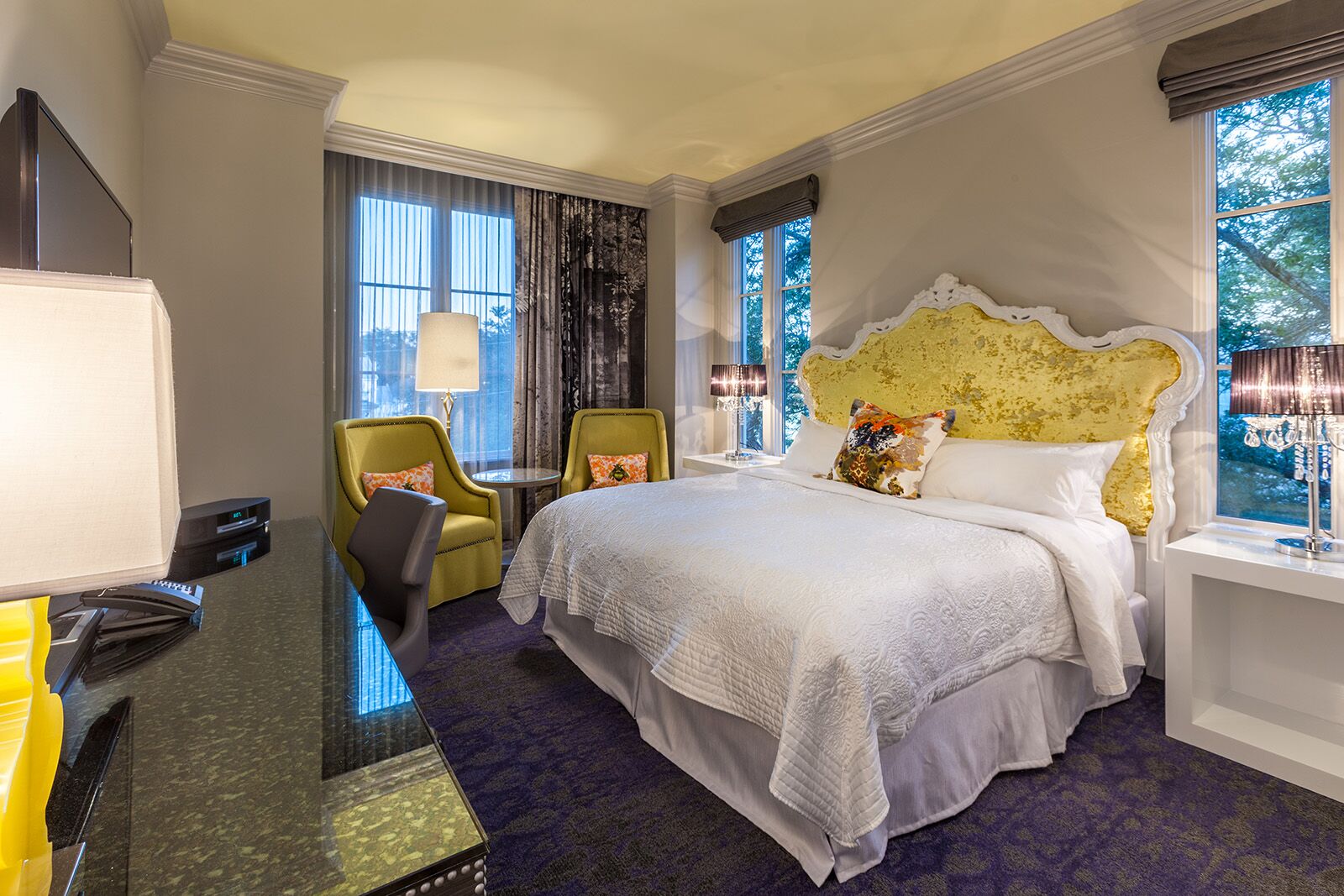
The design philosophy of Hotel Operis emphasizes a seamless integration with its surroundings. The rooms, which range from standard king and double occupancy to expansive suites with dedicated lounging areas, are characterized by thoughtful details. A standout feature is the window treatment, which utilizes blackout curtains inspired by the traditional hospitality doors of Charleston’s historic residences. In local architectural folklore, an open door signifies that a household is receiving guests, while a closed door indicates privacy. This nod to regional history provides a narrative layer to the room design, bridging the gap between a modern hotel environment and the legacy of the city’s architectural vernacular.
Interior layouts vary between those offering direct views of the vibrant downtown streetscape and those facing the hotel’s internal, art-filled atrium. The latter serves as a climate-controlled sanctuary, reducing street noise and providing a tranquil aesthetic. Amenities are standard for a high-end boutique hotel, featuring Nespresso coffee systems, plush bathrobes, and LATHER-branded toiletries, which have been noted for their olfactory appeal—an increasingly common metric for guest satisfaction in the luxury segment.
Curated Experiences and On-Site Amenities
Beyond its guest rooms, Hotel Operis has implemented a strategy of "internal engagement," encouraging guests to spend time within the property. The hotel’s art collection is a rotating exhibition sourced from local Charleston galleries, ensuring that the visual identity of the hotel remains tied to the local creative community.
One of the more rigorous offerings at the hotel is the signature wine-blending session. Led by resident sommelier Eric Simon, the program provides an educational framework for understanding viticulture. During these sessions, participants engage with 2023 varietals sourced from Mendocino, California. The process involves tasting four distinct varietals and utilizing personal preference data to calibrate a custom blend. This initiative reflects a broader trend in the boutique hospitality sector, where hotels are moving away from passive accommodation toward experience-driven programming that provides tangible takeaways, such as a custom-bottled wine.
Culinary Landscape: From Cafe Lumen to the Arden Room
The culinary ecosystem at Hotel Operis is segmented into three distinct experiences: Café Lumen, the Arden Room, and the Operis Wine Bar.
Café Lumen operates as the hotel’s primary breakfast and lunch hub. Situated near the lobby, it emphasizes a high-traffic, accessible service model. Its menu leans into regional fusion, exemplified by items such as the Morning Sandwich—a ham, egg, and cheese bagel topped with chili crisp. This reflects the current shift in Southern culinary circles, where traditional staples are being updated with global flavor profiles.
The Arden Room, located on the hotel’s rooftop, serves as the property’s flagship dining venue. By offering both light bites and formal entrées, the restaurant captures both the casual cocktail crowd and the full-service dining demographic. The venue’s focus on an extensive wine list—featuring high-end Sancerre and other select international labels—positions it as a competitive player in Charleston’s saturated rooftop bar market.
Complementing these is the Operis Wine Bar, which maintains a portfolio of over 50 wine labels. The inclusion of a robust food menu at the bar level suggests a strategy to capture late-night foot traffic and hotel guests seeking convenience without sacrificing culinary quality.
Exploring Charleston: A Walkable Destination
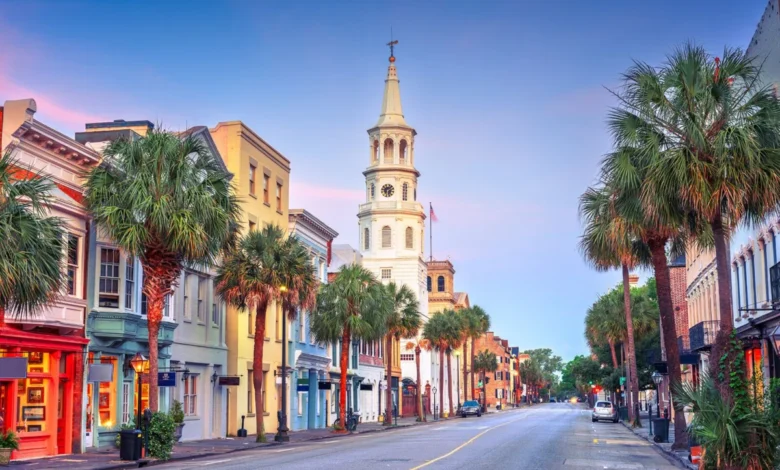
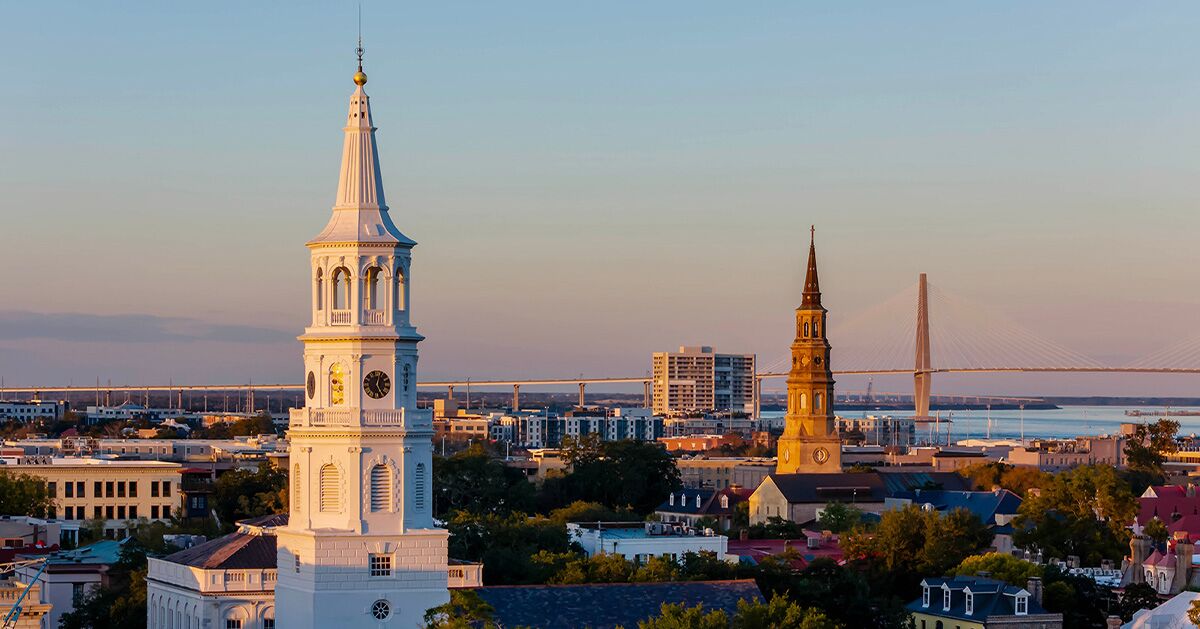
Hotel Operis occupies a prime geographic position in the Historic District, rendering private vehicle usage unnecessary for most tourists. The property is within walking distance of several primary landmarks:
- Rainbow Row: A series of 13 historic, pastel-colored townhouses on East Bay Street.
- City Market: One of the oldest public markets in the United States, hosting over 300 vendors.
- Waterfront Park: Home to the iconic Pineapple Fountain.
The proximity to these sites allows guests to utilize the city’s existing infrastructure, including the DASH downtown shuttle, which maintains a stop directly across from the hotel. This integration into the city’s public transit network aligns with the growing demand for sustainable, low-impact tourism.
Historical Context and Tours
For visitors, the hotel serves as a base camp for guided explorations of the city’s layered history. Collaborations with local operators like Bulldog Tours and Palmetto Carriage Works provide guests with structured narratives regarding the city’s past.
The ghost tours, which often focus on Charleston’s 18th and 19th-century dungeons and cemeteries, tap into the city’s "dark tourism" market. Conversely, the horse-drawn carriage rides—a practice that has been a staple of Charleston tourism since the early 1970s—offer a more traditional historical overview. These tours provide critical context for the city’s landmark structures, including the Old City Jail and the William Rhett House. The availability of these tours within a 10-minute walk of the hotel underscores the efficacy of the property’s location for those interested in historical immersion.
Economic and Logistical Implications
From a logistical standpoint, the hotel’s placement within the Historic District serves as a strategic advantage. Charleston’s aviation accessibility—primarily through the Charleston International Airport (CHS)—allows for rapid transit into the city center. For travelers flying from hubs like New York City, the transit time is roughly two hours, with a final ground transit to the hotel of approximately 20 minutes.
The hotel’s pricing, starting at $400, reflects its position in the upper-mid-scale to luxury market. Analysts note that as Charleston continues to see high occupancy rates, properties that offer both proximity to the waterfront and an integrated dining experience are likely to maintain higher price points.
Broader Industry Trends
Hotel Operis is representative of a larger shift in the boutique hotel industry. By prioritizing local collaborations—such as the inclusion of craft-DIY experiences at local studios like Craft-DIY—the hotel encourages guests to contribute to the local economy. This model, often referred to as "community-integrated hospitality," moves the hotel from an isolated luxury bubble to a nexus of the neighborhood’s commercial life.
Furthermore, the emphasis on local ingredients at nearby restaurants like Le Farfalle and Circe’s Grotto, coupled with the hotel’s own curated menus, indicates a cohesive effort by the local hospitality sector to present a unified, high-quality front to the influx of domestic and international visitors.
As Charleston faces the challenges of managing tourism growth while maintaining its historic character, the success of hotels like the Operis depends on their ability to balance high-volume service with the preservation of the city’s unique architectural and cultural identity. The data suggests that for the time being, this model is not only sustainable but highly attractive to the modern, experience-oriented traveler who values the convenience of a "car-free" city break. Whether through the lens of a sommelier-led wine blend or a quiet morning in a wingback chair, the experience at Hotel Operis is designed to feel both deeply rooted in the local history and entirely reflective of contemporary luxury expectations.