Berlin Christmas Markets: A Comprehensive Guide to the Capital’s Holiday Traditions

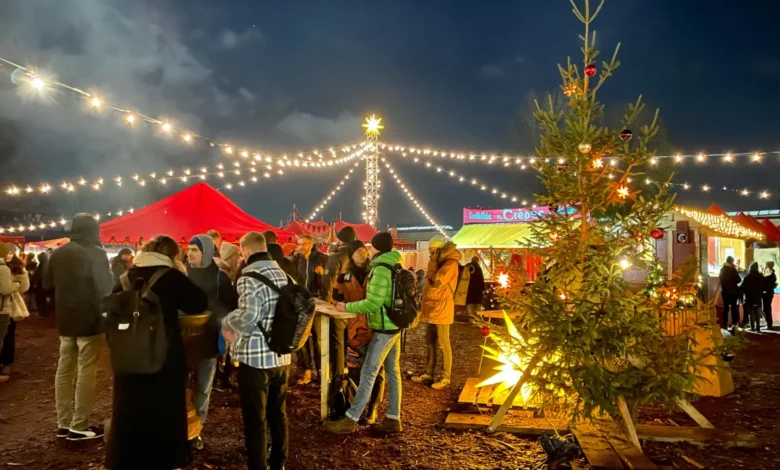
The tradition of the German Christmas market, or Weihnachtsmarkt, has evolved into a cornerstone of the country’s winter tourism and social fabric. While cities like Nuremberg and Munich have long claimed the mantle of historical prestige, Berlin has emerged as a diverse, modern epicenter for the season. With more than 70 distinct markets scattered across the capital’s neighborhoods, the city offers an expansive, decentralized experience that reflects its unique urban geography and cultural fragmentation.
Historical Context and Modern Evolution
The concept of the Christmas market dates back to the late Middle Ages in German-speaking territories. Originally intended as brief, one-day events to provide local residents with meat and winter supplies for the holiday period, these gatherings gradually incorporated seasonal crafts, gingerbread, and decorations. Over the centuries, they transitioned from utilitarian supply hubs into social institutions.

In Berlin, the development of these markets mirrors the city’s complex history. Unlike historical city centers that evolved around a single medieval square, Berlin’s post-war reconstruction and the subsequent reunification of the city led to the emergence of multiple urban hubs. Consequently, Berlin’s Christmas market scene is not monolithic. Instead, it functions as a collection of neighborhood-specific events, ranging from traditional, high-end artisanal showcases to gritty, avant-garde, and industrial-themed festivals.
The 2024-2025 Seasonal Timeline

For the 2024-2025 season, the municipal government and local organizers coordinated a synchronized start date of November 25, 2024. Most major markets remain operational through December 31, with some extending into the first week of January. The scheduling is strategically designed to align with the Advent period, the four-week countdown to Christmas. This timing is critical, as data from the Berlin Tourism Board suggests that holiday-related tourism accounts for a significant portion of the city’s fourth-quarter hospitality revenue.
Key Markets and Their Distinctive Profiles

The diversity of Berlin’s markets allows visitors to curate their experiences based on specific interests.
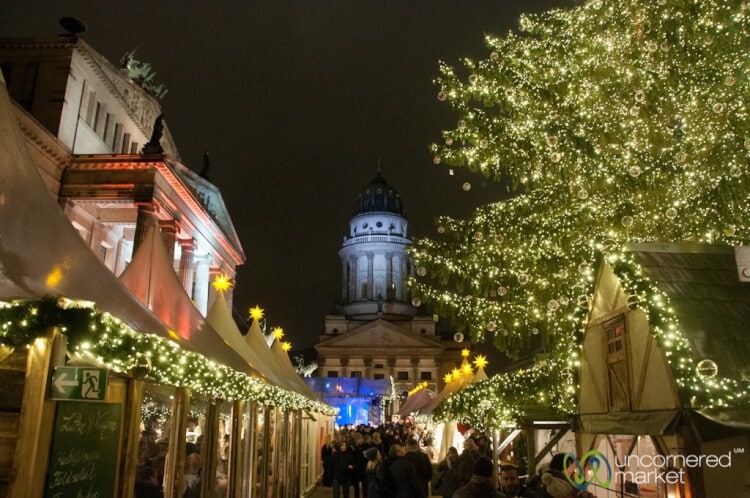
The WeihnachtsZauber at Gendarmenmarkt remains the most prominent traditional market. Situated in one of the city’s most architecturally significant squares, it is framed by the French and German Cathedrals and the Konzerthaus. This market is noted for its high-quality artisanal crafts and strict standards for culinary offerings. The implementation of a nominal entrance fee is a deliberate management strategy to regulate foot traffic in a high-density area, ensuring a more controlled and pleasant environment for attendees.

In contrast, the Schloss Charlottenburg Christmas Market offers a historical backdrop. By leveraging the grounds of a 300-year-old Baroque palace, organizers emphasize a fairytale aesthetic. This location is particularly popular for its emphasis on traditional German food and the use of large-scale wooden Christmas pyramids—a quintessential symbol of the Erzgebirge region.
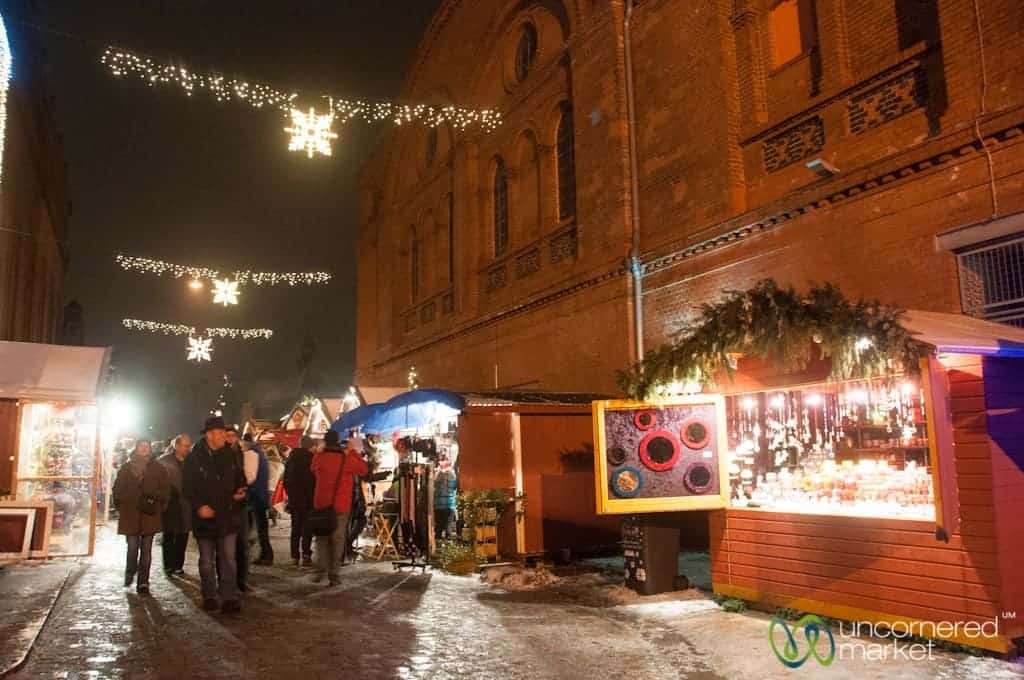
For those seeking regional diversity, the Lucia Christmas Market at the Kulturbrauerei provides a Scandinavian perspective. Named after the Swedish festival of St. Lucia, this market is located within a 19th-century industrial brewery complex in Prenzlauer Berg. It distinguishes itself by focusing on Nordic traditions, including the sale of reindeer meat, Scandinavian glögg, and various Nordic handicrafts, offering a departure from the strictly local German offerings found elsewhere.
Alternative and Niche Experiences
Berlin’s reputation for alternative culture is well-represented in its Christmas market offerings. The Medieval Historical Christmas Market at the RAW Cultural Center in Friedrichshain is a prime example. This market eschews modern plastic decorations in favor of an immersive historical aesthetic. It features artisans who demonstrate traditional metalwork, axe-throwing, and archery, effectively recreating a medieval village atmosphere. The use of fire pits and heavy ceramic mugs for mulled wine serves as an intentional aesthetic choice that appeals to a demographic seeking a more rugged, atmospheric experience.

The Alt-Rixdorfer Christmas Market in the Neukölln district represents the community-oriented model. It is characterized by its reliance on local schools, charities, and community groups to staff the stalls. The proceeds from these sales are often funneled back into local social projects. Held at Richardplatz, this market emphasizes local cohesion over commercial tourism, providing a window into the neighborhood’s social dynamics.
Economic and Social Impact

The proliferation of Christmas markets has significant economic implications for Berlin. A report from the Berlin Chamber of Commerce and Industry (IHK) previously indicated that the holiday season stimulates significant spending in the retail, gastronomy, and transportation sectors. Beyond the direct financial impact, the markets serve a vital social function. In a city as large and sometimes transient as Berlin, these markets provide a predictable, recurring space for communal gathering during the darkest weeks of the year.
The phenomenon of "Glühwein culture"—the tradition of gathering outdoors in the evening to consume spiced wine—serves as a psychological buffer against the seasonal affective challenges of winter. With sunset occurring before 4:00 PM in December, the markets provide essential illumination and warmth, transforming public spaces into active, vibrant hubs.

Operational Challenges and Management
Managing 70+ markets requires significant coordination between private organizers, local district councils, and municipal authorities. Safety, waste management, and energy consumption have become increasingly scrutinized topics. In recent years, organizers have faced pressure to shift toward sustainable practices, including the use of energy-efficient LED lighting and the reduction of single-use plastics in food service.

Furthermore, the commercialization of these spaces is a constant point of debate. While high-end, curated markets like those at Gendarmenmarkt maintain a focus on tradition, others have faced criticism for selling mass-produced, low-quality goods. In response, some districts have introduced stricter vendor licensing requirements to ensure that a higher percentage of goods sold are handmade or locally sourced, thereby preserving the "authentic" branding that attracts international tourists.
Strategic Planning for Visitors

For those planning a visit, it is advisable to research the specific operational hours of each market, as they vary significantly. While some markets are open daily, others, particularly the neighborhood-based ones, may only operate on weekends or specific dates.
The most efficient way to navigate the city during the holiday season is via Berlin’s extensive public transportation network (BVG). Because many of these markets are located in dense urban areas, driving is strongly discouraged due to parking scarcity and road closures. Travelers should prioritize visiting markets during the early evening hours on weekdays to avoid the peak crowds that gather on weekends.

Broad Implications for the Future
As Berlin continues to grow as a global tourist destination, the Christmas market sector is likely to see further professionalization. The trend toward themed markets—such as the medieval, Scandinavian, and agricultural-focused events—suggests that the market for unique, specialized experiences is expanding.

While the markets face challenges related to rising operational costs and the need for sustainability, their role as cultural pillars remains secure. They provide a vital link to Germany’s heritage while simultaneously serving as a canvas for Berlin’s ongoing reinvention. Whether a visitor is seeking the refined elegance of a palace-adjacent market or the raw, community-driven spirit of an industrial neighborhood, the capital’s seasonal offerings continue to provide a comprehensive look at the intersection of history and modern urban life.