Architects of Sovereignty and Change: The Extraordinary Legacy of Morocco’s Influential Women

When chroniclers and historians look back at the annals of Morocco, the traditional narrative often centers on the patriarchal figures of sultans, viziers, and nomadic tribal leaders who navigated the shifting sands of the Sahara. Yet, a rigorous examination of Moroccan history reveals a far more nuanced reality: the nation’s socio-political and intellectual foundation was significantly fortified by women who wielded power, reshaped governance, and challenged the status quo. From the 11th-century tactical brilliance of the Almoravid era to the modern political breakthroughs of the 21st century, Moroccan women have been architects of the state, defining its borders, its educational landscape, and its social conscience.
The Foundations of Power: Zaynab an-Nafzawiyya
The rise of the Almoravid Empire, which once stretched from the sub-Saharan regions to the Iberian Peninsula, is inextricably linked to the intellect of Zaynab an-Nafzawiyya. A woman of immense wealth and political acumen residing in the trading hub of Aghmat in the 11th century, Zaynab became a pivotal advisor to the Almoravid leadership. Her strategic marriage to Yusuf ibn Tashfin was not merely a domestic union but a calculated political alliance that stabilized the fledgling empire.
Historical records suggest that Zaynab served as a de facto co-ruler. In 1072, when the empire faced a potential leadership crisis due to the return of the original leader, Abu Bakr ibn Umar, it was Zaynab who provided the diplomatic counsel that prevented internal fracture. By advising Yusuf to greet his rival with profound courtesy and diplomatic gifts rather than hostility, she preserved the integrity of the state. Her influence was so profound that she is widely credited with the vision that led to the founding of Marrakesh, establishing a center of commerce and culture that remains the heart of Morocco today.
Maritime Sovereignty: Sayyida al-Hurra
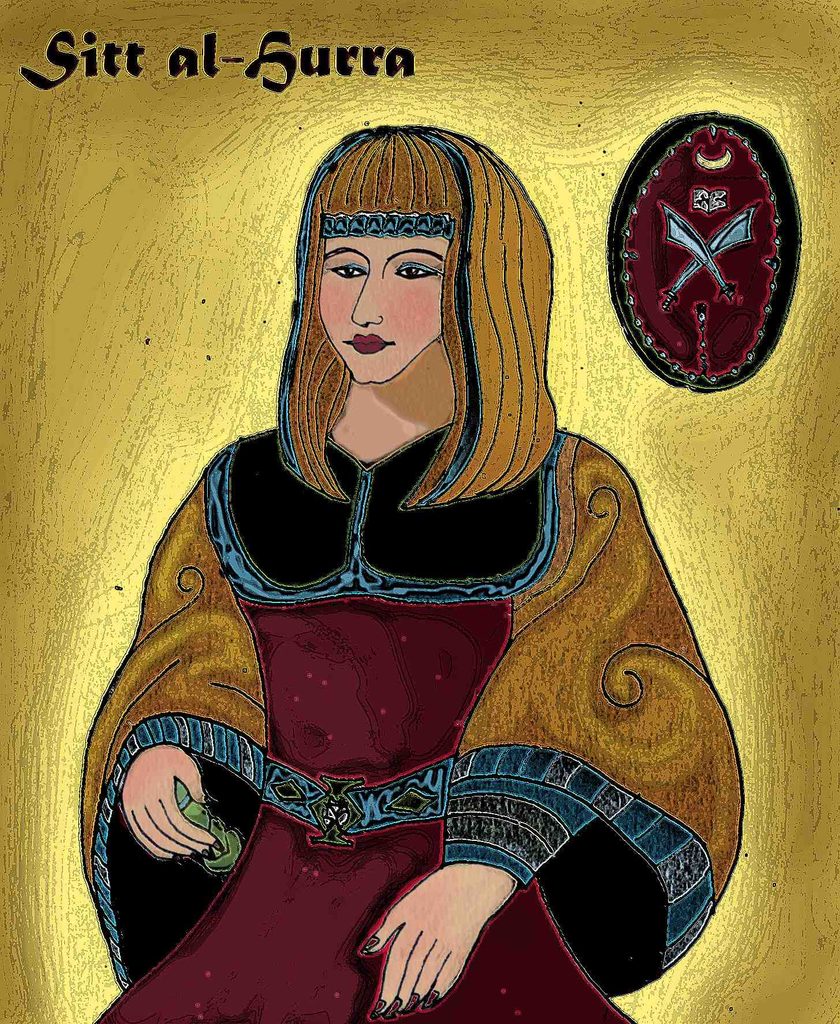
By the 16th century, the theater of power had shifted toward the Mediterranean, where Sayyida al-Hurra emerged as a formidable naval force. Born into a noble Andalusian family in Chefchaouen, she eventually rose to become the governor of Tetouan following the death of her husband, Sidi al-Mandri, in 1515.
Sayyida al-Hurra’s reign was characterized by a sophisticated mastery of naval warfare and international diplomacy. As a counter-measure to the encroachment of Iberian powers, she established a maritime dominion in the western Mediterranean, often coordinating with Ottoman corsairs like Barbarossa. Her ability to negotiate directly with the Spanish and Portuguese crowns regarding the ransom of captives and the protection of her coastal borders solidified her status as a sovereign power. Her legacy is not merely one of conflict, but of urban administration; the ransoms and wealth generated from her naval operations were reinvested into the reconstruction and fortification of Tetouan, which now stands as a UNESCO World Heritage site.
The Intellectual Bedrock: Fatima al-Fihri
While political and military power defined many, the intellectual legacy of Morocco is anchored by Fatima al-Fihri. In 859 CE, Fatima utilized an inheritance from her father to found the University of al-Qarawiyyin in Fez. Recognized by UNESCO and the Guinness World Records as the oldest continuously operating educational institution in the world, the university served as a crucible for global intellectual advancement.
The institution’s impact transcends centuries, having educated luminaries such as the historian Ibn Khaldun and the traveler Leo Africanus. The university’s library, which houses 9th-century manuscripts and rare foundational Islamic texts, remains a testament to Fatima’s commitment to scholarship. Her dedication was such that local tradition notes she fasted throughout the duration of the construction, cementing her reputation as "Umm al-Banayn," or the "Mother of the Children" of Fez.

Modern Advocacy and Academic Rigor: Fatima Mernissi
Transitioning into the 20th century, the role of women shifted toward the deconstruction of social and religious barriers. Fatima Mernissi (1940–2015) stands as perhaps the most significant intellectual figure in this transition. A sociologist and author, Mernissi challenged the patriarchal interpretations of Islamic texts that historically marginalized women.
Her seminal works, Beyond The Veil (1975) and The Veil and the Male Elite (1987), provided a rigorous, evidence-based critique of gender dynamics in Muslim societies. Mernissi’s methodology—which involved interviewing diverse populations across Morocco and conducting deep, historical exegesis—created a roadmap for contemporary feminist discourse in the Arab world. Despite facing bans in several conservative nations, her work fundamentally changed the academic landscape, proving that intellectual resistance could be as transformative as military or political action.

Social Reform and Public Health: Aïcha Chenna
The evolution of Moroccan society in the late 20th century saw the emergence of grassroots social reform, spearheaded by Aïcha Chenna (1941–2022). A trained nurse, Chenna identified critical gaps in the public health system, particularly concerning marginalized single mothers and victims of domestic abuse.
In 1985, she founded the Female Solidarity Association (Association Solidarité Féminine) in Casablanca. This organization was revolutionary for its time, as it offered vocational training and legal support to single mothers, effectively tackling the systemic poverty and social stigma associated with out-of-wedlock childbearing. Chenna’s work gained international acclaim, including the Opus Prize, and she successfully forced a national dialogue on the rights of women and children, proving that civic action could influence legislative change.

Breaking Barriers in Sports and Global Discourse
The late 20th and early 21st centuries saw Moroccan women gaining visibility in international arenas previously restricted to men. Nawal El Moutawakel made history in 1984 by becoming the first Moroccan and the first woman from an Arab or African nation to win an Olympic gold medal in the 400-meter hurdles. Her athletic prowess was not an isolated incident; it sparked a national movement for female participation in sports. Her founding of the Casablanca 5k "Fun Run," which now attracts over 30,000 participants annually, remains the largest women-only race in the Muslim world, demonstrating the power of sports as a tool for social empowerment.
Simultaneously, writers like Leila Slimani have redefined the Moroccan narrative on the global literary stage. Winner of the Prix Goncourt in 2016 for The Perfect Nanny, Slimani has used her platform to engage in critical discourse regarding the complexities of modern Moroccan identity, gender roles, and the intersection of traditional values with contemporary globalism.

A New Political Chapter: Fatima Ezzahra El Mansouri
The trajectory of female leadership in Morocco reached a historic zenith with the rise of Fatima Ezzahra El Mansouri. Born in 1976 and educated in law, El Mansouri’s career began in municipal governance when she was elected the first female mayor of Marrakesh in 2009. Her tenure was marked by a modernization agenda that prioritized urban development and transparency.
In September 2026, the political landscape underwent a transformative shift when King Mohammed VI appointed El Mansouri as the Head of Government. This appointment represents a milestone in the Arab world, positioning Morocco as a leader in regional political representation. Her cabinet, which includes seven women in key ministerial roles, signals a deliberate move toward a more inclusive government structure.
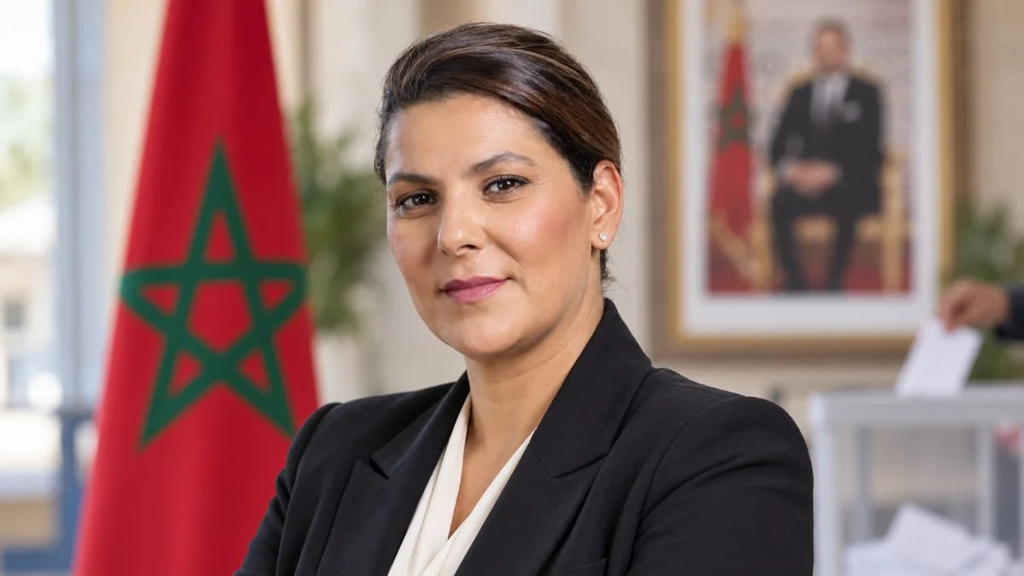
The implications of El Mansouri’s leadership are significant. By ascending to the highest executive office, she has dismantled the final "glass ceiling" in Moroccan politics. Her administration is now tasked with navigating a complex economic climate, with an emphasis on sustainable development and the consolidation of democratic processes. Political analysts note that her appointment is not merely symbolic; it is a pragmatic recognition of the necessity of female participation in the higher echelons of national strategy.
Conclusion: A Continuum of Leadership
The history of Morocco is not a monolith of masculine achievement, but a tapestry woven with the contributions of women who dared to lead in spheres of religion, war, science, and governance. From Zaynab an-Nafzawiyya’s strategic foresight to the modern administrative command of Fatima Ezzahra El Mansouri, these women have provided the continuity required for the nation to evolve. As Mernissi once eloquently stated, "Dignity is to have a dream, a strong one, which gives you a vision, a world where you have a place." These women did not just seek a place; they created the world in which the modern Moroccan state now stands. Their collective legacy continues to inform the aspirations of new generations, ensuring that the next chapter of Morocco’s story will be written with even greater gender parity and intellectual depth.