Sydney, the provincial capital of New South Wales and Australia’s most populous urban center, has solidified its status as a premier global tourism destination. For travelers planning a comprehensive visit, a five-day itinerary provides an optimal balance between iconic sightseeing and the exploration of local cultural hubs. Recent travel data indicates that international visitor numbers to Sydney have returned to pre-pandemic levels, with tourists increasingly favoring a mix of historical site visitation and coastal recreational activities.
The Geography and Infrastructure of Sydney
Sydney is defined by its sprawling geography, centered around the world’s largest natural harbor. Unlike many other major metropolitan areas where private vehicle ownership is necessary for transit, Sydney offers a highly integrated public transportation network. This system—comprising heavy rail, light rail, extensive bus routes, and the historic Sydney Ferries network—allows visitors to traverse the city with significant efficiency. The Transport for NSW network, which utilizes an “Opal” contactless payment system, provides seamless access across these varied modes of transport, effectively reducing the carbon footprint of tourism in the region.
Chronology of a Five-Day Metropolitan Itinerary
A structured approach to a five-day visit maximizes geographical efficiency. The following breakdown reflects a logical progression through the city’s districts.
Day 1: The Harbor Precinct and Heritage Sites
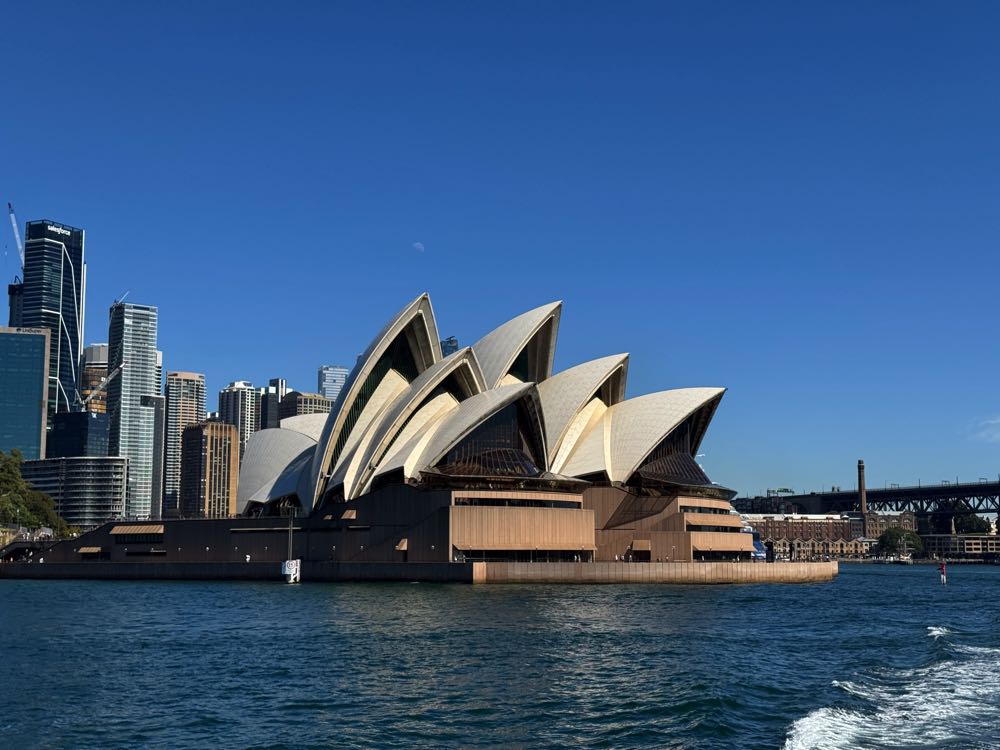
The initial phase of any Sydney visit typically focuses on Circular Quay, the logistical and historical gateway to the city. This area hosts the Sydney Opera House, a UNESCO World Heritage site designed by Danish architect Jørn Utzon and opened in 1973. Adjacent to the Opera House is the Sydney Harbour Bridge, completed in 1932. Visitors often congregate in The Rocks, the site of the original 1788 European settlement. Historical data shows that The Rocks remains the primary zone for colonial-era architecture, offering insight into the city’s transition from a penal colony to a contemporary metropolis.
Day 2: Coastal Geography and Surf Culture
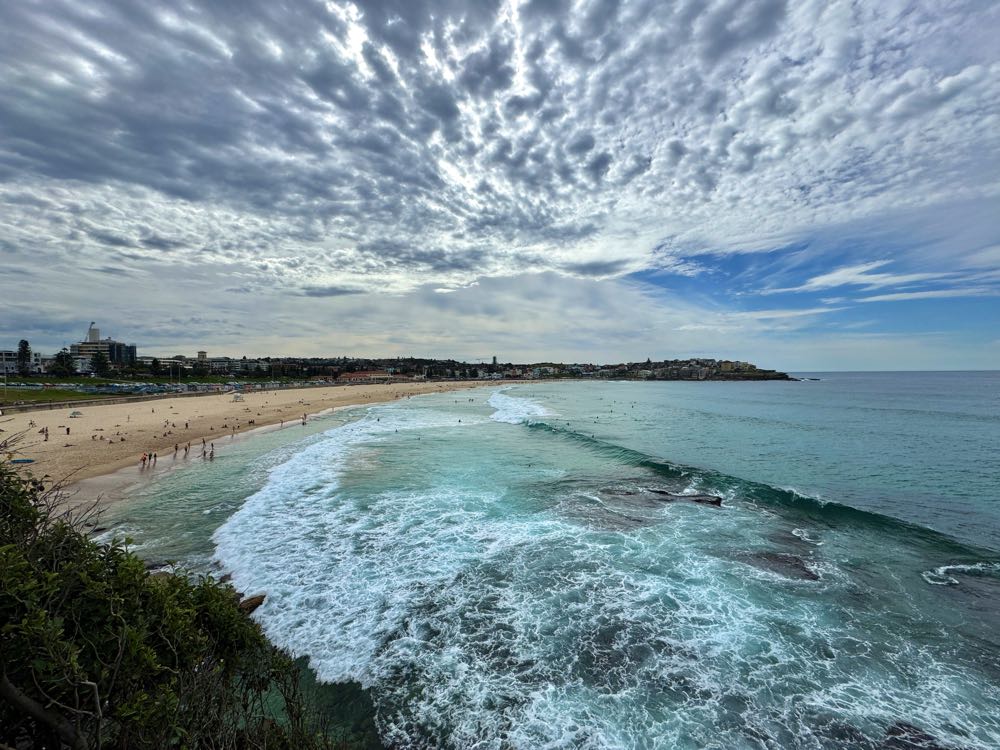
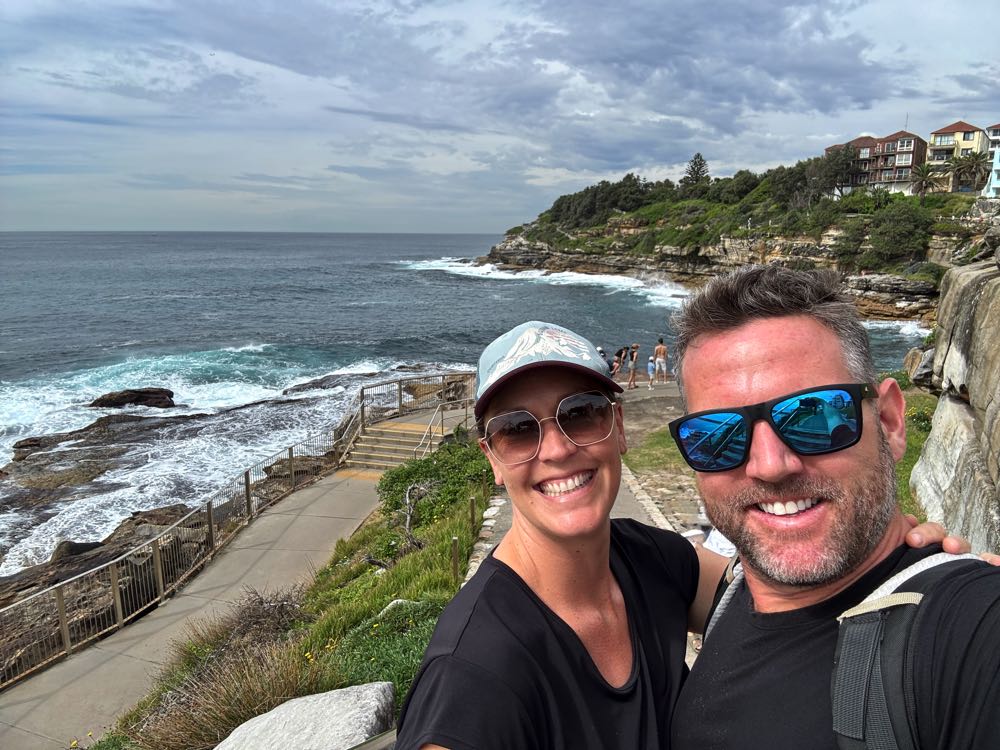
The second day shifts focus to the Eastern Suburbs, specifically the coastline between Bondi and Coogee. The Bondi to Coogee coastal walk, a 6-kilometer path, serves as a vital recreational artery. This route showcases the unique geological formations of the Sydney basin, including sandstone cliffs and hidden rock pools. Statistics from local councils suggest that thousands of residents and tourists utilize this walkway daily, emphasizing the region’s commitment to public coastal access.

Day 3: Urban Centers and Botanical Preservation
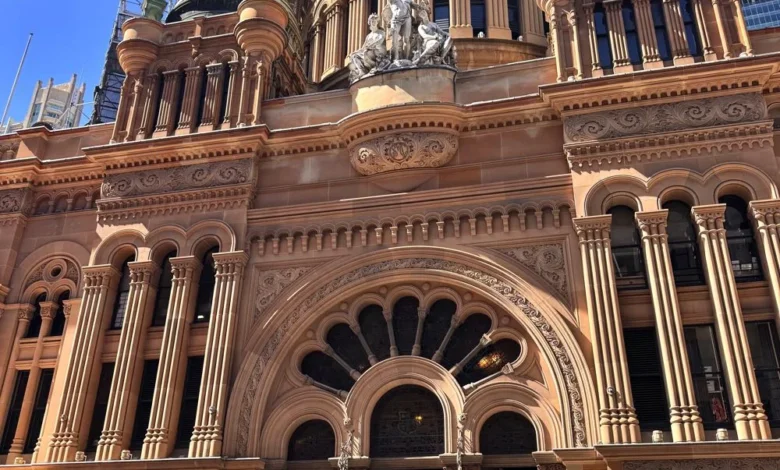
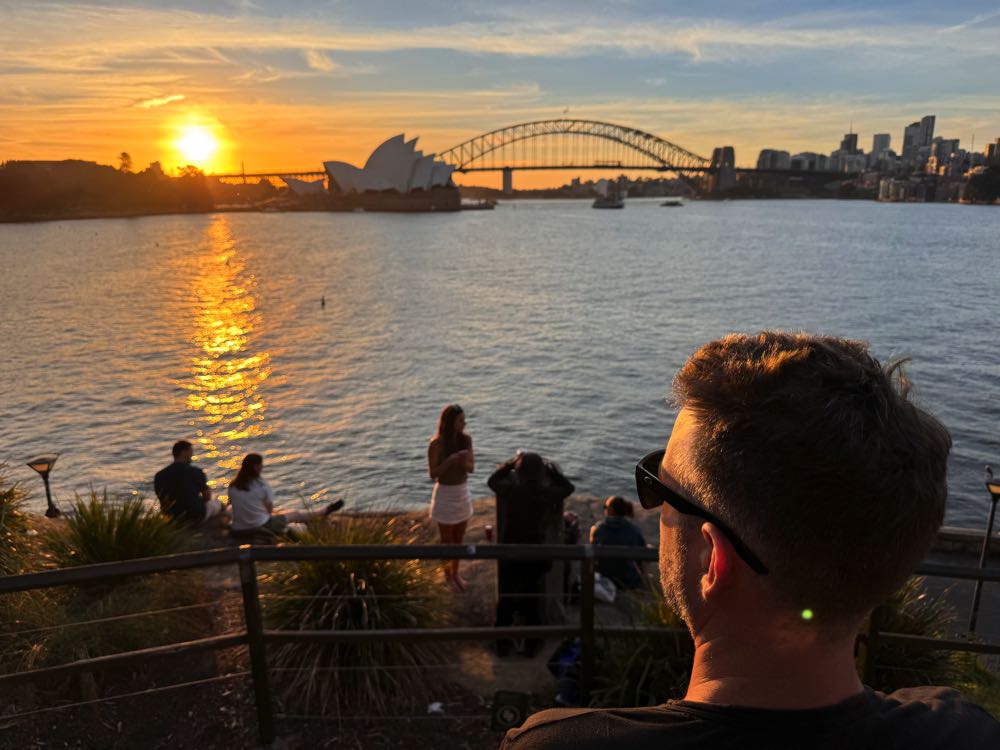
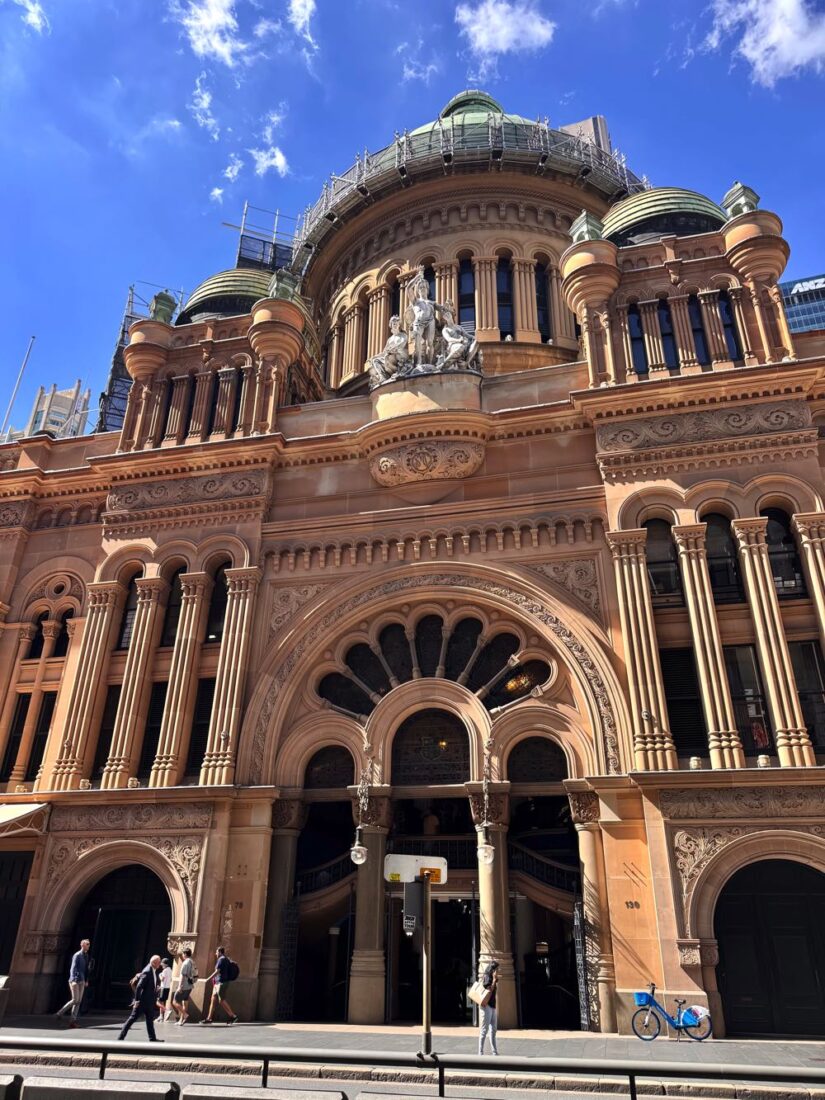
The central business district (CBD) houses the Queen Victoria Building (QVB), a Romanesque Revival structure completed in 1898. Originally designed as a marketplace, the building serves as a testament to Sydney’s Victorian-era commercial prosperity. This day is traditionally dedicated to the Royal Botanic Garden, established in 1816, which acts as a scientific research center and a significant carbon sink for the city center. Afternoon hours at Mrs. Macquarie’s Point offer a strategic vantage point for observing the interplay between the city’s skyline and the harbor’s natural topography.
Day 4: Maritime Transit and Northern Harbor Communities
Manly, located on the Northern Beaches, is accessible via a 30-minute ferry ride from Circular Quay. The ferry route is not merely a transit method but a vital component of the Sydney experience, offering views of the harbor’s residential and commercial development. Manly provides a contrast to the high-density CBD, functioning as a semi-autonomous beach town with a focus on marine conservation and local commerce.
Day 5: Synthesis and Elevated Perspectives
The final day is generally reserved for deeper historical immersion through guided walking tours, which provide context on the rapid urban development of the 20th century. The Sydney Tower Eye, standing at 309 meters, provides a panoramic view of the metropolitan area, illustrating the scale of the urban sprawl that stretches from the coastline to the Blue Mountains in the west.
Economic and Cultural Impact of Tourism
Tourism serves as a pillar of the Sydney economy, contributing billions to the Gross State Product (GSP) of New South Wales annually. Local authorities, including Destination NSW, have emphasized the importance of "dispersed tourism," encouraging visitors to move beyond the immediate harbor precincts to support businesses in regional suburbs.
The culinary landscape of Sydney has evolved significantly, reflecting the city’s multicultural demographic shifts over the past four decades. Increased investment in the Asian food sector, particularly in the Haymarket and CBD areas, highlights the city’s role as a bridge between Australian culture and the broader Asia-Pacific region. Businesses such as those specializing in regional ramen or authentic Thai cuisine have become integral to the visitor experience, often reporting high demand from both domestic and international demographics.
Strategic Implications for Future Visitors
For those planning a stay in Sydney, professional guidance emphasizes the necessity of central accommodation. Choosing hotels or rentals within the CBD, The Rocks, or Darling Harbour minimizes travel time and maximizes exposure to the city’s primary transit nodes. Furthermore, the reliance on digital mapping and real-time public transport apps has replaced the need for traditional printed guides, allowing for a more fluid and responsive travel experience.
Data suggests that while five days is sufficient to cover the primary landmarks, the city’s size allows for significantly longer stays without repetitive experiences. Visitors are advised to consider seasonal factors; April, for instance, provides temperate weather conditions ideal for both walking tours and beach-based activities, avoiding the extreme heat often seen during the Australian summer months of December and January.
Conclusion and Future Outlook
Sydney continues to serve as a bellwether for Australian urban development, balancing the conservation of its colonial and indigenous history with the demands of a modern, international city. By utilizing a structured itinerary that leverages the city’s robust public transport infrastructure, visitors can gain a comprehensive understanding of the environmental and social factors that define Sydney today. As the city continues to invest in transit-oriented development and public space, it remains a critical case study in effective metropolitan management for the global tourism sector.