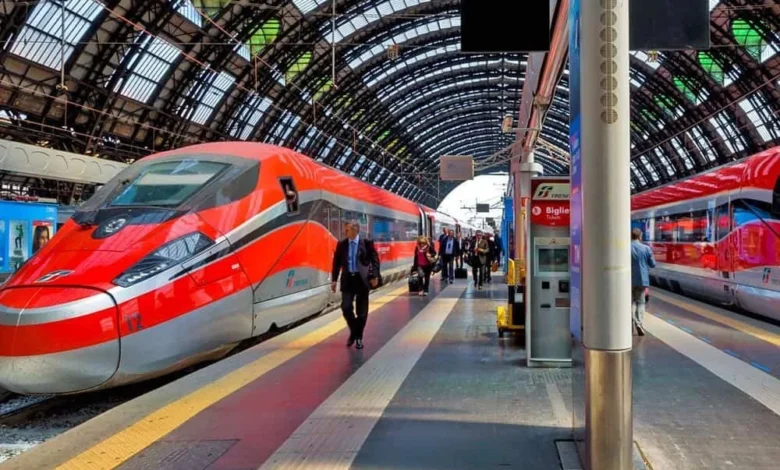
European train travel stands as a quintessential mode of exploration, offering a blend of romance, efficiency, and comfort that has captivated travelers for generations. It is a system revered for its ability to connect diverse cultures and landscapes, presenting an alternative to air travel that is both inspiring and environmentally conscious. For many outside the continent, the intricate network of European railways can appear somewhat enigmatic, prompting the need for a comprehensive guide to demystify its operations. This article aims to provide an exhaustive overview of navigating Europe by rail, encompassing critical aspects from ticket procurement and understanding rail passes to station navigation and onboard etiquette, thereby equipping prospective travelers with expert knowledge for a seamless journey.
The Enduring Allure and Modern Imperative of European Rail
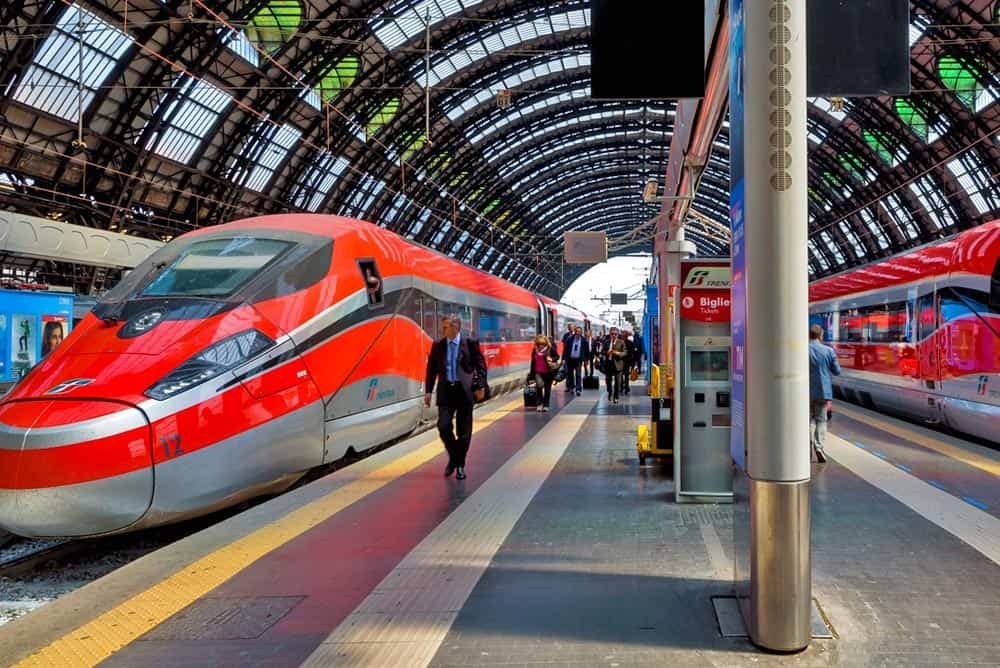
Train travel across Europe is more than just transportation; it’s an immersive experience. The journey itself becomes part of the adventure, offering panoramic views of rolling hills, ancient cities, and dramatic coastlines that are often missed from higher altitudes. This romantic appeal is underpinned by a highly sophisticated and interconnected rail network, a testament to decades of infrastructure development and cross-border cooperation. The European Union has increasingly championed rail as a cornerstone of its sustainable transport agenda, particularly through initiatives like the European Green Deal, which seeks to shift a significant portion of passenger and freight traffic from roads and air to rail. This strategic pivot highlights rail’s critical role not only in tourism but also in achieving broader environmental objectives, such as reducing carbon emissions.
Key Advantages and Emerging Challenges of Europe Train Travel
The popularity of European train travel stems from a multitude of benefits. Foremost among these is efficiency and convenience. Trains often depart and arrive directly in city centers, eliminating the time-consuming transfers to and from airports located on urban peripheries. The check-in process is typically minimal, allowing passengers to board closer to departure times. Comfort is another significant advantage; trains generally offer more spacious seating, opportunities to move around, and often feature dining cars or bistros. The environmental benefit is increasingly a driving factor for conscious travelers, with rail travel producing significantly fewer carbon emissions per passenger kilometer compared to air travel. Furthermore, the ability to observe the scenic landscapes unfold outside the window offers an unparalleled travel experience, turning transit time into sightseeing.
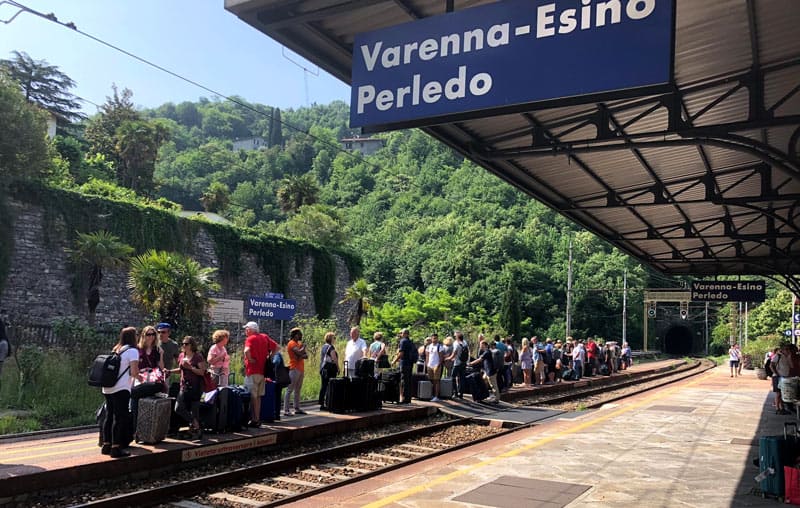
However, the European rail system is not without its complexities. One primary challenge is cost, particularly for high-speed routes or last-minute bookings, where prices can rival or even exceed budget airline fares. The complexity of booking can also be daunting, given the existence of numerous national operators and varying fare structures. Mandatory seat reservations, especially on popular high-speed or international routes, can add to the cost and reduce spontaneity, even for rail pass holders. Potential for delays and strikes, while not constant, can disrupt travel plans, necessitating flexibility. Lastly, managing luggage can be cumbersome, as travelers are generally responsible for loading and unloading their own bags, and space can be limited on crowded services.
Strategic Planning for Seamless Journeys
Effective pre-trip planning is crucial for optimizing the European train travel experience. Modern digital tools have revolutionized this process, making it more accessible than ever before.
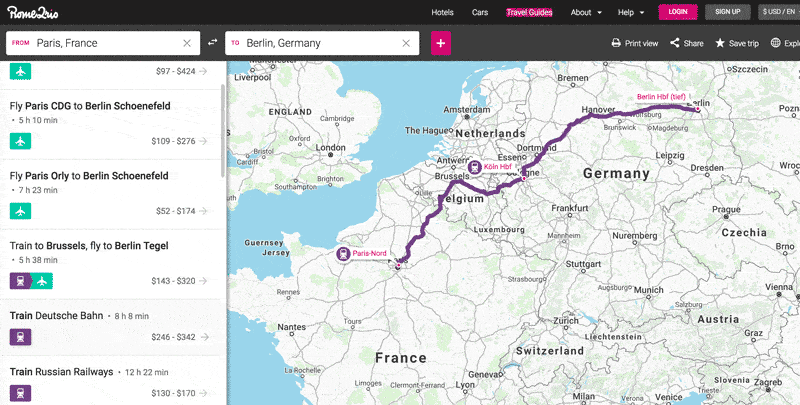
Digital Tools and Resources: Websites like Rome2Rio serve as invaluable meta-search engines, comparing various modes of transport—train, plane, bus, and car—to offer a holistic view of travel options, estimated costs, and durations. While excellent for initial comparisons, specialized platforms such as Omio and Trainline often provide more comprehensive train listings and competitive ticket prices. These platforms aggregate information from multiple national rail operators, simplifying the booking process, especially for cross-border journeys. For detailed schedule planning and understanding route intricacies, the German Railways Website (Bahn.de) remains a gold standard, offering an exhaustive timetable for virtually every train across Europe. Although it primarily facilitates bookings for German routes, its scheduling information is indispensable for planning complex itineraries and identifying routes requiring reservations.
Understanding Ticket Dynamics: European train tickets are broadly categorized into two pricing models: variable-price and fixed-price. Variable-price fares, predominantly found on high-speed and international services, fluctuate based on demand, booking lead time, time of day, and seasonality. Similar to airline pricing, booking these tickets several weeks or months in advance typically yields the lowest fares. Conversely, fixed-price fares are characteristic of regional and slower trains, where the price is determined solely by the distance traveled and remains constant regardless of when the ticket is purchased. This distinction is vital for budget-conscious travelers, encouraging early booking for long-distance journeys while allowing for spontaneous purchases for local trips.
Procurement Channels: Tickets can be purchased directly from national rail service websites or through third-party booking sites like Omio and Trainline. Third-party platforms often offer a more user-friendly interface, consolidate multiple operators, and facilitate cross-border bookings in a single transaction, often with English language support and various payment options. However, national operators occasionally offer exclusive promotional deals not available elsewhere, making it worthwhile to compare prices. For certain Eastern European countries, online booking infrastructure may be less developed, requiring travelers to purchase tickets directly at the station or through local travel agents.
The Role of Rail Passes: Flexibility vs. Cost-Effectiveness
For travelers embarking on extensive European tours, rail passes, particularly the Eurail Pass (for non-European residents) and Interrail Pass (for European residents), present a compelling option. These passes offer a single ticket that grants access to a vast network of trains across multiple countries for a set period.
Types of Rail Passes: Passes come in various forms, including Global Passes for multi-country travel, One Country Passes for in-depth exploration of a single nation, and flexible options allowing a certain number of travel days within a longer period. This flexibility is a significant draw, enabling spontaneous changes to itineraries without the need for individual ticket purchases.
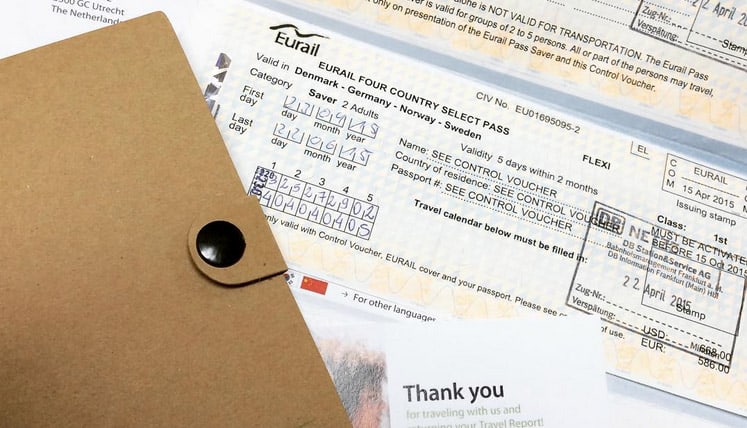
Advantages of Rail Passes: The primary advantage is unparalleled flexibility, allowing travelers to adjust plans on the fly. They can also offer cost savings for those planning extensive travel over a short period, especially if individual high-speed tickets would otherwise be expensive. The simplicity of having a single pass for multiple journeys reduces administrative hassle.
Disadvantages of Rail Passes: Despite the benefits, rail passes are not a universal solution. Many high-speed and overnight trains require mandatory seat reservations, which incur additional fees and must be booked in advance, sometimes limiting the spontaneity the pass is meant to provide. For shorter, less frequent journeys, individual tickets, especially if booked early, can often be cheaper than a pass. The initial upfront cost of a pass can also be substantial, requiring careful budgeting.
Mastering the European Train Station Experience
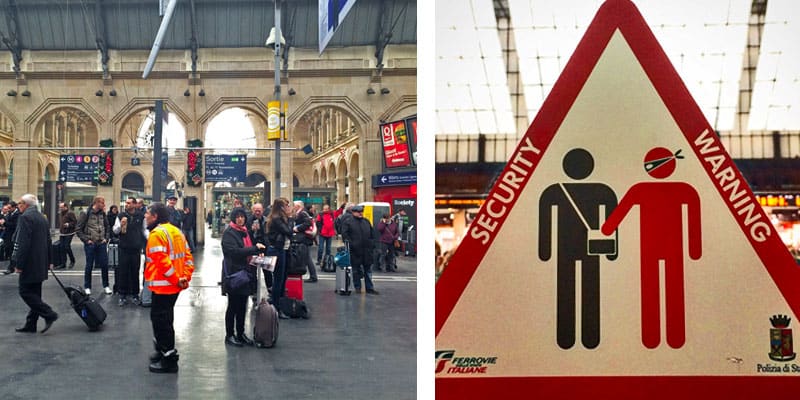
European train stations are bustling hubs, often serving as gateways to cities and cultural landmarks. Navigating them efficiently is key to a stress-free journey.
Arrival and Orientation: Many major European cities boast multiple train stations (e.g., Paris with six main stations, Brussels with Nord, Centrale, and Midi). It is imperative to confirm the correct departure or arrival station. Upon arrival, travelers will find multilingual signage, typically including English, guiding them to various facilities. Stations vary greatly in size, from grand historic termini to smaller regional stops, and may involve considerable walking, stairs, and escalators. Most larger stations offer a range of amenities, including food outlets, cafes, shops, lounges, and often pay-to-use restrooms, as well as luggage lockers for temporary storage.
Security and Awareness: Due to the high volume of tourists, train stations are unfortunately common targets for pickpockets and scammers. Travelers are advised to remain vigilant, secure their belongings, and be wary of unsolicited "help" from strangers, particularly around ticket machines.
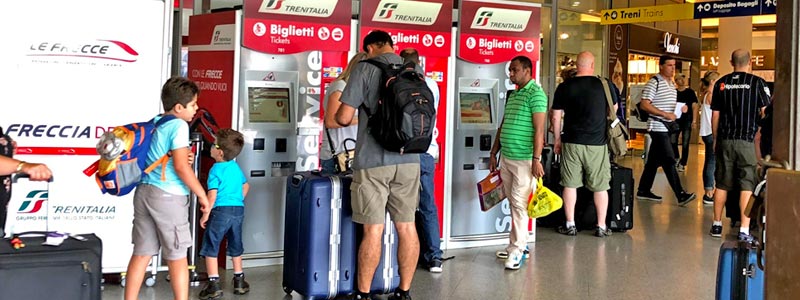
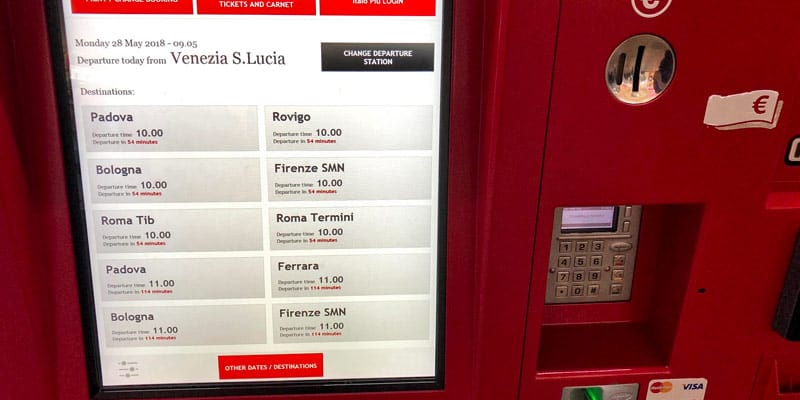
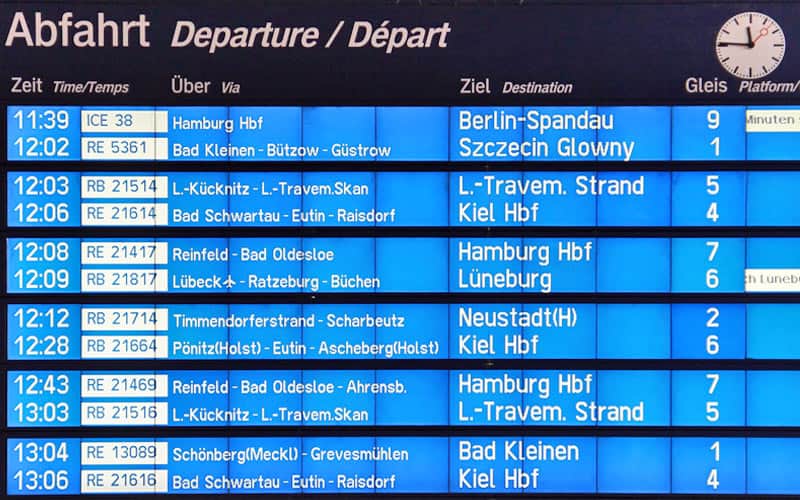
Ticket Machines and Information Boards: Automated ticket machines are prevalent and user-friendly, offering English language options for purchasing new tickets or printing pre-booked ones. These are generally more efficient than queuing at often understaffed ticket windows. The departure board is the central information point, displaying train numbers, departure times, destinations, and crucial platform assignments. It is important to note that platform information is often displayed only 10-15 minutes before departure, requiring travelers to monitor the board closely.
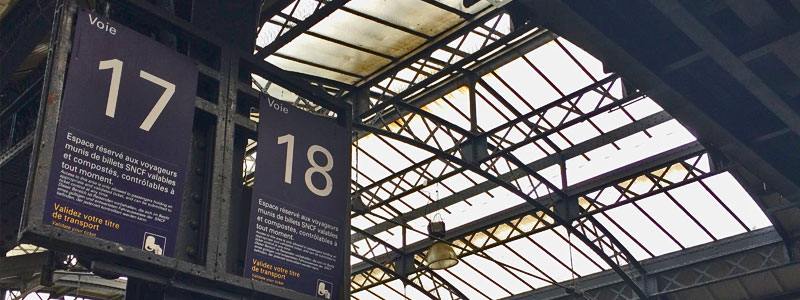
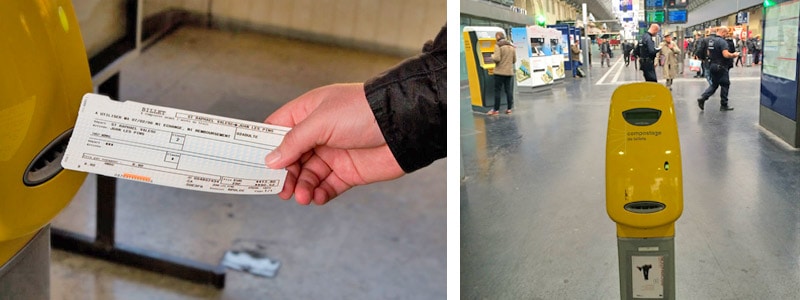
Platform Navigation and Ticket Validation: Once the platform is announced, travelers must locate it. Some large stations can have upwards of 30 platforms, requiring careful attention to signage. Ticket validation is a critical step for many physical paper tickets. Small validation machines, typically found near platform entrances, stamp tickets with the date and time. Failure to validate can result in significant fines. Electronic tickets, being time-specific, generally do not require separate validation.
Finding Your Train Car: For trains with assigned seating, such as high-speed services, the car number is indicated on the ticket and displayed on the side of each train car. Boarding the correct car initially simplifies the process of finding one’s seat. Regional and slower trains often operate with open seating, allowing passengers to board any car. Prompt boarding is advisable, as trains typically spend only a few minutes at the station.
Onboard the Train: Comfort, Connectivity, and Customs
Once aboard, the journey truly begins. Passengers should locate their assigned seat or choose an available one, with seat numbers usually displayed above. Luggage can be stowed on overhead racks for smaller items or in designated larger compartments at the ends of cars.
The Journey Experience: Conductors typically check tickets shortly after departure. On international routes, border patrol agents may board to check passports, particularly in areas not fully integrated into the Schengen Area, though this is less common in Western Europe. The onboard experience is designed for comfort, allowing passengers to relax, enjoy the scenery, visit the bar or dining car, or even sleep. While some trains advertise free Wi-Fi, its reliability can vary.
Disembarkation: A common point of confusion for travelers is knowing precisely when to disembark, especially in cities with multiple stations. Announcements are usually made, but it’s advisable to track the journey via a mobile map application or pay close attention to station names displayed. For instance, trains entering Brussels often stop at Brussels Nord before reaching the central Brussels Centrale station.
The Broader Impact and Future of European Rail
European train travel is not merely a logistical exercise; it represents a significant component of the continent’s infrastructure and cultural identity. The sustainability imperative is increasingly shaping its future, with the EU actively promoting rail as a greener alternative to short-haul flights. Initiatives focusing on improving cross-border connections, simplifying ticketing, and investing in high-speed networks are underway to make rail an even more attractive option.
Economically, rail travel contributes significantly to tourism, fostering regional development by connecting smaller towns to major hubs. It supports a vast ecosystem of businesses, from hospitality to local services. Technologically, the sector is moving towards greater digitalization, with efforts to integrate ticketing systems across national borders and enhance real-time information for passengers.
Challenges persist, including achieving full interoperability between different national rail systems, securing adequate funding for continuous infrastructure upgrades, and navigating competition from low-cost airlines. However, the long-term vision for European rail is one of continued growth, innovation, and an increasingly central role in a sustainable, interconnected continent. As travelers increasingly prioritize convenience, comfort, and environmental responsibility, the timeless appeal of exploring Europe by train is set to endure and evolve.