San Francisco Bay Area Artists and Activists Launch Burma Spring Benefit Film Festival to Support Myanmar Democracy Movement

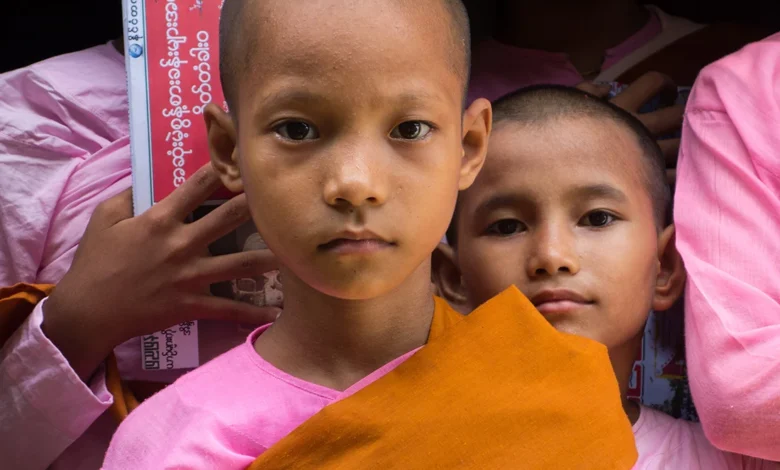
The San Francisco Bay Area has long served as a vibrant hub for international solidarity movements, and in response to the severe humanitarian and civil rights crises unfolding in Myanmar following the military coup, local activists, filmmakers, and cultural leaders have mobilized. The Burma Spring Benefit Film Festival emerges as a digital platform designed to shine a global spotlight on the plight of the Southeast Asian nation while channeling direct financial support to grassroots humanitarian organizations. Running online from June 3 through June 20, the festival features a meticulously curated lineup of over thirty films alongside daily panel discussions and live talks with prominent activists, scholars, and international observers.
Organizers emphasize that the festival is structured to salute the resilience of ordinary citizens engaged in nonviolent resistance. The programming encompasses a diverse array of documentaries, short films, and dramatic narratives addressing complex social issues, including human rights abuses, environmental degradation, the struggles of ethnic minorities, Buddhist traditions, LGBTQ rights, and women’s empowerment. While attendance and streaming are free, donations are strongly encouraged, with all net proceeds designated for frontline humanitarian networks operating within Myanmar to sustain the pro-democracy movement.
The Genesis and Leadership of the Festival
The initiative is steered by a dedicated collective of Bay Area volunteers deeply connected to Burmese culture and international human rights advocacy. The organizing committee includes Kenneth Wong, a Burmese-American author, translator, and language instructor at the University of California, Berkeley; Gaetano Kazuo Maida, executive director of the Buddhist Film Foundation; award-winning documentary filmmaker Ellen Bruno; Jeanne Marie Hallacy, a filmmaker and director specializing in digital storytelling projects for refugees and migrant youth; Hozan Alan Senauke, abbot of the Berkeley Zen Center; and Gregg Butensky, operations director of Kirana Productions, co-founder of Ethical Traveler, and principal at Code Refactory.
Reflecting on his entry into Burmese advocacy, Gaetano Kazuo Maida noted that his initial fascination stemmed from the nation’s rich historical traditions of Buddhism and the magnificent temple architecture of the Bagan valley. However, Maida explained that the escalating resistance against military governance over recent years revealed a much broader tapestry. He pointed to Myanmar’s profound ethnic, religious, and linguistic diversity, asserting that the Burma Spring Benefit Film Festival embraces this multifaceted cultural identity to bolster international awareness and solidarity.
A Cinematic Window into Resistance and Resilience
The festival’s film selection bridges historical memory with contemporary frontline documentation, offering viewers a comprehensive visual chronicle of resistance. Among the highlighted works is the short collaborative film Burma Spring 21, which chronicles the initial phases of the coup and the subsequent Civil Disobedience Movement. Kenneth Wong suggested that viewing this contemporary project alongside veteran filmmaker Rithy Panh or classic archival works like Burma VJ—which documented the Saffron Revolution of monks and citizens before the proliferation of modern digital networks—allows audiences to trace the tactical evolution of grassroots resistance across decades.
Other pivotal screenings include I Am Rohingya: A Genocide in Four Acts, a poignant feature wherein fourteen young refugees dramatically reenact the harrowing experiences of their families during systematic campaigns against Burmese Muslims. The Black Zone provides an intimate look at the grueling journeys of covert medical teams attempting to deliver vital aid amidst violent conflicts in the country’s remote jungles. Meanwhile, A Peaceful Land examines agrarian pushback against oppressive state-mandated agricultural initiatives that historically led to widespread land confiscations and forced labor.
Chronology of the Crisis: The February 1 Coup and Its Aftermath
To fully grasp the urgency motivating the film festival, analysts trace the roots of the current crisis to the early morning hours of February 1, 2021. On that day, Myanmar’s military, known as the Tatmadaw, abruptly seized state power, detaining civilian leaders including State Counsellor Aung San Suu Kyi and President Win Myint. The military junta justified the takeover by alleging widespread fraud in the November 2020 general elections—an electoral cycle in which Suu Kyi’s party, the National League for Democracy, secured a decisive landslide victory.
Independent international election monitors, however, found no credible evidence to support the military’s claims of systemic fraud. Lee Morgenbesser, an expert on authoritarian politics in Southeast Asia at Griffith University’s School of Government and International Relations in Australia, noted that the coup abruptly terminated Myanmar’s fragile and imperfect decade-long transition toward civilian-led democratic governance.
The military takeover triggered an immediate wave of nationwide protests characterized by remarkable organizational sophistication and cross-demographic unity. Physicians, civil servants, students, and industrial laborers walked off their jobs in a sweeping Civil Disobedience Movement. In response, the security forces escalated their tactics, deploying lethal force against unarmed demonstrators.
Prominent cultural figures were targeted swiftly by the junta. Kenneth Wong pointed out that the sweeping arrests included Min Htin Ko Gyi, founder of the Human Rights Human Dignity Film Festival, alongside celebrated comedians, actors such as Min Lu—reportedly held in the notorious Insein Prison—and high-profile male model Paing Takhon. Furthermore, the junta’s crackdown extended to the literary and cinematic communities, resulting in the imprisonment of dozens of poets and over one hundred film professionals, driving countless others into hiding.
According to data compiled by the Assistance Association for Political Prisoners, a human rights organization monitoring detentions and casualties, the death toll among anti-coup protesters surpassed 800 within the first few months of military rule, with nearly 12,000 individuals arrested, charged, or sentenced under draconian penal codes.
Evolution of the Movement and the National Unity Government
By May 2021, the disparate strands of dissent had coalesced into a unified call for a global Spring Revolution. Organizers and resistance leaders issued rallying cries urging the international community to amplify the voices of the Myanmar population. Artists, actors, and filmmakers stepped to the forefront of the political upheaval, accepting severe personal risks to sustain the movement.
This political transformation also fostered unprecedented bridges between the urban Burman majority and marginalized ethnic minority groups. Panel discussions featured in the festival’s speaker forums directly address these evolving alliances. Sessions such as Myanmar Diaspora and the Milk Tea Alliance, Refugees and the Humanitarian Crisis, and Ethnic Nationalities and the Rohingya: A Search for Justice and Peace explore the historical grievances that previously divided the country’s demographics.
Kenneth Wong highlighted the profound significance of these discussions, observing that ordinary citizens, having directly witnessed the brutality of the Tatmadaw, have developed deep solidarity with ethnic minorities who endured similar systemic abuses in border territories for decades away from international observation. A centerpiece of these political forums includes addresses by representatives of the National Unity Government, a shadow administration formed by ousted lawmakers and ethnic leaders to challenge the legitimacy of the military junta.
Broader Socioeconomic and Cultural Implications
While the immediate catalyst for the festival is the post-coup humanitarian crisis, organizers stress that the structural conditions enabling the military’s resurgence run deep. Decades of unaddressed sociopolitical grievances, institutional impunity, and economic stagnation rendered the nation vulnerable to authoritarian regression.
Despite the prevailing narrative of violence and instability, festival organizers remain committed to highlighting the rich cultural heritage of Myanmar. Kenneth Wong reflected on the country’s enduring identity beyond contemporary news cycles, recalling its legacy as the setting that inspired George Orwell’s anticolonial novel Burmese Days, as well as its vibrant intellectual teashop culture and dynamic artistic expressions.
Ultimately, the Burma Spring Benefit Film Festival functions both as an urgent call to action and as a celebration of endurance. Organizers hope that international audiences engaging with the festival will not only provide critical financial support for humanitarian relief but will also catch a glimpse of an open, diverse, and enchanting Myanmar that exists beyond the headlines—waiting for the day when the conflict ceases and democratic governance is restored.
Related posts: