The Ultimate Guide to Berlin Christmas Markets: A Seasonal Cultural Overview

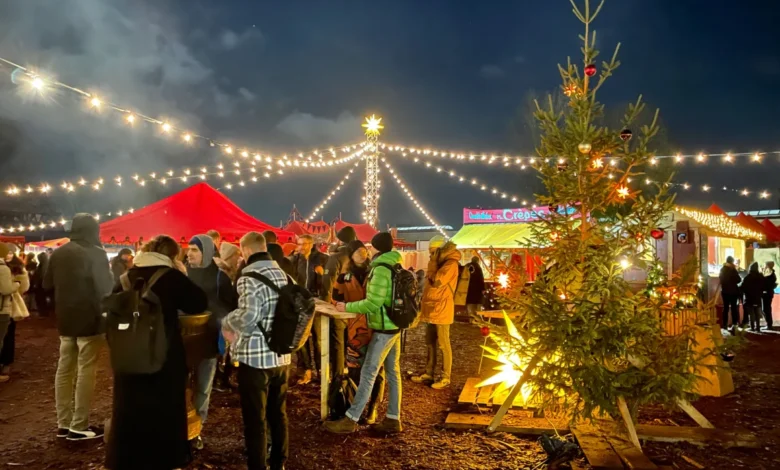
Berlin has emerged as a premier destination for European winter tourism, transforming its sprawling, multi-centric urban landscape into a festive tapestry of over 70 distinct Christmas markets during the Advent season. Unlike cities such as Nuremberg or Dresden, which historically center their celebrations around a single, centuries-old market, Berlin’s approach reflects its modern identity: decentralized, diverse, and uniquely integrated into the city’s various historic and contemporary neighborhoods. This shift has turned the German capital into a significant economic and cultural hub for holiday commerce, drawing millions of visitors annually.

The history of the Christmas market—or Weihnachtsmarkt—in German-speaking regions dates back to the late Middle Ages, with the earliest iterations serving as practical opportunities for citizens to stock up on winter supplies. In Berlin, the tradition has evolved from these functional roots into a sophisticated blend of community social hubs and large-scale public events. By the 21st century, the city successfully diversified its offerings, ranging from the opulent, historic displays at the Gendarmenmarkt to the alternative, industrial-chic aesthetics found in districts like Friedrichshain.

Economic and Logistical Landscape
The proliferation of Christmas markets in Berlin—reaching a record of approximately 70 venues in recent years—represents a significant economic engine for the city. These markets contribute to the seasonal hospitality surge, impacting hotel occupancy rates, local transit usage, and small-business revenue. Data from Berlin’s tourism boards consistently indicate that the holiday period is one of the most lucrative times for local retailers and artisans, who rely on the foot traffic generated by the festive atmosphere.

Logistically, the markets operate on a timeline that generally aligns with the four weeks of Advent. In 2024, the season saw widespread openings begin on November 25, with many major sites continuing operations until the end of December or early January. This extended schedule is a strategic response to the city’s geographic spread; because Berlin lacks a single historic core, the dispersal of these markets ensures that local neighborhoods maintain an active community presence throughout the darker, colder months.

Notable Market Profiles
Berlin’s market landscape is defined by its variety. Each venue is curated to offer a specific experience, ranging from traditional religious and cultural displays to modern, secular celebrations.
- WeihnachtsZauber at Gendarmenmarkt: Often cited as the city’s most visually striking location, this market is situated between the Deutscher Dom and the French Cathedral. It emphasizes high-end handicrafts and gourmet food. Its controlled environment, which often requires a nominal entry fee, allows for a more curated selection of vendors and performers, focusing on traditional German craftsmanship.
- Schloss Charlottenburg: This location offers a historic backdrop, utilizing the grounds of the 18th-century Baroque palace. The market is noted for its focus on tradition, featuring grand Christmas pyramids and light displays that emphasize the architectural heritage of the site. It attracts a demographic looking for a quintessential "fairytale" aesthetic.
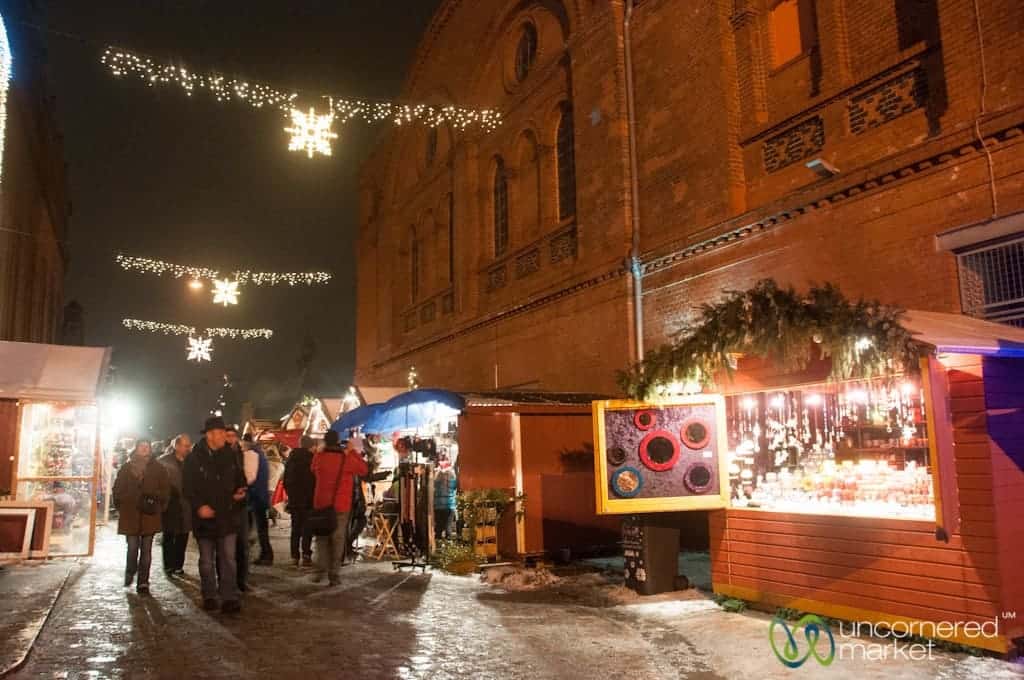
- Lucia Christmas Market at Kulturbrauerei: Located in a former 19th-century brewery, this market provides a distinct contrast by focusing on Nordic and Scandinavian traditions. It offers products such as glögg and reindeer specialties, reflecting the city’s international character and its role as a cross-cultural hub.
- Historical Christmas Market at RAW: Situated in the heart of the Friedrichshain district, this market caters to a desire for historical reenactment. It features medieval-themed vendors, axe-throwing, and traditional fire pits, eschewing modern lighting in favor of torches and candles to replicate the ambiance of a pre-industrial village.
- Spandau Old Town and Citadel: For those seeking a more traditional, small-town atmosphere, the Spandau market is essential. It is one of the oldest and largest in the region, utilizing both the historical city streets and the Renaissance fortress of the Citadel. It serves as a vital anchor for the western periphery of the city.
The Evolution of Market Culture
The modern Berlin Christmas market is characterized by a high degree of specialization. A brief analysis of current trends reveals a move away from generic, mass-produced merchandise toward locally sourced, organic, or handcrafted goods. This shift is in response to consumer demand for authenticity and sustainability. Many neighborhood-led markets, such as the Alt-Rixdorfer market in Neukölln, prioritize community fundraising. These events function as collaborative projects between local schools, charities, and fire departments, reinforcing the social fabric of the district rather than prioritizing purely commercial outcomes.

The environmental and social implications of these markets are also under review by city officials. Sustainability initiatives, such as the transition to reusable mugs (Pfandsystem) for mulled wine (Glühwein) and the increasing presence of regional, organic food vendors, have become standard practice. This move reduces waste and encourages a more localized, circular economy within the city limits.

Regional Connectivity and Tourism
The impact of these markets extends beyond the city center to neighboring Brandenburg, most notably in Potsdam. The proximity of the Potsdam Christmas market to UNESCO World Heritage sites, such as Sanssouci Palace, allows for a dual-purpose tourism experience. Visitors often spend daylight hours touring historic landmarks before transitioning to the festive environment of the markets in the evening. This synergy between cultural heritage and seasonal celebration is a cornerstone of the regional tourism strategy.

Strategic Planning for Visitors
For those planning a visit, understanding the logistical nuances is crucial. Because the sun sets in Berlin before 4:00 PM throughout December, the markets reach their peak atmosphere in the late afternoon and early evening. This early darkness is a defining feature of the Berlin experience, as the illumination of historic buildings and market stalls creates a stark, inviting contrast to the winter chill.

Travelers are advised to monitor the official Berlin tourism portals for the most current information regarding dates, as smaller, neighborhood-specific markets are often subject to limited operating hours or sporadic scheduling. Furthermore, the use of public transportation—the U-Bahn and S-Bahn systems—remains the most efficient way to navigate between the city’s various market clusters, as many are situated within walking distance of major transit hubs.

Broader Implications and Future Outlook
As Berlin continues to grow as a global city, its Christmas market culture serves as an essential mechanism for maintaining neighborhood identity. The markets are no longer just tourist attractions; they are vital social spaces where residents gather after work to consume traditional seasonal food, such as bratwurst, feuerzangenbowle, and roasted almonds.

The successful integration of these diverse markets into the urban landscape suggests a sustainable model for future seasonal planning. By fostering a mix of large, city-wide events and intimate, local gatherings, Berlin has created a robust framework that satisfies both the international visitor and the local resident. As the city approaches future holiday seasons, the continued emphasis on cultural preservation, local craftsmanship, and community-centric events will likely ensure that Berlin remains a leading figure in the European holiday landscape, balancing its reputation as a forward-thinking metropolis with its deep-rooted, traditional winter customs. The evolution of these markets from mere commerce centers to cultural institutions marks a significant development in the city’s ongoing narrative, highlighting its unique ability to adapt tradition to the demands of a modern, cosmopolitan society.