As the autumn season descends upon the United States, bringing with it shorter days and a distinct shift in culinary preferences, the hospitality industry has pivoted to capitalize on the growing consumer interest in thematic, seasonal mixology. From coast to coast, professional bartenders and craft beverage directors are curating specialized cocktail menus that draw inspiration from regional folklore, local agricultural harvests, and iconic pop-culture references. This year, the trend is moving beyond basic pumpkin spice, focusing instead on complex flavor profiles, theatrical presentation, and the intersection of travel and tradition.
The evolution of the seasonal cocktail market reflects a broader shift in consumer behavior. According to data from the Distilled Spirits Council of the United States (DISCUS), the craft cocktail sector has seen consistent growth, with an increasing emphasis on "experience-based" drinking. Consumers are no longer seeking only a drink; they are seeking a narrative. Hotels and restaurants have responded by integrating storytelling into their beverage programs, transforming the bar experience into a destination event.
Thematic Mixology: Blending Folklore and Regional Identity
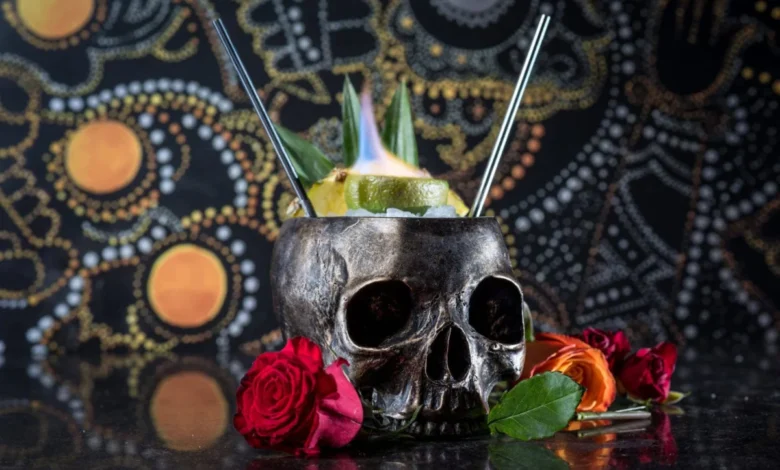
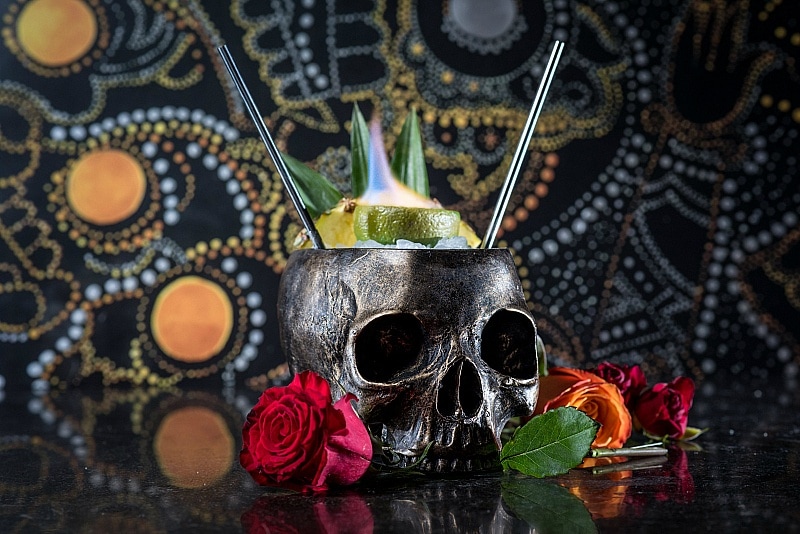
The most successful seasonal menus often leverage local history or cultural landmarks to create a sense of place. This approach is exemplified by institutions like Borracha Mexican Cantina in Henderson, Nevada. Located within the Green Valley Ranch Resort & Spa, the bar’s commitment to a "Day of the Dead" theme provides an ideal backdrop for creative, high-impact libations. Their "One-Eyed Willy" cocktail, inspired by the cult classic film The Goonies, serves as a prime example of narrative-driven mixology. By incorporating a hollowed-out lime filled with 151-proof rum and igniting it, the bar creates a visual spectacle that resonates with guests seeking a performative element to their Halloween festivities.

In Santa Fe, New Mexico, the narrative is rooted in history rather than cinema. The Coyote Cafe’s "Spiked Tootsie" pays homage to the city’s role as a historic terminus for the El Camino Real, the trade route that first brought tequila to the American Southwest. By balancing coffee liqueur with bright, acidic orange juice, the drink mimics the flavor profile of a classic candy while anchoring the experience in the region’s deep-seated ties to the tequila industry. This dual approach—appealing to both the palate and the intellect—is a hallmark of modern, high-end hospitality.
Chronology of Autumnal Trends in Mixology
The shift toward specialized fall cocktails gained significant momentum in the early 2010s, as the "farm-to-table" movement began to influence bar programs. Bartenders began treating fresh, seasonal produce—such as apples, pears, and pumpkins—with the same reverence as chefs.

- 2012–2015: The rise of the "bitters and botanical" movement saw bartenders experimenting with house-made syrups and infusions.
- 2016–2019: Focus shifted to aesthetic presentation. The introduction of smoke, dry ice, and specialized glassware became standard for high-end seasonal menus.
- 2020–2023: A pivot toward "at-home" hospitality occurred, as the pandemic necessitated a focus on accessible, replicable recipes that maintained a professional standard.
- 2024–Present: The current trend is defined by a fusion of historical appreciation and technical innovation, such as the use of cocktail atomizers and stencils to create intricate, seasonal imagery on the surface of drinks.
The Technical Art of the Seasonal Cocktail
Beyond the theme, the technical execution of these drinks requires a sophisticated understanding of chemistry and balance. The "Sleepy Hollow" cocktail, developed by Marti Cassinerio at the Local Chop and Grill House in Harrisonburg, Virginia, demonstrates the use of high-tech tools to elevate a simple serve. By utilizing a cocktail atomizer to spray bitters through a leaf-shaped stencil, the bartender transforms the drink’s foam layer into a canvas. This technique, while visually striking, also serves to distribute the aromatic compounds of the bitters evenly across the palate, proving that aesthetic choices can indeed enhance the sensory experience.
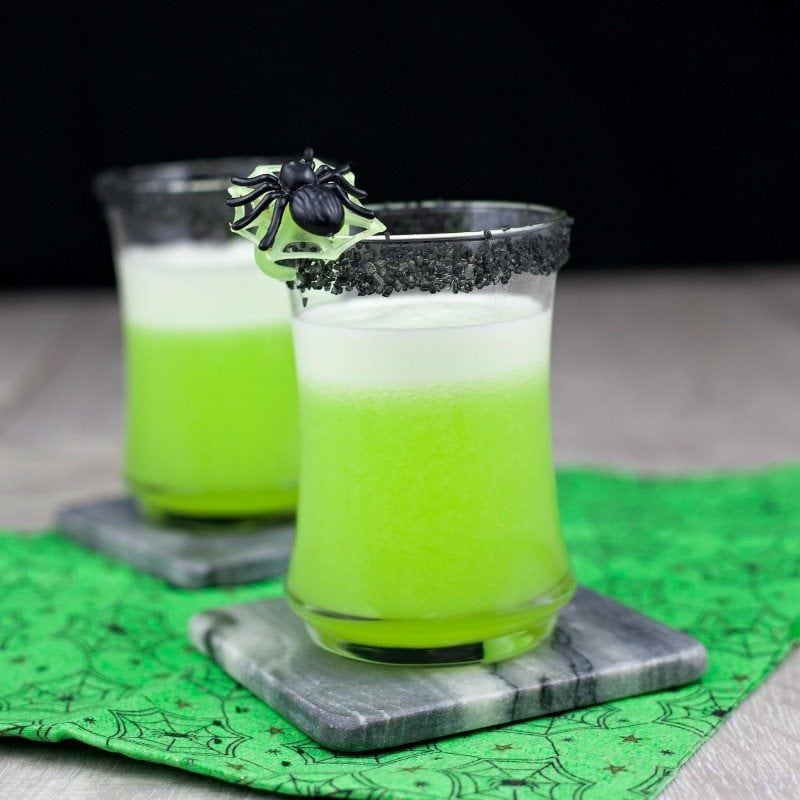
Similarly, the "Midori Lemon Gin Fizz" from Dell Cove Spice Co. in Chicago utilizes a black salted rim—a clever nod to the "alien" green color of the melon liqueur—to provide a savory contrast to the sweetness of the drink. Such attention to the "rim" as a functional component of the cocktail’s structure is becoming increasingly common in professional beverage programs, as it allows for a more dynamic tasting experience.

Regional Ingredients and Agricultural Roots
The use of local ingredients remains a cornerstone of the modern cocktail movement. Pennsylvania’s Adams County, recognized as one of the most prolific apple-growing regions in the United States, provides the inspiration for the "Cider Sangria" served at One Lincoln in the Gettysburg Hotel. By utilizing local hard apple cider, the establishment reduces its carbon footprint while supporting local agricultural producers. This practice resonates with a growing demographic of eco-conscious consumers who prioritize sustainability in their dining and drinking choices.
In Ann Arbor, Michigan, the "Maple Trea" cocktail at Zingerman’s Roadhouse illustrates the importance of sourcing. By utilizing maple syrup from Snow’s Sugarbush, the bar highlights the regional specialty of Michigan maple production. The addition of Scotch whisky serves to mimic the smoky, autumnal scent of burning leaves, effectively bridging the gap between a beverage and an atmosphere.

Economic and Cultural Implications
The prevalence of these travel-inspired cocktails is not merely a seasonal whim; it represents a significant economic driver for the hospitality industry. Seasonal menus provide a "limited-time offer" (LTO) framework that encourages repeat visitation. From an operational standpoint, LTOs are highly effective at driving traffic during the transition between the peak summer season and the winter holidays.
Furthermore, the integration of social media into the cocktail experience cannot be overlooked. Each of the cocktails described—from the flaming "One-Eyed Willy" to the stenciled "Sleepy Hollow"—is designed with "shareability" in mind. The visual nature of these drinks serves as free organic marketing for the establishments, as patrons share images of their experiences across digital platforms. This phenomenon has turned bartenders into content creators, and cocktail menus into visual portfolios.
Professional Perspectives and Best Practices
For those looking to replicate these experiences at home, the focus should remain on high-quality ingredients and precise technique. Professional bartenders consistently emphasize the importance of dilution, temperature control, and proper glassware. Whether one is preparing a "Fall in the 305"—which seeks to bring the spices and aromas of a northern autumn to the climate of South Florida—or a "Pumpkin Spice Latte" cocktail designed to mimic a coffeehouse favorite, the fundamental rules of mixology apply:
- Balance: The interplay between sweet, sour, bitter, and spirit-forward components is paramount.
- Temperature: Shaking and stirring are not merely for show; they are essential for achieving the correct texture and dilution.
- Presentation: While flavor is primary, the sensory experience begins with the visual. A well-garnished glass sets the expectation for the quality of the drink.
Summary of Seasonal Beverage Trends
The movement toward travel-inspired Halloween cocktails is reflective of a larger trend in American culture: the desire for connection, narrative, and authenticity. As we look toward the future of the industry, it is likely that we will see even greater integration of hyper-local ingredients and technology. The rise of non-alcoholic "mocktails" is also expected to influence the Halloween season, with mixologists applying the same level of care and narrative depth to zero-proof offerings.

As establishments across the country continue to refine their autumn menus, the bar remains a space where history, geography, and chemistry meet. Whether one is sitting in a leather chair overlooking the C&O Canal in Washington, D.C., or enjoying a festive beverage in a local neighborhood bar, these cocktails serve as a reminder that the spirit of the season is not just in the air, but in the glass. By embracing the creativity of these professional mixologists, consumers can bring a piece of that travel-inspired magic into their own homes, creating memorable experiences that define the autumnal calendar.
For the home bartender, the key takeaway from these industry-leading examples is that the most memorable drinks are those that tell a story. Whether it is through the use of a specific local ingredient, a nod to a piece of folklore, or a simple, elegant garnish, the cocktail becomes a vehicle for celebration. As Halloween approaches, the opportunity to experiment with these flavors and techniques offers a unique way to engage with the season, ensuring that every gathering is marked by both flavor and tradition.