The landscape of modern tourism has undergone a fundamental transformation over the past decade, driven by the convergence of the digital economy, the rise of the sharing model, and a growing consumer demand for authentic, slow-paced cultural immersion. Among the various alternative accommodation and travel methodologies that have emerged, house sitting has transitioned from a niche arrangement utilized primarily by acquaintances into a multi-million-dollar global exchange network.
At its core, house sitting bridges a logistical challenge for homeowners—who require reliable, trustworthy care for their domestic properties, plants, and companion animals while traveling—with the economic ambitions of adventurous travelers seeking to eliminate their largest travel expenditure: lodging. For individuals such as Jody Van Gaal, a recently retired educator and mother of three, this mechanism has served as a gateway to international exploration, redefining the parameters of retirement and long-term global mobility.

The Mechanics of Modern House Sitting
The contemporary house-sitting ecosystem operates largely through specialized, membership-based digital platforms, of which TrustedHousesitters (THS) is one of the most prominent pioneers. Founded to connect verified homeowners with vetted travelers, these platforms function as digital marketplaces. Members typically pay an annual subscription fee to access listings globally. Users can register as homeowners seeking care, sitters offering their services, or both simultaneously.
While early iterations of home-swapping and sitting relied heavily on word-of-mouth, informal community boards, or localized classifieds, contemporary platforms incorporate robust trust and safety architectures. These include verified identification, background checks, secure messaging systems, and a dual-review framework where both parties rate their experiences post-assignment.
Statistically, the demographics of house sitters have evolved rapidly. While students and digital nomads formed the initial vanguard of the movement, demographic shifts in recent years point to a massive influx of retirees and empty nesters. This cohort possesses the schedule flexibility, life experience, and financial stability required to fund their transportation costs while capitalizing on zero-cost accommodations. Industry analyses indicate that lodging typically accounts for 40% to 60% of a traditional traveler’s total budget. By removing this variable, house sitters can extend their trips exponentially, transforming brief vacations into multi-month cultural residencies.
A Chronology of Global Exploration: The Van Gaal Case Study
To understand the practical application of this lifestyle, one can examine the trajectory of Van Gaal’s ongoing journey, which commenced several years ago with a single, tentative booking on Vancouver Island, British Columbia.
- Phase One: Overcoming Hesitation (Vancouver Island, Canada): Van Gaal’s initial foray into the ecosystem began after encountering digital literature regarding alternative travel. Unsure of what to expect, she secured a two-week assignment in a three-bedroom home in Victoria, paired with the responsibility of caring for a resident cat. The success of this assignment dispelled initial anxieties regarding security, comfort, and the reliability of digital platforms.
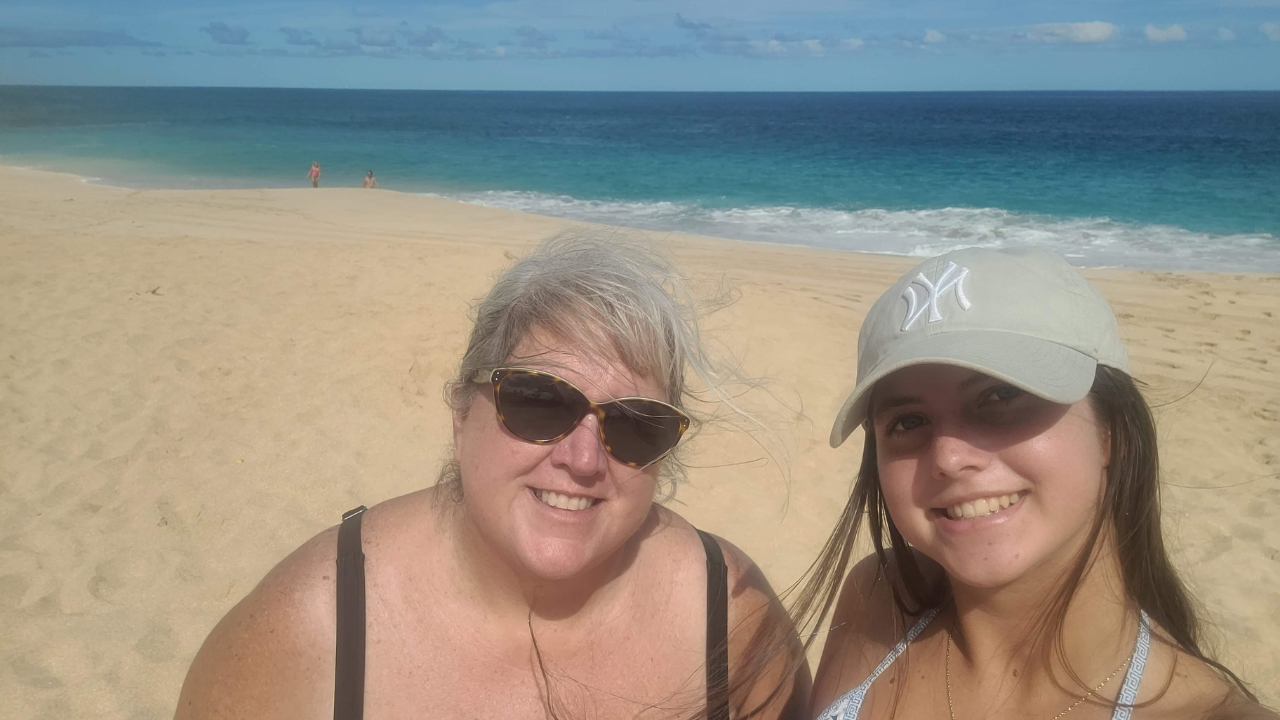
- Phase Two: Family Integration and Urban Exploration (Hawaii and New Jersey): Utilizing the flexibility of the platform, Van Gaal subsequently secured consecutive assignments in Hawaii to coincide with her daughter’s university term. This deployment demonstrated how house sitting could facilitate familial connections without incurring exorbitant hotel fees. Later, an assignment in Jersey City provided unobstructed skyline views of Manhattan, enabling her to experience the peak holiday tourism season in New York City during December without standard urban lodging inflation.
- Phase Three: International Residency (Europe): Over successive winter seasons, the scope expanded to include multi-country, consecutive assignments across Europe. This operational continuity allowed Van Gaal to reside abroad for months at a time, functioning less like a transient tourist and more like a local resident. During a stay in a converted historical mill in Bretagne, France, she utilized the property as a basecamp to conduct regional excursions to architectural landmarks such as Mont Saint-Michel and Saint-Malo.
- Phase Four: Permanent Relocation (Nova Scotia, Canada): The culmination of domestic house-sitting assignments ultimately influenced Van Gaal’s permanent lifestyle decisions. An assignment in Nova Scotia provided an immersive experience of Canada’s Atlantic coast, directly inspiring her permanent relocation to the province, where she now resides on a property featuring ocean views.
Economic and Sociological Implications of the House-Sitting Economy
The proliferation of international house sitting carries significant economic and sociological implications for the broader travel and real estate sectors.
From an economic perspective, platforms like TrustedHousesitters have democratized access to high-value destinations that might otherwise be financially inaccessible for middle-income travelers. In high-cost-of-living metropolitan areas or peak-season resort destinations—such as New York, London, or Sydney—hotel rates can easily exceed several hundred dollars per night. House sitting circumvents these inflationary pressures entirely. In exchange for uncompensated labor centered on pet care, property maintenance, and general security, the traveler receives unencumbered use of private residential infrastructure.

Sociologically, the practice challenges traditional hospitality paradigms. Rather than residing in commercial hotels or tourist-dense urban cores, house sitters frequently live in residential neighborhoods. This integration fosters organic interactions with local communities, grocers, and neighbors, thereby mitigating the cultural friction often associated with mass tourism, such as overtourism and the gentrification of residential housing stocks due to short-term commercial rentals like Airbnb.
Operational Considerations and Risk Mitigation
Despite its rising popularity, industry experts and seasoned participants emphasize that house sitting is not a passive vacation; it carries distinct responsibilities and potential operational risks.
- The Pet Care Mandate: The vast majority of international house-sitting listings are inextricably linked to pet ownership. Sitters must possess genuine compatibility with animals, ranging from domestic cats and dogs to exotic farm animals or specialized medical-needs pets. An inability to manage animal behavioral issues, medication schedules, or veterinary emergencies can result in contract breaches and negative platform reviews.
- Platform Governance and Criticism: As digital housesitting networks have scaled, they have faced increasing scrutiny from both sitters and homeowners regarding fee structures, customer support response times, and the verification depth of profile credentials. Users must navigate platform policy updates, service fee modifications, and the competitive nature of securing desirable listings in high-demand regions.
- Logistical Interdependence: Unlike traditional hotel bookings, which offer standardized cancellation policies and professional hospitality infrastructure, house-sitting arrangements rely on individual human agreements. Last-minute cancellations by homeowners due to family emergencies or altered travel plans can leave a sitter stranded, requiring contingency funds and flexible planning.
- Legal and Immigration Compliance: Depending on the jurisdiction, long-term house sitting across international borders exists in a regulatory gray area regarding tourism visas versus unauthorized employment or residency. While sitters are not monetarily compensated by homeowners—rendering traditional work visas generally inapplicable—border control agencies in certain countries closely scrutinize travelers claiming extended stays without confirmed commercial hotel reservations or return tickets.
Broader Market Outlook
As the global travel market continues to recalibrate in response to economic pressures, inflation, and shifting generational values toward experiential rather than material consumption, alternative lodging networks are projected to expand. Analysts suggest that platforms facilitating trust-based, non-monetary exchanges will capture a larger share of the solo traveler and retiree markets.

For individuals willing to navigate the vetting processes, embrace domestic responsibilities while abroad, and maintain operational flexibility, house sitting has evolved from a counter-cultural travel hack into a viable, sustainable blueprint for global mobility. As demonstrated by seasoned practitioners, the convergence of digital connectivity and domestic trust has permanently altered what it means to see the world on a budget.