July 2026 Monthly Travel Recap: Balancing High-Volume Global Itineraries and Emerging Sustainable Travel Trends

July 2026 proved to be an exceptionally dense period for international travel, characterized by a rapid succession of major cultural and social events across Europe. The month saw a marked increase in demand for multi-country regional tourism, with travelers prioritizing experiences ranging from major wedding celebrations in Provence to high-profile entertainment events in Central Europe. This surge in activity has prompted a broader conversation regarding the sustainability of frequent long-haul travel and the logistical challenges associated with maintaining a packed professional calendar.
A Chronological Overview of July Operations
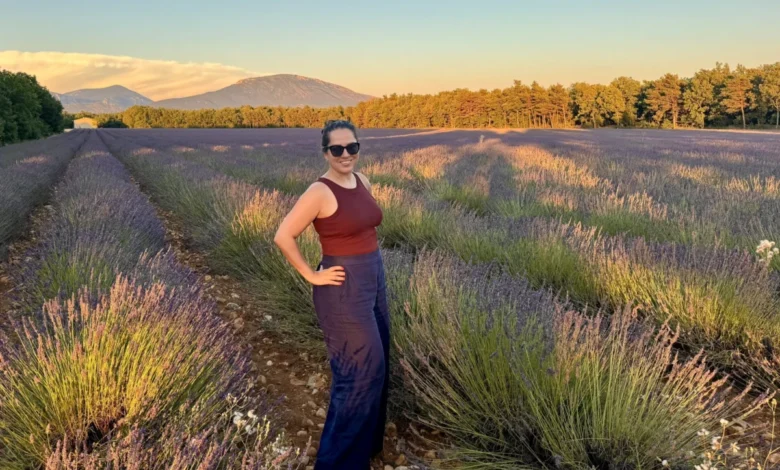
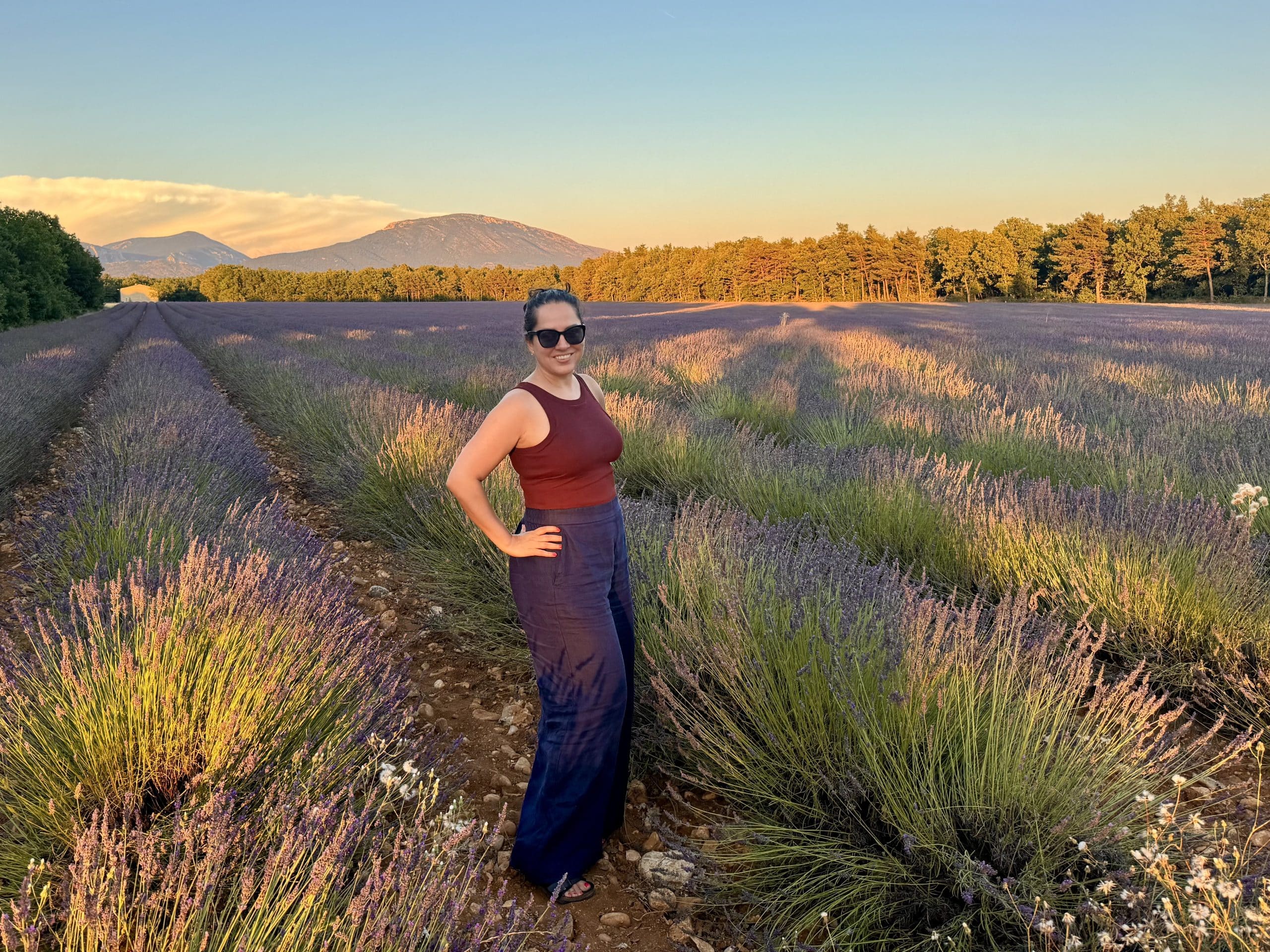
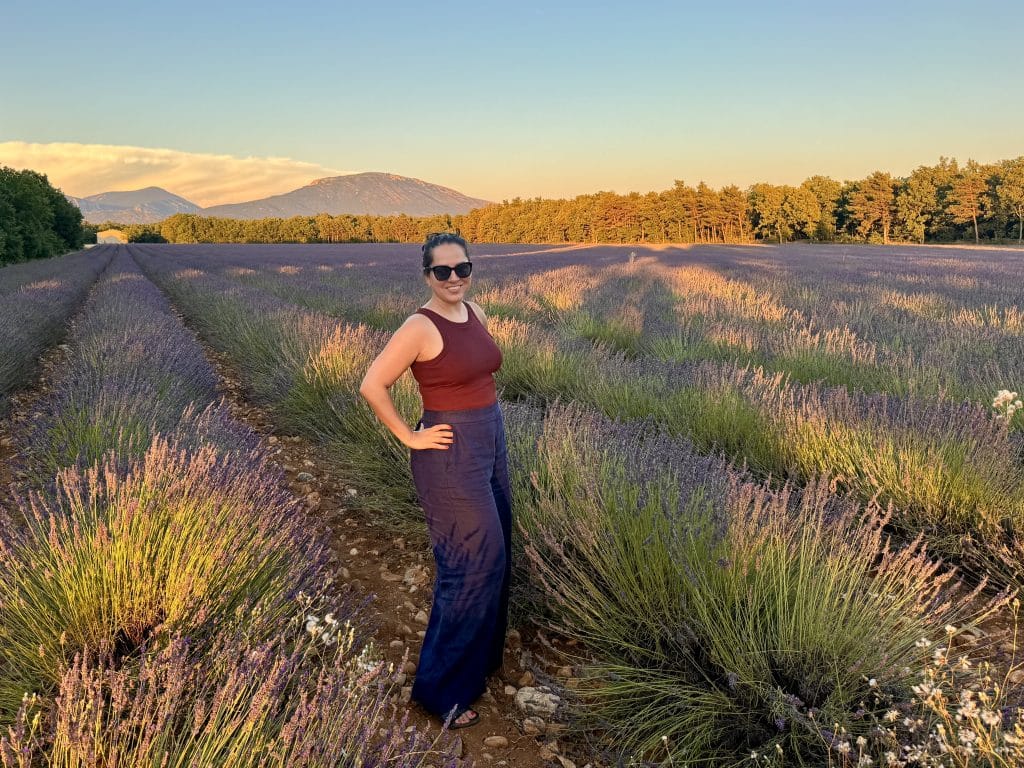
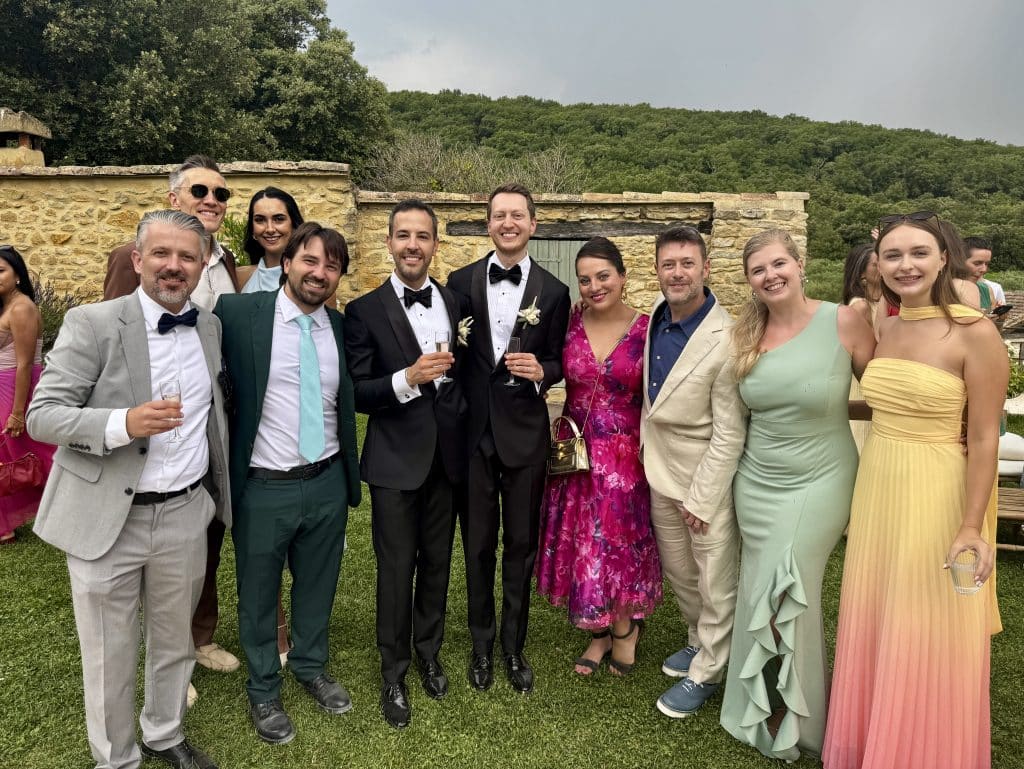
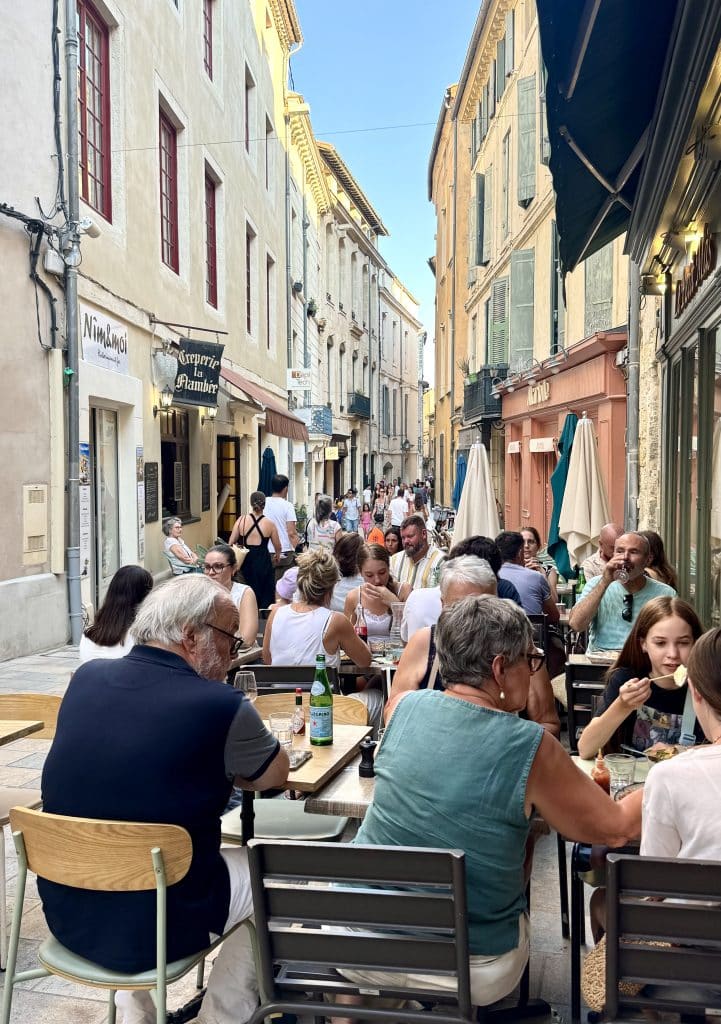
The travel schedule for the month began in Prague, Czech Republic, where the city served as a hub for both cultural engagement and significant entertainment events. Following the stay in Prague, the itinerary shifted to the Provence region of France. This transition highlighted the increasing popularity of "event-based travel," where significant personal milestones—such as weddings—serve as the primary catalyst for extensive regional road trips. The Provence segment included visits to the Gorges du Verdon, known for its deep limestone canyons and turquoise waters, and coastal hubs such as La Ciotat and Saint-Cyr-sur-Mer.
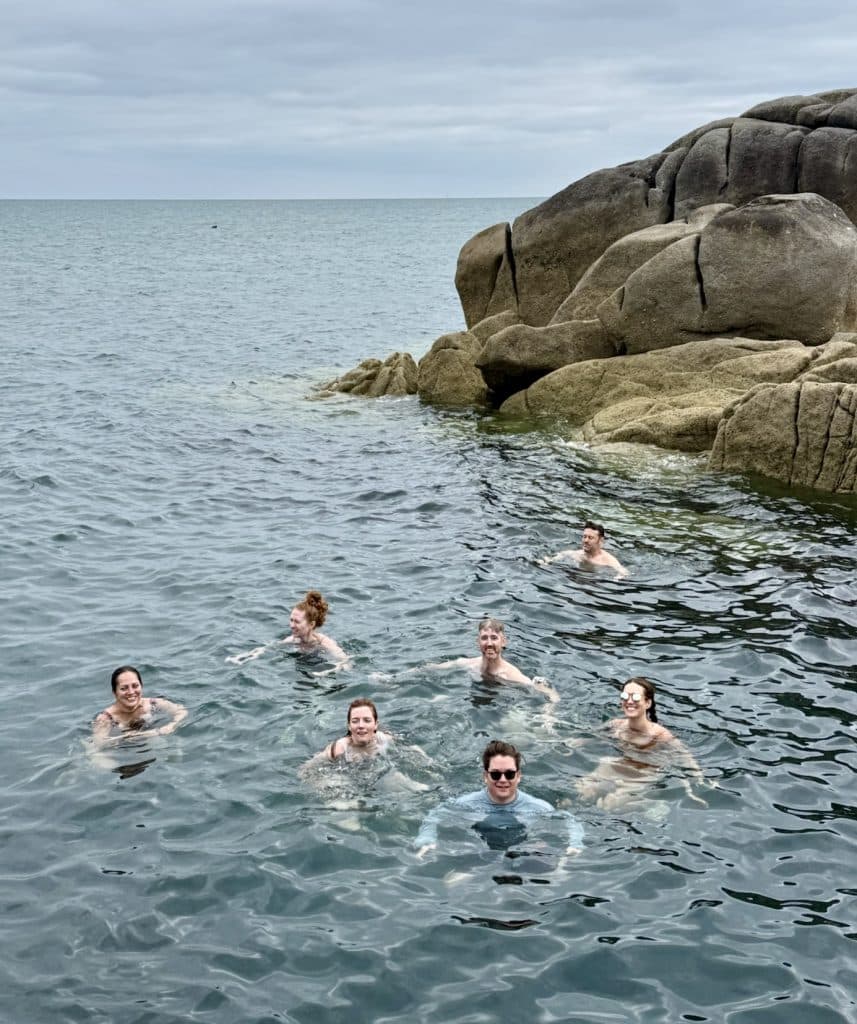
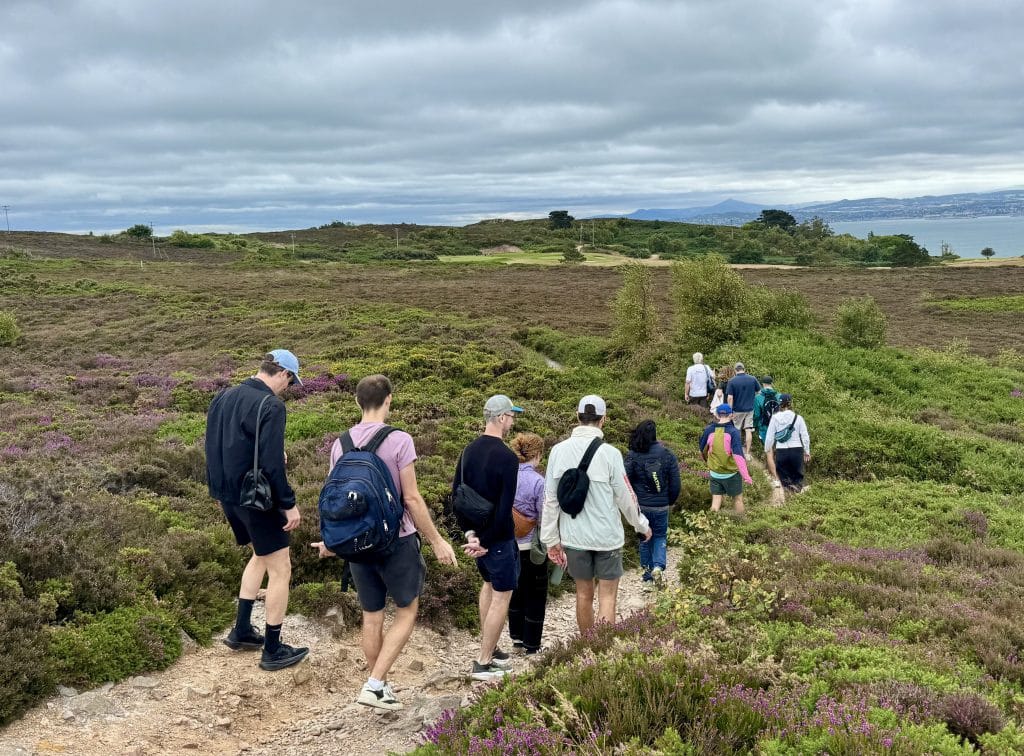
By mid-month, the focus moved to Dublin, Ireland, for a series of family-oriented celebrations. This portion of the month emphasized the integration of local immersion into tourism, with participants engaging in outdoor activities such as sea swimming at the Forty Foot in Sandy Cove and hiking in the coastal town of Howth. These activities underscore a shift in travel trends toward experiential, nature-based tourism, even when visiting urban centers.
The month concluded with a return to Italy, specifically Naples and the island of Ischia. This period served as a transitional phase, blending professional commitments with the commencement of milestone birthday celebrations.
Data-Driven Insights and Regional Trends
The events of July 2026 highlight several emerging patterns in European tourism. For instance, the demand for unique, experiential local activities—such as public tram tours in Prague, which are offered only on specific dates—saw a notable increase. The cost for such private rentals, often cited at approximately 7,700 CZK ($367 USD) for an hour, represents a growing market for specialized group tourism.
Furthermore, the surge in "Pitbull" concert attendance in Prague, where thousands of fans adopted specific dress codes—including the use of cosmetic bald caps—demonstrates the influence of fandom-driven travel. Industry analysts have noted that concerts are increasingly acting as major drivers for international travel, with secondary tourism in host cities benefiting significantly from the influx of event-goers.
Logistical Challenges and Infrastructure Realities
The intensity of the travel schedule during July brought to light recurring challenges within the European transport and hospitality sectors. A notable car incident on a major transit highway served as a reminder of the inherent risks associated with high-frequency road travel. Additionally, the extreme heat waves recorded in the interior of Southern France underscored the importance of climate-conscious travel planning.
Travelers were reminded that infrastructure in rural areas of Provence is not always optimized for record-breaking summer temperatures, particularly in historic accommodations lacking modern climate control. Experts in sustainable travel suggest that shifting travel to the "shoulder seasons"—specifically late spring or early autumn—is becoming an industry-standard recommendation to avoid both the physical discomfort of extreme heat and the strain placed on local resources during peak summer months.
The Emerging Discourse on Travel Burnout
As travel volume returns to and exceeds pre-2020 levels, a significant segment of the professional travel community is reporting symptoms of "travel burnout." The primary drivers of this phenomenon include the loss of domestic routine, the psychological fatigue associated with constant movement, and the difficulty of maintaining consistent work-life balance while navigating changing time zones.
Recent studies into the "nomadic lifestyle" suggest that after a threshold of approximately three to four months of near-constant travel, productivity and psychological well-being often decline. Consequently, many frequent travelers are moving toward a "quarterly model," which limits activity to one major long-haul trip and one secondary regional excursion per quarter. This approach is intended to preserve the quality of the travel experience while mitigating the negative health outcomes associated with chronic, high-tempo mobility.
Media Consumption and Cultural Shifts
The cultural landscape in July was heavily influenced by digital media, particularly regarding the intersection of travel and lifestyle journalism. A trending topic throughout the month was the perceived utility of foreign languages. Discussions centered on the debate of whether learning a "niche" language, such as French, remains valuable in a globalized, English-dominated world. Data from travel influencers and frequent travelers suggests that linguistic proficiency continues to provide substantial advantages in navigating secondary regions of Africa and parts of the Mediterranean, reinforcing the argument that language acquisition remains a valuable skill for international mobility.
In the entertainment sector, viewers turned to social experiments and reality programming, such as Netflix’s Outlast: The Jungle. The show provided an unintentional sociological study on group dynamics and gender roles, with audiences showing a strong preference for content that analyzes human behavior under extreme conditions. This reflects a broader trend of "socially conscious" entertainment, where viewers prioritize programming that offers insights into societal structures alongside standard, high-production-value entertainment.
Literary and Musical Milestones
The month also marked the completion of a year-long cultural challenge: the systematic review of Rolling Stone’s 500 Greatest Albums of All Time. This endeavor highlights a growing interest in curated, historical media consumption. The exploration of classic works—such as The Beach Boys’ Pet Sounds and Marvin Gaye’s What’s Going On—serves as a reminder of the enduring influence of mid-20th-century American music on modern global culture.

Simultaneously, the publishing industry saw a resurgence in interest for nostalgic fiction, as evidenced by the 40th-anniversary release of new literature within established children’s book franchises. This, combined with a heightened critical analysis of modern fiction—such as Tayari Jones’s Kin—indicates that readers are increasingly seeking literature that provides both historical continuity and contemporary social relevance.
Future Projections and Strategic Shifts
Looking toward the remainder of the year, the focus for the upcoming period—August and September—is shifting toward long-haul expeditions in Southern Africa. The itinerary includes significant time in Cape Town, South Africa, followed by regional tours in Botswana, Zimbabwe, and Zambia.
These planned trips carry significant weight, as they represent major milestones in global exploration. The crossing of the 100-country threshold in Botswana, followed by entries into Zambia and Zimbabwe, signifies a shift toward deeper, more targeted exploration of the African continent. This upcoming leg of the journey will prioritize wildlife conservation experiences, including guided safaris in Hwange National Park and explorations of the Zambezi River.
The broader implications for this transition are clear: the focus is moving away from the rapid-fire, multi-event travel of early summer toward more intentional, long-term, and experience-heavy itineraries. This shift is expected to serve as a blueprint for professional travelers seeking to sustain a long-term career in global exploration while avoiding the logistical and physical pitfalls of the previous months. By consolidating travel into fewer, more meaningful segments, professionals hope to achieve a more sustainable model of global mobility that balances personal fulfillment with the realities of modern, high-tempo, international living.