The Ultimate Hiking Essentials Checklist: A Comprehensive Guide to Mastering Multi-Day Treks and Day Hikes

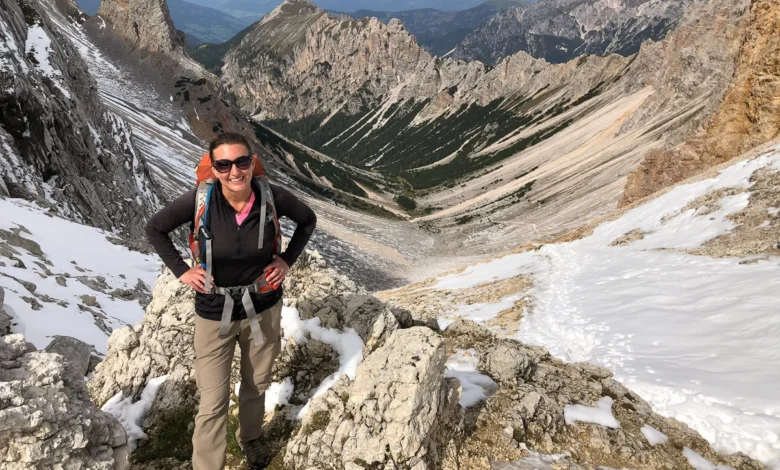
Proper preparation is the cornerstone of a safe and successful wilderness excursion. Whether embarking on a local day hike or a multi-day trek across high-altitude mountain passes, the difference between an enjoyable experience and a perilous situation often lies in the efficiency and quality of one’s gear. As global interest in trekking and nature-based tourism continues to rise—with industry reports indicating that adventure travel is projected to reach a market value of over $1 trillion by 2030—the demand for standardized, expert-vetted packing protocols has never been higher.
Evolution of Trekking Standards and Logistics
The methodology behind effective trekking has shifted significantly over the past two decades. Early twentieth-century mountaineering relied heavily on cumbersome, heavy-duty equipment. However, the contemporary "light and fast" philosophy emphasizes modularity and weight reduction without compromising safety. Data from outdoor safety organizations, such as the National Park Service and international search and rescue committees, consistently demonstrate that many emergency incidents are linked to either inadequate preparation or, conversely, the over-packing of unnecessary items that lead to physical exhaustion and poor decision-making.
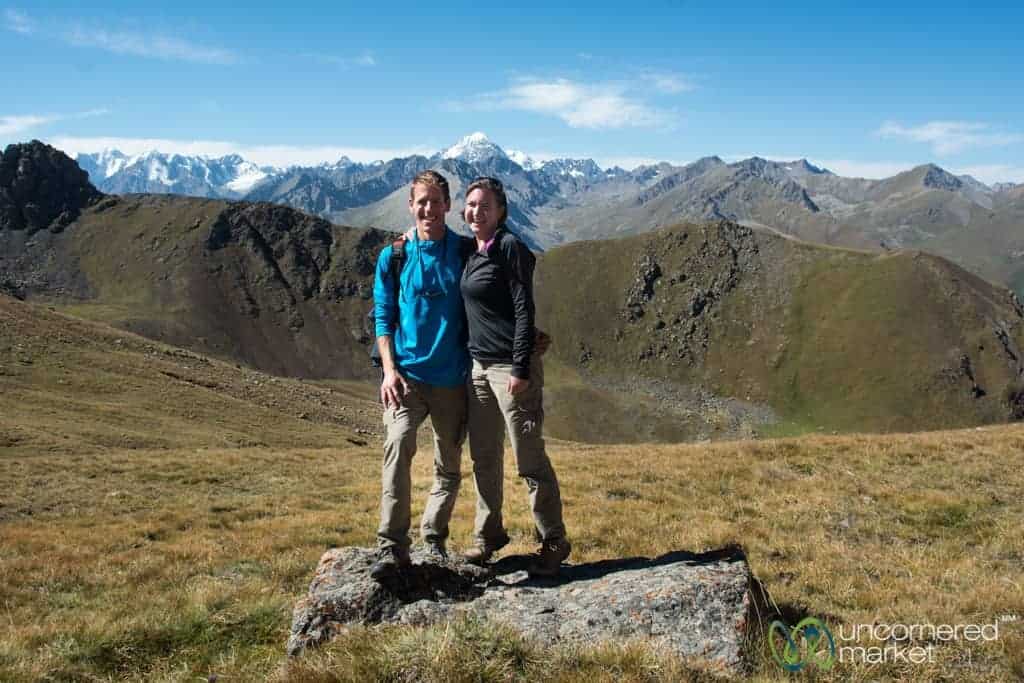
The logistical evolution of trekking has also seen a move toward "support-based" travel, where hikers utilize local infrastructure such as tea houses, mountain lodges, and village homestays. This model, which gained traction in the Himalayan and Andean regions in the early 2000s, allows for a significant reduction in carried weight, as it eliminates the need for personal camping and cooking equipment. This shift has not only lowered the barrier to entry for novice hikers but has also provided a vital economic lifeline to remote communities.

The Science of Layering and Environmental Protection
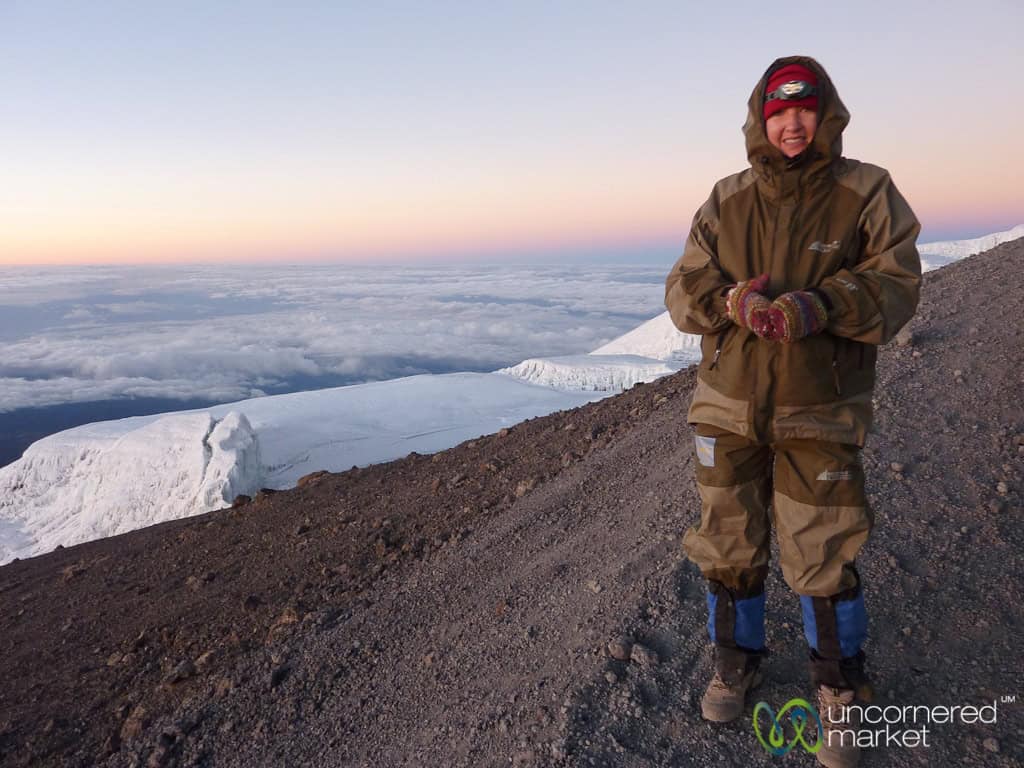
A fundamental principle of modern hiking is the layering system, a strategy designed to manage body temperature in fluctuating climates. Meteorological data for high-altitude environments shows that temperatures can fluctuate by as much as 20 degrees Celsius between daylight and dusk. The standard layering protocol consists of three components:

- Base Layer: Moisture-wicking fabrics (such as merino wool or synthetic polyesters) designed to draw perspiration away from the skin.
- Mid-Layer: Insulating materials (fleece or lightweight down) that trap body heat.
- Outer Shell: Windproof and waterproof materials (such as Gore-Tex or similar membranes) that protect against extreme weather events.
Sun protection is frequently overlooked by inexperienced hikers. Research from dermatological studies indicates that UV radiation increases by approximately 10% for every 1,000 meters of elevation gain. Consequently, high-SPF sunscreen, polarized sunglasses, and protective headwear are not optional accessories; they are medical necessities to prevent acute solar keratosis and snow blindness.

Strategic Selection of Hiking Gear
When curating a kit, hikers must prioritize functionality over the "newest" technology. The market is saturated with high-end, specialized gear, yet field experts consistently highlight that durability and fit are more critical than branding.
Backpack Ergonomics:
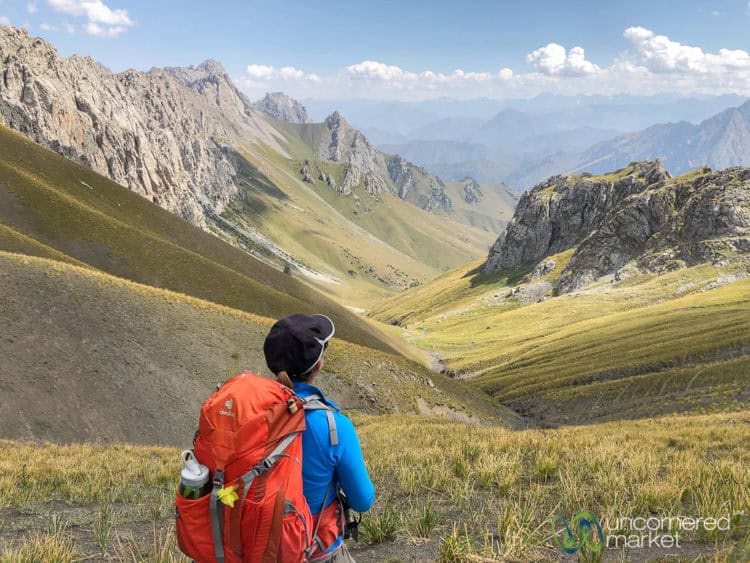
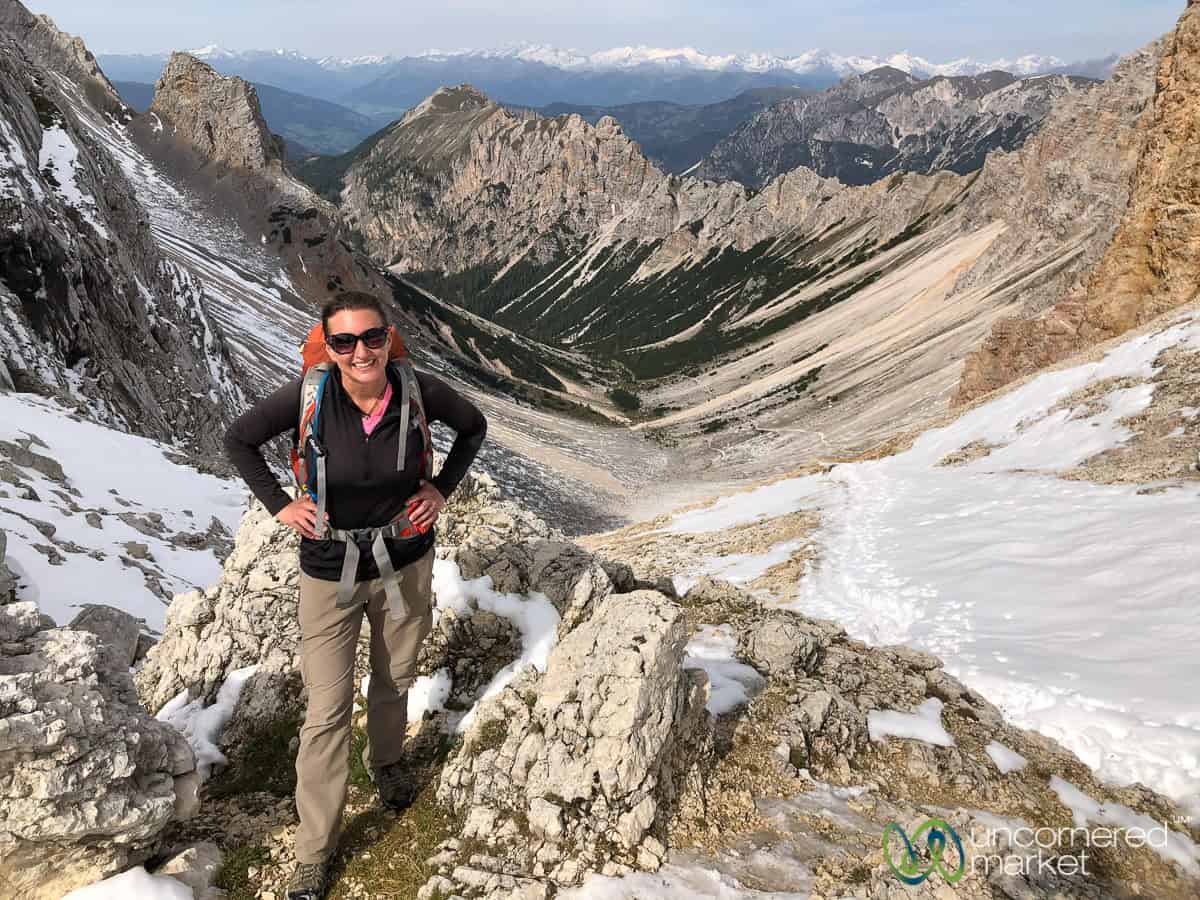
The selection of a hiking backpack should be based on torso length rather than total volume. A 30-to-45-liter pack is generally sufficient for multi-day treks involving lodge stays, while 20-to-24-liter packs suffice for day trips. Key features to evaluate include an adjustable sternum strap, a load-bearing hip belt, and integrated rain cover compatibility. Improperly fitted packs are a leading cause of musculoskeletal strain among hikers.
Footwear and Stability:
Footwear remains the most critical equipment investment. The transition from heavy, rigid leather boots to lightweight, high-traction hiking shoes or trail runners has been a major trend in the outdoor industry. While high-cut boots provide superior ankle stability, many modern hikers opt for trail shoes that offer better breathability and reduced weight. Regardless of the style, the critical factor is the "break-in" period; attempting to use new, untested footwear on a long-distance trail is a primary cause of blister development.

Managing Logistics: Rent vs. Purchase
A strategic analysis of packing reveals that purchasing high-cost, specialized gear for rare use is often inefficient. In major trekking hubs—such as Moshi (Tanzania), Cusco (Peru), or Leh (India)—local rental services offer high-quality equipment, including sleeping bags, trekking poles, and waterproof shells. For the occasional hiker, renting is often a more sustainable and cost-effective choice. It reduces the carbon footprint associated with global shipping and manufacturing while ensuring that equipment is suitable for the specific environmental conditions of the region.

Essential Medical and Safety Protocols
A professional-grade first aid kit is non-negotiable. Beyond standard bandages and antiseptic, the kit should include:
- Blister management: Moleskin or hydrocolloid dressings to address "hot spots" before they develop into open wounds.
- Hydration support: Electrolyte supplements to maintain fluid balance, particularly in high-altitude or arid conditions.
- Prescription basics: While medical advice should always be sought from a professional, carrying a basic course of antibiotics and anti-nausea medication is standard practice for remote expeditions where immediate medical access is unavailable.
Sustainability and Environmental Impact
The surge in hiking popularity has placed unprecedented strain on fragile alpine ecosystems. The "Leave No Trace" (LNT) principles are now central to the trekking community’s ethos. Key practices include:
- Waste Mitigation: Utilizing reusable water bottles or integrated hydration bladders to eliminate single-use plastic consumption.
- Water Purification: Employing UV sterilization or chemical drops rather than relying on bottled water, which creates a disposal crisis in remote areas.
- Responsible Sourcing: Choosing gear manufactured with recycled materials and supporting brands that engage in ethical labor practices.
Implications for the Future of Hiking
As the outdoor industry matures, the focus is shifting toward a more data-driven approach to safety and sustainability. Technology such as satellite messengers (e.g., Garmin inReach) and mobile applications for offline mapping has significantly altered the risk profile of backcountry travel. However, these tools cannot replace foundational knowledge.
The industry’s broader impact is clear: hiking is no longer just a recreational activity but a significant contributor to global tourism revenue and a powerful driver for conservation efforts. By adhering to a disciplined, well-researched, and minimalist packing strategy, hikers ensure their own safety while minimizing their ecological footprint. As one prepares for a next expedition, the focus should remain on the balance between physical capability and the gear required to support it, ensuring that the primary goal—experiencing the wilderness—remains both safe and sustainable for future generations.

Checklist Summary for Expeditions
For those planning upcoming treks, the following summary serves as a baseline:
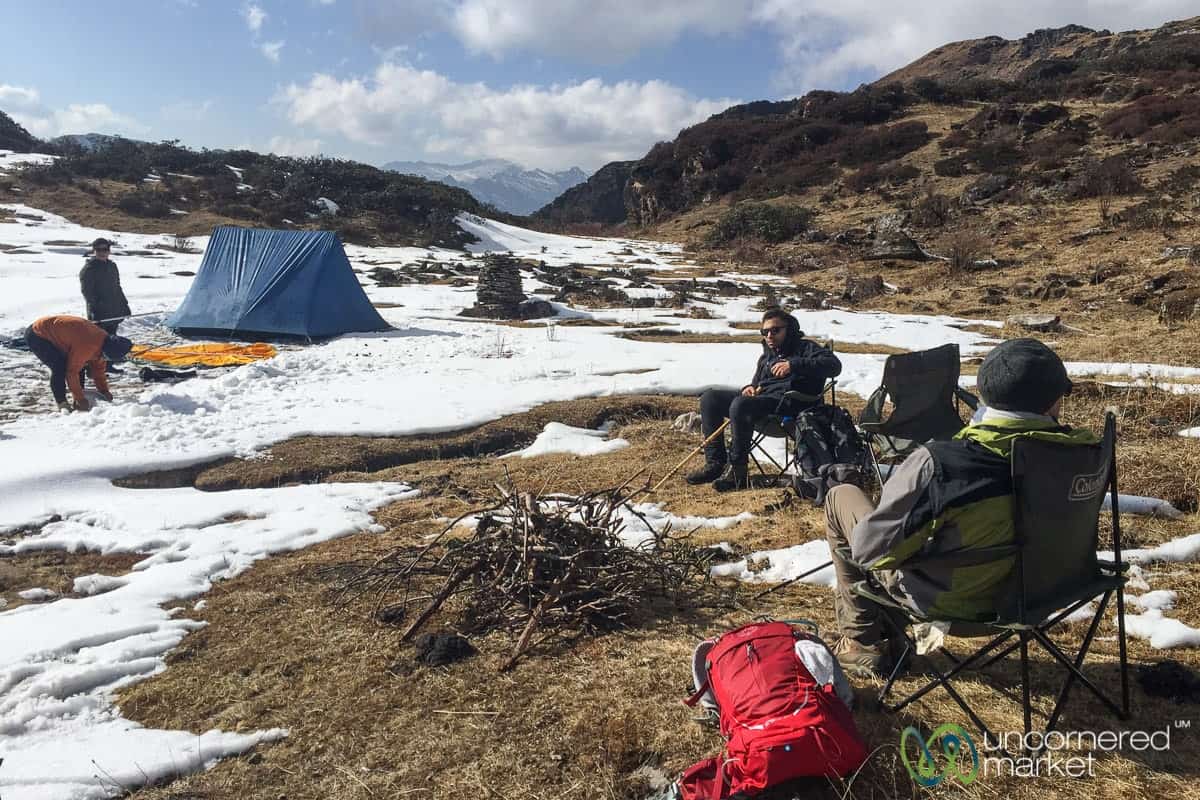
- Clothing: Moisture-wicking base layers, insulating mid-layers, and a waterproof shell.
- Footwear: Properly fitted, broken-in boots or trail shoes with high-traction outsoles.
- Navigation: Reliable maps, compass, and GPS-enabled devices.
- Safety: A comprehensive first aid kit, headlamp with spare batteries, and a multi-tool.
- Sustainability: Reusable water filtration systems and a commitment to carrying out all waste.
Ultimately, the most effective gear is that which is understood, maintained, and used with purpose. By standardizing preparation, hikers can elevate their experience from a challenge of survival to an exploration of the natural world.