Rediscovering the Tiber: A New Era for E-Bike Tourism in Italy’s Lazio Region

The Lazio region, long overshadowed by the global magnetism of Rome, is undergoing a significant transformation in its tourism strategy. Historically, while the capital city drew millions of visitors, the surrounding hinterlands—defined by the Tiber River valley, volcanic landscapes, and medieval hill towns—remained largely peripheral to the standard Italian tourist circuit. However, a recent initiative spearheaded by the Thybris River Experience, with substantial backing from the Lazio Region, is aiming to change this by establishing a network of guided e-bike itineraries that connect the capital to its surrounding natural and archaeological treasures.
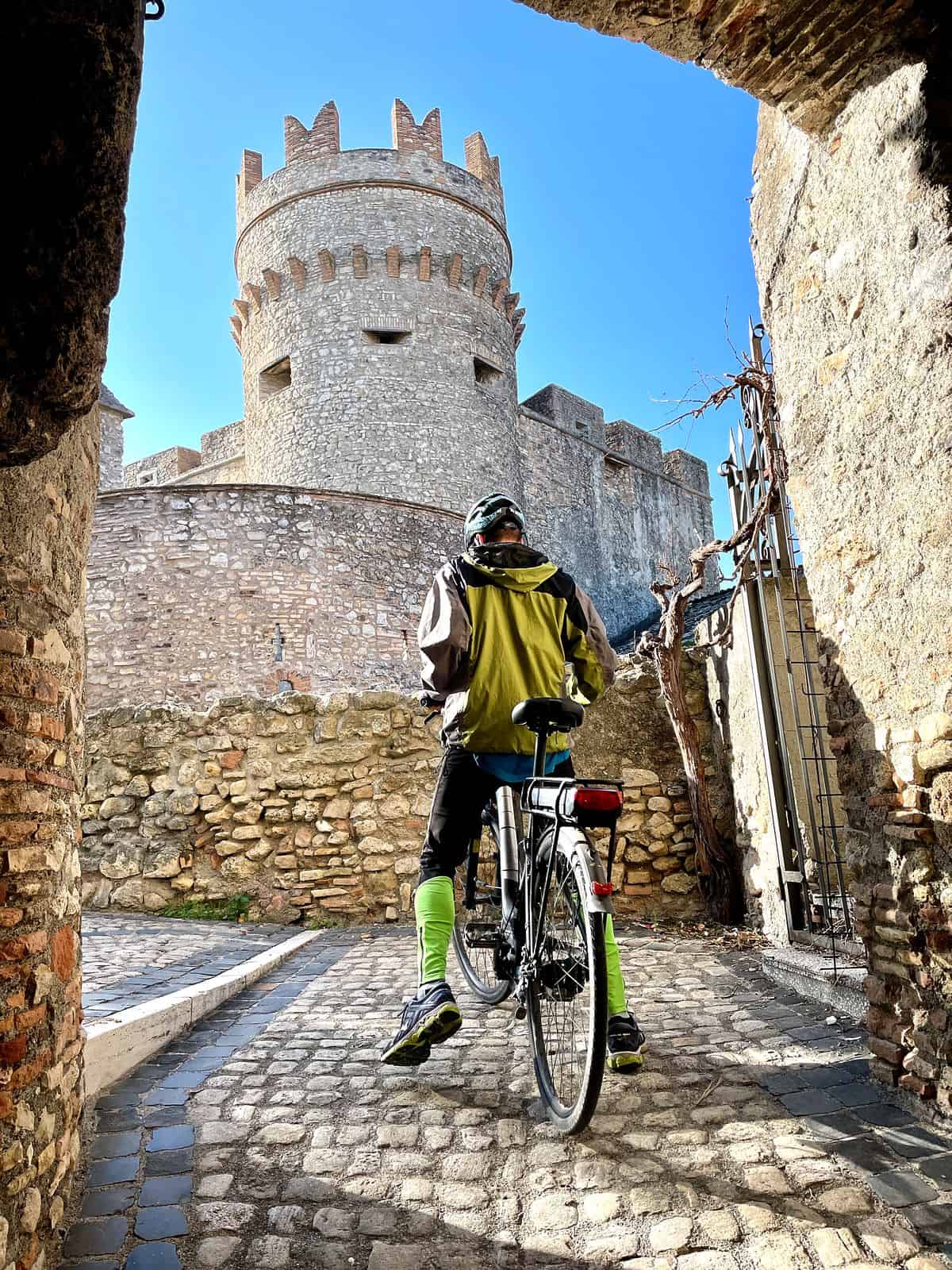
This project, which was tested through a series of ten-day intensive field assessments, seeks to capitalize on the rising global demand for sustainable, slow-travel experiences. By integrating regional train infrastructure with high-end electric bicycle routes, the initiative is designed to divert foot traffic away from congested urban centers and toward lesser-known heritage sites, thereby promoting a more equitable distribution of tourism revenue across local municipalities.
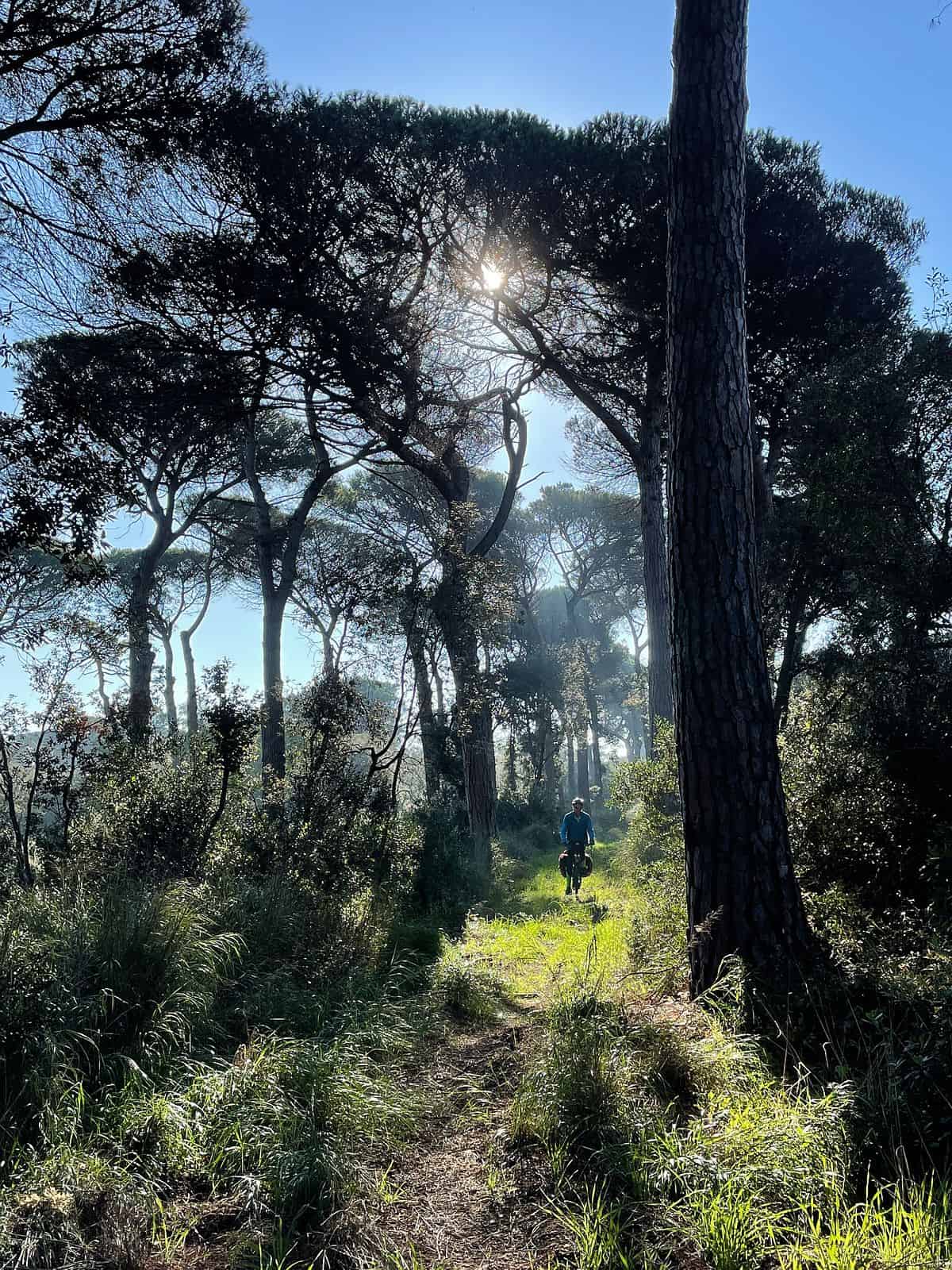
Strategic Context and Regional Development
The Lazio region is geographically situated between the highly organized, tourism-heavy corridors of Tuscany to the north and the culturally distinct, Mediterranean-influenced provinces of the south. For years, the regional government has sought to create a "Greater Rome" tourism brand that highlights the continuity between the capital and its surrounding provinces. The Tiber River serves as the natural spine of this strategy, linking the northern volcanic districts of Tuscia and Teverina with the coastal administrative zones of Ostia and Fiumicino.

The development of these e-bike itineraries is not merely a recreational project; it is an economic development tool. By focusing on "slow tourism," the regional authorities aim to increase the average length of stay for international travelers. Statistics from the regional tourism office suggest that while travelers often spend 3 to 4 days in Rome, their engagement with the surrounding countryside remains minimal. These new guided routes, which range from two to three days in length, are intended to bridge this gap.
The Three Pillars of the Itinerary
The pilot project focused on three distinct geographical zones, each offering a unique narrative of Italian history and landscape management.

-
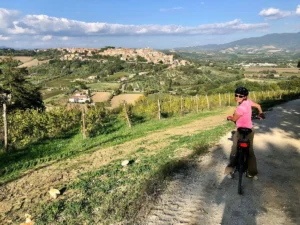
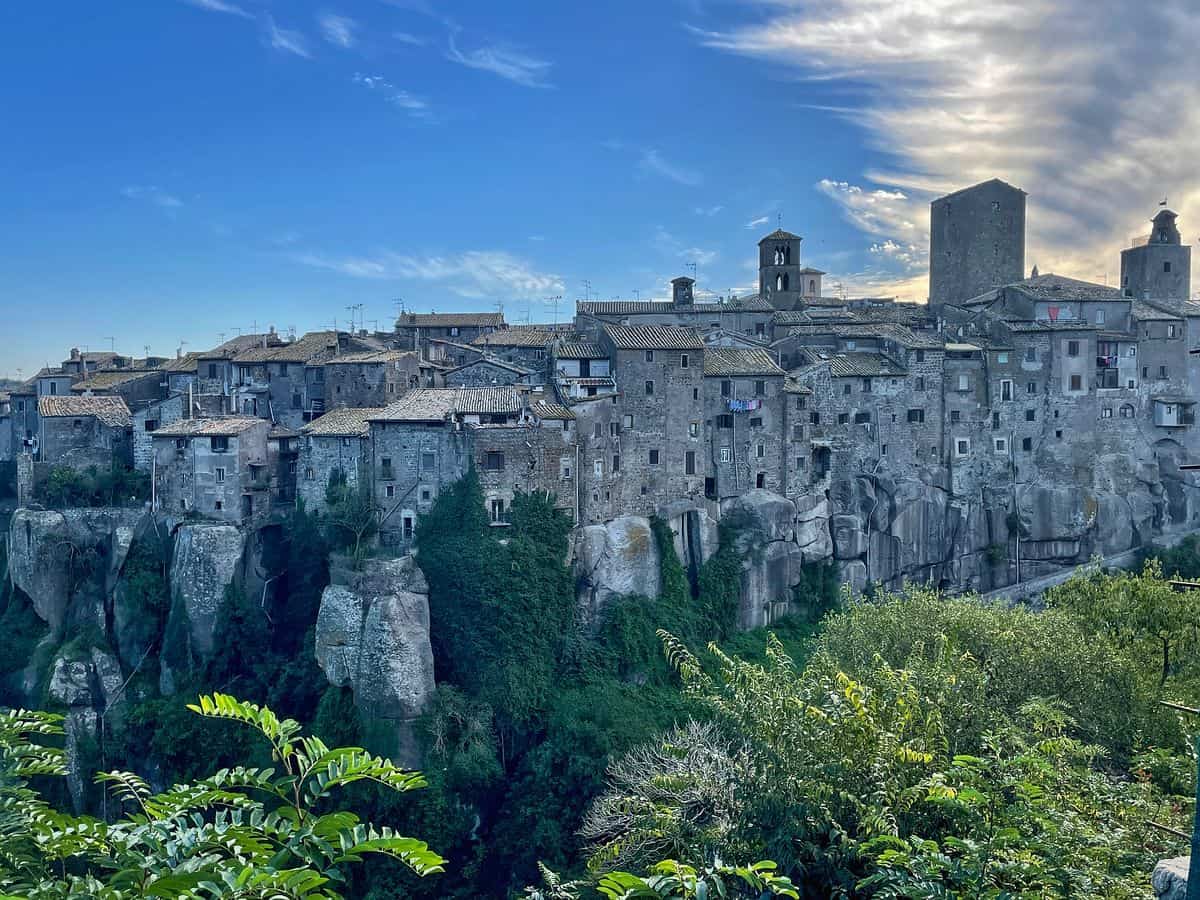
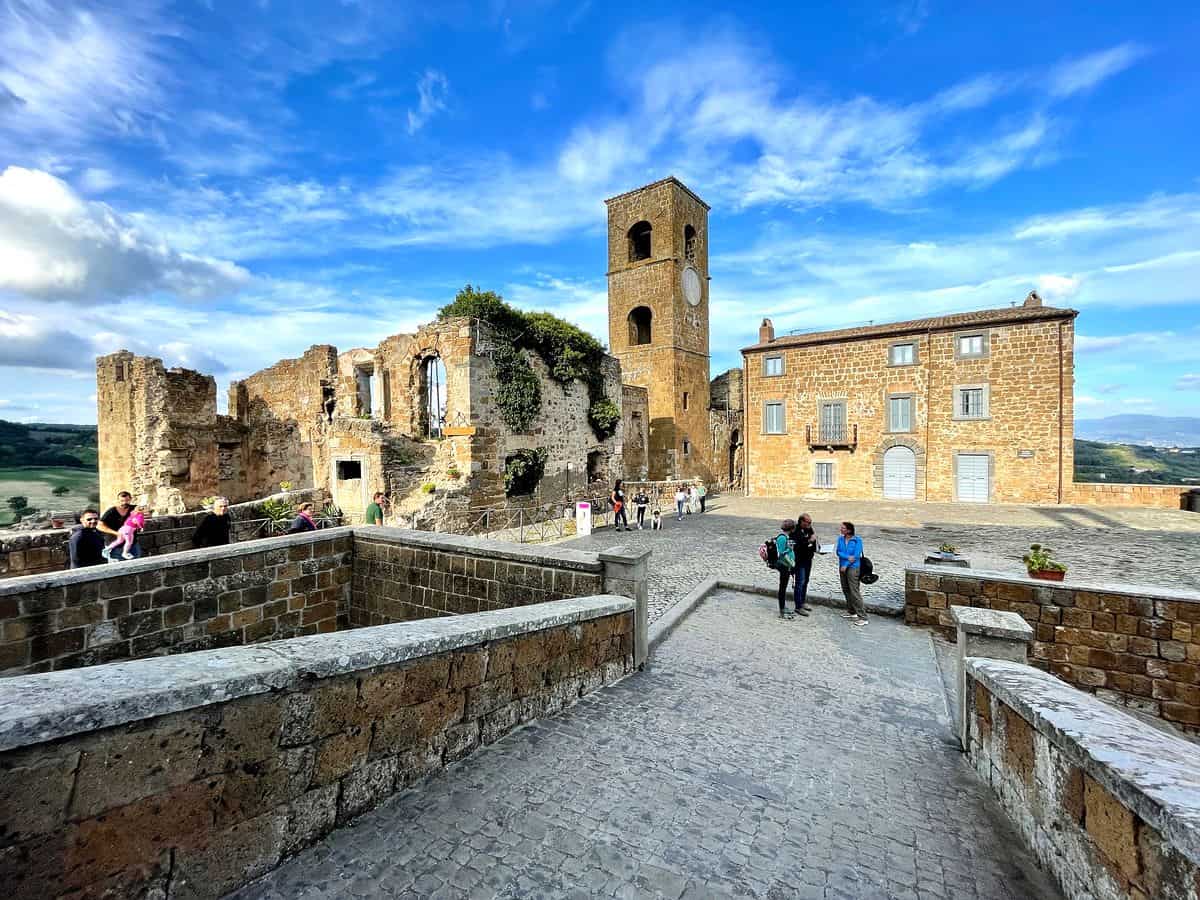
Tuscia and Teverina (The Hill Town Circuit): Located about an hour from Rome, this area is characterized by medieval hilltop settlements such as Civitella d’Agliano, Vitorchiano, and the "Ghost Town" of Celleno. The focus here is on agricultural sustainability and heritage preservation. A notable case study within this zone is the Trebotti wine farm, which has implemented a fully circular production model, utilizing ancient Etruscan cellars and minimizing energy consumption to maintain its organic certification.

-
The Tevere-Farfa Natural Reserve (The Ecological Corridor): This area emphasizes biodiversity and the environmental role of the Tiber. Unlike the urbanized sections of the river, the reserve provides a critical habitat for migratory birds, including herons and egrets. The inclusion of the Bunker Soratte complex, a subterranean military site used by both Mussolini’s regime and as a Cold War-era nuclear fallout shelter, provides a sharp historical contrast to the ecological restoration efforts led by groups like Ecoturismo Tevere Farfa.

-
Rome’s Edge (Ostia, Fiumicino, and Isola Sacra): This zone serves as a bridge between the ancient and the modern. The archaeological remains of Ostia Antica and the Imperial Harbours of Claudius and Trajan are essential for understanding the logistics of the Roman Empire. The initiative here aims to link these ruins with the modern community of Fiumicino, highlighting the area’s maritime heritage through projects like the restoration of the 1895 steam tugboat, the Pietro Micca.

Sustainability and Environmental Impact
A primary objective of the Thybris River Experience project is to minimize the environmental footprint of tourism in protected areas. The use of e-bikes is central to this strategy. By providing pedal-assist technology, the itineraries become accessible to a broader demographic, reducing the need for private vehicle transport in sensitive ecosystems.

Fact-based analysis of the pilot routes indicates that the integration of regional rail transport significantly lowers the carbon footprint compared to traditional bus-based excursions. Furthermore, the initiative mandates that all tour partners—ranging from accommodation providers to local guides—adhere to strict sustainability criteria. This includes sourcing food from local organic farms, such as the Ecofattorie Sabine, and prioritizing the restoration of existing historical buildings over new construction.

Official Stance and Regional Support
The Lazio Region’s funding for this initiative reflects a broader shift in Italian tourism policy: the move away from "mass tourism" and toward "value-based tourism." Regional representatives have noted that the project is not just about bringing more tourists to Lazio, but about bringing the "right" kind of tourists—those who engage with local artisans, respect the environmental regulations of the parks, and contribute to the local economy.

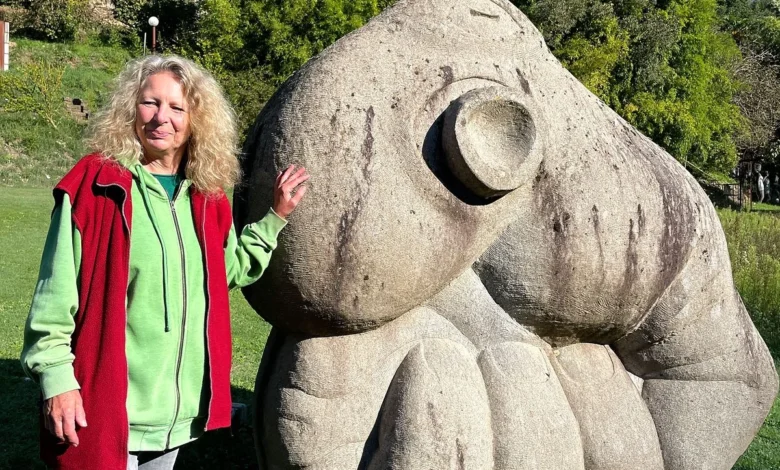
Giorgia Cadinu, the lead guide and project initiator, has emphasized that the goal is to tell the story of the Tiber River as a living entity rather than a static historical backdrop. The project has received positive feedback from local mayors and small business owners, who have historically struggled to compete with the sheer volume of marketing capital available to the city of Rome.

Broader Implications for the Italian Tourism Industry
The successful implementation of these routes holds broader implications for Italy’s post-pandemic recovery. The "Rome-plus" model—where visitors are encouraged to see Rome as a base camp for deeper exploration—is gaining traction among European tourism experts. If the Lazio e-bike initiative proves successful in the long term, it could serve as a template for other regions in Italy, such as Campania or Emilia-Romagna, which also face the challenge of managing over-tourism in their primary hubs while seeking to develop their neglected rural peripheries.

However, challenges remain. The maintenance of the cycling paths—some of which cross through terrain managed by multiple jurisdictions—requires consistent coordination between the regional government, the national forestry service, and private landowners. As the project transitions from a pilot phase to a permanent, commercially available service, the ability to maintain the quality of the "local" experience will be the true test of its scalability.
For the modern traveler, this shift represents a move toward a more immersive, intellectually stimulating form of exploration. Whether it is visiting the "Park of the Monsters" in Bomarzo or observing the bird population at the LIPU Oasis in Ostia, the itineraries offer a sophisticated alternative to the crowded piazzas of the city center. By tying together the history of the ancient Roman Empire, the legacy of 20th-century conflict, and the modern imperative for ecological regeneration, the Lazio Region is effectively rebranding itself as a destination where the landscape is as significant as the monuments built upon it.