Redrawing the Global Culinary Map: How Indigenous American Crops Defined Modern World Cuisine

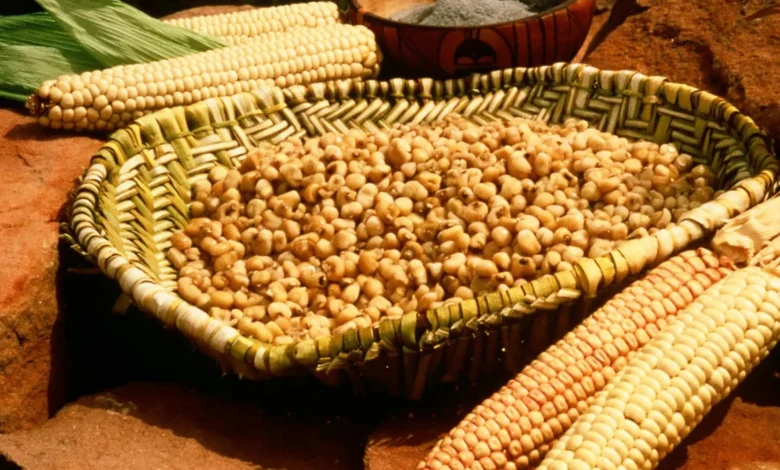
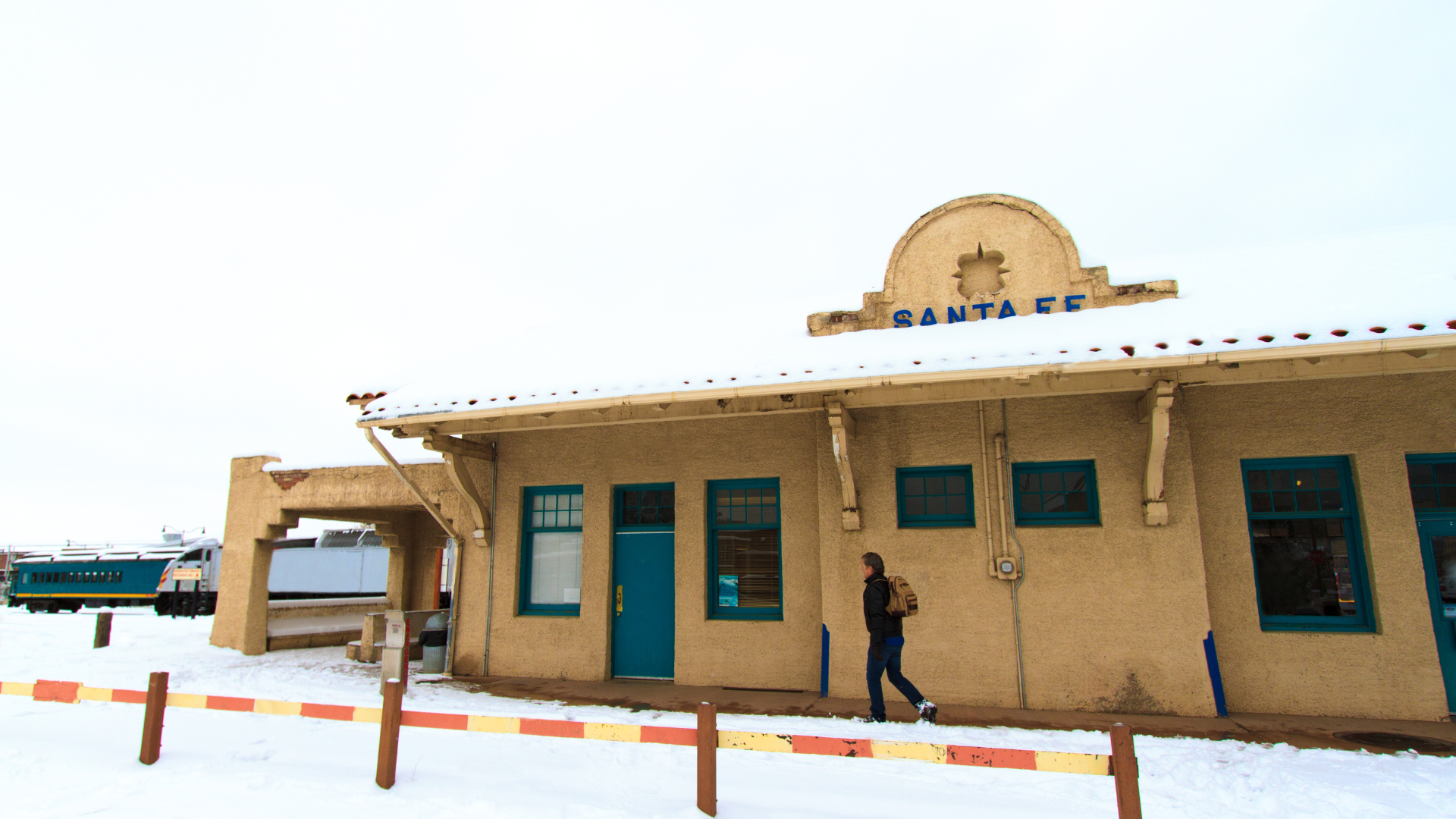
The tomato in your pasta. The chili in your Thai curry. The potato in your fish and chips. Much of what modern societies across the globe consider "traditional" national cuisine relies fundamentally on Indigenous crops cultivated thousands of years ago in the Americas. Stepping into the Santa Fe School of Cooking in New Mexico, travel writer and journalist Cam Hassard set out to explore Native American foodways, only to find his understanding of global culinary history entirely upended.
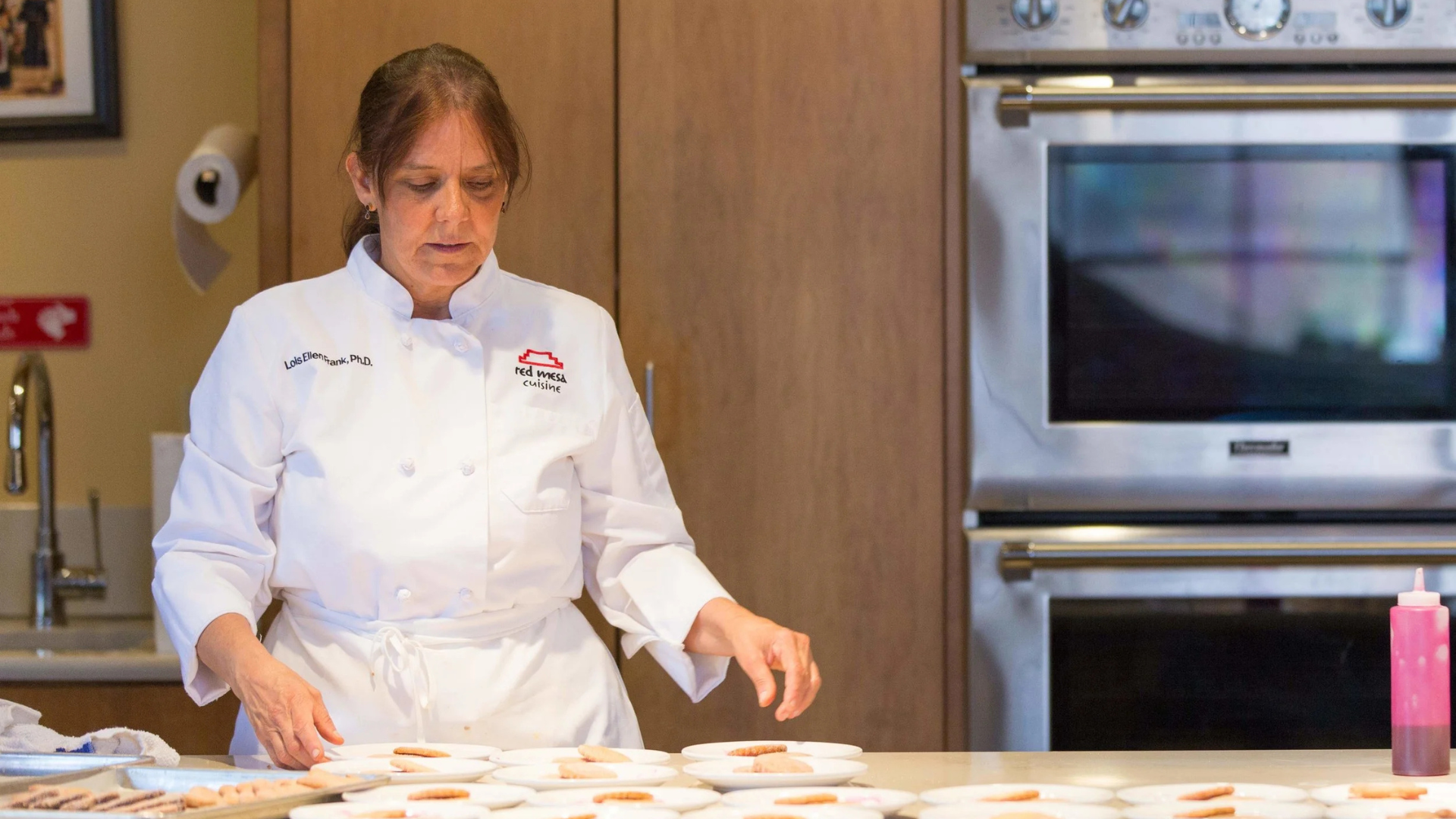
At the center of this paradigm shift are cultural anthropologist, chef, and historian Lois Ellen Frank and her culinary partner, Walter Whitewater, a Diné man. Together, through their Santa Fe catering company Red Mesa Cuisine, Frank and Whitewater champion a philosophy they term "Nativoring"—advocating for a return to ancestral ingredients that long predate European colonization. Their work reveals that the culinary identities of Italy, Ireland, India, Thailand, and beyond were fundamentally constructed by the exchange and adoption of ancient Indigenous American harvests.
The Magic Eight: Unwriting Pre-Columbian Global Diets
To understand the scale of this agricultural legacy, Frank points to what she calls the "Magic Eight": corn, beans, squash, chili, tomato, potato, vanilla, and cacao. Prior to Christopher Columbus’s arrival in the Americas in 1492, none of these eight ingredients existed anywhere in Europe, Asia, or Africa.
The historical implications of this geographical isolation are staggering. Before the Columbian Exchange—a term coined by historian Alfred W. Crosby in his seminal 1972 work to describe the massive transatlantic transfer of flora, fauna, populations, and pathogens—diets across the Old World were drastically different.
"If we deconstruct that, the Italians did not have the tomato, the Irish did not have the potato, and half the British national dish did not exist," Frank notes. "Russians didn’t have the potato, and thus no vodka; there were no chilies in Asia, and no chilies in any East Indian curries."

Without these foundational crops, entire global food cultures would be unrecognizable. Italian marinara sauce, British fish and chips, Thai curries, and Irish bangers and mash are all modern iterations of a global diet enabled entirely by pre-Columbian Indigenous agricultural ingenuity.
A Timeline of Culinary Disruption
Frank divides the history of Native American foodways into three distinct epochs: the Pre-Contact Era, the First Contact Period, and the Government Issue Period. This chronological framework illustrates how food was transformed from a sustainable, localized ecological system into an instrument of colonization.
1. The Pre-Contact Era
Spanning thousands of years before European arrival, this period was characterized by sophisticated agricultural systems developed by diverse Indigenous nations. Practices such as the cultivation of the "Three Sisters"—corn, beans, and squash planted together to support one another’s growth—exemplified an advanced, zero-waste, sustainable approach to land and nutrition. Indigenous peoples engineered agricultural methods tailored precisely to their local ecosystems, treating food not merely as sustenance, but as a living cultural and spiritual practice.
2. The First Contact Period
Triggered by the 1492 voyage of Columbus, this era initiated the Columbian Exchange. As crops crossed oceans, European colonizers introduced livestock, wheat, and dairy to the Americas, while Indigenous staples revolutionized farming and cooking across Europe, Asia, and Africa. While this period is frequently framed in terms of global culinary enrichment, it simultaneously initiated centuries of demographic collapse and land dispossession for Indigenous populations.
3. The Government Issue Period
Marked by 19th-century U.S. westward expansion, forced relocations, and the establishment of the reservation system, this era weaponized food as a tool of assimilation. The federal government routinely issued rations of flour, lard, sugar, and canned goods to displaced tribes whose traditional hunting and agricultural grounds had been seized.
Out of these harsh conditions emerged iconic, albeit complicated, survival foods such as fry bread—a flat dough made from government-issued commodities and fried in oil. Today, fry bread stands as a complex symbol of Indigenous resilience, cultural endurance, and the painful historical contexts that necessitated its creation.
Modern Health Implications and Food Sovereignty
The legacy of historical displacement and commodity-based diets continues to impact Native communities profoundly. Frank observes that within many modern Indigenous communities, health outcomes reflect systemic historical shifts away from traditional diets toward processed foods. The prevalence of Type 2 diabetes is so widespread that younger generations often view the diagnosis not as a risk, but as an inevitability.
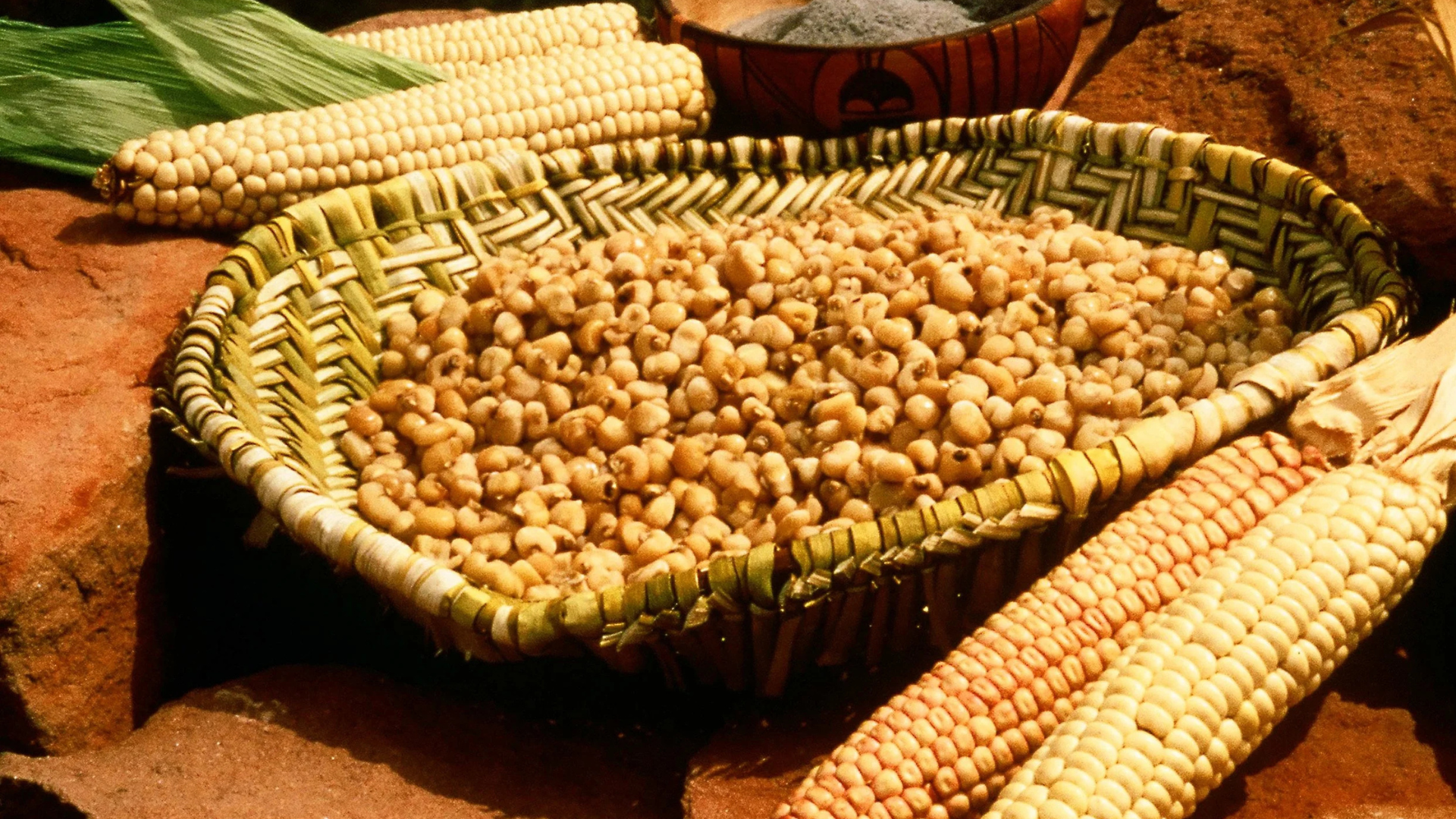
In response, a growing movement toward food sovereignty has emerged across Indian Country. Advocates, chefs, and tribal leaders are working to reconnect communities with ancestral ingredients—such as wild greens, hand-harvested prickly pears, and heirloom varieties of corn and squash. By reclaiming traditional foodways, Indigenous health advocates aim to combat diet-related illnesses while fostering cultural revitalization.
In New Mexico specifically, this culinary heritage remains vibrant. The state serves as a cultural crossroads, home to 19 sovereign Pueblo nations, the Navajo (Diné) Nation, the Jicarilla Apache Nation, the Mescalero Apache Tribe, and historical ties to the Fort Sill Apache Tribe of Oklahoma. Each nation maintains distinct agricultural and culinary traditions that continue to shape the regional identity of the American Southwest.
Redefining Sustainability Through an Indigenous Lens
As contemporary mainstream food culture scrambles to adopt buzzwords like "farm-to-plate," "locavore," and "zero-waste," Indigenous chefs point out that these concepts have ancient precedents.
"There’s no wording in our language about ‘organic’ versus ‘non-organic,’" Frank explains. "It always was farm-to-plate, and it always was zero-waste."
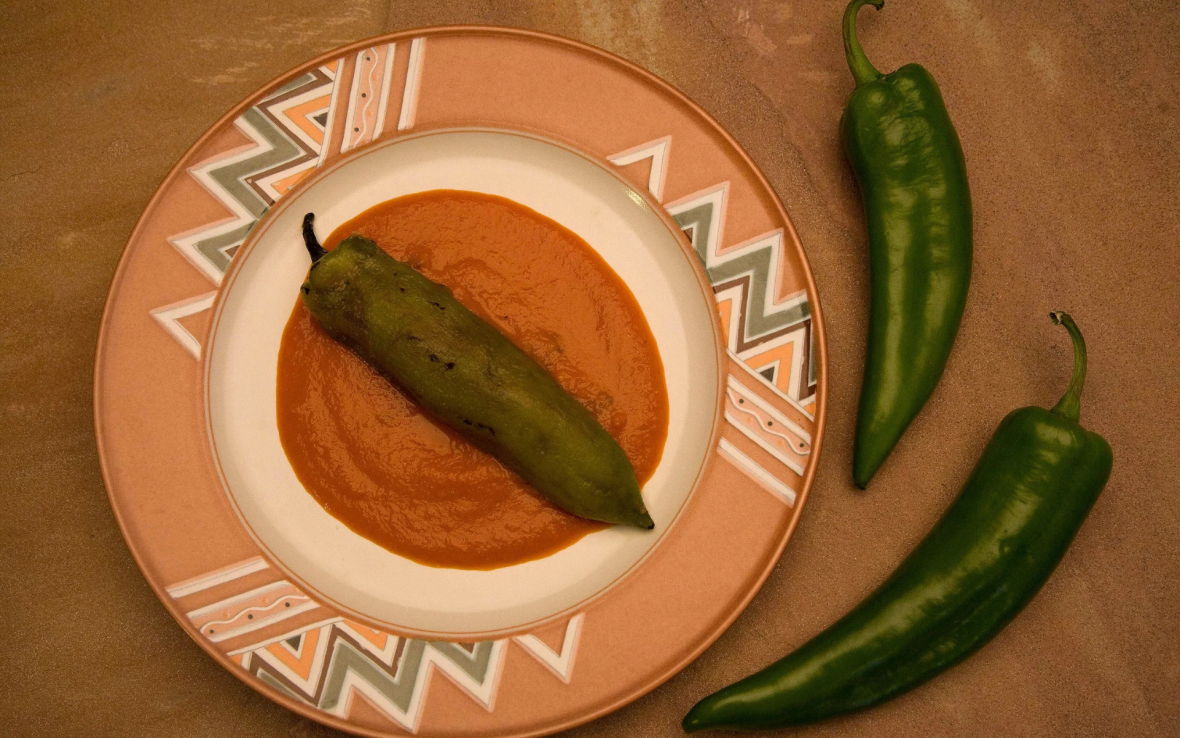
Back at the Santa Fe School of Cooking, Frank and Walter Whitewater demonstrate these timeless principles in real-time. Above the preparation station, an overhead mirror allows the class to observe the intricate assembly of the day’s menu: trout baked in clay, stuffed with fresh sage and grilled green onions, and wrapped in smoked applewood bacon, accompanied by wild rice sauté, smoky guajillo chile sauce, and sautéed rainbow chard.
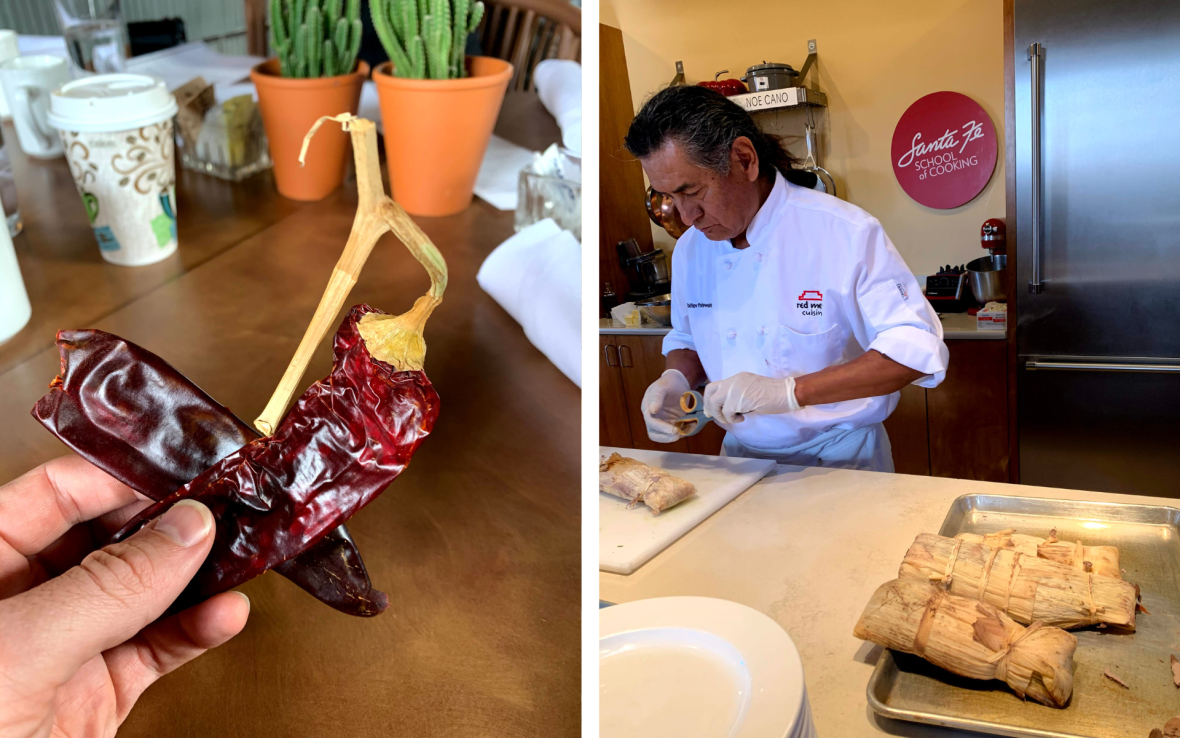
Whitewater, a reticent and deeply reflective Diné man, captures the spiritual essence of the work with a simple declaration: "Food is our medicine."
The workshop concludes not merely with a meal, but with a traditional song performed by Frank and Whitewater, accompanied by a Diné water drum. Guests partake in a final course of a Native American corn pudding and local berry compote sweetened with apple.
Ultimately, the culinary re-education offered in Santa Fe transcends recipes and ingredients. It serves as an essential reminder that what the world consumes daily is built upon a foundation of Indigenous science, stewardship, and survival—a living culture that continues to nourish both body and spirit.