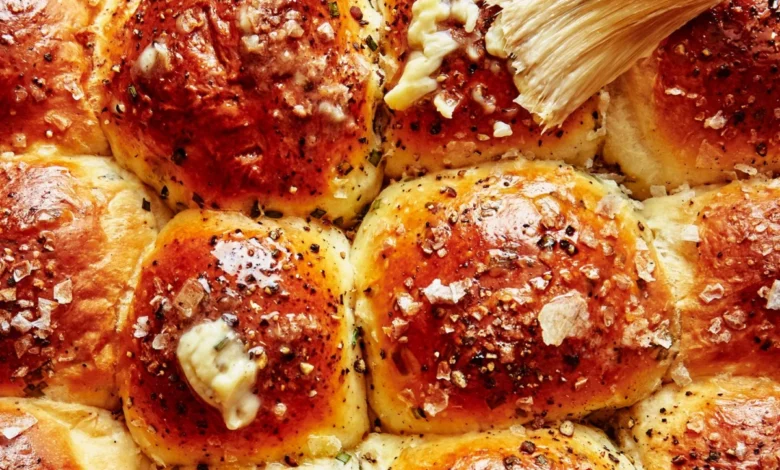
While the Thanksgiving culinary narrative is traditionally dominated by the centerpiece turkey and the final act of pumpkin or pecan pie, the inclusion of artisanal breads and rolls remains a critical, albeit often overlooked, component of the holiday’s gastronomic architecture. As families and culinary professionals prepare for the annual feast, a shift in focus toward high-quality, house-made breads has emerged as a significant trend in domestic and professional catering alike. From squishy, butter-enriched rolls designed for gravy absorption to flaky, laminated biscuits that serve as a vessel for leftover turkey, the technical demands of holiday baking require careful planning and precise execution.

The Historical Context of Thanksgiving Bread
The tradition of serving specialized breads at the American Thanksgiving table dates back to the harvest celebrations of the 17th century, though the modern iterations seen today—such as chive-infused sour cream rolls or seed-crusted pumpkin loaves—are contemporary refinements. Historically, cornbread served as a staple in the Southern United States, while yeast-risen dinner rolls became a hallmark of the mid-20th-century suburban table. In the present era, the bread course serves as a bridge between the breakfast anticipation of the holiday morning and the late-night consumption of leftovers.

The significance of bread in the Thanksgiving meal extends beyond caloric contribution. It functions as a culinary anchor. According to market research focused on seasonal food consumption, carbohydrate-heavy sides—specifically rolls and stuffing—consistently rank among the top three most requested items by Thanksgiving guests, trailing only the poultry itself.

Strategic Planning and Chronology
For the home cook or professional chef, managing oven real estate is the primary obstacle to a successful Thanksgiving service. The preparation of bread requires a disciplined timeline to ensure optimal freshness without compromising the heat required for the primary proteins.

- D-Minus-3 Days: Sourcing high-quality ingredients, specifically high-protein bread flour and European-style butter, which significantly impacts the crumb structure and flavor profile of dinner rolls.
- D-Minus-2 Days: Preparation of "make-ahead" doughs. Many professional bakers recommend a cold-fermentation process for yeast rolls, which develops complex lactic acid flavors and improves the texture of the finished product.
- D-Minus-1 Day: Par-baking or shaping of biscuits and buns. By partially baking the items, the final browning and crust development can be finalized in the oven immediately after the turkey is removed to rest.
- Thanksgiving Day: Final proofing and baking. This allows the kitchen to utilize the residual heat of the oven during the critical resting phase of the meat, ensuring that the rolls are served at the ideal temperature of 120°F to 140°F.
Data and Trends in Seasonal Baking
Market analysis from the National Retail Federation and various culinary institutes suggests that consumers are increasingly moving away from pre-packaged, mass-produced dinner rolls in favor of artisanal, small-batch options. Sales of specialty flours, particularly those with higher protein content, see a notable spike of approximately 22% during the month of November.

Furthermore, a 2023 survey of home cooks indicated that 64% of participants prioritize "moisture retention" in their rolls, leading to a rise in recipes utilizing dairy-heavy enrichments such as sour cream, buttermilk, and high-fat butter. The trend toward "midnight-sandwich-ready" loaves—breads with enough structural integrity to hold hot, shredded turkey and cranberry sauce—suggests that the bread course is now being designed with the entire weekend of leftovers in mind.

Technical Considerations for Optimal Results
The science behind successful holiday baking involves balancing hydration and fat content. Recipes utilizing sour cream or buttermilk provide a subtle acidity that interacts with the baking soda or yeast, resulting in a tender, fine-grained crumb. When preparing biscuits, the temperature of the fat is paramount; professional techniques dictate that the butter should remain in pea-sized shards throughout the folding process to create the steam pockets necessary for the characteristic flake.

Regarding the incorporation of seasonal ingredients, such as sweet potatoes or pumpkin into yeast doughs, bakers must account for the added sugar and moisture. These ingredients can inhibit yeast activity if not managed correctly, often requiring an additional 15 to 20 minutes of proofing time compared to standard white rolls.

Industry Perspectives
Culinary experts emphasize that the bread course should be viewed as an opportunity to showcase texture. A diverse spread—combining the softness of a sweet potato bun with the crunch of a seedy, crusty loaf—provides a necessary contrast to the soft, savory components of the rest of the meal, such as mashed potatoes or sweet potato casseroles.

"The bread course is the silent workhorse of the Thanksgiving table," says one food industry consultant. "If the turkey is the ‘event,’ the bread is the ‘support system.’ Without a high-quality roll, the gravy has no purpose, and the leftover sandwiches lack a foundation. It is an area of the menu where technical skill, such as proper kneading and temperature control, is immediately rewarded by the diner."

Broader Impact and Social Implications
The act of baking bread is deeply intertwined with the social fabric of the holiday. As households increasingly lean into the "do-it-yourself" movement, the transmission of baking knowledge between generations has seen a resurgence. This phenomenon is supported by the availability of high-quality digital resources that demystify professional techniques, such as the folding of puff pastry or the hydration percentages of sourdough.

From an economic perspective, the shift toward home-baked goods also reflects a broader interest in the provenance of food. By controlling the quality of the flour, the source of the butter, and the length of the fermentation, the home baker achieves a level of quality control that is rarely found in commercial, store-bought alternatives.

Conclusion: The Future of the Bread Course
As Thanksgiving traditions continue to evolve, the bread course is likely to become even more sophisticated. We are seeing a movement toward incorporating ancient grains, such as spelt, einkorn, and rye, which provide nutritional density and depth of flavor. Furthermore, the integration of global flavors—such as adding za’atar to dinner rolls or utilizing miso in butter glazes—indicates that the traditional Thanksgiving menu is becoming more receptive to diverse culinary influences.

For the upcoming holiday, the emphasis remains on the foundational elements: heat, timing, and ingredient quality. Whether one chooses the classic buttermilk biscuit or a more complex, multi-grain morning loaf, the objective remains consistent. The perfect Thanksgiving bread is one that invites the guest to slow down, break the crust, and, ultimately, request that the butter be passed once more. By investing time into these 23 variations of dough, the host ensures that the Thanksgiving meal is not merely a dinner, but a comprehensive, well-executed culinary experience that anchors the celebration from the first light of the morning until the final snack of the night.