The Weekly Culinary Roundup: Industry Shifts, Political Discourse, and Corporate Consolidation

The hospitality landscape is currently defined by a volatile intersection of public discourse, economic consolidation, and the inescapable influence of political rhetoric on consumer-facing brands. This week’s developments underscore a trend where small businesses face existential threats from viral social media scrutiny, while massive corporate entities navigate the complexities of antitrust regulation and market dominance.
The Collapse of Last Ditch and the Precarity of Local Establishments
The closure of Last Ditch, a bar located in Greenfield, Massachusetts, serves as a stark case study in the vulnerability of modern small businesses to localized social media firestorms. The establishment recently became the focal point of a significant controversy regarding its decision to relax COVID-19 mask mandates. This policy change, which was intended to signal a return to pre-pandemic operational norms, instead triggered a polarized reaction from the local community and, subsequently, a broader audience online.
The timeline of the establishment’s decline was rapid. Following an initial report by the Boston Globe, the incident transitioned from a neighborhood dispute into a national viral narrative. This level of exposure, often colloquially referred to as "the internet effect," resulted in a paradox: while the business gained immense notoriety, that attention did not translate into a sustainable customer base. Despite the influx of media coverage, the bar struggled to maintain operations and has officially ceased trading as it seeks new ownership. This incident highlights the growing challenge for small business owners in managing public perception in an era where local policy decisions are subject to immediate global critique.
The Cheesecake Factory at the Intersection of Politics and Aesthetics
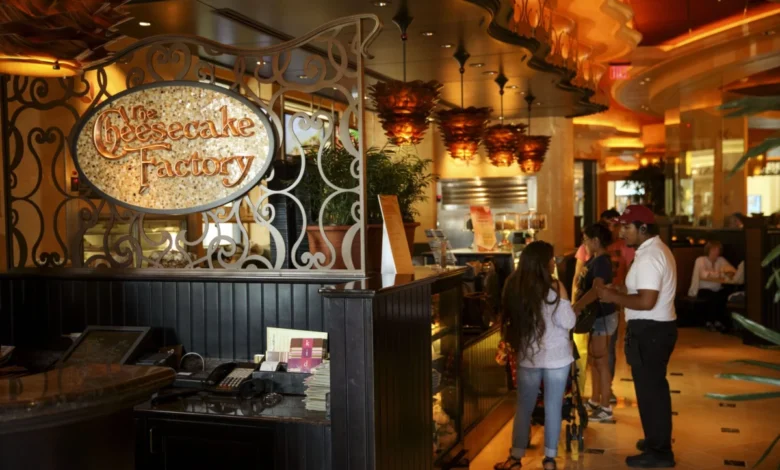
The Cheesecake Factory, a titan of the American casual dining sector, found itself thrust into the center of a national political debate this week following remarks made by former President Barack Obama. During a campaign rally in Ohio, the former president characterized the aesthetic of the White House under the current administration by suggesting it resembled a facility designed by Saddam Hussein that had been converted into a Cheesecake Factory, citing an excess of gold decor.
This comparison prompted a swift response from former President Donald Trump and an subsequent campaign of social media engagement from the White House, which utilized artificial intelligence to generate imagery mocking the comparison. Rick McCormack, the chain’s former vice president of design, addressed the discourse by expressing concern over the trivialization of national issues in favor of sound-bite-driven political conflict.
From an analytical perspective, the brand remains a resilient fixture in the American culinary landscape. Despite the negative attention, financial data from Morningstar indicates that The Cheesecake Factory remains one of the highest-performing stocks in the restaurant sector. The company currently operates over 200 locations nationwide, and its business model—characterized by a massive, maximalist menu and highly recognizable, opulent decor—appears largely insulated from the temporary volatility caused by political association.
Ecological and Political Tensions in the Alaskan Salmon Industry
In Alaska, the intersection of environmental policy and electoral politics has reached a critical juncture, with the health of the salmon population serving as the primary issue for the state’s midterms. The decline of king and chum salmon runs has reached a level that observers describe as an ecological and economic crisis.
The issue is deeply personal for many Alaskans, for whom fishing is both a primary industry and a cultural necessity. Democratic candidate Mary Peltola has centered her campaign on the slogan "Fish, Family, Freedom," emphasizing the urgency of the situation. The debate is largely focused on the practice of "trawling," an industrial fishing method that utilizes large nets. Critics argue that this practice is responsible for the incidental capture and destruction of millions of salmon, which are subsequently discarded. While climate change is frequently cited by scientific experts as a contributing factor to the collapse, local activists and fishing advocates are increasingly focusing on regulatory changes to industrial fishing as a more immediate lever for potential recovery.
Consolidation in the Delivery Sector: The DoorDash-Instacart Acquisition
In a move that signals a massive shift in the logistical landscape of American consumerism, DoorDash has announced its intention to acquire Instacart in a transaction valued at $17 billion. This merger represents the consolidation of two of the most dominant forces in the delivery market: DoorDash, which controls a significant portion of the restaurant delivery sector, and Instacart, which serves as a primary intermediary for grocery retail.
The implications for the market are substantial. By integrating these two platforms, the combined entity will exert unprecedented control over the end-to-end delivery ecosystem, from prepared meals to household groceries. Industry analysts are currently observing how this deal will fare under the Federal Trade Commission (FTC). While previous administrations have historically scrutinized such large-scale horizontal integrations for anti-competitive risks, the current regulatory climate has demonstrated a higher threshold for such mergers. If finalized, this acquisition could fundamentally alter how retail and food service businesses interact with their customers, potentially centralizing delivery infrastructure into a single, dominant platform.
Broader Culinary Developments and Trends
Beyond the major headlines, the hospitality sector continues to evolve through the integration of high-end dining into non-traditional spaces. The Lucas Museum of Narrative Art in Los Angeles has launched the Skywalker Grill, which has rapidly become a notable table in the city’s competitive dining scene. The success of this restaurant is attributed to a combination of a highly accessible menu—a deviation from the exclusionary pricing often associated with high-profile museum dining—and the unique prestige of its location.
Meanwhile, in Washington D.C., the local food scene is bracing for a public vote on a proposed ban on foie gras. This initiative has drawn the participation of prominent culinary figures, including Chef José Andrés, who has publicly voiced opposition to the ban. Andrés argues that the singular focus on foie gras distracts from more systemic issues within the American food supply chain, such as the treatment of livestock in industrial farming and, more importantly, the ongoing crisis of child hunger. This debate reflects a broader movement within the culinary industry to address ethics in food production while balancing the practical needs of the population.
Conclusion and Future Implications
The events of the past week demonstrate that the culinary industry is no longer siloed from the broader geopolitical and economic environment. Whether it is a small bar in Massachusetts failing due to a social media backlash, or a multi-billion-dollar delivery merger reshaping the retail sector, businesses are operating in an increasingly transparent and volatile ecosystem.
The persistence of The Cheesecake Factory’s stock performance despite its role as a political punchline, the existential threat to Alaskan salmon, and the ongoing debate over the ethics of luxury food products like foie gras, all point to a common theme: the public’s relationship with food is becoming increasingly tied to its values, its political allegiances, and its digital experiences. As these trends continue, stakeholders—from small business owners to corporate executives—must navigate a landscape where consumer loyalty is increasingly contingent on a brand’s ability to withstand both economic shifts and the unforgiving nature of the public discourse. The coming months will likely see further regulatory scrutiny on delivery giants and continued pressure on policymakers to address the ecological crises affecting food security, marking a pivotal period for the future of the American food economy.