Disney Experiences implements strategic layoffs impacting Imagineering and development divisions in major corporate restructuring effort

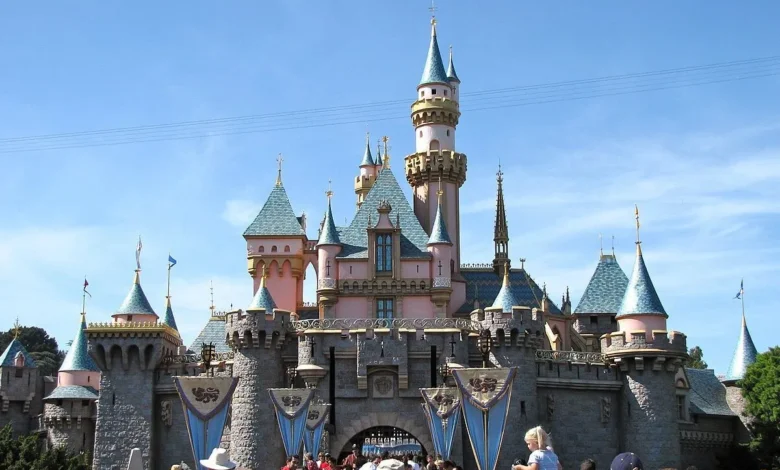
The Walt Disney Company has initiated a fresh round of workforce reductions within its theme park and consumer products division, with sources familiar with the matter indicating that between 100 and 200 employees have been laid off. The cuts, which primarily affect the legendary Walt Disney Imagineering unit, represent a significant recalibration of the company’s internal resources as it navigates a shifting landscape in the global travel and entertainment sectors. This latest organizational adjustment follows a broader trend of cost-optimization strategies implemented by the entertainment giant over the past two fiscal years, aimed at streamlining operations and enhancing profitability within its high-margin parks and experiences business.
Contextualizing the Workforce Reduction
Walt Disney Imagineering serves as the creative engine for the company’s global footprint, responsible for the design, engineering, and development of theme park attractions, immersive lands, and complex entertainment technologies. For decades, the division has been viewed as the "secret sauce" behind the success of the Disney parks brand. However, the decision to trim the workforce in this specific department suggests a strategic shift in how the company approaches new project development.
Industry analysts observe that this reduction is not occurring in a vacuum. Since the post-pandemic recovery phase, Disney has been under intense pressure from shareholders to demonstrate fiscal discipline. By curbing headcount in the development arms of its Experiences division, leadership appears to be prioritizing the completion of existing high-value projects over experimental or long-lead speculative ventures. The layoffs reflect a corporate pivot toward maximizing operational efficiency in existing parks rather than embarking on a rapid expansion cycle that characterized previous decades of Imagineering output.
Chronology of Recent Corporate Restructuring
The current layoffs serve as the latest chapter in a multi-year effort to restructure the Walt Disney Company under the leadership of CEO Bob Iger and the broader executive team. To understand the gravity of this move, one must look at the timeline of the company’s recent cost-saving initiatives:
- Early 2023: Disney announced a major restructuring plan targeting approximately 7,000 job cuts across the entire company, aimed at saving $5.5 billion in costs. This period marked the beginning of a shift away from decentralized decision-making toward more centralized control.
- Late 2023: The company continued to prune its headcount in administrative and support roles as part of the broader $7.5 billion cost-cutting target established by Iger’s management team.
- Mid-2024: Focus shifted toward the Disney Experiences division, as park attendance growth rates began to normalize following the post-pandemic "revenge travel" boom.
- October 2026: The current workforce reduction of 100 to 200 staff members in the Imagineering and development sectors is finalized, marking a targeted reduction in the creative and technical talent pool.
This sequence of events demonstrates a deliberate effort by the company to align its labor costs with the fluctuating revenue streams of the parks business, which has faced headwinds from cooling consumer demand in domestic markets and high inflationary pressures on operational overhead.
Supporting Data and Financial Performance
To comprehend why Disney would trim its creative ranks, one must examine the performance metrics of the Parks, Experiences, and Products segment. In recent earnings reports, Disney has highlighted the success of its domestic parks, yet has simultaneously warned of a "moderation" in consumer spending.
Data from the fiscal year 2025 and early 2026 indicates that while total revenue remains robust, the growth rate in operating income for the parks segment has decelerated. The cost of labor remains the single largest expense for the company. When combined with the capital-intensive nature of building new attractions—such as those at Walt Disney World and Disneyland—it becomes clear that management is seeking to balance capital expenditure with tighter operational expenditure.
Furthermore, industry benchmarks suggest that large-scale theme park operators are currently pivoting toward "capital-light" growth strategies. Instead of building entirely new parks, companies like Disney are prioritizing the expansion of existing IP, such as the Frozen and Zootopia themed areas, which offer higher returns on investment and lower development risks compared to original concept creation. This trend inherently requires fewer creative staff and more operational management, which may explain the focus of the current layoffs.

Official Responses and Corporate Stance
The Walt Disney Company has remained relatively guarded regarding the specifics of the current reduction. A standard corporate response typically emphasizes that such decisions are made to ensure the long-term sustainability of the organization. While no formal statement has been issued detailing the exact rationale behind these specific 100 to 200 roles, company leadership has consistently communicated a "disciplined approach" to capital allocation in recent investor calls.
Internally, employees have been informed that these changes are necessary to maintain the competitive edge of the Disney brand in an increasingly crowded entertainment market. The company has focused on transitioning toward more agile project teams, which often involves outsourcing specialized technical tasks rather than maintaining large in-house departments for every stage of attraction development.
Broader Impact and Industry Implications
The ripple effects of this move are likely to be felt across the theme park design industry. Walt Disney Imagineering has historically been a talent incubator, with many designers, engineers, and project managers eventually moving to smaller firms or competing parks. A reduction in the size of this team could lead to a temporary contraction in the volume of original intellectual property being developed for the parks.
From an investor perspective, these layoffs are viewed as a positive signal of management’s commitment to margin expansion. In the current economic climate, where consumer discretionary spending is sensitive to interest rates and household income, Wall Street has largely rewarded companies that demonstrate the ability to maintain profitability through headcount management.
However, there is a risk associated with this strategy. By reducing the number of creative professionals, Disney potentially limits its ability to innovate rapidly. In an industry where guest loyalty is predicated on the constant introduction of "new" and "magical" experiences, the long-term risk of a smaller creative team is that the pace of innovation may stall. Competitors such as Universal Destinations & Experiences are currently engaged in significant capital investment—most notably the upcoming opening of Epic Universe—which puts pressure on Disney to remain at the forefront of attraction technology.
Analysis: The Future of Disney’s Creative Engine
The shift in staffing strategy represents a broader transformation of the Walt Disney Company from a legacy entertainment firm into a modern, data-driven media conglomerate. The reliance on legacy talent, while essential to the company’s identity, is being balanced against the need for technological efficiency.
The integration of artificial intelligence and digital design tools into the attraction development pipeline is another factor that may be facilitating these reductions. As design processes become more automated and project management software becomes more efficient, the need for large teams to coordinate complex engineering tasks is theoretically diminished.
Ultimately, the layoffs at Disney are symptomatic of a mature company attempting to balance its rich creative history with the harsh realities of a modern, volatile global economy. As the company looks toward the next five years, its success will depend on its ability to prove that it can continue to produce world-class experiences with a leaner, more focused creative force. Whether this reduction in force will hinder the company’s long-term creative output or successfully streamline its path to profitability remains a central question for industry stakeholders and Disney fans alike. The outcome of this restructuring will likely serve as a case study for how legacy media and entertainment brands manage the delicate trade-off between creative heritage and fiscal responsibility in an era of digital disruption.