U.S. Passport Stalls at 10th Place on Henley Index, Reflecting Broader Global Mobility Shift

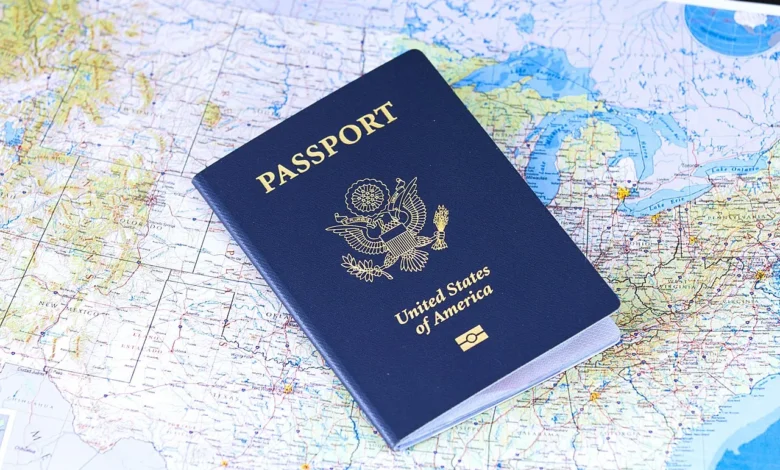
The U.S. passport has maintained its position at 10th place in the latest rankings of the Henley Passport Index, a prominent global measure of passport strength based on the number of destinations holders can visit visa-free. This static placement, despite a slight increase in visa-free access, continues a longer-term trend of declining relative mobility power for the United States, reflecting significant shifts in the global geopolitical and economic landscape.
According to the most recent update from Henley & Partners, the U.S. passport offers visa-free access to 180 destinations. While this represents a marginal improvement of one additional destination compared to its January standing, the U.S. continues to trail a substantial number of countries, with 36 nations collectively holding higher ranks due to multiple countries often sharing a single numerical position. This consistent 10th-place ranking follows a notable dip last October when the U.S. passport fell to 12th place, marking its lowest position in the index’s two-decade history. The index’s compilers describe this trajectory as indicative of "a longer-term shift in mobility power away from the traditional transatlantic leaders," a trend that also encompasses the United Kingdom, which has seen its ranking decline from third place to sixth over the same 20-year period. The ability to travel visa-free to a wide array of destinations is no longer merely a convenience; it is increasingly recognized as a powerful economic tool that can drive growth, foster international cooperation, and attract foreign investment.
Understanding the Henley Passport Index
The Henley Passport Index, compiled by Henley & Partners, a global leader in residence and citizenship by investment, in collaboration with the International Air Transport Association (IATA), is widely regarded as the most authoritative ranking of all the world’s passports. It assesses how many countries and territories passport holders can access without requiring a visa in advance, or by obtaining a visa on arrival, a visitor’s permit, or an electronic travel authority (ETA). The index’s methodology is rigorous, drawing on exclusive data from IATA, which maintains the world’s largest and most accurate database of travel information. Updated quarterly, the index provides a dynamic snapshot of global mobility, reflecting the ever-changing landscape of international relations, diplomatic agreements, and geopolitical shifts.
Established two decades ago, the Henley Passport Index was created to offer a comprehensive tool for global citizens and governments alike to understand the evolving nature of international travel freedom. Its significance extends beyond mere travel convenience; it serves as a robust indicator of a nation’s soft power, its economic openness, its diplomatic standing, and the quality of its international relationships. A high-ranking passport signifies a country’s strong diplomatic ties, its economic influence, and the trust it garners on the global stage, allowing its citizens greater access to markets, educational opportunities, and cultural exchange.
A Chronology of Decline: The U.S. Passport’s Trajectory
For much of the Henley Passport Index’s history, the United States consistently held a position among the top five, frequently sharing the top spot with nations like Germany, the United Kingdom, and Japan. This reflected America’s formidable economic and diplomatic influence in the post-Cold War era. However, the past decade has witnessed a gradual erosion of this preeminent standing.
- Early 2000s to Mid-2010s: The U.S. passport typically ranked within the top 3, often offering visa-free access to well over 170 destinations, frequently vying with European counterparts and Japan for the top spot. Its global reach was expansive, testament to its extensive network of diplomatic relations and economic partnerships.
- Post-2016 Shift: A noticeable plateauing, followed by a slight decline, began to manifest. While the number of visa-free destinations continued to grow incrementally, other nations, particularly in Asia and Europe, began to outpace the U.S. in securing new visa-waiver agreements.
- October 2023 Low: The descent to 12th place in October 2023 was a particularly stark moment, marking the lowest point for the U.S. passport in the index’s 20-year history. This underscored that the U.S. was not simply stagnating but was actively being overtaken by a growing number of countries. At that point, it offered visa-free access to 179 destinations.
- Current Standing (10th Place): While a slight recovery to 10th place and an increase to 180 visa-free destinations might appear positive, it remains within the context of a sustained downward trend relative to global leaders. The U.S. passport is now significantly behind the top-ranked countries, which offer access to 193-194 destinations.
This trajectory can be attributed to several factors. Post-9/11 security measures led to increased scrutiny and more complex visa processes globally, which, while affecting all nations, may have influenced the pace at which the U.S. engaged in reciprocal visa-waiver agreements compared to other states. Furthermore, the U.S.’s focus on certain geopolitical priorities and its often stringent visa policies for citizens of other nations might have inadvertently limited its own citizens’ mobility in a global landscape increasingly prioritizing reciprocity.
The Broader "Transatlantic Shift": The UK’s Parallel Experience
The Henley Passport Index’s analysis explicitly links the U.S.’s performance to a broader trend impacting traditional transatlantic leaders, with the United Kingdom serving as another prominent example. The UK passport, once a consistent top-tier performer, has experienced an even more dramatic relative decline.
- Early 2000s: The UK passport was a consistent fixture in the top 3, offering unparalleled global access, largely due to its historical Commonwealth ties and, crucially, its membership in the European Union.
- Post-Brexit Impact: The decision to leave the European Union profoundly impacted the UK’s mobility power. While the immediate number of visa-free destinations did not drastically plummet, the automatic freedom of movement across the EU’s 27 member states for UK citizens was revoked. This necessitated new bilateral agreements and introduced complexities that other EU member states did not face. The UK’s ability to easily attract talent and conduct business within its largest trading bloc was altered.
- Current Standing: The UK now ranks 6th, a significant drop from its historical position. While still a powerful passport, its relative decline underscores how geopolitical decisions and shifts in alliances can directly translate into changes in global mobility. The UK’s experience highlights that diplomatic isolation or reduced integration into major economic blocs can diminish passport strength.
This shared trajectory for the U.S. and UK suggests a systemic shift, where the dominance of established Western powers in global mobility is being challenged by new forces.
The Rise of Asian Powers and European Dominance
The current leaders of the Henley Passport Index paint a clear picture of where global mobility power resides today. As of the latest update, an unprecedented six countries share the top spot, offering visa-free access to a remarkable 194 destinations. These nations are:
- Singapore
- Japan
- France
- Germany
- Italy
- Spain
These countries consistently occupy the apex of the rankings, showcasing a robust blend of strong economies, stable diplomatic relations, and active engagement in securing and expanding visa-waiver agreements.
- Asian Dominance (Japan & Singapore): For several years, Japan and Singapore have frequently held the top or near-top positions. Their economic dynamism, proactive foreign policy, and strategic geographic locations have enabled them to forge extensive visa-free agreements across Asia, Europe, and the Americas. Their citizens are highly valued for tourism and business, leading to favorable reciprocal arrangements.
- European Strength (France, Germany, Italy, Spain): The collective strength of European Union passports is undeniable. Membership in the EU grants automatic freedom of movement across the Schengen Area, a vast region comprising 27 European countries. Beyond Schengen, EU member states often collaborate on foreign policy and visa reciprocity, leveraging their collective diplomatic weight to secure broad global access. Their stable democratic institutions, strong economies, and central role in global trade and diplomacy contribute significantly to their passports’ strength.
These leading nations represent models of proactive diplomacy and economic integration that directly translate into enhanced global mobility for their citizens. Their strategies often involve negotiating comprehensive bilateral agreements, participating in multilateral visa facilitation programs, and fostering an environment of trust and cooperation with a wide array of international partners.
Factors Influencing Passport Strength
The strength of a nation’s passport is not arbitrary; it is the culmination of various interconnected factors that reflect a country’s standing and interactions on the global stage:
- Geopolitical Stability and Relations: Countries with stable political environments and robust, friendly diplomatic relations with a wide range of nations are more likely to secure visa-free access for their citizens. Trust and mutual respect are foundational to such agreements.
- Economic Clout and Trade Agreements: Strong, diversified economies are powerful incentives for other nations to grant visa-free access. Countries seeking foreign investment, tourism, or business partnerships often prioritize easing entry for citizens of economically influential nations. Major trade blocs and agreements (like the EU, ASEAN) inherently boost mobility within and sometimes beyond their member states.
- Security and Rule of Law: Nations with strong internal security, effective border controls, and robust legal frameworks are often viewed as less of a security risk by potential host countries. This trust facilitates visa-free arrangements, as there is less concern about illegal immigration or security threats.
- Reciprocity in Visa Policy: Many visa-waiver programs are based on the principle of reciprocity. If a country imposes strict visa requirements on another nation’s citizens, it is less likely to receive visa-free access in return. Nations that maintain more open and facilitative visa policies often find similar treatment for their own citizens.
- International Cooperation and Membership in Blocs: Membership in international organizations, regional blocs (like the EU or ECOWAS), and participation in multilateral agreements (e.g., free trade agreements, security pacts) often lead to enhanced mobility for citizens of member states.
- Soft Power and Cultural Influence: A nation’s cultural appeal, tourism draw, and perceived positive image on the global stage can also indirectly contribute to its passport strength by fostering a willingness among other nations to welcome its citizens.
Implications of Shifting Mobility Power
The ongoing shifts in global mobility, as highlighted by the Henley Passport Index, carry profound implications across economic, geopolitical, and individual dimensions.
Economic Implications:
As stated by Henley & Partners, a strong passport is a "powerful economic tool."
- Facilitating Trade and Business: Easier travel reduces the time, cost, and administrative burden for business travelers, fostering international trade, investment, and cross-border collaborations. Companies from nations with strong passports can more readily explore new markets, attend conferences, and establish international partnerships.
- Boosting Tourism: Visa-free access is a significant driver of inbound tourism. Countries that offer extensive visa-free entry attract more tourists, leading to increased revenue for their hospitality sectors, job creation, and economic growth. Conversely, nations whose citizens require visas for many destinations may face higher travel costs, potentially deterring tourism and business travel.
- Attracting Foreign Investment and Talent: A strong passport can enhance a country’s appeal as a destination for foreign direct investment. Investors and entrepreneurs often prefer to establish operations in countries whose citizens can travel easily for business. Furthermore, it aids in attracting and retaining global talent, as highly skilled individuals often seek the freedom and convenience that a strong passport offers for their personal and professional lives.
Geopolitical and Diplomatic Implications:
- Soft Power and Influence: Passport strength is a tangible manifestation of a nation’s soft power. A country whose citizens are welcomed globally reflects its positive international standing, diplomatic influence, and the trust it commands. A declining ranking can signal a reduction in diplomatic leverage or a perception of increased risk.
- Reciprocity in International Relations: Visa policies are often a key component of bilateral relations. Nations may use visa restrictions as a diplomatic tool or, conversely, offer visa-free access as a gesture of goodwill and a means to strengthen ties. Shifts in passport strength can therefore indicate evolving diplomatic priorities and relationships.
- Multipolar World Order: The rise of Asian and certain European passports to the top, while traditional transatlantic powers like the U.S. and UK see their relative positions decline, underscores the ongoing shift towards a more multipolar global order. Economic and diplomatic influence is becoming more diffused, with emerging powers asserting greater presence on the world stage.
Individual Implications:
- Freedom and Opportunity: For individuals, a strong passport translates directly into enhanced personal freedom, convenience, and opportunity. It allows for spontaneous travel, easier access to international education, broader employment prospects, and greater flexibility in managing personal and professional lives across borders.
- Identity and Pride: The strength of one’s national passport can also be a source of national pride and identity. It signifies a level of global acceptance and connectivity that can enhance a citizen’s sense of belonging in the international community.
Expert Commentary and Future Outlook
While Henley & Partners’ official statements emphasize the factual rankings, their commentary consistently points to the broader significance of these shifts. Christian H. Kälin, Chairman of Henley & Partners, has frequently remarked on how the index highlights "the ever-increasing importance of visa-free access and the value of a strong passport as a conduit to global opportunity and prosperity." The firm’s analysis often underscores that governments are increasingly recognizing that "passport power is not just about tourism; it’s about opening doors to economic growth, diplomatic ties, and human development."
For the U.S., remaining at 10th place, even with a slight increase in visa-free destinations, signals a need for strategic introspection. Analysts suggest that for the U.S. to regain ground or prevent further relative decline, proactive diplomatic efforts may be required to negotiate new reciprocal visa-waiver agreements. This might involve re-evaluating existing visa policies, particularly those that are perceived as overly restrictive by potential partner nations, or engaging more vigorously in multilateral frameworks that facilitate international travel.
The future of global mobility is dynamic, influenced by a complex interplay of geopolitical events, economic trends, technological advancements, and public health crises. The rise of new economic powerhouses, the evolving landscape of international security, and the ongoing push for greater global interconnectedness will continue to shape the Henley Passport Index. For the U.S. and other nations, maintaining or enhancing passport strength will depend on their ability to adapt to these changes, forge new alliances, and foster an environment of openness and cooperation in an increasingly interconnected yet competitive world. The U.S. passport’s current standing serves as a critical indicator of its evolving role and influence in this intricate global tapestry.