The Rise of Cannabis Tourism: How Legalization Sparked a Global Travel Phenomenon

The global landscape of travel and hospitality is undergoing a quiet yet profound transformation, driven by shifting legal frameworks surrounding cannabis across North America and beyond. What was once an underground subculture confined to clandestine markets has rapidly emerged into a legitimate, multi-billion-dollar economic sector: cannabis tourism. As more jurisdictions move to legalize the plant for medicinal and recreational use, an innovative class of entrepreneurs is redefining what it means to be a modern tourist, merging agricultural education, cultural exploration, and local economic revitalization.
From the rugged coastlines of Northern California to the alpine vistas of Colorado and the cosmopolitan hubs of Canada, cannabis-focused travel operators are meeting an unprecedented demand from curious consumers. This booming industry is not merely about facilitating consumption; rather, it represents a complex ecosystem of agricultural tourism, regulatory navigation, and community-driven economic growth that is reshaping traditional tourism markets.
The Evolution of a Grassroots Industry
The genesis of modern cannabis tourism can be traced back to shifting legislative tides, most notably when Colorado and Washington became the first U.S. states to legalize recreational cannabis for adults in November 2012. This monumental policy shift broke a decades-long paradigm, creating a legal vacuum that enterprising individuals were quick to fill.
Among them was Matt Kurth, a former whitewater river guide who spent a decade navigating turbulent rapids before recognizing an impending cultural and economic wave. Anticipating the widespread legalization of cannabis, Kurth realized his innate talent for guiding could be merged with his lifelong passion for the plant. In 2015, he launched Humboldt Cannabis Tours in California’s Humboldt County, a region renowned as one of the largest cannabis-producing areas in the United States, playing host to an estimated 15,000 cultivation sites annually.
Kurth’s venture was emblematic of a broader regional shift. Without the legalization of recreational cannabis in California, operators like Kurth acknowledge that their businesses would remain severely restricted, handcuffed to a limited medical patient base. Instead, the expansion of legal frameworks has acted as a catalyst, empowering tour operators to bring both seasoned enthusiasts and bewildered novices face-to-face with the agricultural backbone of the industry.
The macroeconomic indicators supporting this trend are staggering. According to data compiled in the Marijuana Business Factbook, the economic impact of legal cannabis in the United States was projected to surge by more than 220 percent between 2017 and 2022. This financial explosion has naturally bled into the hospitality sector. In Colorado, where recreational sales commenced in 2014, cannabis-related tourism witnessed a meteoric rise of over 50 percent within its first few years. State Department of Revenue figures revealed that the Centennial State welcomed approximately 6.5 million cannabis tourists in 2016 alone—a remarkable statistic given that the state’s official tourism department largely abstains from marketing the product due to ongoing federal prohibitions.
International developments have further accelerated this momentum. In October 2018, Canada made history by becoming the second country in the world, following Uruguay, to legalize recreational cannabis nationwide. Simultaneously, Mexico’s Supreme Court took decisive constitutional steps toward dismantling its own prohibition laws, signaling a continental shift toward normalization.
Navigating Regulatory Labyrinths and Overcoming Stigma
Despite the lucrative projections, establishing and scaling a cannabis tourism enterprise is fraught with complex regulatory hurdles and deeply entrenched societal stigmas. Entrepreneurs in this space must constantly negotiate a patchwork of conflicting local, state, and federal laws.
For Stacie Johnson, co-owner of Blazing Trails, a cannabis tour operator based in Bend, Oregon, the foremost challenge has been dismantling what she terms the "reefer madness stigma." Educating the public requires dismantling decades of ingrained misinformation regarding consumer safety, agricultural practices, and the historical context of the plant. Johnson relies heavily on contemporary academic research to ease the anxieties of skeptical prospective travelers.
Administrative friction has proven equally daunting. When Matt Kurth sought to establish Humboldt Cannabis Tours, he spent more than two years locked in negotiations with a deeply skeptical Humboldt County government before securing a basic business license. Local authorities, much like the broader public, tended to proceed with extreme caution when confronted with an entirely novel business model. Ironically, just three months after successfully lobbying for and obtaining his operational license, local regulations shifted, rendering specific permits unnecessary for his classification of business.
In Canada, operators face a different kind of regulatory maze. Matt Cronin, CEO and co-founder of Canada High Tours, points out that cannabis laws differ drastically across municipal and provincial jurisdictions. To maintain operational viability, Cronin’s company strategically targets urban centers where outdoor cannabis consumption aligns harmoniously with existing regulations governing cigarette smoking in public spaces. This strategic maneuvering allows the company to bypass the unpredictable and often restrictive licensing requirements associated with private cannabis consumption lounges.
Agriculture, Sustainability, and the Farm-to-Table Experience
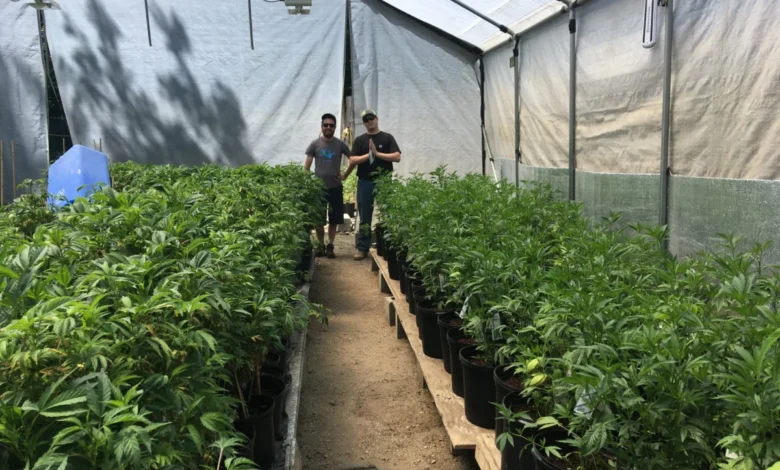
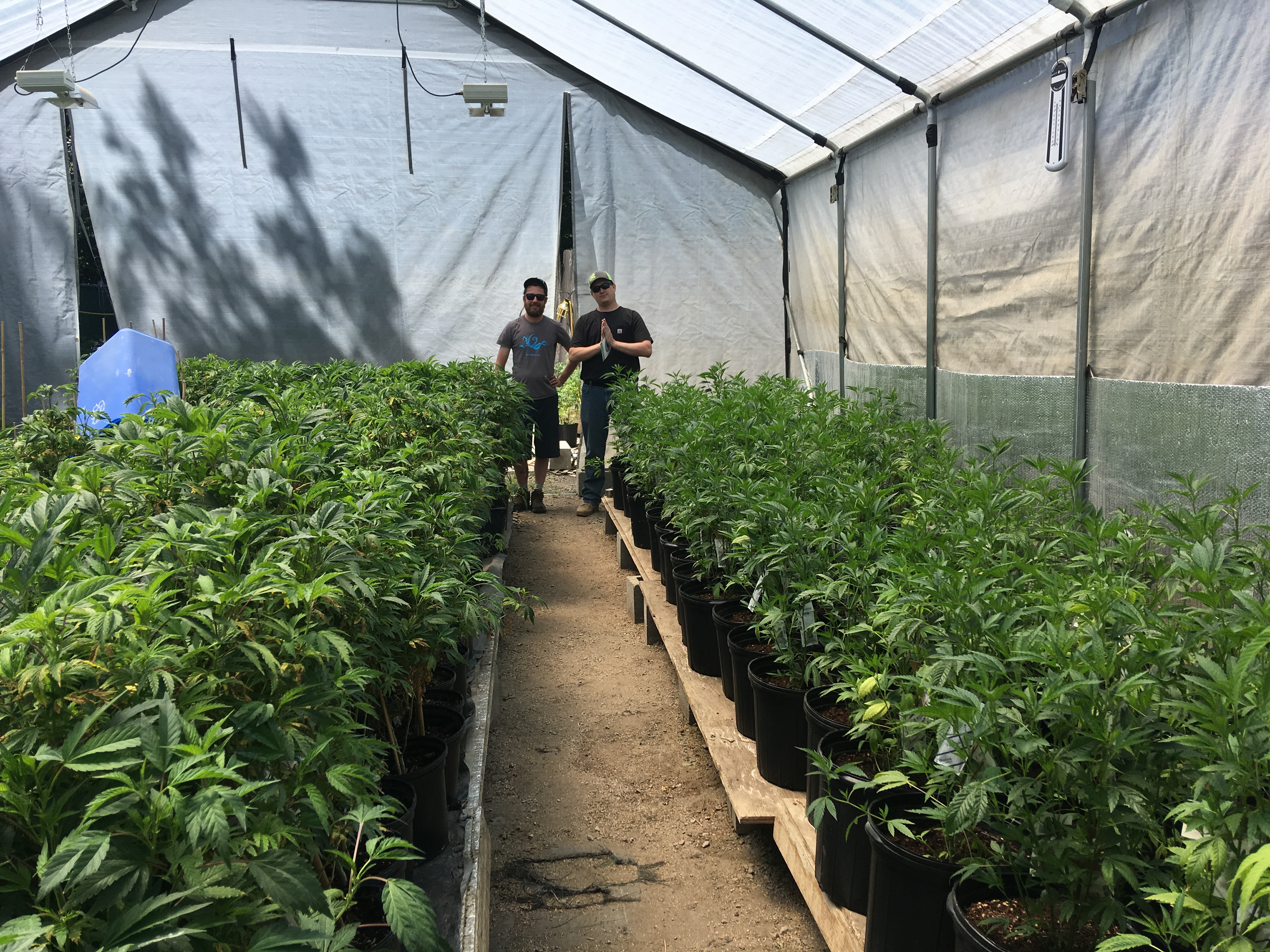
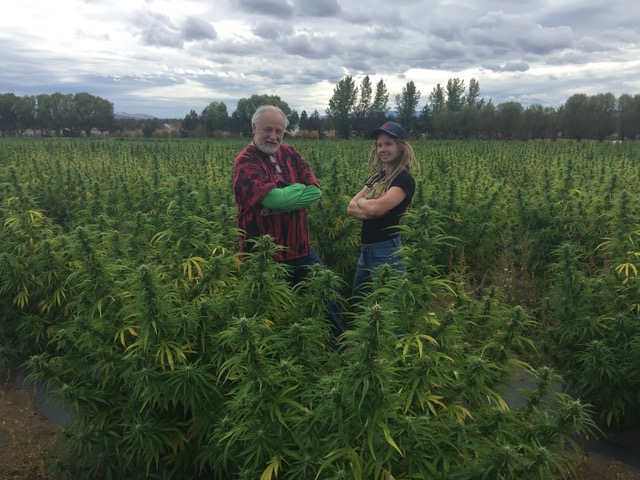
Far from the stereotypical portrayals of hedonistic excess, modern cannabis tours are heavily rooted in agricultural education and environmental sustainability. Forward-thinking operators are keen to correct public misconceptions about how the plant is cultivated, actively steering clients away from industrial indoor grow operations and toward sun-grown, environmentally conscious farms.
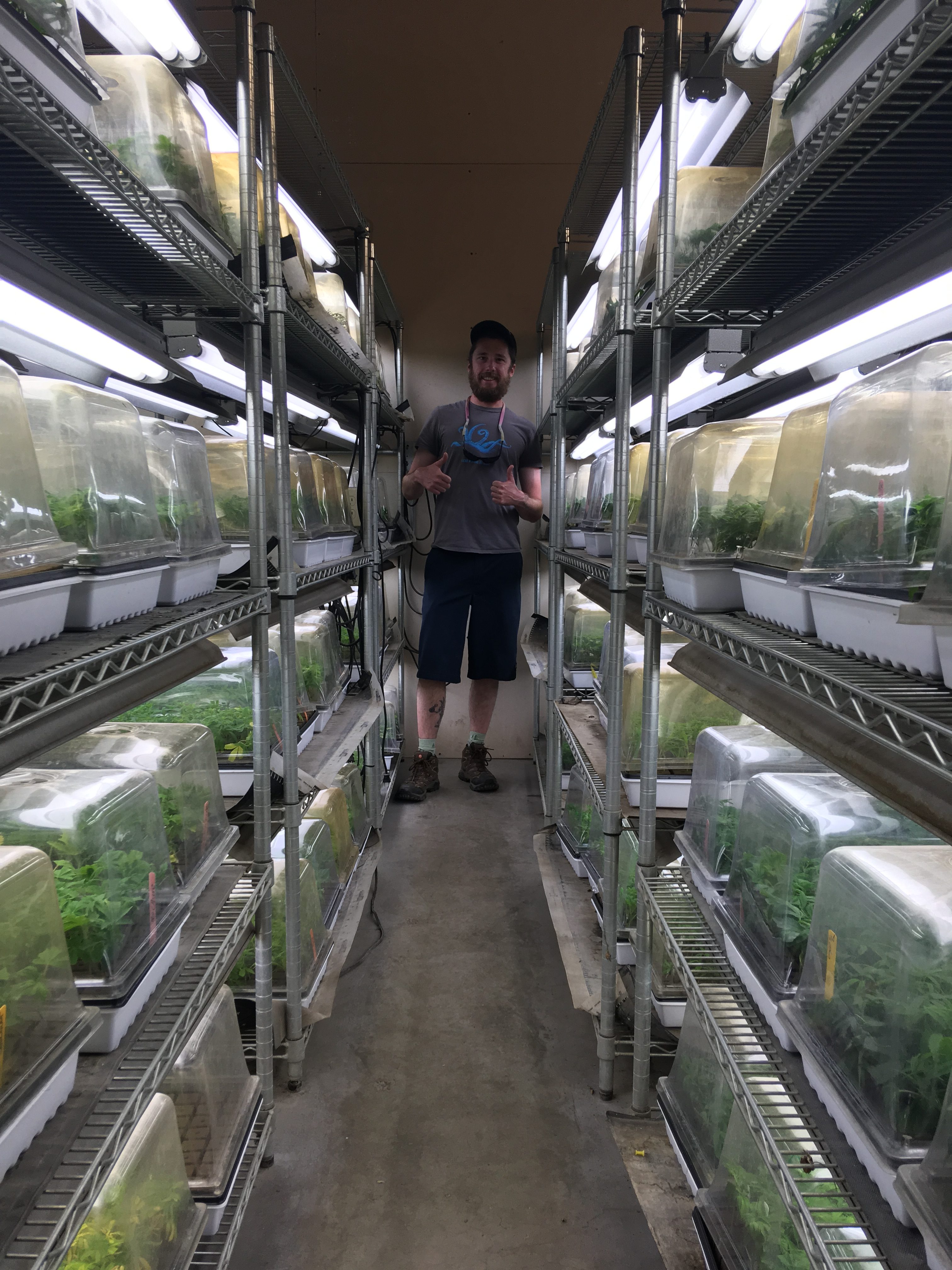
Kurth is a vocal advocate for outdoor, sun-grown cannabis, emphasizing the immense carbon footprint associated with indoor cultivation facilities. "It takes so much energy to grow weed indoors and it doesn’t even turn out that good," Kurth notes, highlighting farms that eschew heavy chemical fertilizers, excessive water usage, and petroleum-based plastics in favor of regenerative agriculture.
Furthermore, cannabis tourism generates a powerful multiplier effect within local economies. Kurth estimates that for every dollar brought directly into his business in Humboldt County, an additional seven dollars ripple outward into the surrounding community, supporting collateral industries such as independent lodging, local dining establishments, and transport services. This economic injection has provided a vital lifeline for Northern California communities historically dependent on volatile industries like logging and commercial fishing.
Redefining the Tourist Experience: Culture, Education, and Inclusion
A common misconception among outsiders is that cannabis tours function primarily as mobile consumption parties. In reality, strict legal frameworks heavily regulate where and how participants can consume cannabis. In jurisdictions like Oregon, state law strictly prohibits lighting up inside tour vehicles or in general public spaces. Instead, responsible operators focus on cultural immersion, botanical education, and historical context.
Gene Grozovsky, manager of Los Angeles-based Green Tours, is quick to clarify that his clientele—which largely comprises well-educated professionals between the ages of 30 and 75, including doctors and lawyers—are not merely young adults looking to catch a buzz. Rather, they are curious consumers eager to learn about the myriad industrial uses of hemp, the historical trajectory of Los Angeles counterculture, and the intricacies of modern cultivation. Green Tours takes participants through expansive agricultural facilities and massive, state-of-the-art dispensaries, emphasizing that their product is fundamentally an educational cultural tour.
Hospitality brands are capitalizing on this demand without actively promoting illicit public consumption. The Jupiter Hotel in Portland, Oregon, designed a wildly successful "420 package" featuring an "Everything But the Weed Kit," which includes a high-end vaporizer, a grinder, and promotional discounts for nearby licensed dispensaries. Katie Watkins, the hotel’s community manager, notes that the package has become their all-time best-selling promotion, frequently attracting guests from non-legalized states who are eager to safely explore the culture of a progressive urban center.
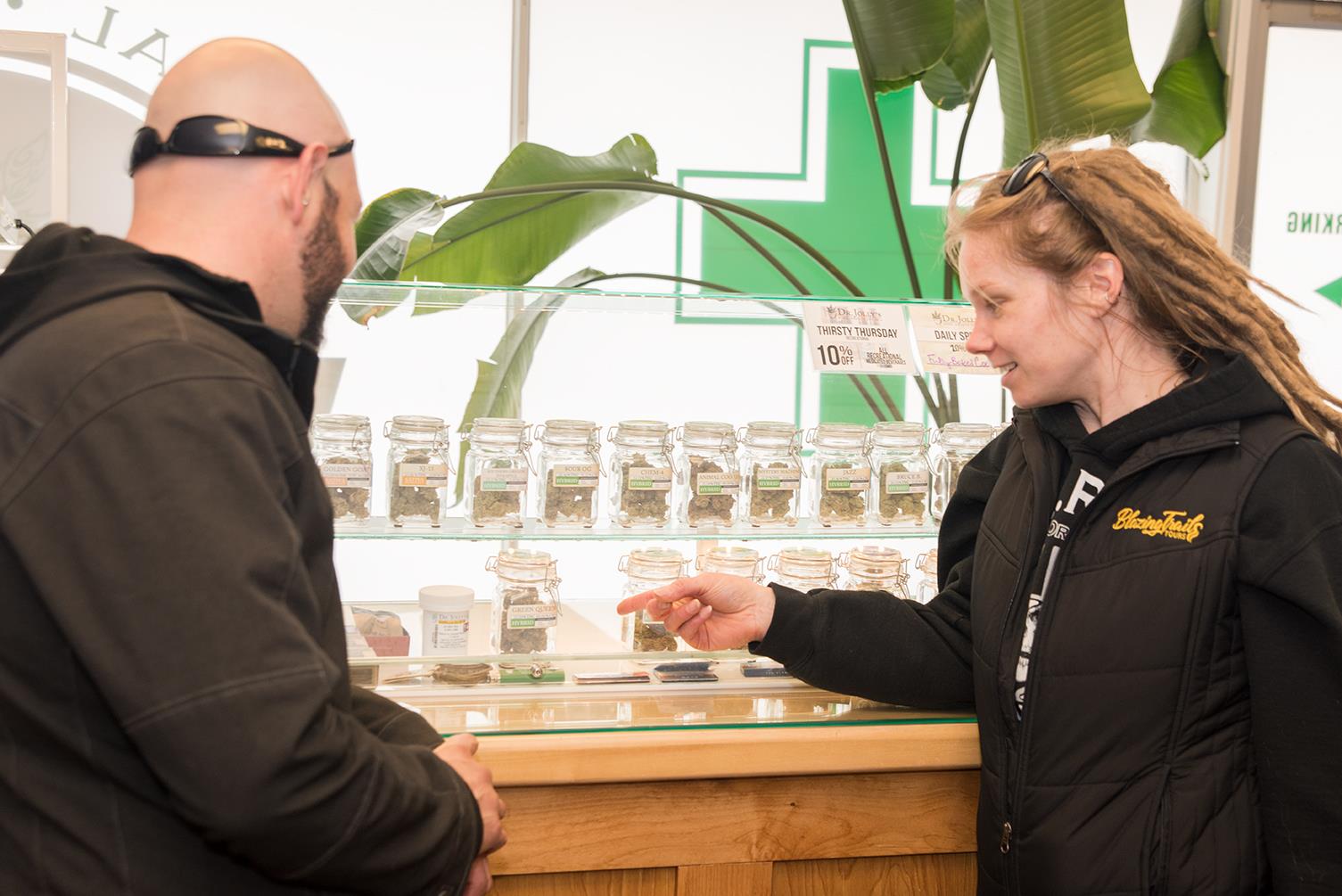
Tailoring these experiences requires an acute understanding of diverse consumer expectations. Operators like Stacie Johnson initiate the planning process by surveying participants regarding their specific interests and knowledge gaps, ensuring that itineraries cater to both absolute beginners and seasoned connoisseurs. Similarly, Matt Cronin focuses on lowering the barrier to entry for first-time visitors, guiding nervous consumers through their initial dispensary purchase with patience and expertise.
The Future Landscape of Cannabis Tourism
As the social acceptance of cannabis broadens, destination marketing organizations (DMOs) are slowly warming up to the immense economic potential of the sector. While early ventures faced active hostility from local tourism bureaus—such as the initial resistance encountered by Humboldt Cannabis Tours—many municipalities have performed complete reversals. Today, entities like Visit Bend actively drive traffic to local operators, recognizing that cannabis tourism acts as a powerful anchor for regional economic diversification.
Demographically, the industry appeals to a remarkably broad cross-section of society. Operators report hosting travelers from nearly every U.S. state alongside international visitors from the United Kingdom, Germany, Singapore, and Canada, underscoring the universal appeal of botanical tourism.
Looking forward, industry insiders believe that federal legalization in the United States is merely a matter of time. Proponents draw parallels to the repeal of alcohol prohibition in 1934, arguing that once a critical mass of states establishes legal frameworks, the federal government will be compelled to align its policies with state realities. With over thirty states having enacted comprehensive cannabis laws in some capacity, the momentum appears unstoppable.
As the legal walls surrounding cannabis continue to crumble, cannabis tourism stands poised to transition from a burgeoning niche market into a permanent, highly sophisticated pillar of the global travel and hospitality industry. Through a steadfast commitment to sustainability, rigorous education, and community integration, cannabis tour operators have successfully planted the seeds for a thriving, legitimate future.
Related posts: