Navigating the Subcontinent: How Women-Centric Expeditions Are Reshaping Solo Travel in India

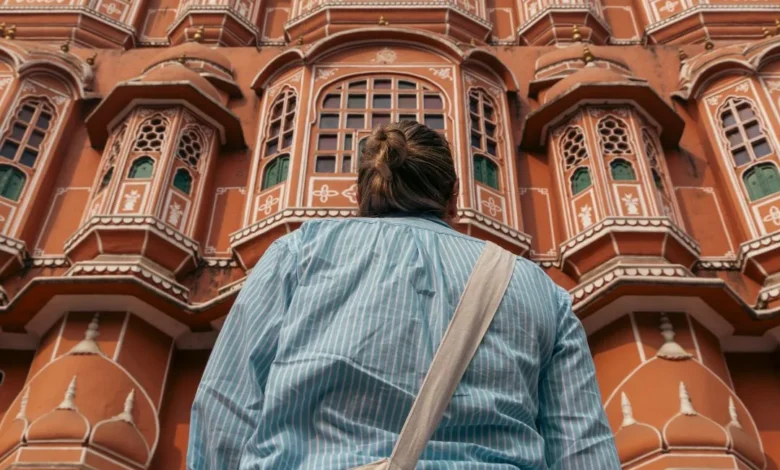
The evolution of international tourism has increasingly highlighted specialized itineraries designed to address the unique logistical and psychological challenges faced by independent travelers. Among these, women-only group expeditions have emerged as a prominent sector within adventure tourism, offering a structured approach to exploring complex destinations. A case study in this operational model is observed through Intrepid Travel’s Women’s Expeditions in India, specifically across the culturally dense region of Rajasthan. For many travelers, such as Liz, a Seattle-based professional who recently documented her fortnight-long journey, the transition from meticulous pre-trip research to boots-on-the-ground reality underscores the value of localized mentorship and structured group dynamics in managing profound culture shock.
Main Facts of the Expedition Model
The expedition framework relies heavily on local leadership to bridge cultural, linguistic, and logistical divides that frequently deter independent travelers. According to industry data, India remains a top-tier bucket-list destination for global travelers, yet it consistently ranks high in perceived complexity regarding safety, navigation, and health protocols.
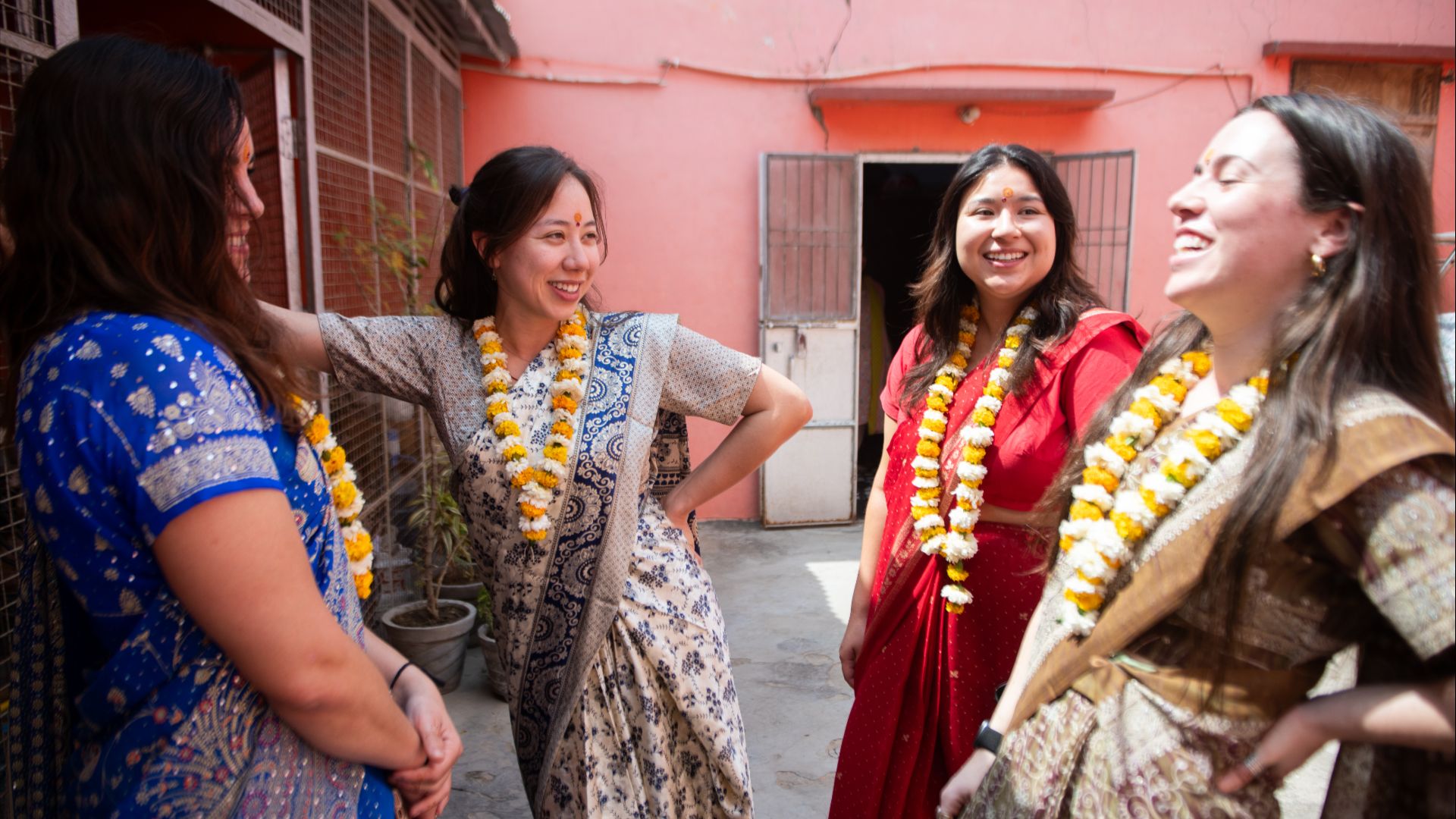
During her journey, which coincided with the peak celebrations of Diwali—India’s grandest festival of lights—Liz and her cohort of nine travelers were guided by Parul, a seasoned local leader. Operating as a nexus between the travelers and the unfamiliar environment, Parul’s responsibilities extended far beyond traditional itinerary management. She functioned as an ad-hoc cultural decoder, linguistic translator, dietary safeguard, and negotiation coach.
The structural advantages of this model directly address the psychological barriers reported by solo female travelers. Market surveys from adventure travel organizations indicate that safety concerns and the apprehension of navigating chaotic transit hubs are primary deterrents for women considering independent trips to South Asia. By embedding local experts who understand both regional nuances and international expectations, these expeditions seek to dismantle generalized anxieties through controlled immersion.
Chronology and Arrival Realities
The operational timeline of the expedition highlights the progressive adaptation required when entering a mega-city like Delhi, home to an estimated 35.5 million residents.

Phase One: Arrival and Sensory Overload (Days 1–3)
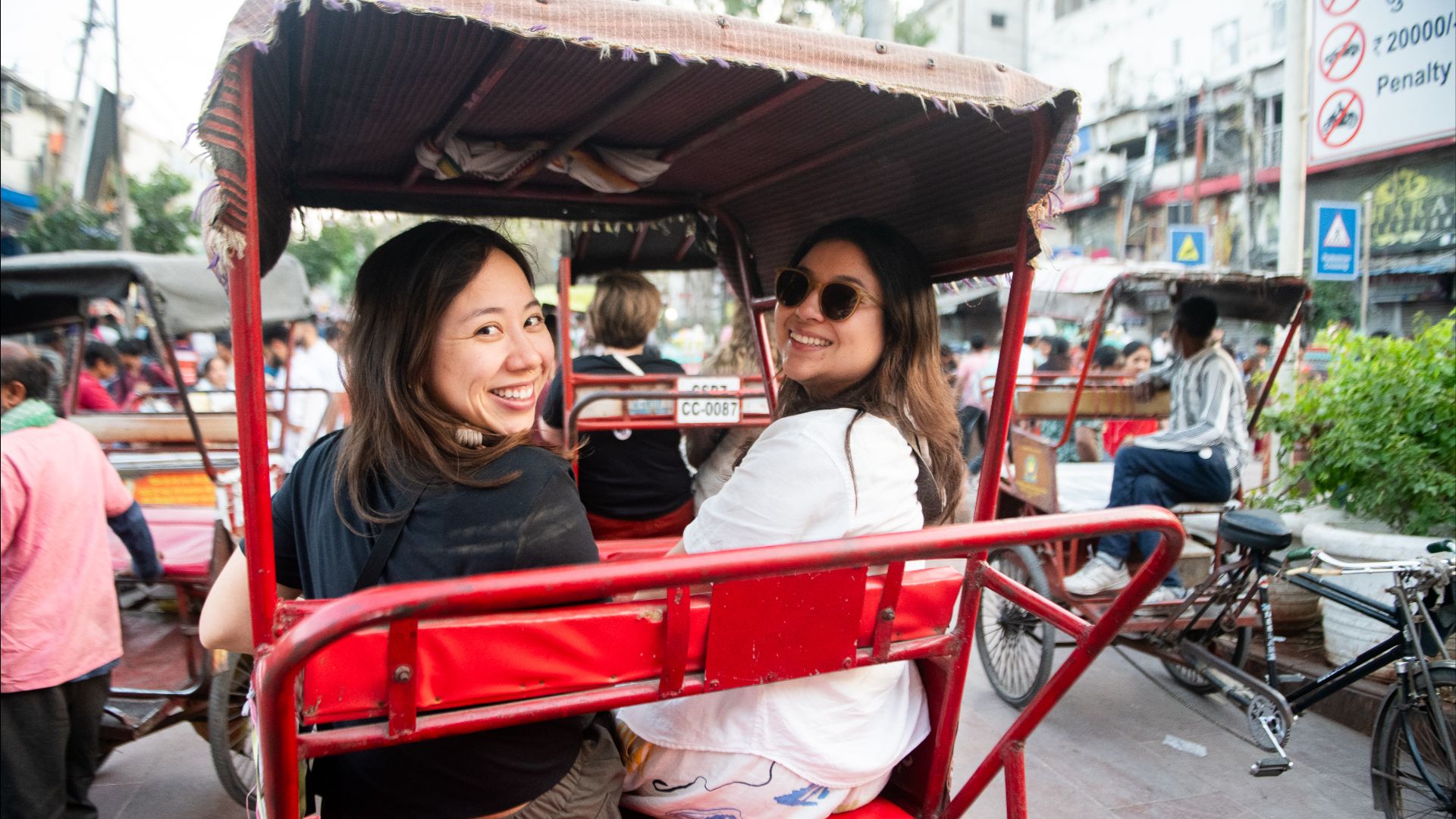
Landing in Delhi late at night during the pre-Diwali surge exposed the travelers to immediate sensory immersion. The initial orientation meeting revealed a common trend among first-time arrivals: several participants had remained confined to their hotel rooms, paralyzed by uncertainty regarding basic tasks such as hailing safe transport, adhering to modest dress codes, and identifying restricted zones. The presence of a local guide immediately mitigated this hesitation, facilitating initial excursions via cycle rickshaws and walking tours through bustling markets.
Phase Two: Regional Transit and Cultural Integration (Days 4–10)
Transitioning from the capital into the heart of Rajasthan, the itinerary incorporated multi-modal transport, including local trains, 4WD vehicles, and traditional rickshaws. This phase emphasized experiential learning, moving beyond standard sightseeing to include regional cooking workshops, textile appreciation, and visits to heritage properties. Notably, the timing during Diwali necessitated real-time itinerary adjustments due to major street closures and heavy pedestrian congestion, illustrating the necessity of local crisis management and schedule flexibility.
Phase Three: Remote Immersion and Departure (Days 11–15)
The journey concluded with rural and desert experiences, including open-air camping in the Thar Desert and urban explorations in Jaipur, Jodhpur, and Agra. This gradual scaling from hyper-dense urban centers to remote landscapes allowed travelers to build confidence progressively, culminating in independent navigation skills within controlled parameters.
Supporting Data and Demographic Shifts in Travel
The demand for women-only travel is part of a broader macroeconomic shift within the global tourism industry. According to data compiled by various travel trade associations, female demographic segments currently account for over 60 percent of all independent and group travel bookings globally. Furthermore, interest in women-centric group tours has risen by an estimated 230 percent over the past five years.
This surge is particularly pronounced in destinations traditionally viewed as high-friction for solo female travelers. Industry analysts attribute this growth to several factors:
- Risk Mitigation: Traveling within a vetted group structure minimizes vulnerability to petty crime, scams, and systemic harassment.
- Empowerment Through Education: Guided tours increasingly incorporate educational components addressing local gender dynamics, economic empowerment, and historical context.
- Economic Impact: Women’s expeditions frequently partner with women-led social enterprises, artisan collectives, and cooperative ventures, directly channeling tourist expenditure into local female economies.
Official Perspectives and Local Insights
The operational philosophy of these expeditions hinges on the expertise and perspective of local leaders who serve as cultural ambassadors. Parul, the trip leader in Rajasthan, notes that international media portrayals often skew global perceptions regarding safety and female independence in India.
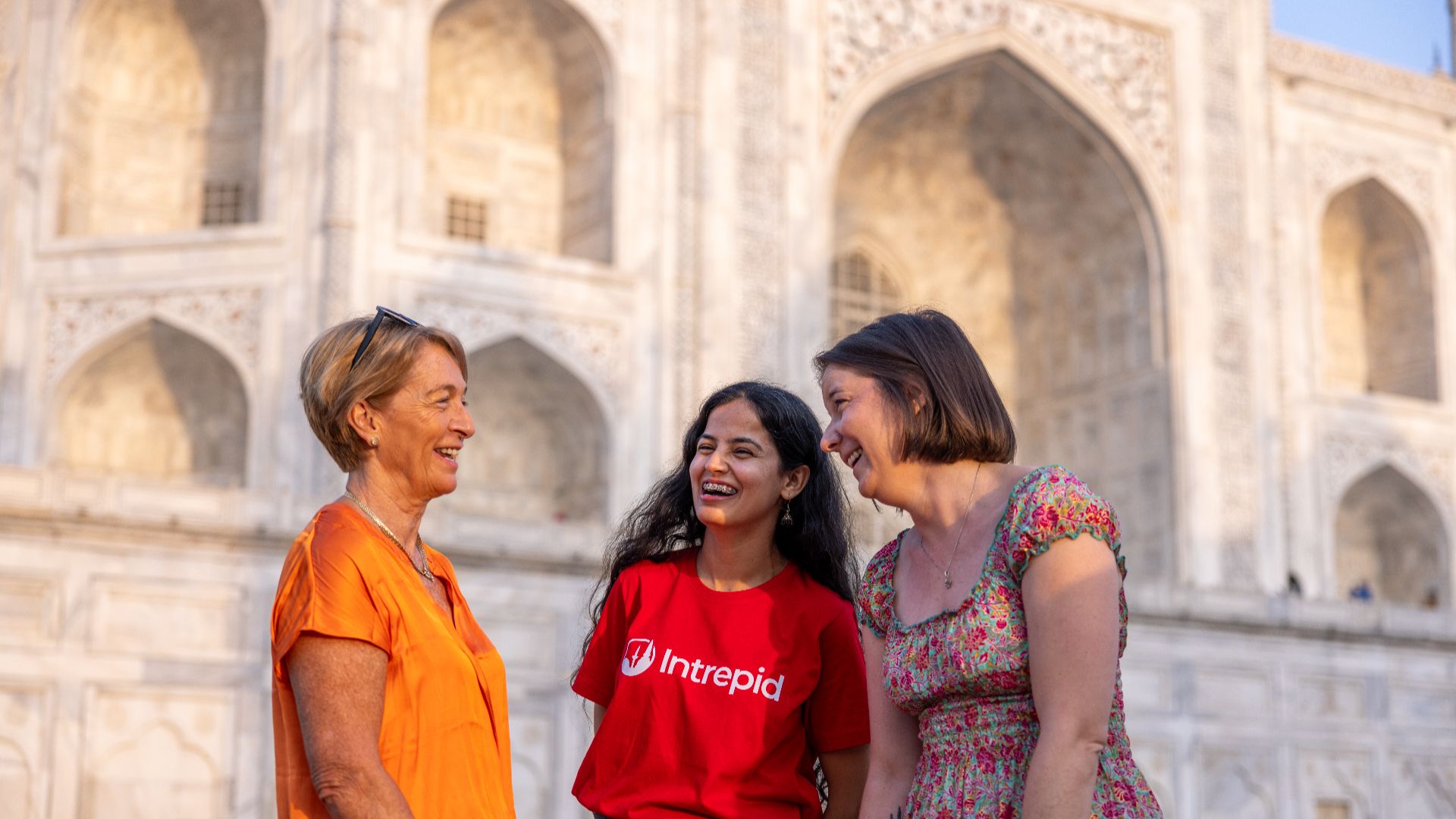
"India has genuine safety concerns, just like many countries, but international media sometimes creates the impression that women cannot travel independently here," Parul explains. "I feel so privileged to share Indian culture, and I’ve heard many times from travelers how their perspective changes after visiting. Helping shift people’s perception of my country is an honor."
According to local tourism boards, bridging the gap between foreign expectations and domestic realities requires proactive communication. Guides are trained to address delicate topics—such as the widespread cultural phenomenon of staring and unsolicited photography requests—not as acts of hostility, but as expressions of curiosity in regions with lower volumes of Western tourists. By providing clear boundaries and intervention protocols, leaders empower travelers to manage these interactions without compromising their comfort or safety.
Broader Impact and Implications for the Tourism Sector
The success of specialized itineraries in complex destinations like India signals a broader evolution in how tour operators design products for modern consumers. Rather than offering passive sightseeing, the contemporary adventure market demands active engagement, psychological safety, and authentic cultural exchange.

For destinations, these programs promote sustainable tourism by distributing economic benefits beyond traditional luxury corridors into grassroots communities and women-operated enterprises. For travelers, the acquisition of practical skills—ranging from market bargaining and linguistic basics to public transit navigation—fosters long-term travel confidence that extends far beyond the duration of a single guided itinerary.
Ultimately, the empirical takeaway from structured expeditions in South Asia is that while the destination remains vast, dynamic, and frequently overwhelming, the presence of knowledgeable local facilitation transforms potential apprehension into a manageable, highly educational cross-cultural exchange.
Related posts: