The Rise of Cannabis Tourism: How Legalization is Transforming Global Travel and Local Economies

The global tourism landscape is undergoing a profound structural transformation, driven largely by the progressive legalization of recreational and medicinal cannabis across North America and international markets. What was once an underground subculture operating entirely on the margins of society has rapidly evolved into a sophisticated, highly regulated, and lucrative sector of the global travel industry. Entrepreneurs, local economies, and adventurous travelers are embracing cannabis tourism not merely as an avenue for consumption, but as an immersive cultural, educational, and economic enterprise.
As regulatory frameworks continue to expand, this emerging market is reshaping traditional hospitality, sparking economic multipliers in rural and urban communities alike, and redefining the relationship between agriculture, tourism, and legislation.
The Genesis of a Modern Travel Sector
The roots of contemporary cannabis tourism can be traced back to a confluence of shifting public attitudes and historic legislative milestones. For decades, the cannabis industry operated under the heavy shadow of prohibition, plagued by the stigma of the war on drugs. However, a major cultural pivot occurred in November 2012, when voters in Colorado and Washington state approved landmark ballot measures legalizing recreational cannabis for adults. This monumental shift broke the ice, creating a precedent that other jurisdictions would eventually follow.
Following Colorado’s lead, the legislative dominoes began to fall. By the late 2010s, recreational cannabis was legal in a growing number of U.S. states and the District of Columbia. Internationally, the movement gained tremendous momentum. In October 2018, Canada made history by becoming the second country in the world—following Uruguay—to legalize cannabis for recreational use nationwide. Simultaneously, judicial rulings in countries like Mexico began laying the groundwork for broader decriminalization and commercialization across Latin America.
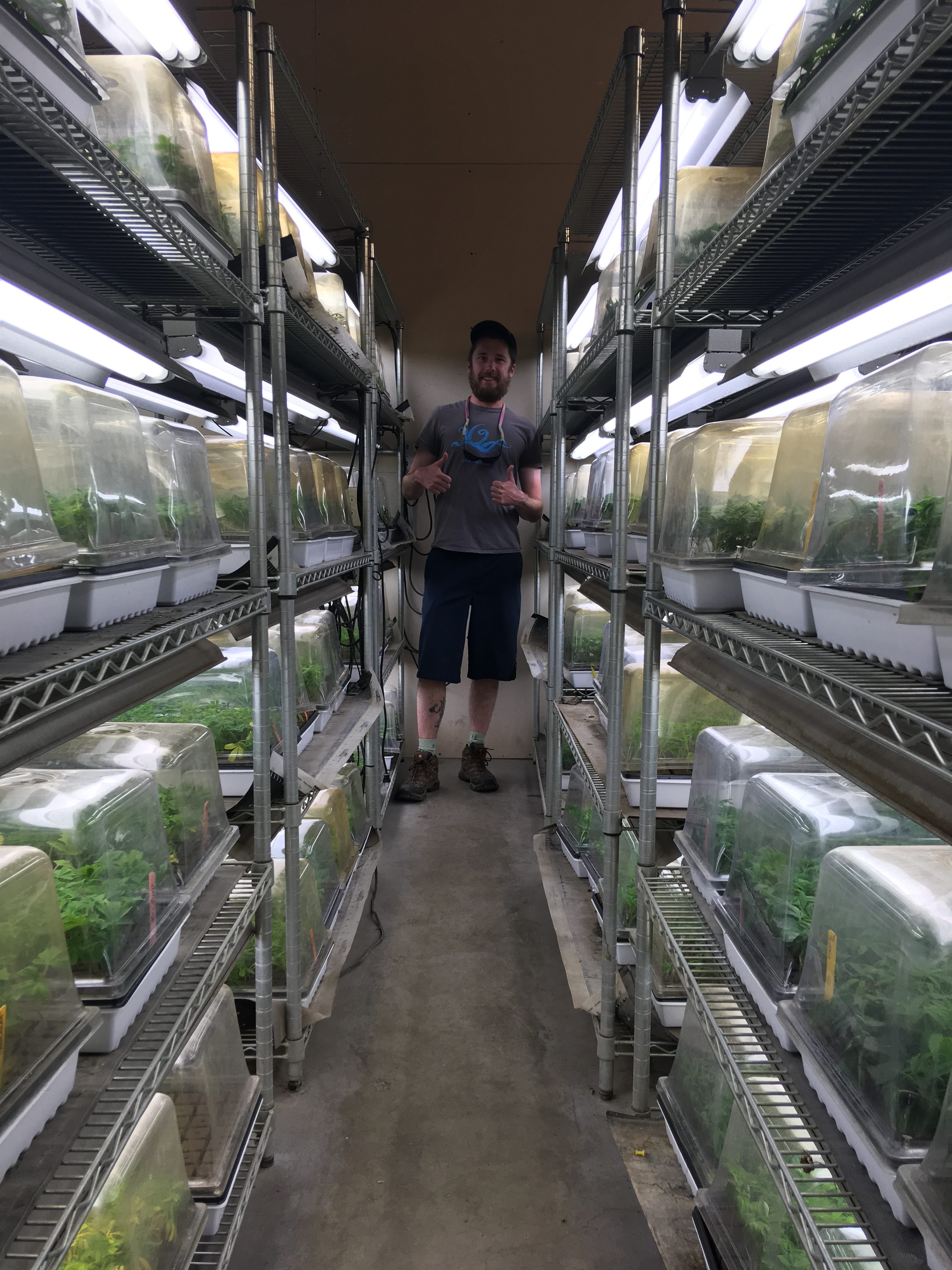
These legislative victories served as the catalyst for innovators like Matt Kurth, a former whitewater river guide who recognized that a major cultural shift was on the horizon. Anticipating widespread legalization, Kurth combined his professional guiding experience with his personal passion for the plant, launching Humboldt Cannabis Tours in 2015. Operating out of Humboldt County, California—historically renowned for its rich agricultural heritage and up to 15,000 annual cultivation sites—Kurth’s venture introduced enthusiasts and novices alike to the heart of America’s legendary weed-growing region.
Economic Impact and Multiplier Effects
The economic implications of the cannabis tourism boom are staggering. According to projections from the Marijuana Business Factbook, the economic impact of legal cannabis was slated to jump by an unprecedented 223% between 2017 and 2022. In Colorado alone, cannabis tourism surged by more than 50% following 2014, with the Centennial State welcoming roughly 6.5 million cannabis tourists in 2016, according to data from the Colorado Department of Revenue. This growth occurred despite the state tourism department’s inability to officially market the product due to ongoing federal prohibition.
The financial benefits of these operations extend far beyond direct sales at dispensaries, rippling deeply through host communities. Industry operators frequently cite the powerful economic multiplier effect generated by cannabis-focused travel. Kurth notes that for every dollar brought directly into Humboldt County through his tours, an estimated seven additional dollars circulate through the local economy. This influx of capital has thrown a vital lifeline to rural communities historically reliant on declining industries such as logging and fishing.
Furthermore, the mainstreaming of cannabis has breathed new life into traditional hospitality sectors. Hotels, restaurants, and ancillary service providers that do not touch the plant directly are reaping the rewards of increased visitor foot traffic. A prime example is the Jupiter Hotel in Portland, Oregon, which introduced a specialized "420 package" featuring an "Everything But the Weed Kit"—complete with a vape kit, grinder, and local dispensary discounts. The package quickly became the best-selling promotion in the hotel’s history, demonstrating sustained consumer demand for cannabis-friendly travel accommodations.
Navigating Regulations and Overcoming Stigma
Despite the explosive growth and promising economic forecasts, cannabis tour operators face a labyrinth of complex, fragmented, and frequently changing regulations. Because cannabis laws vary vastly by country, state, county, and municipality, building a scalable tourism business requires meticulous planning and strategic positioning.
For instance, Canada High Tours, co-founded by CEO Matt Cronin, intentionally designs its itineraries to operate in practical, legally secure environments. The company targets cities and provinces where outdoor cannabis consumption aligns harmoniously with pre-existing smoke-free tobacco laws, thereby avoiding the regulatory hurdles and inconsistent municipal rules associated with indoor cannabis consumption lounges.
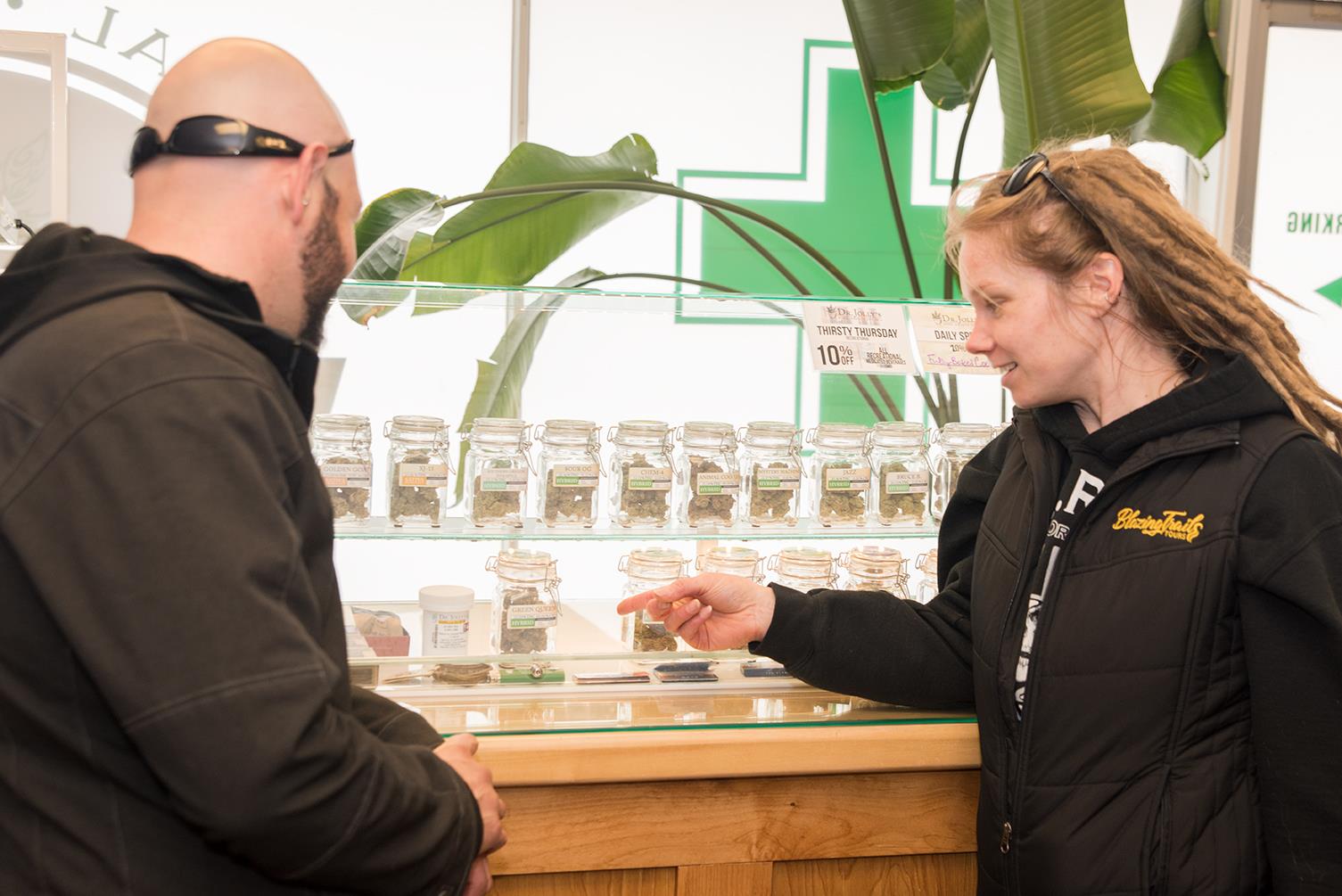
In the United States, operators must also contend with lingering cultural resistance and bureaucratic red tape. Stacie Johnson, co-owner of Blazing Trails in Bend, Oregon, points out that the single greatest challenge in the early days of operation was breaking down the deeply ingrained barriers of "reefer madness" stigma. Similarly, Matt Kurth spent over two years navigating local skepticism before securing a business license from a cautious Humboldt County government that was initially hesitant to embrace the concept.
To mitigate these challenges, successful operators emphasize transparency, community engagement, and formal compliance. Many tour companies maintain strict adherence to local laws—such as prohibiting consumption inside tour vehicles or in unauthorized public spaces—while directing guests to private properties where consumption is legally permissible with owner consent.
Education, Sustainability, and the Diverse Demographics of Travelers
A widespread misconception among critics is that cannabis tourism caters exclusively to young adults seeking casual intoxication. In reality, modern cannabis tours are designed primarily as cultural, historical, and agricultural educational experiences.
Managers like Gene Grozovsky of Los Angeles-based Green Tours emphasize that their typical clientele consists of well-educated adults ranging from 30 to 75 years old, including professionals such as doctors and lawyers. These travelers are often deeply curious about the multifaceted uses of hemp, the intricacies of sustainable farming practices, and the socio-economic evolution of cannabis legislation. Similarly, Stacie Johnson notes that Blazing Trails attracts tourists from roughly two-thirds of U.S. states and numerous international countries, including the United Kingdom, Germany, Singapore, and Canada.
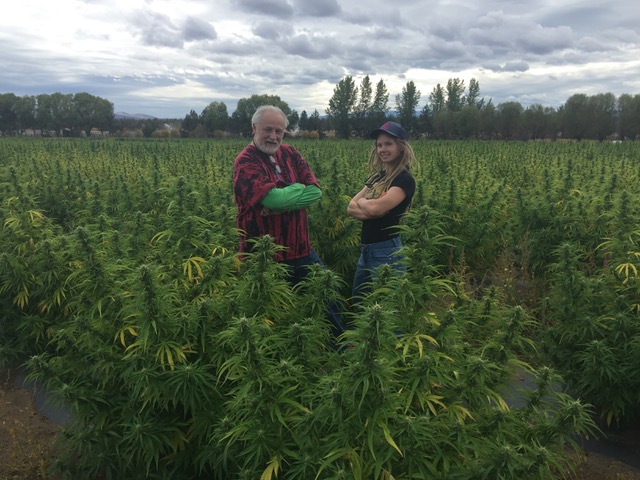
Sustainability has also emerged as a core pillar of modern cannabis tourism. Tour operators frequently take clients to boutique, environmentally conscious farms that shun heavy industrial footprints. Many Humboldt County producers, for instance, utilize advanced regenerative agricultural techniques that minimize water, chemical, and fossil fuel consumption. By championing outdoor, sun-grown cannabis over energy-intensive indoor cultivation, tour operators actively work to dispel environmental myths and promote ecological stewardship within the industry.
The Future of Federal Legalization and the Travel Industry
As destination marketing organizations (DMOs) gradually transition from hesitation to active collaboration—evidenced by local tourism boards partnering with operators to promote educational segments—the future of cannabis tourism appears exceptionally bright.
Industry leaders are increasingly looking toward federal reform as the ultimate catalyst for the sector’s next phase of explosive growth. Proponents draw historical parallels to the repeal of alcohol prohibition in the United States. In 1934, when 37 states had legalized alcohol consumption, the federal government was forced to respond to the will of the populace. With a substantial majority of U.S. states currently maintaining legal frameworks for either medicinal or recreational cannabis, many industry insiders view federal legalization not as a matter of if, but when.
As regulatory barriers inevitably crumble and cultural acceptance deepens, cannabis tourism is poised to cement its status as a permanent, mainstream pillar of the global tourism economy. By wedding agriculture, education, and hospitality, the sector has proven that high times can translate into sustainable, long-term growth for communities worldwide.