Beyond the Lens: Navigating the Ethics of Indigenous Tourism in an Era of Digital Consumption

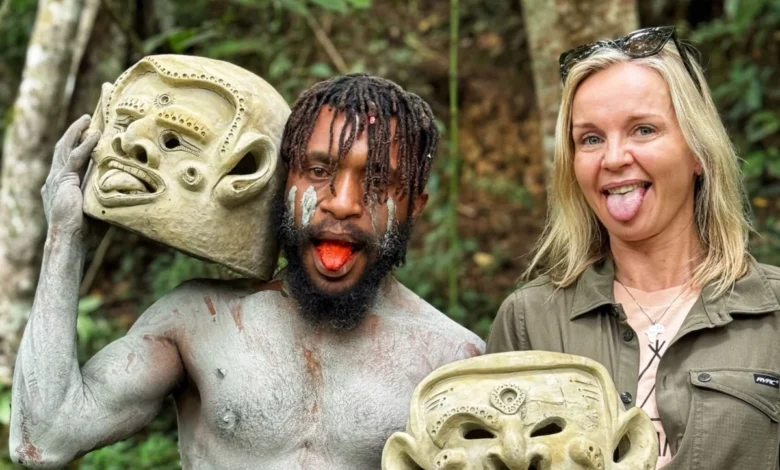
The intersection of global travel and digital content creation has sparked a critical debate regarding the representation and protection of Indigenous communities. Anniina Sandberg, a cultural anthropologist and the founder of Visit Natives, has emerged as a prominent voice in this discourse, highlighting the precarious balance between meaningful cultural exchange and the commodification of Indigenous lives for social media engagement. After documenting her time with the Hadzabe hunter-gatherers in Tanzania, Sandberg observed a disturbing trend in public reception: a significant portion of the audience viewed the community not as a complex society with ancient wisdom, but as a source of amusement or "exotic" entertainment. This realization has prompted a broader industry-wide examination of how the tourism sector interacts with the world’s most vulnerable cultures.
The Evolution of Indigenous-Led Tourism
Anniina Sandberg’s work is rooted in over two decades of immersion within Indigenous communities. Her professional journey as a cultural anthropologist has seen her live and work alongside the Maasai and Hadzabe in Tanzania, Sámi reindeer-herding families in Norway, Berber communities in the Atlas Mountains of Morocco, and various tribal groups in the highlands of Papua New Guinea. This extensive fieldwork laid the foundation for Visit Natives, a travel organization designed to bypass the traditional "spectator" model of tourism in favor of community-led, immersive experiences.
The rise of Indigenous tourism is not an isolated phenomenon. According to data from the World Tourism Organization (UNWTO), there has been a significant shift in traveler preferences over the last decade, with an increasing number of tourists seeking "authentic" and "transformative" experiences. However, Sandberg argues that this demand often leads to the creation of "tourism products" rather than genuine human connections. In many traditional models, Indigenous people are expected to perform their culture on a schedule that fits a tour operator’s itinerary—a practice that often flattens the depth of their daily lives into a series of photo opportunities.
The Social Media Paradox: Visibility vs. Vulnerability
While social media has the potential to provide Indigenous communities with a platform to share their own stories, Sandberg warns that it frequently serves as a tool for exploitation. In the current "attention economy," content creators often prioritize clicks and views over cultural sensitivity. This leads to the "sensationalization" of Indigenous traditions, where complex rituals or daily survival tasks are edited into bite-sized, entertaining clips that lack context.
“When we talk about sustainable tourism, we have focused on environmental issues and social issues, but we rarely talk about the impact of social media,” Sandberg noted in a recent assessment of the industry. She emphasizes that Indigenous people are often uniquely vulnerable in this digital landscape. The pressure to create "viral" content can lead travelers to ignore boundaries, resulting in the exoticization of people who may not fully grasp how their image will be disseminated across global platforms. This phenomenon contributes to the persistence of harmful stereotypes, portraying Indigenous groups as "primitive" or "frozen in time," rather than as modern people navigating the challenges of the 21st century.

Defining Meaningful Exchange: The Visit Natives Model
A central tenet of Sandberg’s philosophy is the distinction between convenience-based tourism and meaningful cultural exchange. Standard tourism is often characterized by brief, high-impact visits: travelers arrive, take photographs of a traditional dance or a hunting demonstration, and depart within a few hours. This "day trip" model forces Indigenous communities to adapt their rhythms to the visitor, often turning their culture into a staged performance.
In contrast, Visit Natives focuses on multi-day stays that lack a rigid itinerary. By living within the community—sharing meals, sleeping in traditional dwellings, and participating in the mundane tasks of daily life—travelers transition from being observers to being guests. Sandberg likens this to being invited into someone’s home. This approach allows for "natural encounters," where relationships are built over time and understanding is achieved through shared human experience rather than a curated presentation.
Supporting data suggests that longer-duration stays have a more positive economic and social impact. According to the Center for Responsible Travel (CREST), "slow travel" models ensure that a higher percentage of tourism revenue remains within the local community, as opposed to being absorbed by international agencies or urban-based tour operators.
The Complexity of Informed Consent in Remote Regions
One of the most pressing ethical hurdles in modern Indigenous tourism is the concept of informed consent. While many ethical travelers understand the necessity of asking permission before taking a photo, Sandberg argues that the "yes" received from a community member is not always truly "informed."
In many remote regions, there is a significant digital divide. Community members may not have access to the internet or an understanding of how social media algorithms work. They may not realize that a single photograph can be viewed by millions of people, used in advertisements, or subjected to derogatory comments in a digital space they cannot access or defend.
For Sandberg, true consent requires transparency and agency. It involves explaining the reach of digital media and ensuring that the community has the right to dictate how their likeness is used. This also extends to fair compensation; if an Indigenous person’s image is being used to generate profit or social capital for a content creator, there must be a reciprocal benefit for the subject of that content.

Industry Responsibility and the Need for a Code of Conduct
The responsibility for ethical engagement does not rest solely on the individual traveler. Sandberg calls for a standardized code of conduct within the tourism industry. Many Indigenous communities face systemic challenges, including land rights disputes, climate change impacts, and economic marginalization. These pressures can make communities vulnerable to predatory tourism practices that offer short-term financial gain at the cost of long-term cultural integrity.
Industry experts suggest that tourism operators must act as mediators and educators. This includes:
- Providing pre-trip orientations that educate travelers on the history and current struggles of the host community.
- Establishing clear guidelines on photography and social media usage.
- Ensuring that tourism initiatives are community-owned or community-led, allowing Indigenous leaders to set the terms of engagement.
The United Nations Declaration on the Rights of Indigenous Peoples (UNDRIP) emphasizes the right of Indigenous peoples to maintain, protect, and develop their cultural heritage and traditional knowledge. Ethical tourism must align with these rights, prioritizing the dignity and autonomy of the people over the desires of the traveler.
Broader Implications for Global Travel
The issues raised by Sandberg reflect a larger shift in the global travel industry. As of 2023, the global adventure tourism market—which often overlaps with Indigenous tourism—is projected to grow at a compound annual growth rate (CAGR) of over 15% through 2030. This rapid growth makes the establishment of ethical frameworks more urgent than ever.
The "Visit Natives" approach suggests that the future of travel lies in reciprocity. When tourism is conducted with respect, it can become a powerful tool for cultural preservation, providing the financial resources necessary for communities to maintain their traditional lifestyles while also educating the global public about the importance of cultural diversity.
However, the risk of "over-tourism" and digital exploitation remains high. In places like the Peruvian Andes or the Omo Valley in Ethiopia, the influx of "influencer" culture has already led to concerns about the degradation of local customs and the rise of a "begging economy" driven by photo payments.

Conclusion: The Human Core of Exploration
Ultimately, Anniina Sandberg’s work serves as a reminder that at the heart of every travel experience is a human being. She advocates for a return to the "core of humanity"—the simple act of spending time with one another without the mediation of a screen or the pressure of an itinerary.
Meaningful travel, according to Sandberg, is about viewing the world as a "rich mosaic of cultures, perspectives, and ways of life." It is an opportunity for profound learning that can only occur when travelers approach Indigenous communities with humility rather than a sense of entitlement. By prioritizing dignity, informed consent, and genuine connection, the tourism industry can move away from being a colonialist relic and toward being a bridge for mutual understanding in an increasingly divided world.
As the digital landscape continues to evolve, the challenge for the modern traveler is to remain a conscious participant in the world, ensuring that their journey leaves a positive footprint on both the land and the lives of those they encounter. Through the work of leaders like Sandberg and the initiatives of Visit Natives, a new path is being forged—one where Indigenous communities are not the subjects of a lens, but the authors of their own stories.